.webp&w=384&q=75)

Loading, please wait...
Loading, please wait...
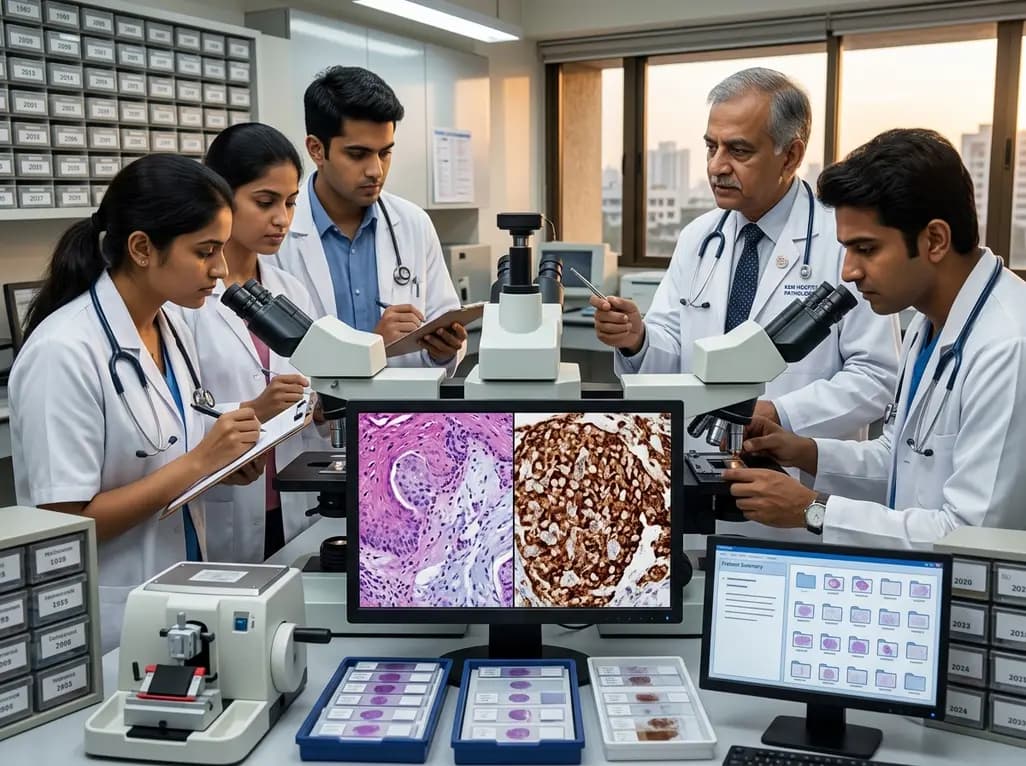
Recent studies highlight the clinical importance of NFE2L2-mutated urothelial carcinoma. This rare subset of bladder cancer demonstrates unique histological and molecular patterns. Historically, researchers linked NFE2L2 alterations to thoracic cancers. However, current data suggests these mutations also drive aggressive behavior in the urinary tract.
Researchers observed that NFE2L2-mutated tumors frequently show concomitant squamous and myxoid features. Furthermore, these tumors exhibit significantly high PD-L1 expression. In many cases, nearly 90% of tumor cells demonstrate strong membranous staining. This high expression suggests a potential response to immune checkpoint inhibitors. Additionally, next-generation sequencing often reveals co-mutations in the TERT promoter and CDKN2A genes.
Clinically, patients with this mutation often face a poor prognosis. Most patients present with or develop metastatic disease quickly. Consequently, the median overall survival is typically around 12 months. Therefore, early recognition of these specific features is vital for treatment planning. Clinicians may consider targeted therapies against the NRF2 signaling pathway or aggressive immunotherapy. Furthermore, further investigations with larger cohorts remain necessary to refine these diagnostic strategies.
NFE2L2 encodes the NRF2 transcription factor. This factor regulates oxidative stress responses and metabolic homeostasis. Mutations in this gene lead to aggressive tumor behavior and resistance to conventional therapies.
NFE2L2-mutated tumors often show high PD-L1 expression. This finding suggests that immunotherapy could be an effective treatment option, though clinical outcomes currently remain challenging.
Disclaimer: This content is for informational and educational purposes only and does not constitute professional medical advice, diagnosis, or treatment. Always seek the advice of your physician or other qualified health provider with any questions you may have regarding a medical condition. Refer to the latest local and national guidelines for clinical practice.
References
Wuori D et al. NFE2L2-mutated urothelial carcinomas frequently show concomitant myxoid and squamous features and have high PD-L1 expression. Histopathology. 2026 Jun 06. doi: 10.1111/his.70189. PMID: 42249733.
Wang J et al. Pan-cancer analysis of NFE2L2 mutations identifies a subset of lung cancers with distinct genomic and improved immunotherapy outcomes. Cancer Cell Int. 2023;23:229.
Akin DF et al. Dysregulation of the NRF2/KEAP1 signaling pathway and its impact on the development of bladder cancer. Exp Biomed Res. 2026;9(2).

Read summarized clinical updates, watch expert medical content, and earn CME certifications right from your smartphone.
Open your smartphone camera to scan and install.





NFE2L2-mutated urothelial carcinomas are aggressive tumors characterized by squamous and myxoid features and high PD-L1 expression levels....
4 months ago

Discover the crucial role of glymphatic dysfunction in stroke, where perivascular clearance failure and neuroinflammation exacerbate cerebral edema and post-stroke brain injury.
Today

A prenatal case highlights severe glutaric acidemia type II presenting as bilateral hyperechoic cystic kidneys at 18 weeks. Whole-exome sequencing revealed a novel homozygous ETFDH frameshift variant, demonstrating the power of rapid genetic testing in fetal renal anomalies.
Today

Review how tailored exercise programs benefit frail older patients with heart failure. Explore pathophysiological mechanisms, individualized training prescriptions, and strategies to overcome adherence barriers in clinical practice.
Yesterday

This comparative study evaluates posterior labral tears with and without glenohumeral instability, highlighting distinct demographic patterns, MRI underestimation in stable shoulders, and successful arthroscopic repair outcomes.
Yesterday

A clinical study demonstrates that early intervention with tocilizumab, either as monotherapy or bridged with corticosteroids, achieves significant proptosis reduction and resolves active inflammation in treatment-naive thyroid eye disease.
Yesterday
