

Loading, please wait...
Loading, please wait...
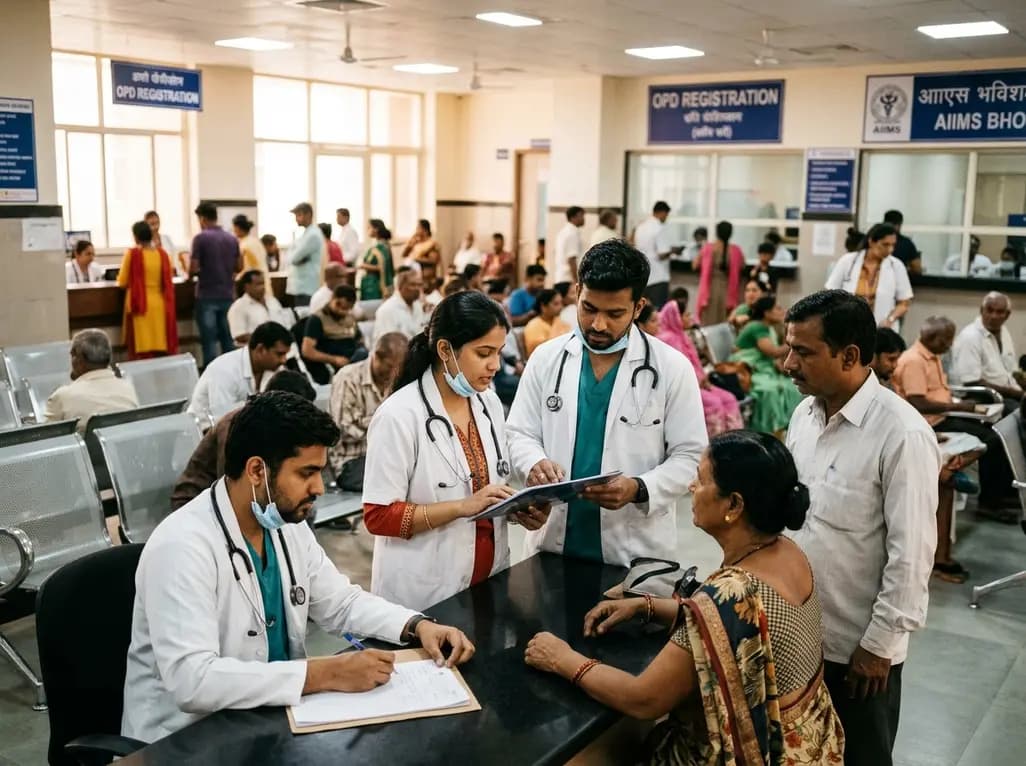
The establishment and operational expansion of new AIIMS hospitals across India represents a decisive turning point for public healthcare delivery. Under the aegis of the Pradhan Mantri Swasthya Suraksha Yojana, these premier tertiary institutions have bridged longstanding geographical inequities in healthcare access. Recently released official data reveals that outpatient departments across these facilities logged over six crore consultations between 2021-22 and October 2026. Consequently, this milestone marks a significant decentralization of advanced clinical services away from traditional metropolitan hubs.
The clinical footfall across new AIIMS hospitals has demonstrated a consistent upward trajectory over the past five financial years. In 2021-22, these regional centres recorded 50.03 lakh outpatient department visits as clinical units commenced operations. Subsequently, patient attendance escalated rapidly to 77.95 lakh consultations during the 2022-23 fiscal period. This pattern gained further momentum in 2023-24, when annual outpatient visits surpassed the milestone of one crore, reaching 100.52 lakh.
Furthermore, this exponential expansion continued unabated in subsequent years. Outpatient consultations reached 129.98 lakh in 2024-25 and touched an impressive 144.96 lakh visits during 2025-26. During the ongoing 2026-27 fiscal year, the institutions recorded 97.41 lakh outpatient encounters through October 2026 alone. Therefore, the cumulative tally across this five-year timeline stands at approximately 6.01 crore consultations. This nearly threefold rise in annual visits underscores increasing public trust in these central facilities. Moreover, clinicians observe that patients now readily seek early specialist opinions rather than delaying care until advanced disease stages emerge. In addition, this sustained surge highlights how accessible tertiary infrastructure alters community healthcare-seeking behavior. As a result, families avoid traveling immense distances to national capitals for standard specialty consultations.
Historically, Indian tertiary healthcare remained intensely concentrated within metropolitan cities, leaving vast rural and semi-urban populations underserved. Consequently, families faced crushing logistical costs, extensive travel burdens, and profound economic distress when seeking advanced medical interventions. To resolve these chronic imbalances, the Union Government sanctioned 22 new AIIMS facilities across diverse Indian states under PMSSY. Currently, 18 of these approved institutions operate as fully functional clinical complexes.
Additionally, these operational campuses provide comprehensive medical services, ranging from complex outpatient consultations to inpatient department admissions. Patients now receive modern surgical interventions, dedicated trauma care, and round-the-clock emergency support within their home states. Furthermore, the presence of modern diagnostics, such as magnetic resonance imaging and advanced molecular pathology, prevents unnecessary diagnostic delays. Therefore, clinicians can initiate evidence-based therapeutic regimens much earlier in the disease course. As regional referral pathways mature, these facilities systematically relieve the overwhelming patient burden on legacy institutions like AIIMS New Delhi. Moreover, state health departments report enhanced collaboration with these central institutions for handling complex outbreaks and regional medical emergencies. Consequently, the standard of clinical governance across peripheral public health centers has witnessed measurable improvement.
Beyond frontline patient care, the PMSSY framework was explicitly designed to revolutionize undergraduate and postgraduate medical education. Each functional AIIMS campus integrates modern academic facilities, simulation labs, and teaching hospitals to nurture skilled clinical talent. Consequently, these institutions have drastically augmented the annual intake of undergraduate medical students, postgraduate resident trainees, and specialized nursing candidates. This rapid educational expansion generates a dependable pipeline of highly qualified clinicians trained in standardized clinical practices.
Furthermore, these modern academic campuses provide fertile ground for locally relevant clinical research. Medical faculty and resident physicians investigate regional disease burdens, epidemiological trends, and therapeutic patterns unique to surrounding populations. Meanwhile, centralized laboratory networks and dedicated clinical trial units support innovative collaborative studies. Therefore, clinicians can design tailored intervention protocols that directly address endemic health concerns, such as vector-borne infections, non-communicable disorders, and neonatal complications. In addition, academic exposure to complex case mixes instills robust diagnostic confidence in postgraduate residents before they enter independent specialist practice. Thus, these academic hubs simultaneously elevate scholarly productivity and community clinical outcomes across every participating region. Notably, faculty development programs further ensure that pedagogical standards match international benchmarks across all disciplines.
A substantial proportion of outpatient visits across these institutes involves complex non-communicable diseases requiring ongoing supervision. Conditions such as coronary artery disease, uncontrolled diabetes mellitus, refractory hypertension, and neurodegenerative disorders demand multimodal multidisciplinary management. Fortunately, new AIIMS complexes house comprehensive outpatient suites where endocrinologists, cardiologists, nephrologists, and lifestyle specialists collaborate seamlessly. Consequently, patients receive synchronized multi-organ assessments during a single outpatient visit.
Moreover, the availability of specialized oncology, hematology, and rheumatology clinics addresses severe clinical care deficits in underserved areas. Patients undergoing chemotherapy or chronic immunosuppressive therapies can now attend routine outpatient follow-ups closer to home. In addition, dedicated preventive health clinics focus on screening programs for cervical, breast, and oral malignancies. As a result, clinicians identify early dysplastic changes and premalignant lesions long before invasive disease develops. Furthermore, institutional dietitians and diabetic educators guide patients on lifestyle modifications, which drastically reduces avoidable emergency admissions. Therefore, this holistic outpatient framework not only manages chronic morbidity effectively but also improves long-term survival metrics across vulnerable populations. In doing so, these regional centres establish exemplary benchmarks for integrated outpatient chronic disease management nationwide.
While logging over six crore outpatient consultations marks an exceptional operational milestone, significant systemic challenges require ongoing vigilance. Managing enormous daily patient footfalls places severe strain on administrative workflows, physical infrastructure, and clinical staffing levels. Consequently, healthcare administrators must constantly balance patient throughput with the essential quality of individual clinical encounters. In addition, recruitment of experienced super-specialist faculty remains a persistent bottleneck in certain remote institutional locations.
Nevertheless, institutional leadership is actively implementing innovative digital tools to streamline clinical operations. Most new facilities have deployed the e-Hospital platform alongside digital appointment systems to minimize chaotic registration queues. Furthermore, the integration of telemedicine networks and the e-Sanjeevani portal allows AIIMS specialists to provide remote tele-consultations for peripheral clinics. Therefore, rural primary physicians can discuss challenging clinical scenarios directly with academic experts before initiating formal tertiary transfers. In conclusion, continuing federal investments and robust human resource planning will remain indispensable to ensure sustainable healthcare equity across India. Additionally, standardizing referral criteria between primary health centres and AIIMS outpatient departments will prevent inappropriate overcrowding. As these operational mechanisms mature, the institutions will solidify their role as national pillars of clinical excellence.
Q1: What factors contributed to the sharp rise in OPD consultations at new AIIMS hospitals?
The remarkable surge in outpatient visits stems from multiple interrelated developments. First, 18 newly established AIIMS facilities became fully operational with modern diagnostic infrastructure and multi-specialty clinical departments. Additionally, subsidized consultation fees and comprehensive diagnostic services made advanced healthcare affordable for rural communities. Furthermore, patients now access super-specialty consultations within their home states without enduring expensive interstate travel, thereby creating sustained demand and remarkable footfall growth.
Q2: How many new AIIMS institutions are currently operational under the PMSSY scheme?
Under the phased implementation of the Pradhan Mantri Swasthya Suraksha Yojana, the Union Government approved the establishment of 22 new AIIMS hospitals nationwide. Currently, 18 of these approved institutions have achieved fully functional status across diverse Indian states. These functional facilities offer comprehensive outpatient care, inpatient hospital beds, advanced diagnostics, specialized surgical theaters, trauma resuscitation units, and formal undergraduate and postgraduate medical education programs.
Q3: How do the new AIIMS hospitals benefit medical education and regional research?
The operationalization of these premier institutes significantly expands national capacity for medical training and clinical research. Specifically, the new institutions offer accredited undergraduate MBBS seats, postgraduate residency slots, and advanced nursing programs under standardized curricula. Moreover, faculty and resident researchers investigate regionally prevalent health disorders, conduct collaborative clinical trials, and formulate evidence-based guidelines. Consequently, these campuses build a resilient, locally embedded workforce of skilled healthcare professionals.
Disclaimer: This content is for informational and educational purposes only. It does not constitute medical advice or replace professional judgment. Refer to the latest local and national guidelines for clinical practice.
References

Read summarized clinical updates, watch expert medical content, and earn CME certifications right from your smartphone.
Open your smartphone camera to scan and install.





Outpatient department consultations across operational AIIMS institutions under PMSSY surged past six crore within five years. This steady uptake underscores expanding tertiary clinical care, nationwide medical training, and decentralized specialist access across previously underserved Indian states.
Today

A large retrospective cohort study demonstrates that explainable machine learning models, notably XGBoost, accurately predict hospital admission at emergency triage. By analyzing routine triage parameters, hospitals can streamline bed allocation, decrease boarding times, and alleviate acute care overcrowding.
Today
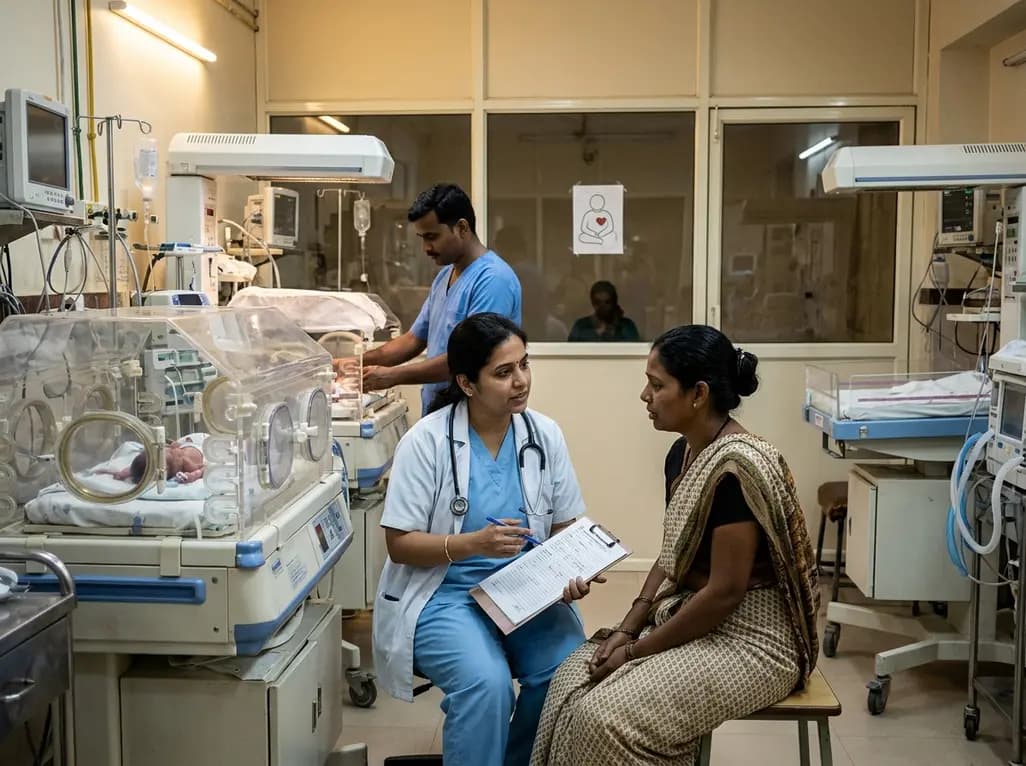
A new quality-improvement initiative reveals that universal maternal mental health screening in the NICU increased screening rates from 29.5% to 95.0%, with nearly 60% of screened mothers requiring psychosocial referrals, highlighting the urgent need for embedded mental health resources.
Today
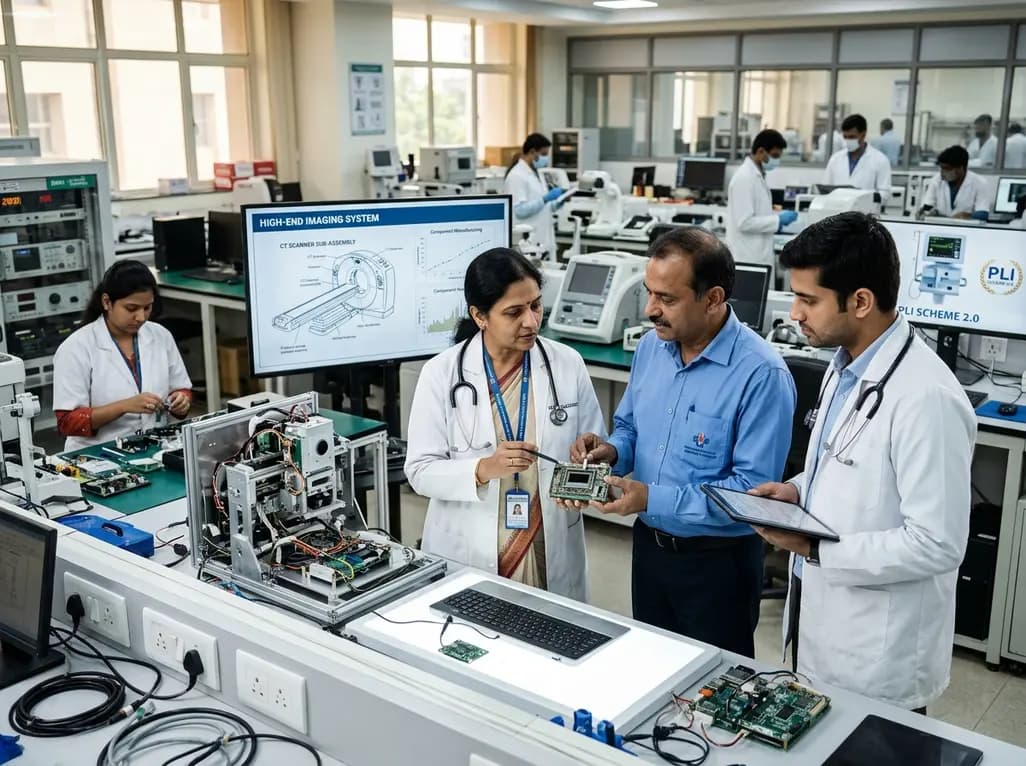
The Department of Pharmaceuticals has extended the medical devices PLI scheme to 2035-36 with a Rs 2,700 crore outlay. Featuring relaxed investment barriers and eliminated sales thresholds, the revised framework targets deep manufacturing, high-end diagnostics, critical MedTech components, and supply resilience.
Today
A metabolomic study reveals that aging delays glutathione synthesis and gamma-glutamylcysteine accumulation following muscle injury. Although precursor supplementation targets this enzymatic bottleneck, in vitro tests show no immediate effect on myogenesis, highlighting the complexity of muscle repair in older adults.
Today
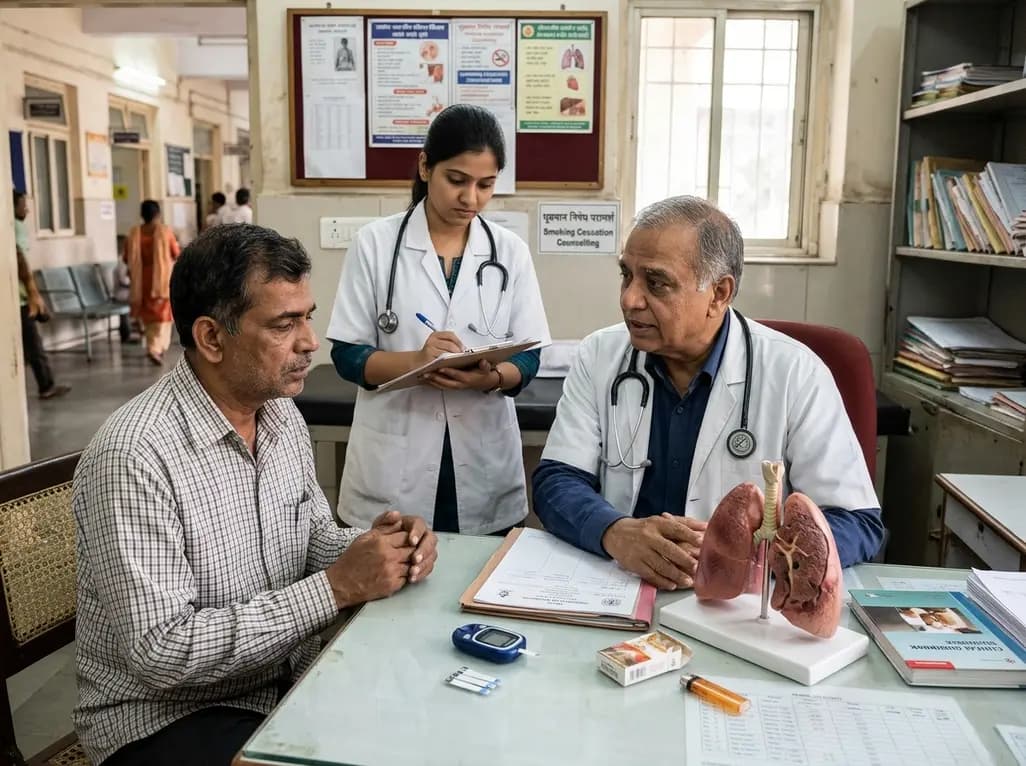
A systematic review evaluates psychological interventions for smoking cessation in diabetes, showing short-term success but highlighting challenges in long-term abstinence.
Today
