.webp&w=384&q=75)

Loading, please wait...
Loading, please wait...
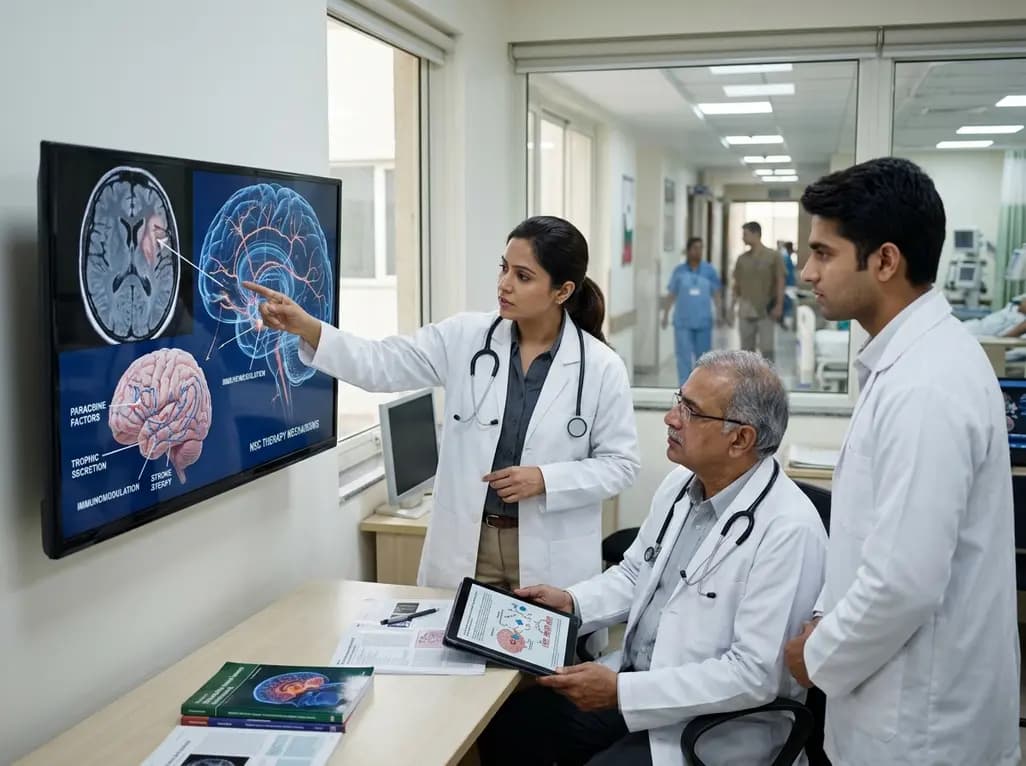
Ischemic stroke remains a leading global cause of long-term neurological disability and mortality. While acute reperfusion strategies like intravenous thrombolysis and mechanical thrombectomy effectively re-establish cerebral blood flow, they cannot restore damaged brain parenchyma. Consequently, regenerative medicine has focused extensively on cell-based interventions to bridge this therapeutic gap. In particular, neural stem cell therapy has emerged as a promising strategy to facilitate neurorestoration and functional recovery in preclinical stroke models.
Historically, early neuroscientists believed that grafted stem cells primarily mediated recovery by replacing damaged cerebral neurons. However, recent systematic reviews demonstrate that secretome-mediated paracrine signaling actually drives the overwhelming majority of post-stroke functional recovery. Transplanted neural stem and progenitor cells (NSPCs) actively secrete a diverse repertoire of neurotrophic, neuroprotective, and angiogenic factors directly into the injured cerebral microenvironment. Prominent molecules include brain-derived neurotrophic factor (BDNF), glial cell line-derived neurotrophic factor (GDNF), and vascular endothelial growth factor (VEGF). These trophic proteins stimulate endogenous intracellular survival pathways, significantly reducing delayed neuronal apoptosis within the vulnerable ischemic penumbra. Furthermore, paracrine mediators promote structural synaptic plasticity, stimulate axonal sprouting, and encourage the functional remodeling of adjacent neural circuits. In addition, extracellular vesicles and exosomes released by transplanted NSPCs deliver crucial regulatory microRNAs, lipids, and functional signaling proteins directly to recipient host cells. Consequently, this robust trophic support mitigates progressive secondary neurodegeneration and establishes a nurturing biochemical microenvironment that facilitates enduring behavioral and neurological recovery across diverse experimental models.
Acute cerebral ischemia initiates a massive, self-propagating inflammatory cascade that amplifies secondary brain damage well beyond the initial ischemic core. Microglial activation, rapid leukocyte infiltration, and the unrestrained release of pro-inflammatory cytokines collectively exacerbate local tissue necrosis. Fortunately, transplanted neural stem and progenitor cells exert profound immunomodulatory effects that systematically reshape this destructive post-stroke environment. Grafted NSPCs actively downregulate major cytotoxic cytokines, including tumor necrosis factor-alpha (TNF-α), interleukin-1 beta (IL-1β), and interleukin-6 (IL-6). Simultaneously, these stem cells stimulate the phenotypic polarization of resident microglia and infiltrating macrophages, shifting them from a destructive M1 pro-inflammatory state toward a protective M2 anti-inflammatory phenotype. Moreover, donor cells modulate peripheral immune organs, dampening systemic inflammatory cascades that otherwise worsen post-stroke outcomes. As a result, this targeted cellular immunomodulation limits cytotoxic brain edema, prevents secondary cell death, and preserves vulnerable perilesional neuronal architecture. Additionally, grafted cells regulate neutrophil recruitment and suppress matrix metalloproteinase release, thereby curtailing tissue digestion. Thus, modulating the neuroinflammatory cascade represents a fundamental mechanism underpinning regenerative cellular therapy.
Disruption of the blood-brain barrier (BBB) represents a severe, life-threatening consequence of acute ischemic stroke. The rapid degradation of microvascular integrity promotes vasogenic edema, increases intracranial pressure, and elevates the hazard of hemorrhagic transformation. Preclinical investigations demonstrate that transplanted neural progenitor cells actively stabilize and protect the cerebral microvasculature. Specifically, grafted NSPCs release high concentrations of angiopoietin-1 (Ang-1) and vascular endothelial growth factor, directly strengthening host endothelial cells. These signaling interactions upregulate critical tight junction proteins, including claudin-5, occludin, and zonula occludens-1, which effectively reseal the compromised vascular barrier. Furthermore, transplanted cells stimulate robust neovascularization within the ischemic boundary zone, facilitating the sprouting of functional collateral microvessels. As a result, enhanced localized perfusion restores oxygenation and nutrient delivery to metabolically compromised penumbral tissue. In addition, maintaining BBB structural stability prevents destructive circulating leukocytes and neurotoxic serum components from invading fragile brain parenchyma. Moreover, reconstructed microvessels establish neurovascular niches that support endogenous neurogenesis and long-term functional adaptation.
Early stem cell transplantation paradigms operated on the assumption that therapeutic success required direct structural replacement of lost cerebral neurons. However, contemporary preclinical evidence reveals that direct neuronal differentiation occurs relatively infrequently following grafting. Instead, the vast majority of surviving progenitor cells differentiate along glial lineages, predominantly forming astrocytes and oligodendrocytes. Oligodendroglial differentiation plays a vital neurorestorative role by promoting the remyelination of damaged white matter tracts, which restores axonal conduction velocity and enhances sensorimotor coordination. Conversely, astrocytic differentiation generates complex, context-dependent biological outcomes. While certain astrocytic subpopulations release trophic factors, maintain metabolic homeostasis, and support structural scar containment, excessive astrogliosis can generate dense glial scars that physically impede axonal regeneration. Therefore, functional improvements after stroke stem primarily from bystander paracrine modulation and glial-mediated circuit support rather than de novo neuronal replacement. Additionally, understanding the temporal dynamics of lineage commitment will enable clinicians to optimize grafting protocols for targeted white matter restoration.
Despite highly encouraging preclinical efficacy, successfully translating neural stem cell therapy into clinical stroke care remains challenging. A critical translational bottleneck stems from the reliance on young, healthy rodent models, whereas clinical stroke predominantly affects elderly patients with significant vascular comorbidities like hypertension and diabetes. Furthermore, allogeneic graft immunogenicity and poor cell survival in the hostile ischemic milieu significantly impair long-term therapeutic durability. Delivery methods also present complex clinical trade-offs. Stereotactic intracerebral injection delivers cells directly adjacent to the lesion but carries invasive surgical risks. In contrast, intravascular delivery provides a minimally invasive route but frequently suffers from pulmonary cell trapping and poor targeted cerebral homing. To overcome these substantial barriers, future research must adopt comorbidity-inclusive animal models and refine cell preconditioning protocols. Additionally, combining cell grafts with biomaterial scaffolds or engineered extracellular vesicles may enhance cellular resilience and accelerate successful clinical translation. Moreover, standardizing dosing parameters and post-transplantation monitoring through non-invasive imaging will facilitate reproducible clinical trials.
Preclinical evidence demonstrates that neural stem cells facilitate functional recovery primarily through secretome-mediated paracrine signaling and immunomodulation rather than direct cell replacement. Grafted cells release vital neurotrophic and angiogenic factors such as BDNF and VEGF, while suppressing destructive pro-inflammatory cytokines. These actions rescue penumbral neurons, promote synaptic plasticity, and stimulate endogenous repair pathways, ultimately driving significant improvements in motor and cognitive function in stroke models.
Transplanted progenitor cells release essential vasculoprotective factors, notably angiopoietin-1 and VEGF, which directly stimulate host endothelial cells. This molecular signaling upregulates critical tight junction proteins, including claudin-5 and occludin, thereby repairing damaged microvascular seals. Consequently, this therapeutic response reduces vascular hyperpermeability, mitigates vasogenic edema, prevents hemorrhagic transformation, and preserves the neurovascular unit, creating a stable microenvironment essential for successful brain tissue recovery following ischemic insult.
Translational discrepancies arise because animal studies typically use healthy young rodents, whereas human stroke involves complex vascular comorbidities such as atherosclerosis and hypertension. Furthermore, clinical trials face substantial obstacles regarding allogeneic immune rejection, suboptimal cell homing, and poor graft survival in chronic ischemic tissue. Overcoming these hurdles requires adopting comorbidity-inclusive animal models, optimizing delivery routes, and applying bioengineering preconditioning strategies to enhance cell viability.
Disclaimer: This content is for informational and educational purposes only and should not be considered professional medical advice. Always consult a qualified healthcare provider for specific clinical concerns, diagnoses, or treatment decisions. Refer to the latest local and national guidelines for clinical practice.
References
1. Nyarkoh JK et al. The Reparative Mechanisms Underlying Preclinical Neural Stem/Progenitor Cell Therapy for Ischemic Stroke: A Systematic Review. Neurol Res Int. 2026 undefined undefined. doi: 10.1155/nri/9430707. PMID: 42668950.
2. Boltze J, Modo MM, Mays RW. Stem cell therapy for stroke: mechanisms, clinical translation, and future perspectives. Front Cell Neurosci. 2026;20:1801759.
3. Pu H. Stem Cell Therapy for Stroke: Mechanisms and Functional Recovery. In: Brain Injury and Neuroregeneration. IntechOpen; 2024.

Read summarized clinical updates, watch expert medical content, and earn CME certifications right from your smartphone.
Open your smartphone camera to scan and install.





A systematic review reveals that neural stem cell therapy for ischemic stroke promotes recovery primarily through paracrine trophic secretion and immunomodulation rather than direct neuronal replacement, providing vital mechanistic insights for advancing clinical translation.
4 weeks back

A Bayesian multilevel meta-analysis reveals that aerobic training combined with moderate carbohydrate restriction modestly lowers HbA1c in type 2 diabetes. However, sparse data and very low certainty leave incremental benefits over exercise or diet alone unproven, highlighting the need for individualized care.
Today

Findings from Project Viva indicate that sustained postpartum weight retention, rather than excessive gestational weight gain alone, directly worsens women's mid-life cardiovascular health, degrading blood pressure and glycemic parameters decades after delivery.
Today
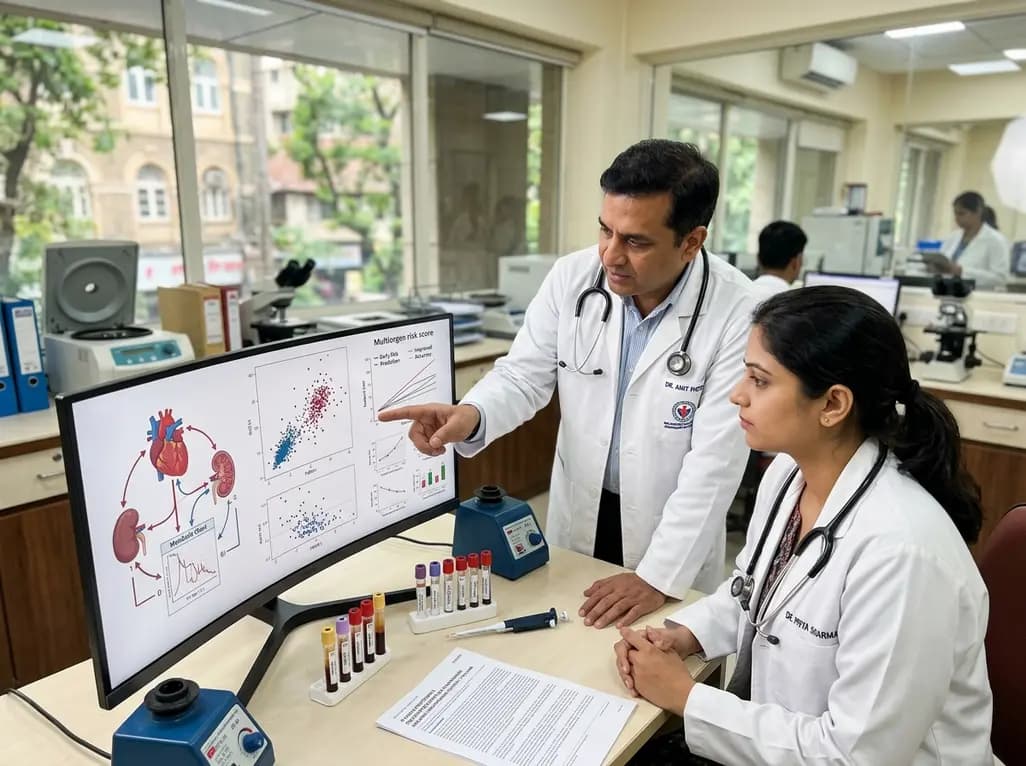
A large UK Biobank study reveals that plasma proteomic signatures capture preclinical organ damage and improve multiorgan risk prediction across early CKM syndrome stages 0 to 2 beyond traditional PREVENT clinical models.
Today
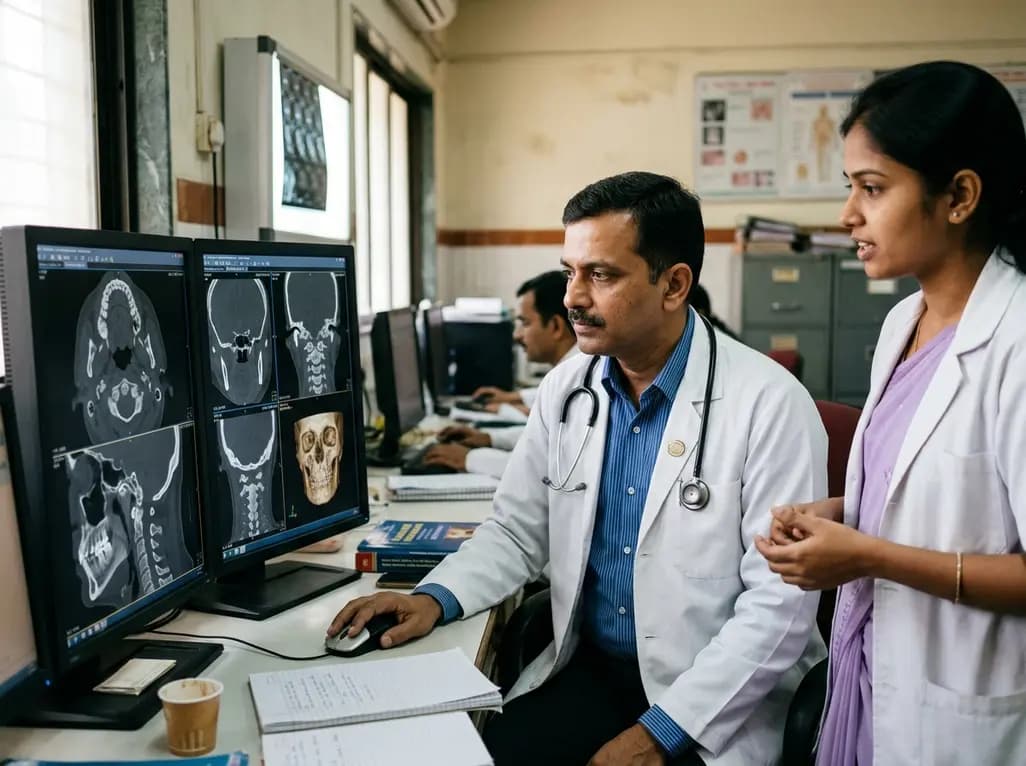
A retrospective CBCT study reveals that superior TMJ space asymmetry correlates moderately with occipital condyle-atlas-axis asymmetry in unilateral TMJ osteoarthritis, highlighting an imaging correlate between jaw biomechanics and upper cervical alignment rather than a standalone diagnostic marker.
Today
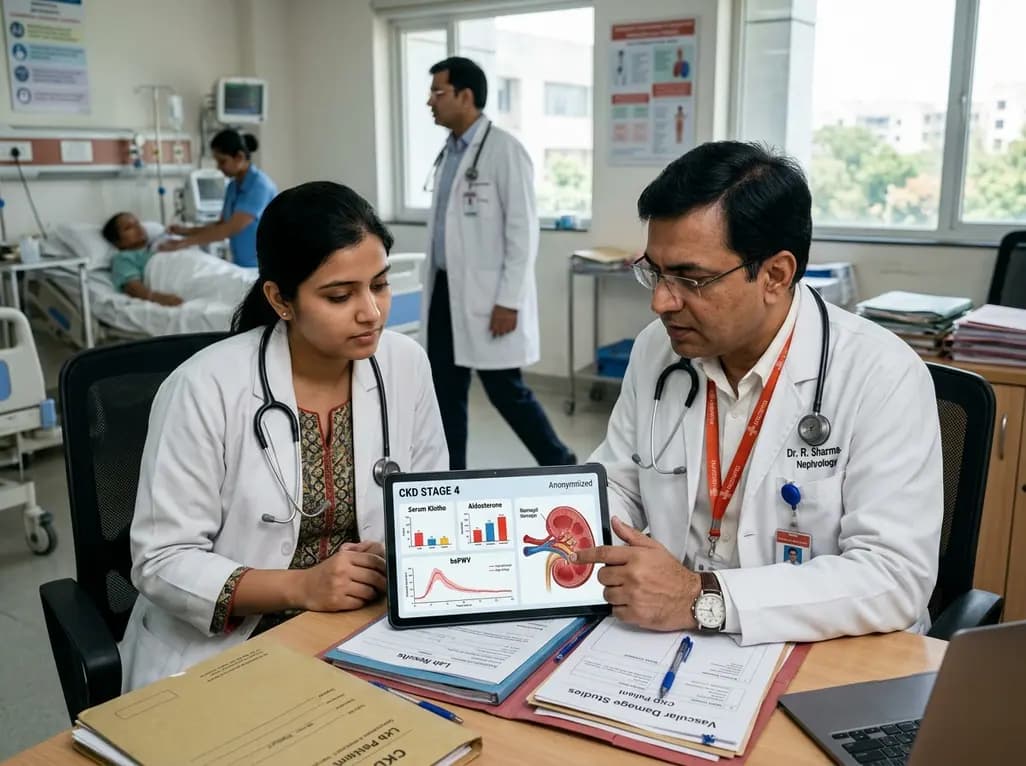
A cross-sectional investigation highlights the complex pathophysiological links between serum Klotho deficiency, secondary hyperaldosteronism, and vascular damage in CKD. Discover key insights into non-invasive vascular stiffness markers and targeted therapeutic pathways for cardiorenal protection.
Today
