.webp&w=384&q=75)

Loading, please wait...
Loading, please wait...

A diminished behavioral orientation to one's own name represents one of the most reliable and earliest markers of autism spectrum disorder. Clinicians frequently utilize this observable sign during developmental assessments to identify toddlers who warrant comprehensive diagnostic evaluations. However, the precise electrophysiological underpinnings of this phenomenon remain complex and incompletely understood. A novel clinical neurophysiology study provides crucial insights into neural responding in autism among school-aged children. Researchers examined whether primary auditory cortex activation or downstream cognitive evaluation explains the reduced responsiveness observed in everyday clinical settings. Surprisingly, the electrophysiological findings reveal that the brain's automatic preferential processing for one's own name remains intact in school-aged children with autism. This insight challenges the assumption that behavioral inattention stems entirely from an inherent neural inability to recognize self-relevant cues.
To determine how the brain processes self-referential auditory stimuli, investigators recruited 34 children diagnosed with autism and 33 neurotypical peers aged 7 to 13 years. The experimental team recorded high-density electroencephalography while presenting participants with an auditory oddball paradigm. Specifically, children listened to three distinct categories of acoustic stimuli: their own name, the name of a close familiar individual, and an unfamiliar name. Crucially, these name stimuli served as task-irrelevant deviants while the children performed a primary task. This setup allowed investigators to isolate automatic, involuntary neural processing rather than voluntary effortful listening. The researchers analyzed specific event-related potential components, including early sensory markers like the N1 wave and late cognitive potentials like the parietal P3 wave. Consequently, the team could distinguish between early acoustic processing and higher-order cognitive evaluation. The objective was to ascertain whether the behavioral non-responsiveness reported by parents reflects a disruption in low-level sensory registration or later attentional allocation.
The electrophysiological results revealed distinct patterns across early and late event-related potential components. Neither the early auditory N1 component nor the self-own-name negativity demonstrated significant self-specific modulation across the participant cohort. In contrast, the parietal P3 amplitude showed substantial enhancement when children heard their own name compared to a close other's name. The P3 component reflects involuntary attentional capture and the subjective cognitive evaluation of meaningful stimuli. Furthermore, age significantly influenced this electrophysiological signature across both groups. Older children exhibited a markedly stronger self-specific P3 enhancement than younger children, illustrating ongoing neurodevelopmental maturation in self-referential processing. Importantly, the magnitude of the self-preferential P3 enhancement did not differ significantly between children with autism and their neurotypical peers. Therefore, school-aged children on the autism spectrum demonstrate preserved neurocognitive discrimination of their own name at an involuntary cortical level. This finding indicates that basic neural recognition mechanisms for self-relevant acoustic signals operate normally during middle childhood.
A striking paradox emerged when researchers compared the objective electroencephalographic findings with parental behavioral reports. Parents of children with autism reported significantly less frequent behavioral orientation to their name during daily activities compared to parents of neurotypical children. This clinical discrepancy highlights a fundamental distinction between implicit neural detection and explicit behavioral execution. Although the child's parietal cortex registers the personal salience of their name, this internal neural signal does not consistently translate into motor turning or verbal acknowledgment. Multiple contextual factors in naturalistic environments likely contribute to this dissociation. For example, competing sensory inputs, heightened cognitive load, or intense absorption in preferred activities can suppress outward behavioral responses. Additionally, differences in social motivation or pragmatic communication might attenuate the drive to acknowledge the speaker. Consequently, clinicians must recognize that a child's failure to respond outwardly does not indicate an absence of internal auditory processing or self-awareness.
In everyday environments, auditory processing occurs within complex, dynamic social contexts rather than isolated testing conditions. Autistic children frequently experience sensory hyper-reactivity or hypo-reactivity, which dramatically influences how they filter environmental sounds. When a child engages deeply in an activity, their attentional focus can become intensely concentrated, a phenomenon often described as monotropic attention. Under such conditions, incoming auditory cues like a spoken name may fail to interrupt the ongoing focus of attention, despite being registered at the cortical level. Furthermore, social reciprocity demands cognitive effort, including predicting social intent and preparing appropriate motor actions. In contrast, passive laboratory paradigms present acoustic stimuli without requiring social interaction or eye contact. This critical difference explains why electrophysiological tests reveal preserved neural salience, while naturalistic interactions show behavioral variability. Understanding these contextual dynamics allows clinicians and educators to design neurodiversity-affirming environments that accommodate individual attentional styles while fostering effective communication.
These electrophysiological insights have substantial practical implications for pediatricians, child psychiatrists, and pediatric neurologists evaluating social-communication challenges. Clinicians should avoid assuming that an inconsistent behavioral response to a spoken name indicates a peripheral auditory deficit or a complete failure of self-processing. Instead, clinicians should consider how executive function, attention switching, and social motivation interact to shape observable behavior. When evaluating pediatric patients, clinicians must combine parental behavioral questionnaires with structured observational assessments to capture the full developmental profile. Furthermore, psychoeducation can help alleviate parental anxiety regarding their child's responsiveness. Explaining that the child's brain genuinely registers their name can reassure caregivers and inform supportive communication strategies. For instance, caregivers can reduce background distractions, establish direct visual contact, or gently touch the child before speaking. These supportive adjustments help bridge the gap between intact neural detection and successful behavioral engagement.
The discovery of intact neural responses in school-aged children highlights the need for longitudinal studies spanning infancy to adolescence. Earlier studies in infants and toddlers with elevated likelihood of autism often showed altered neural responses to maternal voice and personal names. Therefore, future research must track how self-referential neural circuits evolve from early infancy into school age and adulthood. Moreover, researchers should investigate how neural responding varies across diverse cognitive profiles, language abilities, and sensory processing phenotypes. Combining electroencephalography with eye-tracking and behavioral observation in semi-naturalistic environments could clarify the exact mechanisms that inhibit motor orientation. In addition, investigating prefrontal top-down control mechanisms may explain why salient stimuli fail to trigger behavioral responses. Ultimately, expanding our understanding of the neural correlates of social communication will improve diagnostic precision and refine individualized supportive interventions for autistic individuals across their lifespan.
Children with autism often fail to respond behaviorally due to monotropic attention, sensory overload, or differing social communication motivation. Although their brains register the acoustic salience of their name, translating that internal neural signal into an outward behavioral response requires complex attention-shifting and motor coordination.
The parietal P3 wave is an event-related potential component that reflects involuntary attentional allocation and cognitive evaluation of meaningful stimuli. An enhanced P3 amplitude indicates that the brain automatically recognizes a stimulus, such as one's own name, as personally relevant and salient compared to neutral stimuli.
Caregivers can improve communication by minimizing environmental distractions, entering the child's line of sight, and using gentle tactile cues before speaking. Reducing auditory competing stimuli helps the child transition attention smoothly, bridging the gap between intact cortical name recognition and observable behavioral engagement.
Disclaimer: This content is for informational and educational purposes only. It is not intended to substitute for professional medical advice, diagnosis, or treatment. Always seek the advice of your physician or another qualified healthcare provider with any questions you may have regarding a medical condition. Refer to the latest local and national guidelines for clinical practice.
References
Kaddouri RE et al. Intact Neural Responding to Hearing One's Own Name in Children with Autism. J Autism Dev Disord. 2026 Jun. doi: 10.1007/s10803-024-06701-y. PMID: 39786533.
Nijhof AD et al. Atypical neural responding to hearing one's own name in adults with ASD. J Abnorm Psychol. 2018;127(1):129-138.
Ozonoff S et al. A prospective study of the emergence of early behavioral signs of autism. J Am Acad Child Adolesc Psychiatry. 2010;49(3):256-266.

Read summarized clinical updates, watch expert medical content, and earn CME certifications right from your smartphone.
Open your smartphone camera to scan and install.





A study reveals school-aged children with autism show intact parietal P3 neural responses to their own name, contrasting with parent-reported daily behaviors.
last month

New immunological research reveals how PTPN22 forms a delayed inhibitory signaling complex to restrain T cell activation, explaining how the autoimmune-linked R620W variant disrupts feedback control and promotes persistent inflammation in conditions like rheumatoid arthritis and type 1 diabetes.
Today

A nationwide study covering 3.7 million Swedish births reveals that prenatal exposure to TORCH pathogens significantly elevates long-term risks of intellectual disability and autism. Healthcare providers must recognize clinical indicators, promote prenatal prevention, and track early pediatric neurodevelopment.
Today
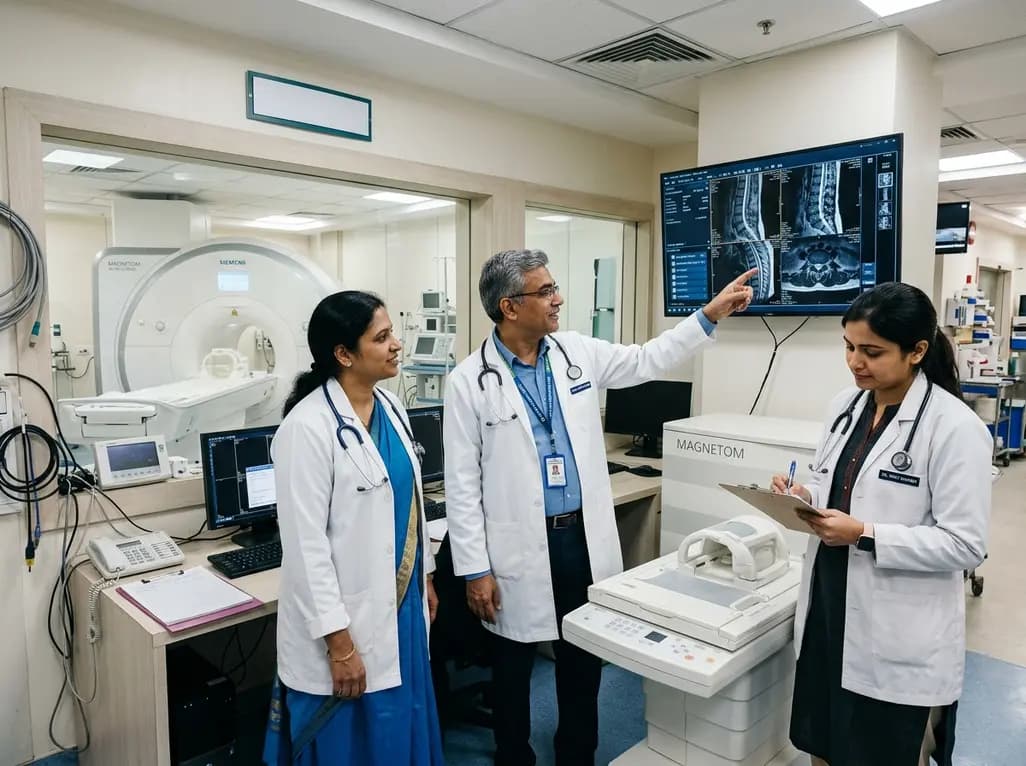
Under India's PLI initiative, domestic production of 57 critical medical devices has commenced, including MRI and CT scanners, cath labs, and heart valves. Global partnerships and local investments are expanding high-end technology, curbing import reliance, and strengthening clinical accessibility nationwide.
Today
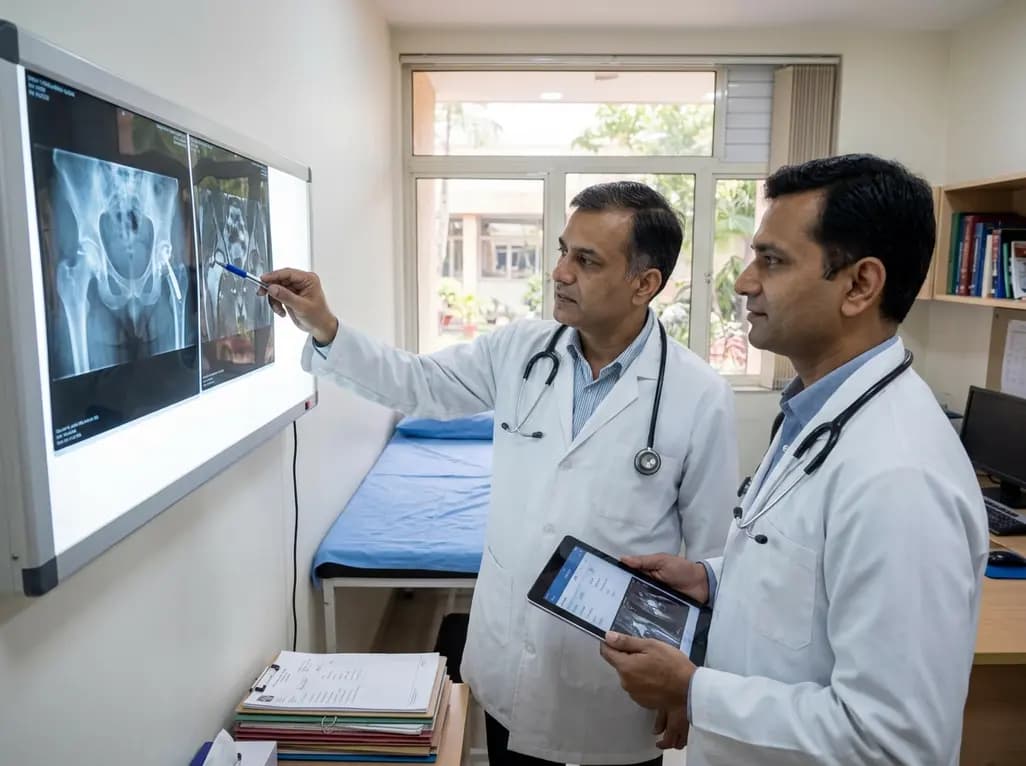
A longitudinal study reveals that patients undergoing staged bilateral hip arthroscopy experience progressive contralateral labral deterioration during surgical intervals. However, structural degradation does not compromise 2-year postoperative clinical outcomes or patient-reported satisfaction scores.
Today
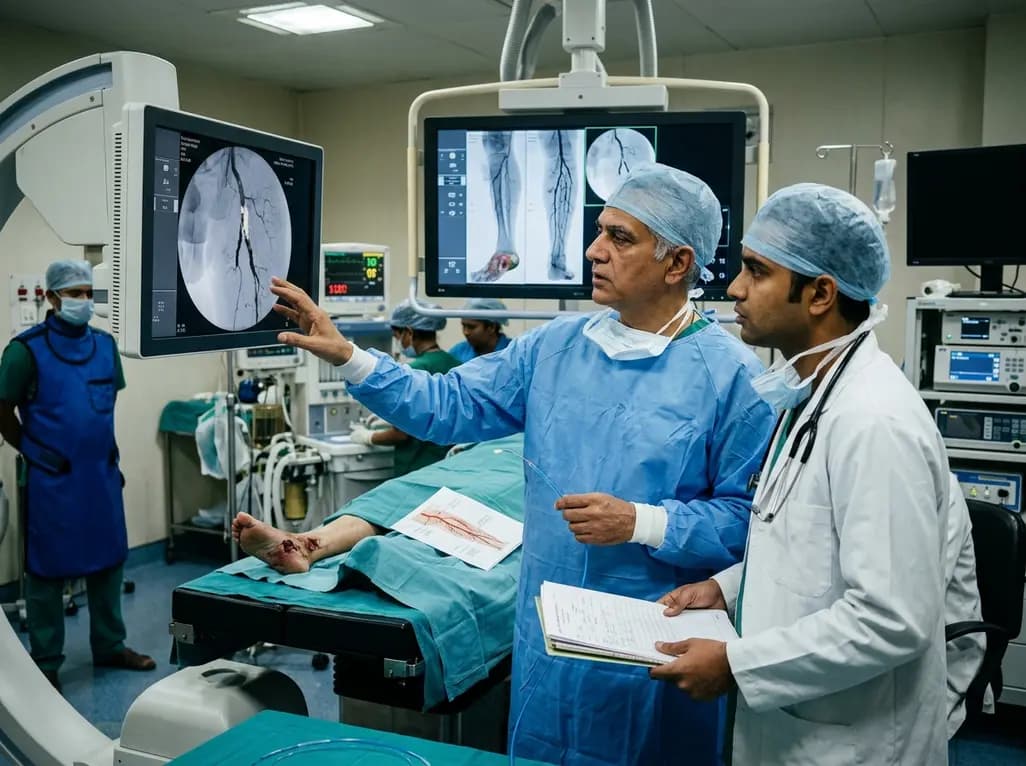
SWEDEPAD-1 trial insights show paclitaxel-coated devices do not improve long-term limb salvage in patients with chronic limb-threatening ischemia and tissue loss. While one-year reinterventions decreased, the devices were linked to a higher risk of major amputation at three months.
Yesterday
