.webp&w=384&q=75)

Loading, please wait...
Loading, please wait...

Accurate assessment of infant growth is vital for long-term health. However, traditional methods like dual-energy X-ray absorptiometry (DEXA) are often expensive and impractical in many settings. In fact, a recent pilot study introduces a promising machine learning approach to using neonatal body composition ultrasound for more accessible nutritional monitoring. By distinguishing adipose tissue from skeletal muscle, this portable tool aims to simplify how clinicians evaluate fat and fat-free mass in newborns.
The study protocol outlines a multicenter approach involving 50 infants from Boston and Ethiopia. Specifically, researchers will evaluate the feasibility and reliability of ultrasound scanning. Furthermore, the team plans to build a comprehensive database of images to train advanced artificial intelligence (AI) models. Additionally, these models, including convolutional neural networks (CNNs), will predict body composition metrics with high precision. Therefore, this innovation could bridge the gap in care for vulnerable infants in low-resource environments.
Moreover, the integration of AI-enabled analysis removes the need for highly specialized personnel. Consequently, this shift allows frontline healthcare workers to perform assessments confidently. In addition, the study focuses on clinician feedback and family acceptability to ensure the tool fits seamlessly into neonatal workflows. Ultimately, if successful, this technology will provide a scalable solution for global pediatric nutrition.
Ultrasound is portable, low-cost, and does not involve ionizing radiation. Unlike DEXA or air displacement plethysmography, clinicians can use it at the bedside in various environments without specialized facilities.
Machine learning algorithms, specifically convolutional neural networks, automate the interpretation of ultrasound images. This reduces human error and allows for whole-body composition estimation from simple scans.
Disclaimer: This content is for informational and educational purposes only. It does not constitute medical advice or a professional relationship. Refer to the latest local and national guidelines for clinical practice.
References

Read summarized clinical updates, watch expert medical content, and earn CME certifications right from your smartphone.
Open your smartphone camera to scan and install.





A pilot study explores using ultrasound and AI to assess newborn body composition, offering a portable alternative for global neonatal nutritional monitorin...
6 months ago

India is advancing preventive healthcare by integrating genomics, artificial intelligence, and quantum technologies. With the SANGAM programme sequencing one million Indian genomes, clinicians can unlock personalized therapies, detect cardiometabolic risks early, and curb the burden of diabetes and heart disease.
Today
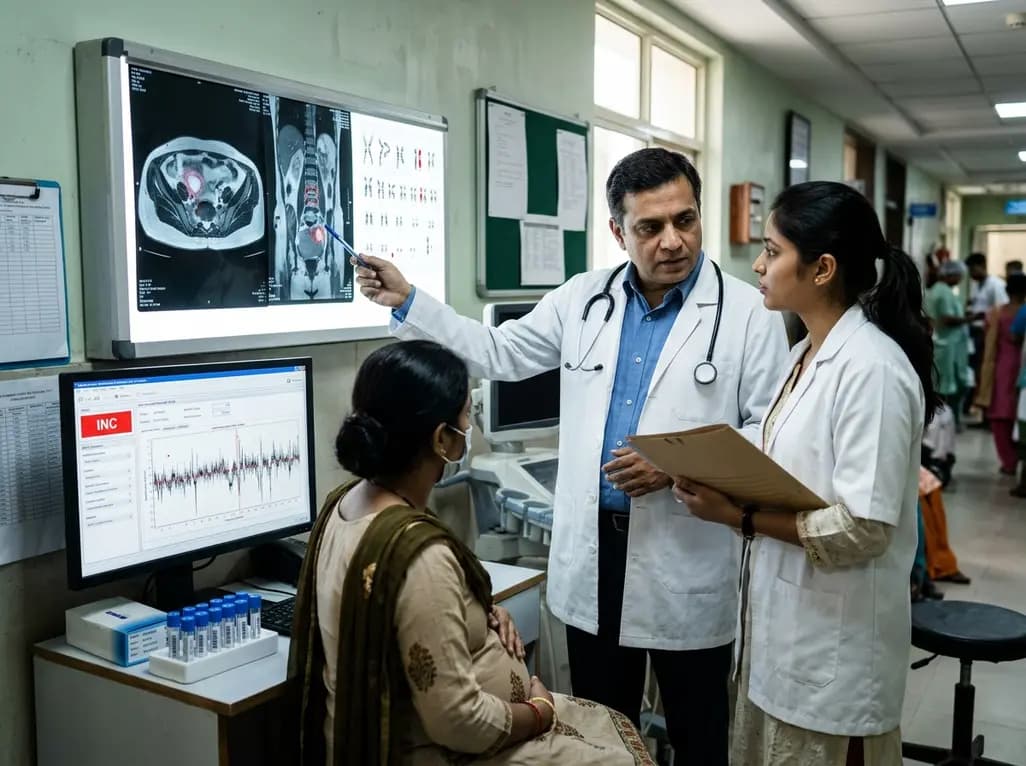
Occult maternal malignancy accounts for 3.82% of persistent unreportable NIPT results with genomic noise. Multiple chromosomal aberrations, notably on chromosome 18, warrant thorough oncological evaluation and whole-body MRI to ensure timely maternal diagnosis while preserving fetal care.
Today

This article reviews the forensic and clinical complexities of acute myocarditis arising on left ventricular hypertrophy in children, highlighting early diagnostic red flags and multidisciplinary postmortem autopsy protocols.
Today
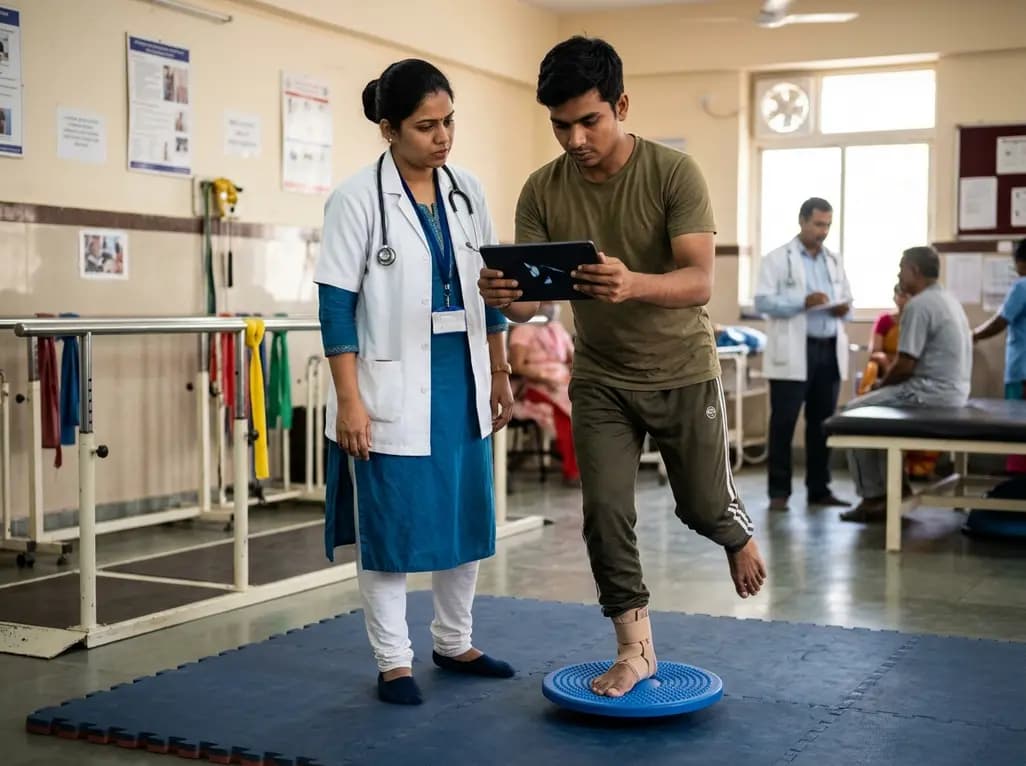
A randomized controlled trial demonstrates that an eight-week dual-task training intervention significantly improves static and dynamic postural control over standard balance exercises in individuals with chronic ankle instability, addressing critical neurocognitive deficits during athletic and daily activities.
Today
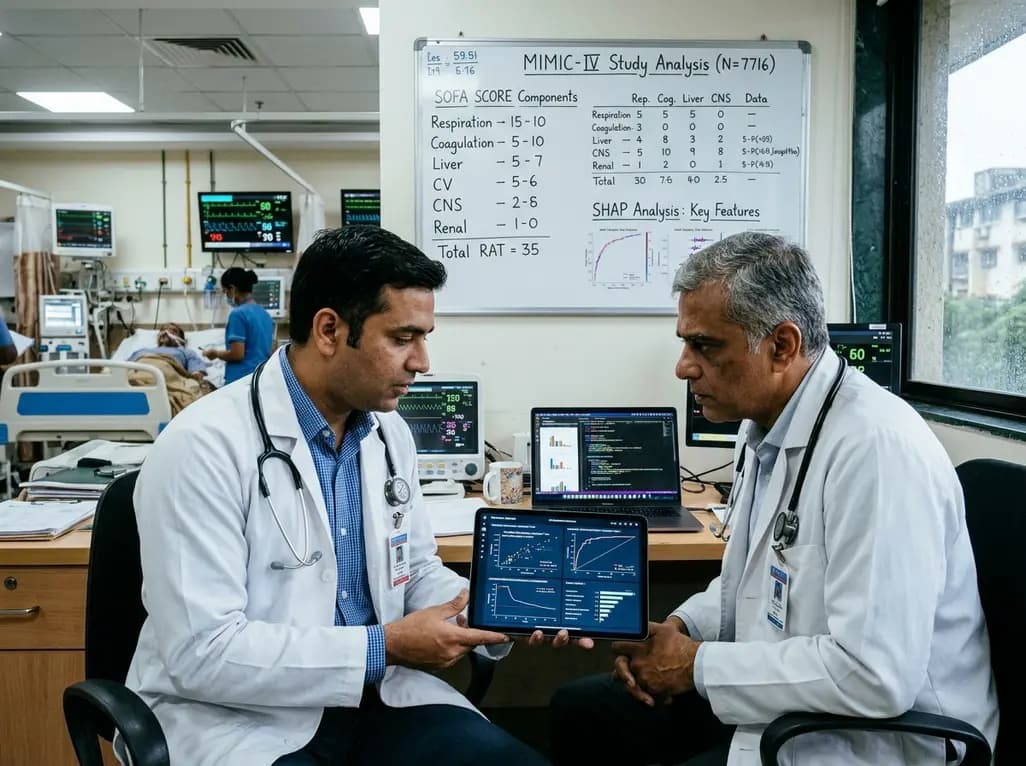
A retrospective cohort study of 7,716 ICU patients from the MIMIC-IV database demonstrates that Gradient Boosting Decision Trees significantly outperform traditional SOFA scores in predicting in-hospital mortality among patients with sepsis and diabetes, with SHAP analysis providing clinical interpretability.
Today
