

Loading, please wait...
Loading, please wait...

Chronic musculoskeletal discomfort frequently impairs functional capacity in rheumatologic disorders. In particular, neck pain in fibromyalgia represents a widespread yet frequently underappreciated clinical challenge for female patients. Fibromyalgia primarily causes widespread pain, fatigue, sleep disturbances, and sensory hyperreactivity. However, many clinicians overlook regional musculoskeletal complaints, such as persistent cervical discomfort. Cervical tension can significantly impair daily activities, head mobility, and emotional stability. Furthermore, emerging evidence highlights that regional muscular stiffness in the neck directly influences the complex vocal apparatus. Because extrinsic laryngeal muscles insert near cervical structures, chronic cervical tension frequently disrupts normal phonatory mechanics. Therefore, examining the relationship between cervical spine dysfunction and voice symptoms provides critical diagnostic insights. Healthcare providers must recognize this complex interaction during routine clinical visits. By evaluating both regional pain and phonatory quality, clinicians can better address patient complaints. Consequently, early identification of laryngeal and cervical symptoms prevents cumulative disability. Moreover, vocal impairment often creates substantial emotional distress. Understanding these combined morbidities enables physicians to design more comprehensive therapeutic strategies.
To characterize this relationship, investigators conducted a well-structured cross-sectional study at a tertiary referral center. The medical team enrolled consecutive adult female participants diagnosed with fibromyalgia between June 30, 2026, and July 30, 2026. Simultaneously, the researchers recruited a frequency-matched control cohort of fifty healthy females without chronic pain. The fibromyalgia group showed a mean age of 44.38 years, while the control group averaged 47.86 years. In addition, the investigators administered validated assessment tools to quantify both cervical disability and phonatory impairment. They evaluated cervical pain intensity using the Visual Analog Scale. Concurrently, the team measured cervical functional limitation through the Neck Disability Index. To assess vocal function, participants completed the Voice Handicap Index-10 along with a visual scale for hoarseness. Crucially, this rigorous comparative methodology ensured robust baseline comparisons between groups. Thus, the investigators effectively isolated the distinct burden of fibromyalgia from baseline population variance. The study design highlights how chronic central sensitization amplifies localized musculoskeletal dysfunction. Furthermore, the systematic inclusion criteria minimized selection bias across both clinical cohorts.
The comparative analysis revealed striking differences between female patients with fibromyalgia and healthy controls. Specifically, patients with fibromyalgia demonstrated significantly higher Neck Disability Index scores and cervical pain severity. In addition, the fibromyalgia cohort reported marked elevations in self-perceived voice handicap on the Voice Handicap Index-10. These patients also experienced greater hoarseness compared to the asymptomatic control participants. Most importantly, statistical analysis established a significant positive correlation between neck disability severity and perceived voice handicap. As cervical discomfort escalated, patients reported greater strain, reduced vocal endurance, and impaired vocal communication. Moreover, severe neck stiffness frequently co-occurred with noticeable pitch instability and throat fatigue during prolonged speech. In contrast, the control group maintained stable phonatory function and minimal cervical complaints throughout evaluation. These quantitative findings demonstrate that vocal compromise directly parallels musculoskeletal dysfunction in this clinical population. Consequently, clinicians cannot view dysphonia as an isolated otolaryngologic complaint in fibromyalgia patients. Instead, vocal handicap represents an integral component of generalized musculoskeletal exhaustion and cervical spine impairment.
Several biological mechanisms explain why cervical spine pathology triggers self-perceived vocal impairment. First, hypertonic anterior and posterior cervical musculature directly impacts extrinsic laryngeal mobility. Muscles such as the sternocleidomastoid, trapezius, and scalenes share intimate fascial and mechanical connections with the hyoid bone. When chronic myofascial trigger points develop, they elevate the laryngeal framework abnormally. Consequently, this persistent muscular tension prevents smooth vocal fold approximation and restricts natural vertical displacement during phonation. Furthermore, patients experience increased phonatory effort, vocal fatigue, and muscle tension dysphonia. In addition to biomechanical constraints, altered central pain processing plays a profound neurological role. Central sensitization in fibromyalgia amplifies afferent somatosensory signals across cranial and cervical dermatomes. Therefore, patients perceive ordinary vocal fatigue as severe functional limitation and physical discomfort. Moreover, generalized autonomic dysregulation can decrease laryngeal mucosal hydration, exacerbating mucosal friction during speech. Similarly, postural abnormalities from neck pain compromise respiratory support, reducing subglottic pressure needed for vocal clarity. Thus, complex neuromuscular and biomechanical interactions drive significant dysphonia in affected women.
Managing concomitant cervical pain and voice disorders demands an integrated, multidisciplinary therapeutic approach. Rheumatologists, otolaryngologists, physiotherapists, and speech-language pathologists must coordinate patient care effectively. Primarily, clinicians should incorporate rapid screening tools like the Voice Handicap Index-10 during standard rheumatology consultations. When patients present with severe cervical tenderness, physicians should actively screen for hoarseness, throat tightness, or voice weakness. Furthermore, targeted physical therapy can release hypertonic cervical muscles and restore cervical spine range of motion. Manual laryngeal therapy provides additional therapeutic benefit by decreasing extrinsic laryngeal muscle tension. Concurrently, specialized voice therapy teaches patients healthy vocal hygiene, diaphragmatic breathing techniques, and effortless phonation. Pharmacological interventions targeting central sensitization, such as duloxetine or pregabalin, may alleviate both widespread pain and muscular rigidity. Additionally, patient education regarding posture, hydration, and vocal rest remains paramount for long-term symptom relief. Hence, comprehensive interdisciplinary management addresses both structural tension and perceptual impairment. Ultimately, this coordinated strategy restores vocal function, reduces cervical disability, and enhances overall quality of life.
Persistent cervical pain causes hypertonicity in surrounding anterior and posterior neck musculature, directly impairing laryngeal mobility. In addition, the extrinsic laryngeal muscles share mechanical attachments with the cervical spine and hyoid bone. Consequently, excessive cervical muscle tension pulls the larynx upward, restricting normal vocal cord vibration during speech. Furthermore, altered central pain pathways amplify sensory discomfort, turning minor vocal fatigue into severe functional impairment for affected female patients.
Clinicians assess cervical disability using the validated Neck Disability Index alongside a Visual Analog Scale for pain intensity. Simultaneously, healthcare providers evaluate self-perceived vocal limitations using the Voice Handicap Index-10 and a hoarseness scale. Specifically, these self-administered questionnaires capture physical, functional, and emotional dimensions of impairment. Moreover, tracking these standardized metrics allows medical practitioners to quantify symptom burden objectively and monitor therapeutic progress across multidisciplinary care plans.
Optimal management requires collaborative treatment combining rheumatologic pharmacotherapy, specialized physical therapy, and voice therapy. In addition, physical therapists employ manual cervical traction and myofascial release to alleviate paraspinal muscle hypertonicity. Concurrently, speech-language pathologists guide patients through resonant voice exercises and diaphragmatic breathing techniques to eliminate phonatory strain. Furthermore, central neuromodulators, proper vocal hydration, and ergonomic posture modifications reduce chronic pain recurrence and significantly restore daily vocal endurance.
Disclaimer: This content is for informational and educational purposes only... Refer to the latest local and national guidelines for clinical practice.
References

Read summarized clinical updates, watch expert medical content, and earn CME certifications right from your smartphone.
Open your smartphone camera to scan and install.





A cross-sectional study in female patients with fibromyalgia demonstrates significant cervical disability and its strong positive correlation with self-perceived voice handicap, emphasizing the necessity of multidisciplinary evaluation linking rheumatology, otolaryngology, and physical therapy.
Today

A new quality-improvement initiative reveals that universal maternal mental health screening in the NICU increased screening rates from 29.5% to 95.0%, with nearly 60% of screened mothers requiring psychosocial referrals, highlighting the urgent need for embedded mental health resources.
Today
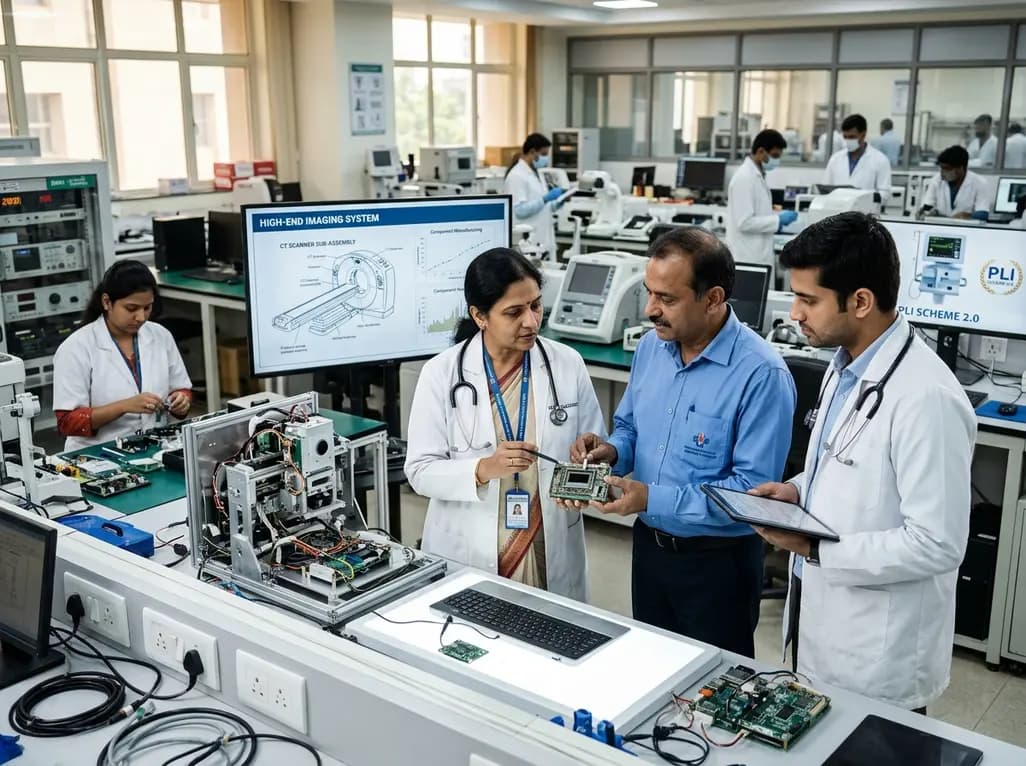
The Department of Pharmaceuticals has extended the medical devices PLI scheme to 2035-36 with a Rs 2,700 crore outlay. Featuring relaxed investment barriers and eliminated sales thresholds, the revised framework targets deep manufacturing, high-end diagnostics, critical MedTech components, and supply resilience.
Today

A metabolomic study reveals that aging delays glutathione synthesis and gamma-glutamylcysteine accumulation following muscle injury. Although precursor supplementation targets this enzymatic bottleneck, in vitro tests show no immediate effect on myogenesis, highlighting the complexity of muscle repair in older adults.
Today

A systematic review evaluates psychological interventions for smoking cessation in diabetes, showing short-term success but highlighting challenges in long-term abstinence.
Today
