

Loading, please wait...
Loading, please wait...
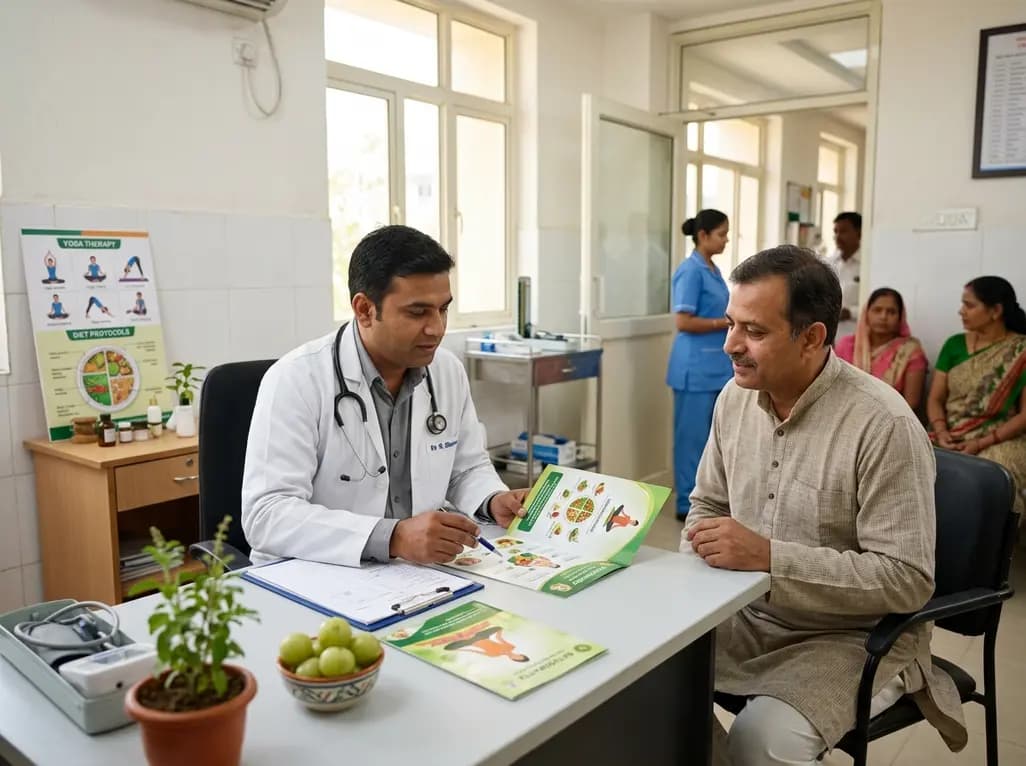
Modern medical systems increasingly recognize the vital role of non-pharmacological strategies in managing chronic disease burdens. Consequently, the adoption of naturopathy in preventive healthcare has emerged as a compelling adjunct to standard primary care. Recent announcements from the Ayush Ministry emphasize how structured lifestyle interventions can transform diverse patient outcomes. Therefore, physicians must critically evaluate how these nature-based modalities align with evidence-based metabolic management.
Recently, national healthcare leadership reaffirmed the necessity of embedding lifestyle medicine into public health strategies. Specifically, Union Minister Prataprao Jadhav emphasized this priority during the 9th Naturopathy Day celebrations. He stressed that sustainable public health requires strong preventive models alongside conventional clinical facilities. Furthermore, the national celebration highlighted ongoing collaborations between research councils and premier institutes. Ayush Secretary Vaidya Rajesh Kotecha also underscored that empirical validation must steer traditional systems. Consequently, specialized facilities like the Central Research Institute of Yoga and Naturopathy are expanding regional care. Local leaders, including Karnataka Minister N Cheluvarayaswamy, highlighted the necessity of accessible community services. In addition, health authorities seek to address lifestyle disorders such as obesity through targeted clinical outreach. Thus, institutional support is actively bridging traditional wellness and modern clinical delivery. As a result, primary care practitioners can anticipate greater public interest in lifestyle therapies. Moreover, these national initiatives provide physicians with validated frameworks for patient education. Ultimately, this coordinated policy push ensures that holistic therapies meet rigorous medical safety standards.
Scientific exploration remains fundamental to validating alternative therapeutic protocols in modern clinical settings. Therefore, researchers are actively generating robust clinical data to demonstrate measurable physiological improvements. Notably, the unveiling of the ReGEN-Beta trial highlights this decisive shift toward structured clinical investigations. This clinical trial specifically evaluates lifestyle and naturopathic interventions in individuals diagnosed with Type 2 diabetes. Furthermore, early findings from lifestyle studies demonstrate that focused dietary modifications improve glycemic indices significantly. Patients who reduce refined carbohydrates and adopt plant-rich diets show notable reductions in glycated hemoglobin levels. In addition, regular therapeutic fasting and hydrotherapy sessions appear to enhance peripheral insulin sensitivity over time. Clinical trials also record meaningful improvements in blood pressure and lipid fractions among compliant cohorts. Accordingly, practitioners of modern medicine can review these outcomes through credible peer-reviewed releases. However, natural therapies must never entirely replace necessary pharmacological interventions during acute metabolic crises. Instead, clinicians should view these therapies as synergistic measures that optimize long-term patient self-management. Thus, evidence-based lifestyle modification provides patients with practical tools to achieve metabolic stability.
Metabolic syndrome presents a major clinical challenge across modern outpatient practices in India. Consequently, integrating non-pharmacological lifestyle counseling into standard diabetes management has become essential. The ReGEN-Beta trial provides valuable guidance for clinicians treating patients with early insulin resistance. For instance, structured meal timing and whole-food nutritional regimens help blunt postprandial glucose excursions. Moreover, routine physical activity and guided yogic postures improve cellular glucose uptake without adverse effects. Many clinical trials confirm that consistent lifestyle therapy can induce durable diabetes remission in selected individuals. However, clinicians must distinguish between temporary glycemic control and permanent disease reversal. Therefore, medical supervision remains paramount when patients initiate comprehensive lifestyle modifications. In addition, practitioners should monitor serum glucose regularly to adjust conventional medications safely. Naturopathic clinics also emphasize chronic stress reduction as a vital metabolic intervention. Because psychological stress elevates systemic cortisol, mindfulness practices offer direct biochemical benefits. Hence, addressing neuroendocrine stress pathways through nature-based therapies substantially enhances standard diabetes regimens. Ultimately, multi-modal lifestyle interventions empower patients to regain physiological equilibrium under careful supervision.
Effective disease prevention depends heavily on sustained community education and accessible health resources. Accordingly, institutional bodies have introduced comprehensive educational guides to foster sustainable daily wellness habits. During the recent celebrations, the National Institute of Naturopathy released informative works like Nature Cure 360. These manuals emphasize practical dietary modifications and home-based wellness routines for family units. Furthermore, public health exhibitions and medicinal plant drives encourage citizens to build healthier domestic environments. When patients cultivate medicinal plants, they develop greater appreciation for natural wellness principles. Similarly, interactive food fairs educate urban families on whole grains, unprocessed foods, and seasonal nutrition. Clinicians frequently note that poor nutritional literacy severely impairs compliance with therapeutic regimens. Therefore, clear visual guides and practical community demonstrations fill an urgent educational void. In addition, these publications encourage individuals to view health maintenance as a continuous personal responsibility. When communities embrace active living and clean dietary habits, overall healthcare expenditure drops significantly. Thus, preventive initiatives relieve mounting pressures on overcrowded secondary and tertiary hospital wards. Modern practitioners can confidently recommend these community educational resources to reinforce clinic-based counseling.
Physicians must navigate complementary healthcare modalities with rigorous scientific scrutiny and balanced clinical judgment. First, clinicians should identify patients who will benefit most safely from lifestyle and naturopathic protocols. Patients with early hypertension, prediabetes, or mild metabolic dysregulation often experience substantial clinical improvements. However, practitioners must ensure that patients do not abruptly abandon prescribed pharmaceutical regimens. Unsupervised discontinuation of essential medications can precipitate severe hyperglycemic hyperosmolar states or hypertensive crises. Consequently, doctors must maintain transparent communication regarding the adjunctive nature of natural therapies. Furthermore, interprofessional collaboration between conventional doctors and registered AYUSH practitioners optimizes patient safety. Clinicians can actively track biomarker changes, including lipid panels, renal function, and HbA1c values. In addition, doctors should warn patients against fraudulent cure claims circulating across social media channels. Certified institutions like the Central Council for Research in Yoga and Naturopathy provide reliable clinical evidence. Therefore, medical providers can guide patients toward verified treatment centers and validated lifestyle protocols. By adopting this balanced perspective, clinicians safeguard patient well-being while embracing therapeutic lifestyle modifications. In conclusion, evidence-informed integrative approaches offer a promising pathway toward reducing India's chronic disease burden.
Q1: How does naturopathy support preventive healthcare in clinical practice?
Naturopathy emphasizes evidence-informed lifestyle modifications, including whole-food nutrition, physical movement, and stress reduction therapies. These non-invasive modalities enhance metabolic health, reduce chronic systemic inflammation, and improve vascular function. Furthermore, they empower patients to take active ownership of their daily wellbeing. Consequently, when clinicians integrate these habits alongside standard preventive guidance, patients demonstrate improved long-term compliance. This comprehensive strategy significantly curtails the incidence of preventable non-communicable diseases.
Q2: What is the clinical significance of the ReGEN-Beta trial for diabetes?
The ReGEN-Beta trial represents a critical effort by research institutions to evaluate naturopathic lifestyle interventions scientifically. Specifically, this trial studies the impact of structured dietary modifications, yoga, and natural therapies on glycemic regulation. By providing measurable clinical outcomes, the study helps bridge traditional practices with modern evidence-based medicine. Therefore, physicians gain valuable data regarding how adjunctive lifestyle therapies improve insulin sensitivity safely. Such clinical data fosters greater interdisciplinary trust and informed clinical referrals.
Q3: Can naturopathic therapies replace standard pharmaceutical treatments for chronic diseases?
No, naturopathic therapies should never abruptly replace prescribed pharmaceuticals for chronic disorders like hypertension or diabetes. Instead, nature-based modalities function best as adjunctive therapies that enhance lifestyle and optimize metabolic function. Abrupt cessation of standard medications can cause dangerous clinical complications. Therefore, patients must always consult their treating physicians before making therapeutic adjustments. Clinicians can then safely titrate medications as metabolic parameters improve under supervised care. Accordingly, patient safety requires structured medical oversight throughout the lifestyle transition.
Disclaimer: This content is for informational and educational purposes only. It does not constitute medical advice or replace professional judgment. Refer to the latest local and national guidelines for clinical practice.
References

Read summarized clinical updates, watch expert medical content, and earn CME certifications right from your smartphone.
Open your smartphone camera to scan and install.





As non-communicable diseases surge, India is prioritizing non-pharmacological interventions. Recent national health initiatives highlight structured dietary protocols, yoga therapies, and clinical trials like ReGEN-Beta to complement standard medical treatments for metabolic and lifestyle-related disorders.
Today
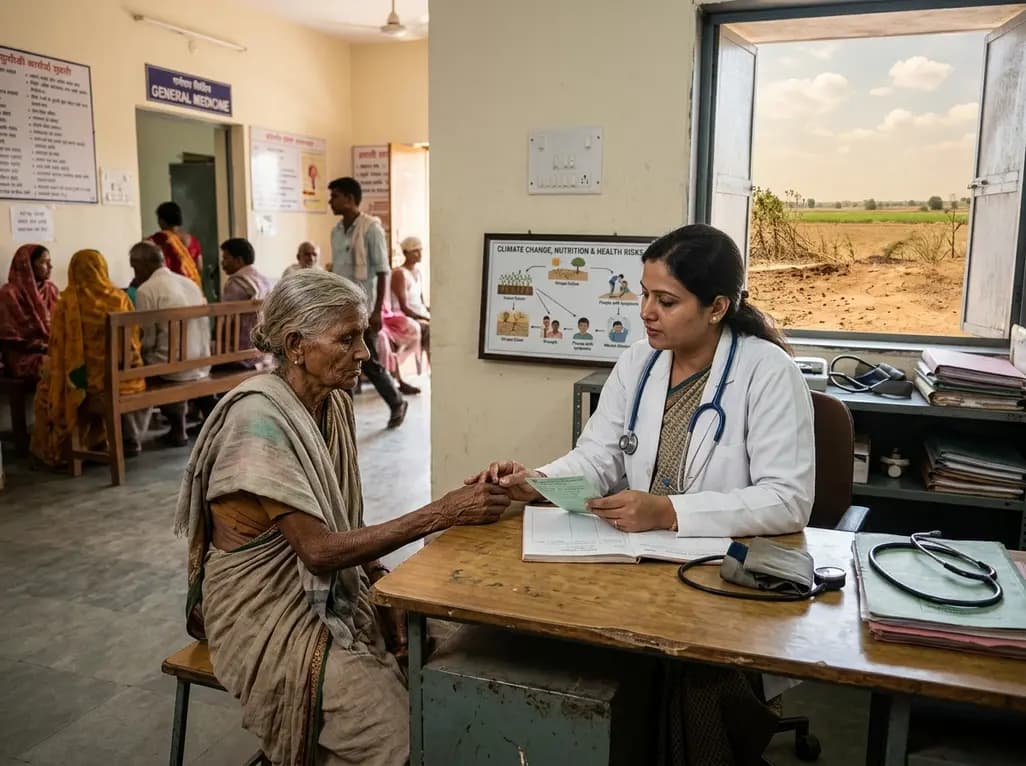
Climate change disrupts global food supply and nutritional security, driving undernutrition alongside obesity, metabolic disorders, and mental distress. Healthcare providers must adopt a One Health approach and screen vulnerable populations, especially older adults, to mitigate cascading clinical risks.
Today

A large cohort study demonstrates that fetal growth restriction in a first pregnancy raises maternal cardiovascular risk within five years postpartum, including elevated rates of heart failure, stroke, and myocardial infarction. Clinicians must initiate proactive postpartum screening and cardiovascular prevention.
Today

An NHANES analysis reveals that meeting 24-hour movement guidelines significantly lowers the odds of cardiovascular disease, obesity, hypertension, and diabetes among adults with disabilities, emphasizing the power of combined physical activity, sleep, and limited sedentary time.
Today

A paired cadaveric study compared triple and quintuple percutaneous Achilles tendon lengthening. While quintuple hemisection showed numerically greater elongation, differences were not statistically significant.
Today
