

Loading, please wait...
Loading, please wait...
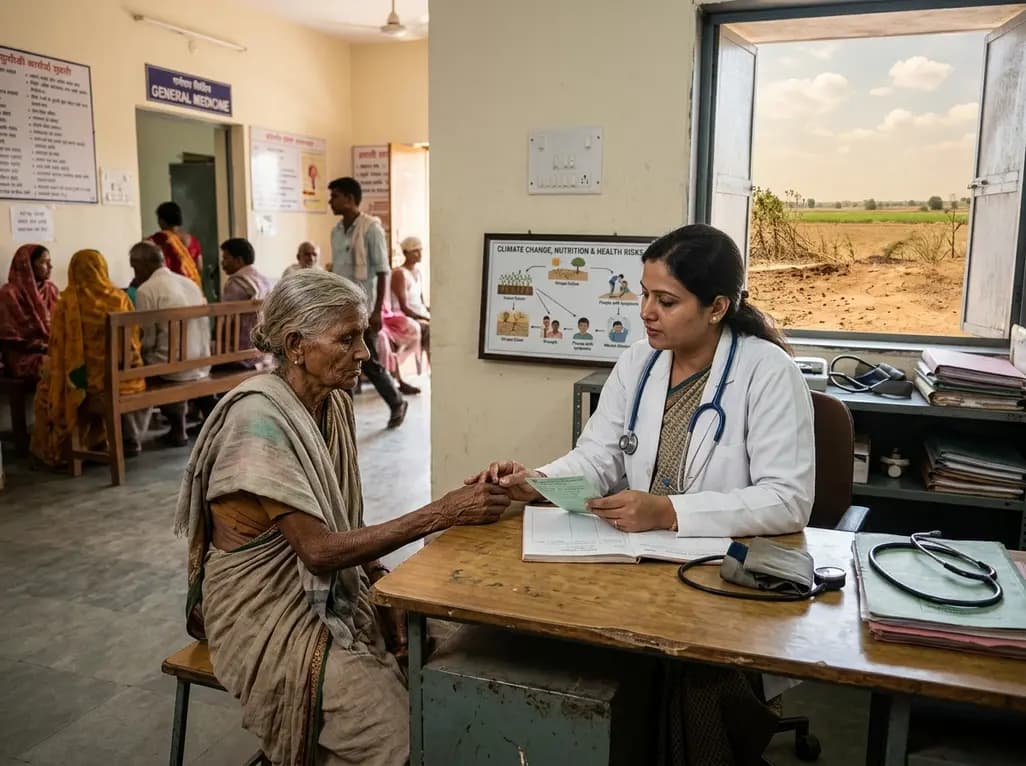
Rapid climate shifts represent an escalating challenge to human health, agricultural systems, and clinical wellbeing across the globe. Consequently, safeguarding long-term nutritional security has emerged as a paramount priority for healthcare practitioners and policymakers alike. Environmental volatility diminishes crop yields, disrupts supply logistics, and undermines food composition. Therefore, clinicians must understand these systemic pressures to manage emerging nutritional deficiencies, metabolic diseases, and vulnerable patient populations effectively.
Climate instability disrupts food systems through direct ecological stress and indirect economic mechanisms. Rising ambient temperatures and altered precipitation patterns diminish agricultural outputs across staple crops. Furthermore, higher atmospheric carbon dioxide levels reduce the concentration of essential micronutrients, particularly iron and zinc, in wheat, rice, and legumes. As a result, communities face silent micronutrient depletion despite consuming adequate caloric volume.
Simultaneously, extreme weather shocks impair critical distribution pipelines and storage infrastructure. Floods, severe droughts, and marine heatwaves compromise livestock productivity, dairy production, and coastal fisheries. Consequently, regional markets experience frequent price spikes and product scarcity. Low-income households subsequently replace diverse, wholesome produce with inexpensive, ultra-processed, calorie-dense foods. Thus, environmental disruptions trigger a cascade that directly erodes dietary quality and accelerates nutritional vulnerability across vulnerable populations.
Historically, clinicians viewed food insecurity primarily as an antecedent to severe undernutrition and wasting. However, contemporary epidemiological data demonstrate a more complex reality known as the double burden of malnutrition. Food-insecure populations now concurrently experience high rates of undernutrition alongside escalating burdens of obesity and cardiometabolic syndrome. Therefore, physicians frequently encounter patients who exhibit clinical obesity accompanied by profound micronutrient impoverishment.
This paradox emerges because energy-dense, highly processed carbohydrates represent the cheapest source of calories during agricultural shortfalls. Consequently, families facing economic instability consume refined grains, saturated fats, and added sugars rather than nutrient-rich fresh vegetables. In addition, chronic nutritional insecurity induces sustained physiological stress and systemic neuroendocrine activation. Prolonged elevations in cortisol promote visceral adiposity, peripheral insulin resistance, and atherogenic dyslipidemia. As a result, vulnerable demographics suffer accelerated rates of type 2 diabetes, hypertension, and adverse cardiovascular events.
Although climate volatility impacts all demographic segments, older adults exhibit pronounced physiological and functional vulnerabilities. Aging impairs homeostatic thermoregulation, thirst perception, and baseline metabolic reserve. Consequently, exposure to extreme heatwaves and sudden weather variations increases dehydration risk and acute hospitalizations among elderly cohorts. Furthermore, climate-induced spikes in food prices disproportionately strain seniors who rely on fixed pensions or limited family support.
In addition, inadequate protein and micronutrient intake accelerates sarcopenia, progressive frailty, and osteoporotic fractures in geriatric patients. When households ration food during supply shortages, older family members often reduce dietary diversity first. Chronic subclinical undernutrition subsequently impairs cell-mediated immunity and delays wound healing. Moreover, underlying cognitive decline or physical disability hampers an older individual's capacity to access alternative food supplies during local disruptions. Therefore, physicians caring for elderly individuals must routinely screen for subtle dietary deficiencies, social isolation, and compromised nutritional reserves.
Food system disruptions exert extensive downstream consequences on chronic non-communicable diseases and psychiatric wellbeing. Inconsistent food access destabilizes glycemic control in diabetic patients because fluctuating meal patterns preclude stable pharmacotherapy regimens. Furthermore, erratic consumption of ultra-processed rations elevates systemic inflammation, endothelial dysfunction, and vascular stiffness. Consequently, clinicians observe higher incidences of hypertensive emergencies and renal complications in regions experiencing acute food stress.
Beyond metabolic disturbances, nutritional insecurity severely impacts mental health across diverse community settings. Persistent uncertainty regarding daily sustenance triggers profound psychosocial distress, anxiety disorders, and major depression. In addition, nutritional deficiencies in omega-3 fatty acids, folate, and B-complex vitamins exacerbate mood destabilization by impairing central neurotransmitter synthesis. Moreover, severe climate disasters provoke widespread displacement and collective trauma, which disrupt established community support networks. Hence, medical practitioners must integrate psychological evaluation into routine nutritional assessments when managing patients from vulnerable, climate-impacted environments.
Addressing these multifaceted challenges requires moving beyond conventional disease-centric models toward an integrated One Health framework. This holistic paradigm emphasizes that human health remains deeply interconnected with animal welfare and planetary ecosystems. For instance, soil degradation, overgrazing, and water contamination diminish agricultural nutrient yields while propagating antimicrobial resistance and zoonotic pathogens. Therefore, primary care physicians, dietitians, and public health professionals must coordinate their interventions across environmental and clinical sectors.
Practitioners can apply One Health principles by actively promoting sustainable, plant-rich dietary patterns within their daily consultations. Recommending seasonal, locally sourced produce reduces ecological carbon footprints while improving cardiometabolic risk profiles. Furthermore, clinical teams should collaborate with community agricultural programs, municipal food banks, and social welfare departments. In addition, healthcare facilities must establish early surveillance protocols to detect localized nutrient deficiencies before severe metabolic decompensation occurs. Ultimately, cross-sectoral collaboration protects vulnerable populations, supports ecological resilience, and reinforces sustainable healthcare delivery systems.
Elevated atmospheric carbon dioxide concentrations stimulate rapid vegetative growth in crops like wheat, rice, and barley while diluting essential mineral density. Consequently, harvested grains contain significantly lower amounts of zinc, iron, and bioavailable protein. In addition, recurrent droughts and soil degradation impair plant root uptake of vital micronutrients. As a result, populations consuming typical carbohydrate-heavy diets face higher risks of micronutrient deficiencies, anemia, and impaired cellular immune function.
Food insecurity compels economically constrained families to purchase inexpensive, shelf-stable items that offer high caloric density but poor nutritional value. Consequently, affected individuals frequently consume ultra-processed foods rich in refined starches, saturated fats, and high-fructose syrups. Furthermore, chronic stress from food scarcity elevates circulating cortisol levels, which promotes visceral adipose deposition and insulin resistance. Therefore, patients experience obesity and metabolic disorders despite suffering significant underlying micronutrient deprivation.
Primary care physicians should routinely incorporate validated two-item food insecurity screening questions during regular patient intakes. In addition, clinicians must evaluate dietary diversity, recent unexplained weight loss, and serum micronutrient markers, including ferritin and vitamin B12. When vulnerabilities appear, providers can offer tailored dietary guidance emphasizing affordable plant proteins and locally accessible vegetables. Furthermore, connecting vulnerable patients with community food assistance programs and social support organizations significantly optimizes long-term health outcomes.
Disclaimer: This content is for informational and educational purposes only... Refer to the latest local and national guidelines for clinical practice.
References

Read summarized clinical updates, watch expert medical content, and earn CME certifications right from your smartphone.
Open your smartphone camera to scan and install.





Climate change disrupts global food supply and nutritional security, driving undernutrition alongside obesity, metabolic disorders, and mental distress. Healthcare providers must adopt a One Health approach and screen vulnerable populations, especially older adults, to mitigate cascading clinical risks.
Today

A large cohort study demonstrates that fetal growth restriction in a first pregnancy raises maternal cardiovascular risk within five years postpartum, including elevated rates of heart failure, stroke, and myocardial infarction. Clinicians must initiate proactive postpartum screening and cardiovascular prevention.
Today

An NHANES analysis reveals that meeting 24-hour movement guidelines significantly lowers the odds of cardiovascular disease, obesity, hypertension, and diabetes among adults with disabilities, emphasizing the power of combined physical activity, sleep, and limited sedentary time.
Today

A paired cadaveric study compared triple and quintuple percutaneous Achilles tendon lengthening. While quintuple hemisection showed numerically greater elongation, differences were not statistically significant.
Today

As non-communicable diseases surge, India is prioritizing non-pharmacological interventions. Recent national health initiatives highlight structured dietary protocols, yoga therapies, and clinical trials like ReGEN-Beta to complement standard medical treatments for metabolic and lifestyle-related disorders.
Today
