

Loading, please wait...
Loading, please wait...
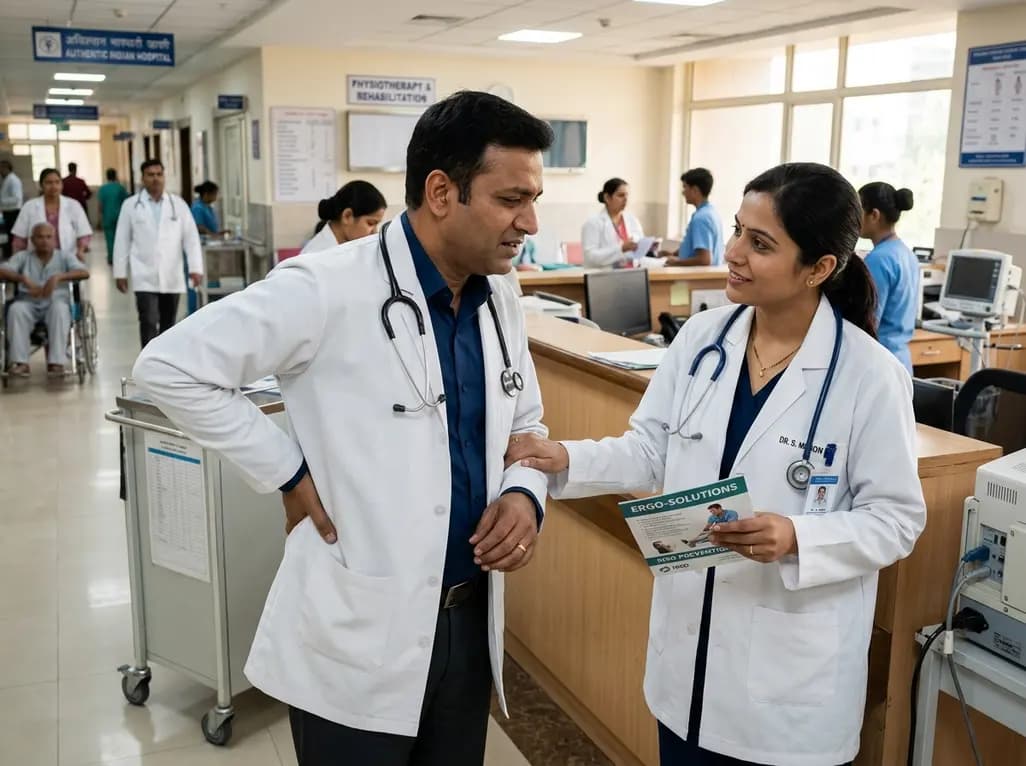
Healthcare professionals face demanding clinical environments that challenge both physical stamina and emotional resilience. Consequently, musculoskeletal disorders in healthcare have emerged as a significant threat to workforce retention and clinical performance. Clinicians routinely perform repetitive tasks, sustain awkward static postures, and maneuver heavy physical loads during patient transfers. Moreover, contemporary clinical practice introduces profound psychosocial stressors, including relentless time pressures, emotional distress, and staffing shortages. Furthermore, recent evidence indicates that pain coping mechanisms strongly influence how these physical and mental challenges manifest as symptomatic disease. Understanding this complex interplay enables healthcare administrators and clinicians to develop proactive, multidisciplinary occupational health frameworks.
Clinical environments inevitably expose medical staff to sustained biomechanical stressors during daily patient care activities. For instance, surgical teams, interventional cardiologists, and bedside nurses regularly operate in awkward, non-neutral postures for prolonged intervals. In addition, healthcare personnel frequently handle dependent patients, transport heavy diagnostic equipment, and execute forceful manual manipulations. These physical demands exert cumulative mechanical stress on spinal discs, facet joints, tendons, and surrounding soft tissues. Consequently, vulnerable tissues suffer microscopic microtrauma that gradually outpaces the natural physiological repair mechanisms of the human body. Furthermore, inadequate rest intervals between arduous shifts prevent cellular recovery, which accelerates tissue fatigue and structural breakdown. Prolonged static standing during extended procedures similarly increases hydrostatic pressure and muscle tension across the lumbo-pelvic region. In contrast to standard office settings, hospital emergencies often require sudden physical exertion without warm-up. Therefore, repetitive lifting combined with static postures establishes a hazardous physical baseline. When healthcare organizations fail to provide ergonomic lifting aids, clinical staff experience elevated rates of spinal disorders. Addressing these mechanical vulnerabilities requires ergonomic redesign, mechanical lifting aids, and structured physical conditioning.
While physical strain directly damages connective tissues, psychosocial workplace hazards play an equally prominent role in symptom manifestation. Healthcare workers frequently confront severe emotional labor, strict productivity targets, understaffing, and organizational conflict. Consequently, persistent cognitive distress stimulates the sympathetic nervous system and activates the hypothalamic-pituitary-adrenal axis. This sustained neuroendocrine activation elevates circulating cortisol and inflammatory cytokines, which markedly lowers pain thresholds. Moreover, ongoing psychological tension triggers involuntary skeletal muscle contractions, particularly across the cervical and upper trapezius areas. Therefore, clinicians experiencing chronic workplace distress report heightened muscular stiffness and localized tenderness without overt physical injury. Furthermore, low decision latitude and deficient administrative support exacerbate feelings of professional helplessness. In addition, unaddressed workplace stress disrupts sleep architecture, impairing nocturnal muscle regeneration and central pain filtering pathways. When hospital culture stigmatizes vulnerability, healthcare workers suppress their mental exhaustion, compounding their musculoskeletal vulnerabilities. Thus, psychosocial strain acts not merely as an incidental cofactor, but as an active amplifier of physical pain.
Individual cognitive and behavioral responses dictate how healthcare workers process physical discomfort and heavy occupational demands. Pain coping mechanisms encompass both active and passive approaches, which yield markedly different clinical outcomes over time. For example, active coping strategies involve problem-solving, structured physical conditioning, ergonomic self-regulation, and constructive cognitive reframing. Clinicians who employ active coping maintain functional autonomy, preserve mobility, and avoid debilitating fear-avoidance behaviors. In contrast, passive coping strategies rely on catastrophizing, behavioral withdrawal, excessive rest, and externalized dependence on analgesics. Consequently, passive copers often experience amplified central sensitization and progressive functional decline. Clinical research highlights that pain coping strategies act as powerful moderators in the link between workplace exposures and chronic symptoms. Specifically, healthcare workers using maladaptive coping report amplified pain severity when exposed to identical ergonomic or psychosocial burdens. However, individuals equipped with resilient coping techniques tolerate comparable occupational loads without developing disabling pathology. Therefore, coping styles constitute an essential target for occupational health physicians seeking to prevent long-term clinical disability.
Successfully addressing musculoskeletal disorders in healthcare environments requires a comprehensive, multi-tiered institutional strategy. First, healthcare facilities must implement participatory ergonomics, enabling frontline staff to evaluate equipment design and redesign bedside workflows. For example, deploying motorized ceiling hoists, pneumatic transfer mattresses, and height-adjustable surgical tables drastically reduces manual lifting loads. Furthermore, administrative leaders must optimize shift scheduling and enforce mandatory rest pauses to prevent neuromuscular exhaustion. In addition to physical adjustments, hospital leadership should cultivate a psychologically supportive organizational culture. Encouraging open communication regarding workplace stressors directly reduces occupational strain and emotional exhaustion. Similarly, institutions should establish accessible occupational health services that offer confidential counseling and stress management training. Physical therapy teams can conduct routine ergonomic evaluations across operating theatres, intensive care units, and outpatient wards. Moreover, hospitals can sponsor onsite wellness initiatives, including targeted resistance training, core stabilization workshops, and restorative stretching sessions. Ultimately, combining mechanical improvements with organizational empathy protects dedicated clinical professionals from preventable occupational injuries.
When healthcare workers develop persistent musculoskeletal symptoms, clinical management must embrace a thorough biopsychosocial rehabilitation paradigm. Traditional biomedical approaches, such as relying solely on passive electrotherapy, prolonged rest, and analgesics, frequently fail long-term. Instead, occupational health clinicians must combine targeted physical therapy with cognitive behavioral interventions. Supervised exercise regimens focused on scapular stabilization, spinal extensor strengthening, and postural endurance restore muscular balance. Additionally, physical therapists should integrate functional capacity training that directly mirrors daily clinical tasks. Concurrently, cognitive behavioral therapy helps clinicians dismantle pain catastrophizing, unhelpful beliefs, and movement-related kinesiophobia. Practitioners learn active relaxation techniques, mindfulness-based stress reduction, and structured self-pacing methods for challenging clinical shifts. Furthermore, conservative pharmacological interventions, such as short-term nonsteroidal anti-inflammatory agents or topical modalities, provide acute symptomatic relief while active rehabilitation proceeds. Workplace reintegration plans must incorporate temporary duty modifications, such as lighter shifts or rotated procedural duties. Ultimately, integrating physical restoration with psychological empowerment produces durable functional recovery among dedicated healthcare professionals.
Healthcare workers most frequently experience low back pain, cervical spine dysfunction, shoulder impingement, and wrist tendinopathies. Prolonged static standing during surgical interventions and bedside procedures leads to persistent neck and shoulder strain. Meanwhile, manual patient transfers and repetitive bending impose extreme biomechanical forces on lumbar discs. Without timely ergonomic adjustments and restorative exercises, these conditions often progress from transient discomfort into chronic occupational disability.
Maladaptive coping strategies, particularly pain catastrophizing and fear-avoidance behavior, amplify the central nervous system's perception of pain. When healthcare workers anticipate severe injury from routine movement, they restrict physical activity, leading to muscular deconditioning and joint stiffness. Furthermore, chronic worry and helplessness sustain elevated sympathetic nervous system arousal and muscle tension. Consequently, identical physical workloads produce significantly higher perceived discomfort and faster functional deterioration over time.
Healthcare workers can immediately adopt neutral spinal alignment, adjust workstation and bed heights before patient handling, and utilize mechanical slide sheets. Additionally, taking structured micro-breaks every thirty minutes to perform reverse postural stretches alleviates sustained isometric muscle contractions. Distributing weight evenly between both feet, avoiding lumbar twisting during heavy lifts, and sharing physical transfer tasks with colleagues further mitigate acute biomechanical strain effectively.
Disclaimer: This content is for informational and educational purposes only and is not intended as medical advice. Healthcare professionals should exercise their independent clinical judgment. Refer to the latest local and national guidelines for clinical practice.
References

Read summarized clinical updates, watch expert medical content, and earn CME certifications right from your smartphone.
Open your smartphone camera to scan and install.





Discover how pain coping strategies moderate the impact of physical and psychosocial stress on musculoskeletal disorders in healthcare workers, highlighting biopsychosocial interventions and ergonomic solutions.
Today
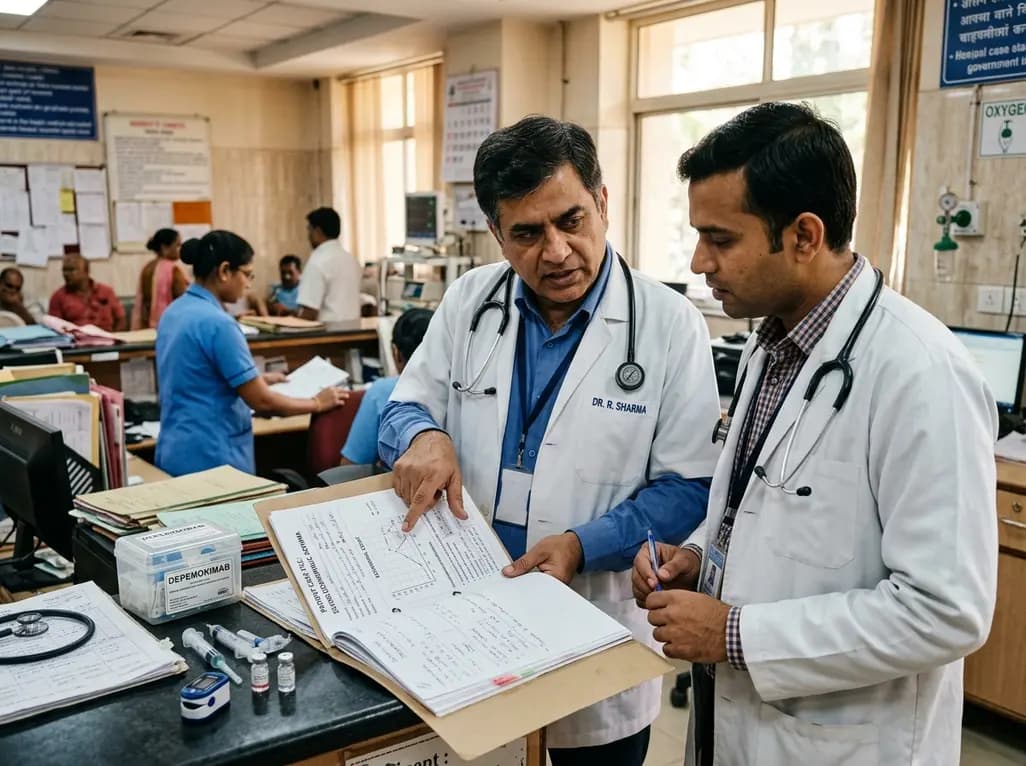
Depemokimab offers twice-yearly dosing for severe eosinophilic asthma and chronic rhinosinusitis with nasal polyps, significantly cutting exacerbations and hospital admissions.
Today
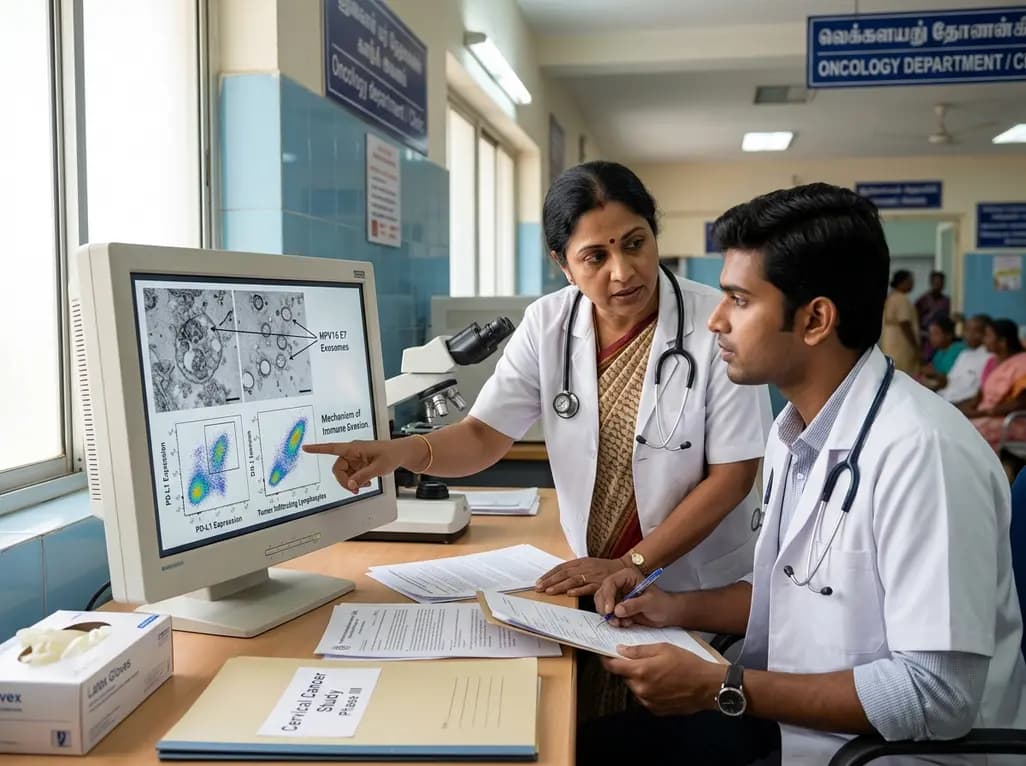
New research reveals that HPV16 E7 exosomes significantly upregulate PD-L1 on tumor-infiltrating lymphocytes in cervical cancer, driving local immune suppression and correlating with poorer patient survival. These findings expose key mechanisms of immune evasion with direct relevance to checkpoint blockade therapies.
Today
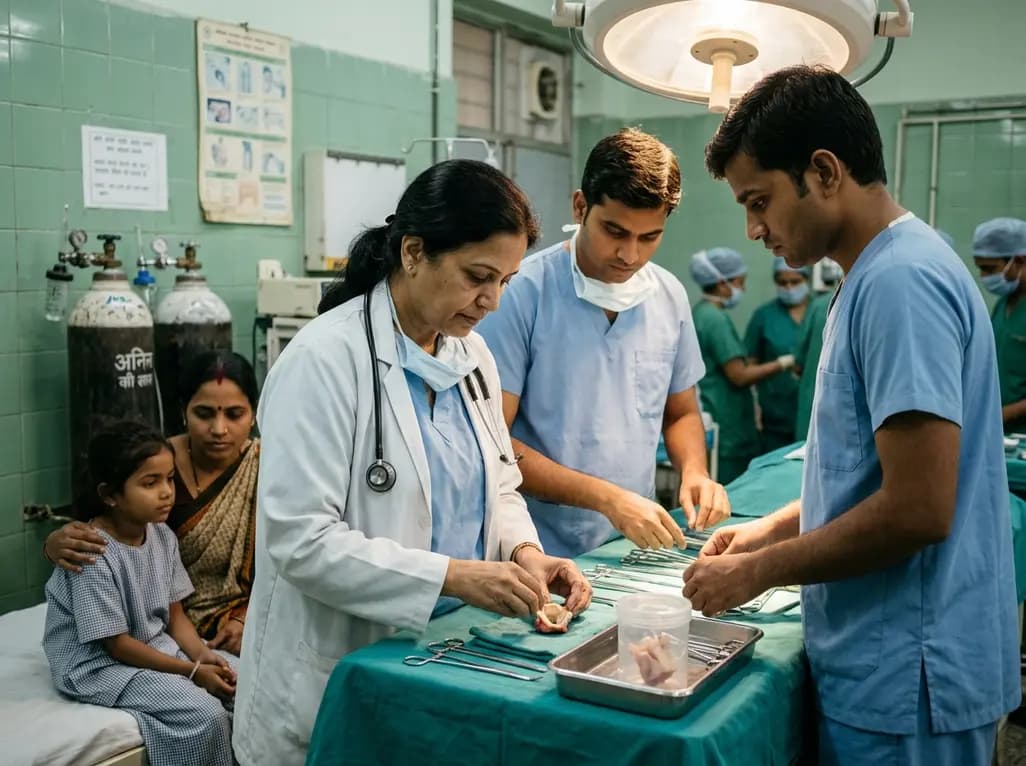
Partial heart transplantation offers living, growth-capable cardiac valve replacements for children. While orthotopic heart transplantation faces severe logistical barriers in low-resource settings, partial transplantation presents lower graft ischemia sensitivity and simplified immunosuppression protocols.
Today
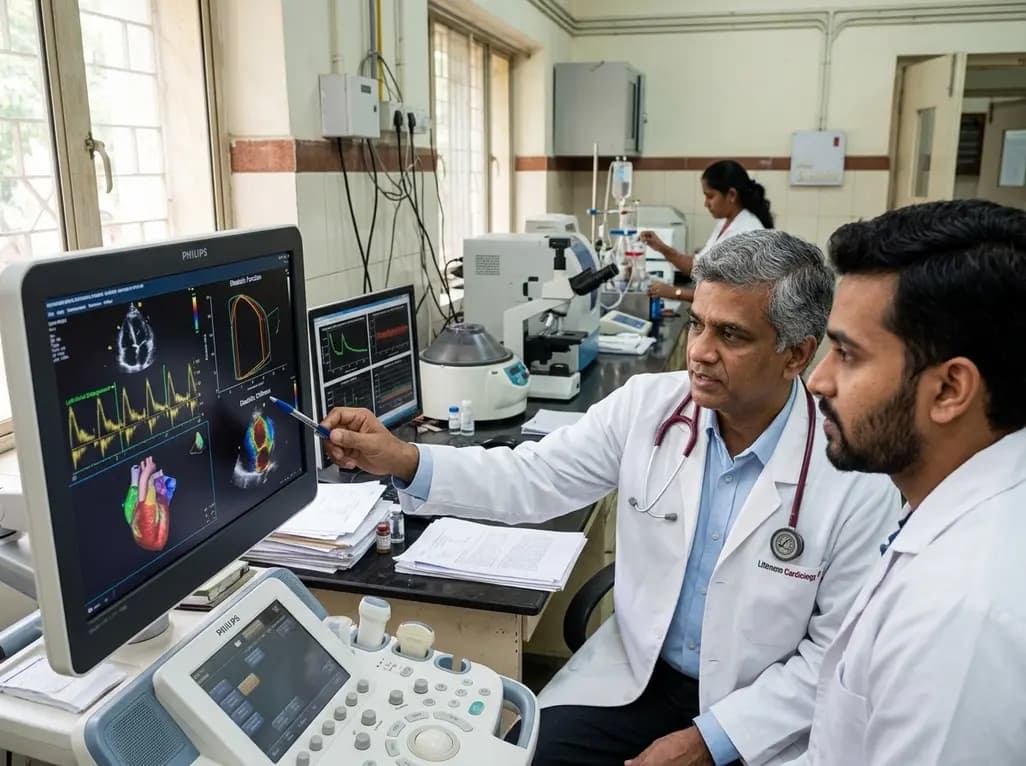
A study evaluates a cardiometabolic HFpEF model combining metabolic stress with chronic mineralocorticoid excess. The findings reveal profound diastolic stiffness, endothelial dysfunction, and pulmonary hypertension, illuminating key pathophysiological mechanisms for targeted cardiopulmonary therapies.
Today
