.webp&w=384&q=75)

Loading, please wait...
Loading, please wait...

Screening for degenerative temporomandibular joint (TMJ) disease traditionally requires expensive three-dimensional scans like cone-beam computed tomography (CBCT). However, a recent study introduces a multimodal deep learning approach that simplifies TMJ disease screening using standard 2D radiographs. Specifically, researchers developed a model that leverages panoramic radiographs and lateral cephalograms to identify condylar abnormalities. This shift toward two-dimensional imaging could significantly reduce costs and radiation exposure for patients worldwide.
The research team utilized the YOLOv8 architecture to localize mandibular condyles with nearly perfect accuracy. Furthermore, the model incorporated EfficientNetV2 networks to extract intricate features from the imaging data. Additionally, the system fused these visual features with patient demographic data, such as age and sex, to enhance classification performance. Consequently, the multimodal framework achieved an impressive Area Under the Curve (AUC) of 0.898, proving its reliability for clinical applications. Notably, combining both 2D modalities significantly improved performance compared to using panoramic images alone.
This approach offers a cost-effective and low-radiation alternative for dental clinics lacking advanced 3D imaging equipment. Therefore, this tool could serve as a vital triage mechanism for orthodontic and general dental patients. Specifically, clinicians can use these ubiquitous radiographs to identify high-risk individuals who require further specialized care. In summary, multimodal AI represents a major step forward in making accessible dental diagnostics a reality in daily practice.
The AI model automates the detection of subtle bony changes and localizes the condyles with high precision. By processing multiple imaging views simultaneously, it provides a comprehensive assessment that reduces diagnostic variability and human error.
While CBCT remains the gold standard for bone detail, this AI-driven 2D approach offers strong screening performance. It allows clinicians to identify patients who truly need further 3D investigation while reducing unnecessary radiation for many others.
Disclaimer: This content is for informational and educational purposes only. It does not constitute medical advice, diagnosis, or treatment. Always seek the advice of a qualified healthcare provider with any questions regarding a medical condition. Refer to the latest local and national guidelines for clinical practice.
References

Read summarized clinical updates, watch expert medical content, and earn CME certifications right from your smartphone.
Open your smartphone camera to scan and install.





New AI model uses panoramic radiographs and lateral cephalograms for cost-effective, low-radiation screening of degenerative TMJ disease....
6 months ago
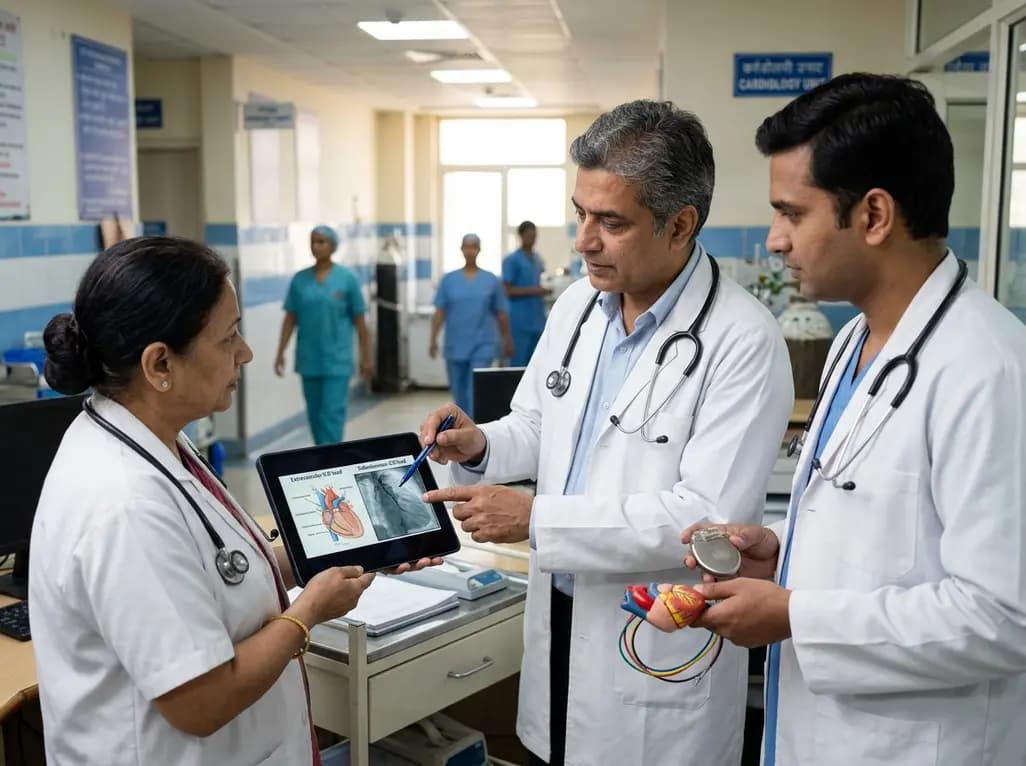
A clinical comparison of extravascular and subcutaneous implantable cardioverter-defibrillators, detailing patient selection, pacing capabilities, and implantation nuances.
Today

A premature neonate developed upper limb compartment syndrome after uterine rupture extruded the arm through a scar defect. Conservative management with continuous monitoring yielded complete functional recovery and normal limb growth at 10-year follow-up, highlighting non-operative safety in selected cases.
Today
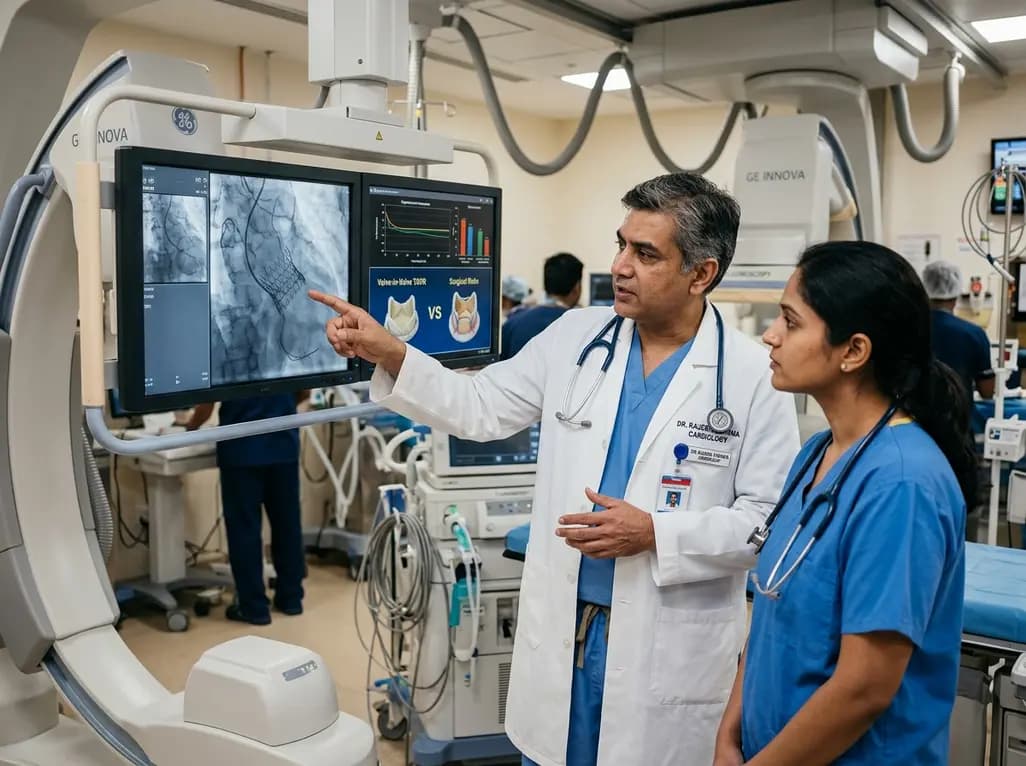
A meta-analysis of 13 propensity score-matched studies shows ViV-TAVR delivers lower early mortality and reduced bleeding compared to redo-SAVR for degenerated bioprosthetic aortic valves, though long-term hemodynamics warrant careful anatomical and patient-centered evaluation.
Today
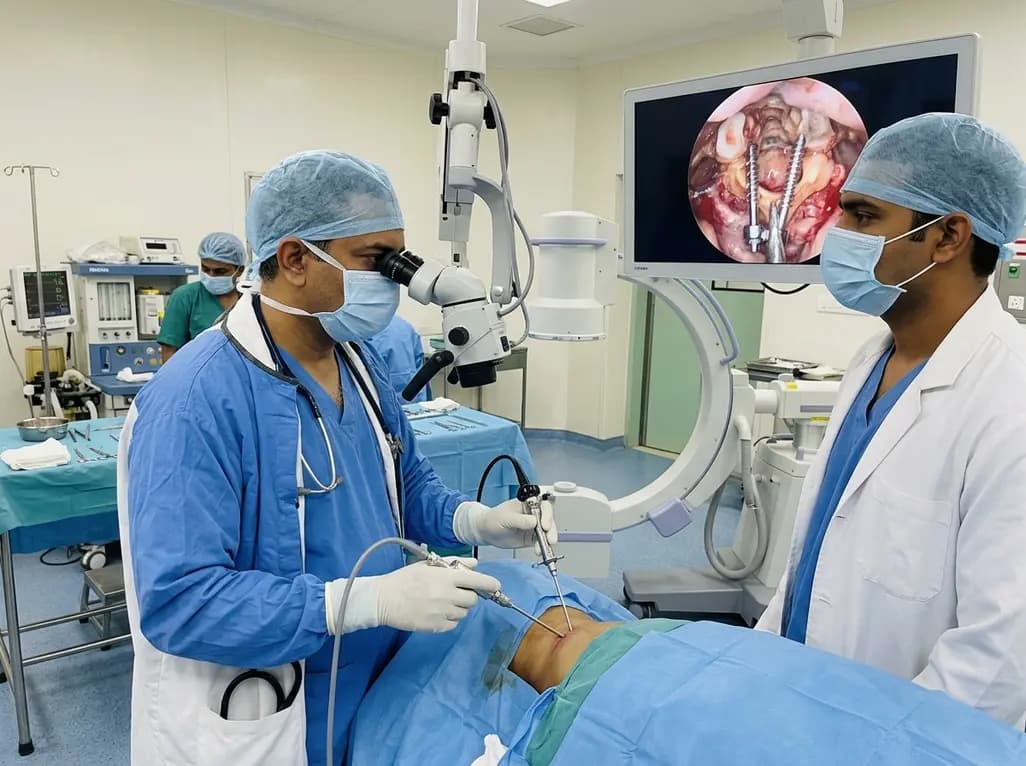
Endoscopic posterior cervical fusion combines minimally invasive decompression, joint preparation, and rigid screw-rod fixation for atlantoaxial pathologies. Early clinical findings demonstrate solid bony union, excellent symptom relief, and minimal soft-tissue morbidity without significant vascular compromise.
Yesterday
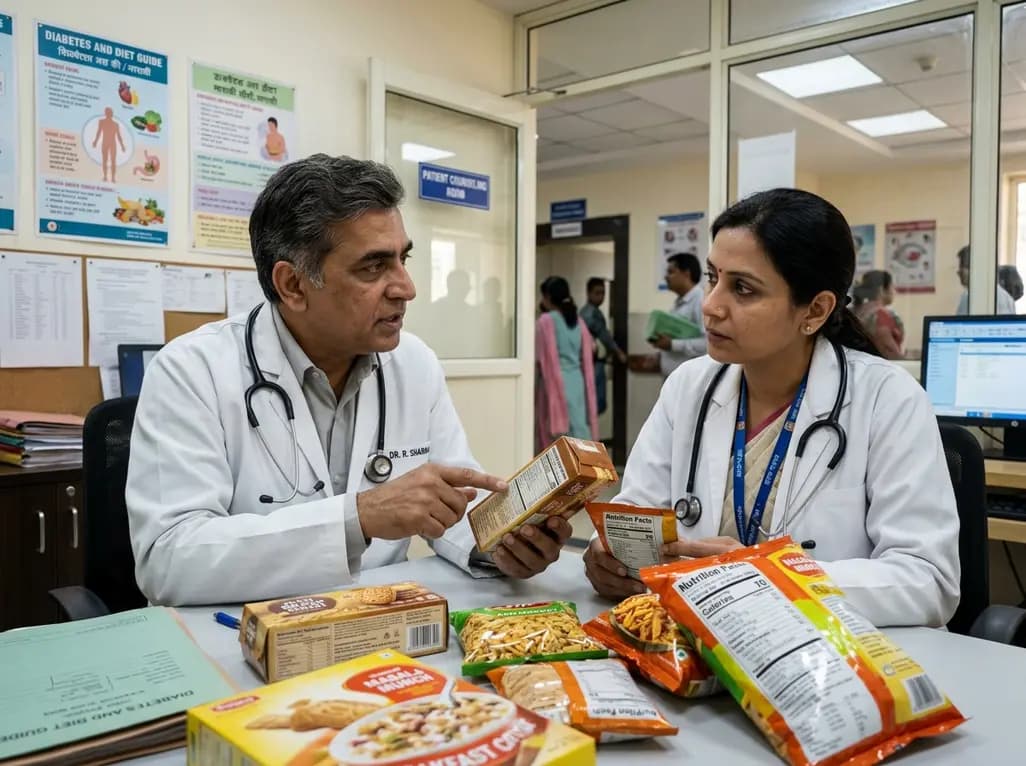
The All-India Food Processors' Association has approached the Supreme Court to oppose FSSAI's proposed per-100g benchmark for front-of-pack warning labels, advocating instead for a per-serving threshold. We explore the regulatory showdown, nutritional evidence, and implications for clinical lifestyle counseling.
Today
