.webp&w=384&q=75)

Loading, please wait...
Loading, please wait...

Oral lichen planus represents a chronic, painful inflammatory disorder of the oral cavity that impairs patient nutrition. Although calcineurin inhibitors provide remarkable immunosuppressive benefits, clinicians lack commercial buccal preparations tailored for oral biology. Consequently, investigators recently developed novel mucoadhesive tacrolimus formulations to overcome salivary wash-off. This formulation study provides vital evidence for targeted oral mucosal drug delivery.
Oral lichen planus is a debilitating, T-cell-mediated mucocutaneous disorder that manifests as painful erosions and ulcerations. Dentists and dermatologists frequently encounter severe recalcitrant cases that respond poorly to standard first-line therapies. For decades, clinicians have relied heavily on topical corticosteroids as primary interventions. However, chronic intraoral steroid application frequently leads to secondary candidiasis, tissue atrophy, and systemic absorption.
Therefore, calcineurin inhibitors like tacrolimus offer a valuable alternative for refractory oral mucosal disease. Tacrolimus effectively suppresses T-cell activation and downregulates pro-inflammatory cytokine cascades without inducing mucosal thinning. In standard clinical practice, clinicians frequently prescribe off-label dermatological ointments to manage oral lesions. Unfortunately, these conventional cutaneous preparations adhere poorly to moist mucosal surfaces. Constant salivation and mechanical tongue movement rapidly wash away the applied drug.
As a consequence, patients swallow substantial fractions of the active substance, increasing systemic exposure risks. Furthermore, rapid drug clearance minimizes local therapeutic contact time and diminishes clinical efficacy. Clinicians therefore need dedicated intraoral drug delivery systems that resist salivary clearance. Creating a formulation that provides prolonged retention while promoting mucosal penetration remains a vital goal in oral medicine.
To solve the mucosal retention challenge, researchers designed semi-solid vehicle platforms utilizing biocompatible polymers. Specifically, the investigators evaluated formulations combining chitosan, carbomer, and hypromellose to achieve optimal adhesion. Chitosan serves as a cationic biopolymer that binds electrostatically to negatively charged mucin chains. Consequently, it creates strong cohesive interactions that resist mechanical displacement by salivary flow.
In addition, the researchers incorporated hypromellose and carbomer to modulate viscosity and matrix structural integrity. These hydrophilic polymers swell upon contact with moisture, facilitating steady drug diffusion across tissue barriers. However, formulating chitosan requires careful chemical balance because it remains susceptible to hydrolytic degradation in aqueous solutions. To overcome this limitation, the authors successfully utilized a lactate buffer system to stabilize the chitosan polymer backbone.
Furthermore, microscopic and macroscopic evaluations confirmed that the resulting hydrogels maintained uniform texture and clear physical stability. The semi-solid consistency allows straightforward manual application onto irregular mucosal lesions. Notably, the optimized polymer blend demonstrated favorable spreadability without losing structural cohesiveness under shear strain. This balanced architecture provides an ideal structural base for localized drug release.
Rheological performance dictates how a semi-solid preparation behaves during dispensing, application, and mucosal retention. Therefore, the researchers evaluated the flow curves, yield stress, and viscoelastic profiles of each formulation candidate. They observed pronounced shear-thinning behavior across all tested hydrogels. As a result, the gel flows smoothly during extrusion from a tube, facilitating precise topical dosing.
Once applied to the buccal mucosa, the vehicle quickly regains structural viscosity. This rapid structural recovery prevents dripping and maintains the gel layer directly over the ulcerative lesion. Moreover, the formulation maintains an appropriate pH range compatible with delicate oral tissues. Maintaining a physiological pH prevents mucosal irritation and preserves the enzymatic integrity of native saliva.
Simultaneously, the lactate buffer successfully preserved chitosan chain integrity throughout experimental testing. Without this buffer system, aqueous chitosan gels undergo accelerated hydrolysis, leading to rapid loss of viscosity. Thus, the buffered matrix retains consistent rheological characteristics over prolonged periods. Accordingly, clinicians can anticipate consistent handling characteristics during real-world clinical application. This predictable stability represents an essential prerequisite for scalable pharmaceutical manufacturing.
Intraoral drug delivery requires an intricate balance between tissue permeability and adhesion. Calcineurin inhibitors possess high molecular weights and lipophilic properties that impede rapid penetration through stratified squamous epithelium. Therefore, the research team investigated diols of varying carbon chain lengths to enhance mucosal absorption. Specifically, they evaluated 1,2-propanediol, 1,2-pentanediol, and 1,2-hexanediol at varying concentrations.
The experimental data revealed that increasing diol chain length significantly enhanced mucosal penetration of tacrolimus. After 60 minutes in a specialized mucoadhesion test cell, penetration reached distinct levels depending on diol composition. For instance, the 20% 1,2-propanediol formulation delivered 0.78 micrograms per square centimeter into mucosal tissue. In contrast, 40% 1,2-propanediol achieved 1.99 micrograms per square centimeter.
Furthermore, longer chain diols exhibited even greater penetration enhancement. Formulations with 20% 1,2-pentanediol yielded 3.56 micrograms per square centimeter, while 20% 1,2-hexanediol achieved 3.66 micrograms per square centimeter. However, this enhanced penetration came with a measurable tradeoff in mucoadhesion. Diols weakened the internal gel matrix, leading to higher salivary wash-off rates. Specifically, wash-off increased from 0.47% with 20% 1,2-propanediol to 28.13% with 20% 1,2-hexanediol.
These experimental findings provide crucial guidance for future clinical drug development in oral medicine. Currently, dental specialists and dermatologists must rely on compounding pharmacies or off-label ointments to treat severe erosive lichen planus. However, unstandardized preparations often suffer from unpredictable bioavailability and rapid salivary washout. By quantifying the relationship between penetration enhancement and salivary wash-off, this study enables rational formulation engineering.
Clinicians require a delivery system that delivers sufficient drug into basal epithelial layers while minimizing swallowed fractions. Interestingly, 40% 1,2-propanediol produced substantial mucosal drug levels with only 14.26% salivary clearance. Therefore, intermediate diol formulations strike an optimal compromise between local penetration and adhesive endurance. Minimizing systemic availability remains essential because systemic tacrolimus carries risks of nephrotoxicity and hypertension.
In addition, standardized buccal formulations will substantially improve patient adherence. Patients managing painful oral ulcers struggle with greasy dermatological pastes that wash off within minutes. In contrast, a stable mucoadhesive gel coats the ulcer, shields exposed nerve endings, and releases medication steadily. Consequently, commercializing these targeted hydrogels could fundamentally transform the clinical management of chronic oral inflammatory conditions.
Conventional topical ointments wash away rapidly due to continuous salivation and involuntary tongue movements. In contrast, mucoadhesive hydrogels contain specialized polymers like chitosan that bind electrostatically to oral mucosal glycoproteins. This matrix establishes an enduring protective barrier over ulcerated tissues. Consequently, the formulation prolongs localized drug residence time and enhances mucosal absorption. Furthermore, it prevents systemic drug ingestion and shields sensitive nerve endings from mechanical irritation during normal mastication.
The oral stratified squamous epithelium presents a substantial lipophilic barrier against large molecules like tacrolimus. Therefore, researchers incorporate diols such as 1,2-propanediol or 1,2-hexanediol to temporarily modify mucosal permeability. These penetration enhancers disrupt intercellular lipid packing within the epithelium, facilitating drug transport into target basal cell layers. However, higher diol concentrations weaken the polymer network. Formulators must carefully optimize diol concentrations to prevent excessive salivary wash-off.
Chitosan serves as an exceptional mucoadhesive agent, but it remains chemically vulnerable to hydrolytic degradation in aqueous environments. Over time, progressive chain cleavage decreases vehicle viscosity and destroys adhesive capability. By incorporating a lactate buffer system, pharmaceutical developers maintain an optimal microenvironmental pH that suppresses hydrolysis. Consequently, the buffered gel preserves its structural integrity, rheological properties, and drug release kinetics throughout extended commercial storage periods.
Disclaimer: This content is for informational and educational purposes only... Refer to the latest local and national guidelines for clinical practice.
References

Read summarized clinical updates, watch expert medical content, and earn CME certifications right from your smartphone.
Open your smartphone camera to scan and install.





A feasibility study evaluates novel semi-solid mucoadhesive tacrolimus formulations using chitosan, carbomer, and HPMC for oral lichen planus. Incorporating diols enhances mucosal penetration while balancing salivary retention, offering a promising localized drug delivery system for refractory mucosal disease.
Today
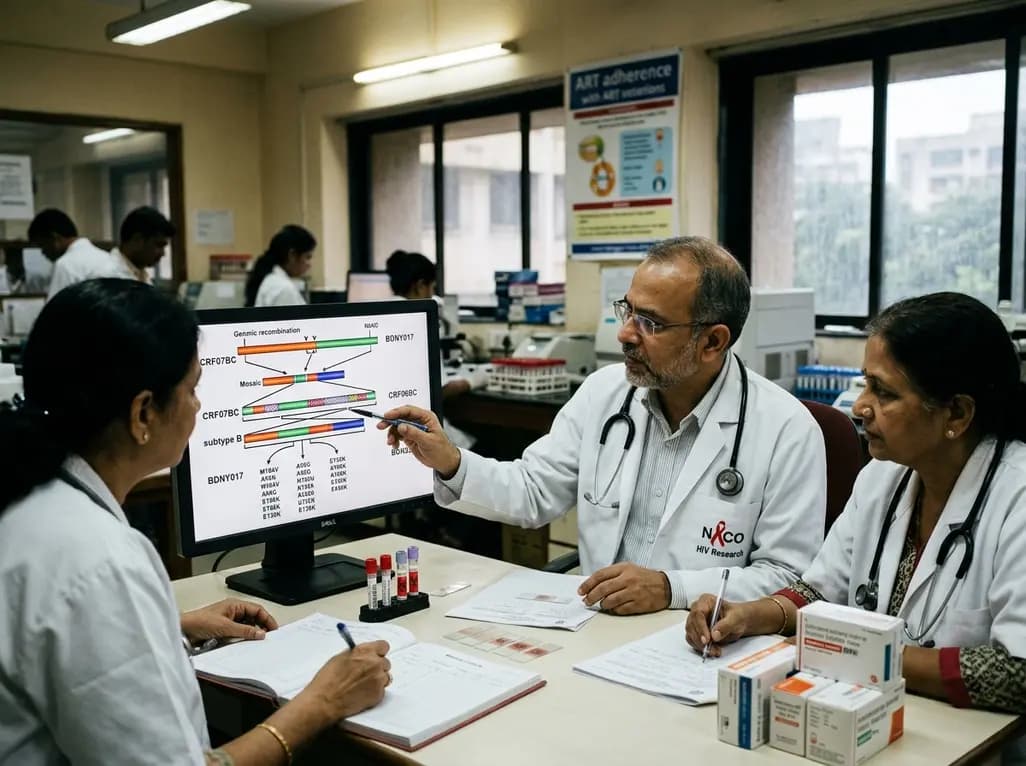
Researchers in Hebei, China identified two novel HIV-1 unique recombinant forms, BDNY017 and BDK025, among patients failing antiretroviral therapy. Genomic analysis revealed complex mosaic structures involving CRF07_BC, CRF08_BC, and subtype B, alongside key drug resistance mutations including M184V, A98G, and E138K.
Today
A nationwide study covering 3.7 million Swedish births reveals that prenatal exposure to TORCH pathogens significantly elevates long-term risks of intellectual disability and autism. Healthcare providers must recognize clinical indicators, promote prenatal prevention, and track early pediatric neurodevelopment.
Today
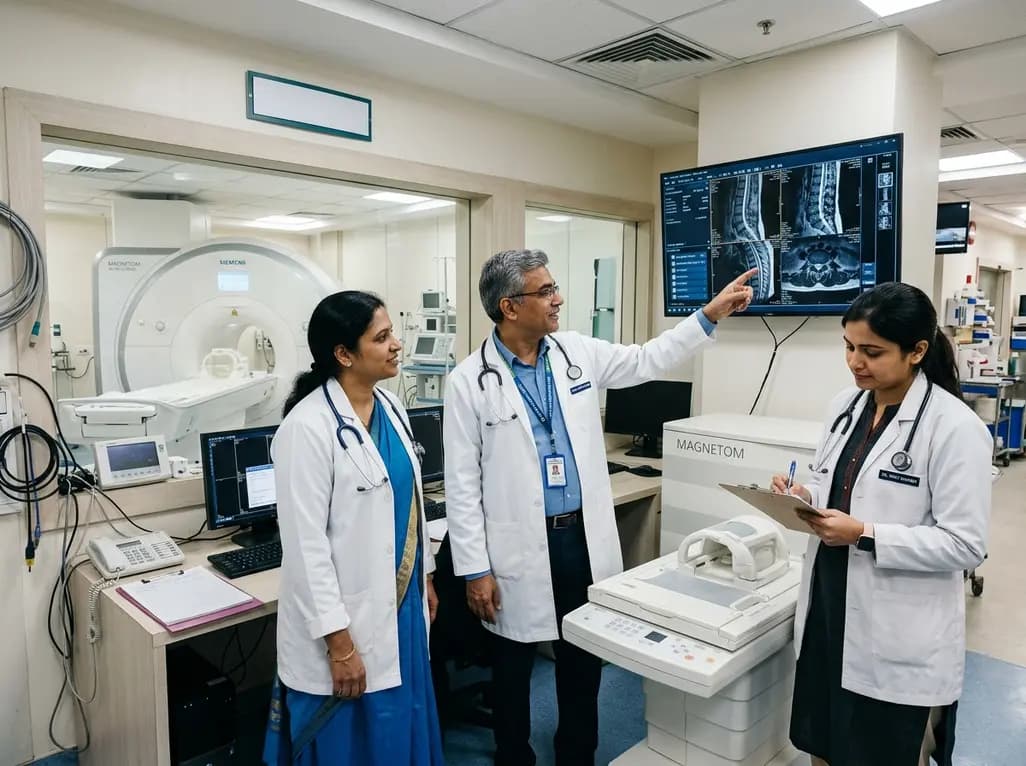
Under India's PLI initiative, domestic production of 57 critical medical devices has commenced, including MRI and CT scanners, cath labs, and heart valves. Global partnerships and local investments are expanding high-end technology, curbing import reliance, and strengthening clinical accessibility nationwide.
Today
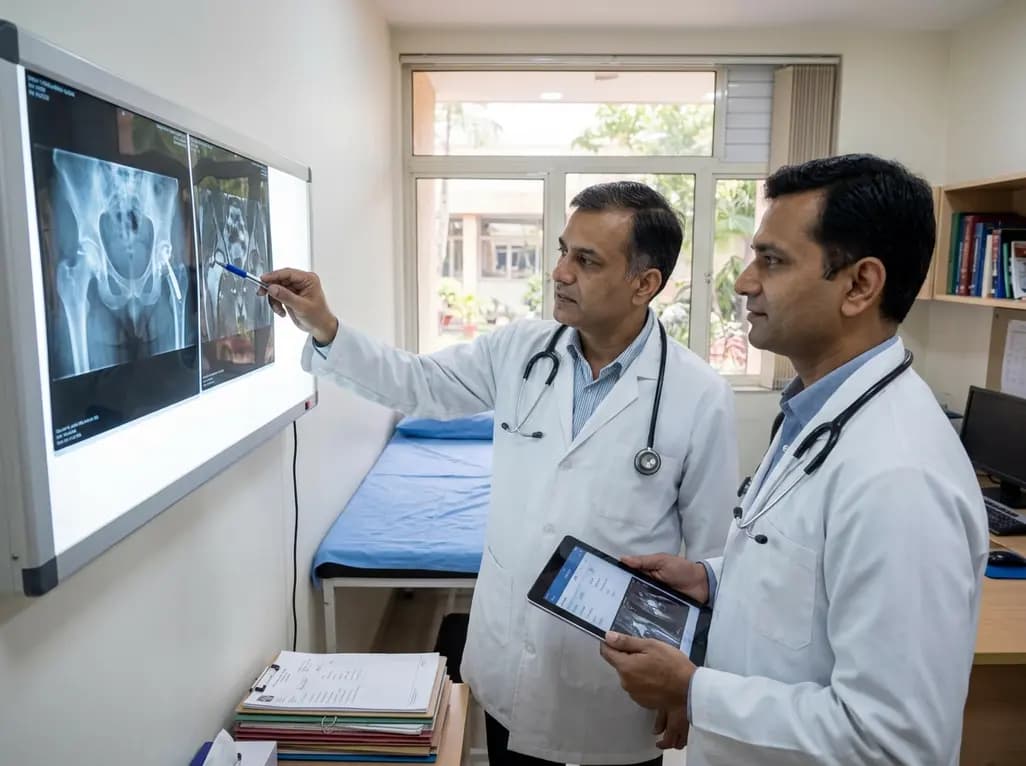
A longitudinal study reveals that patients undergoing staged bilateral hip arthroscopy experience progressive contralateral labral deterioration during surgical intervals. However, structural degradation does not compromise 2-year postoperative clinical outcomes or patient-reported satisfaction scores.
Today
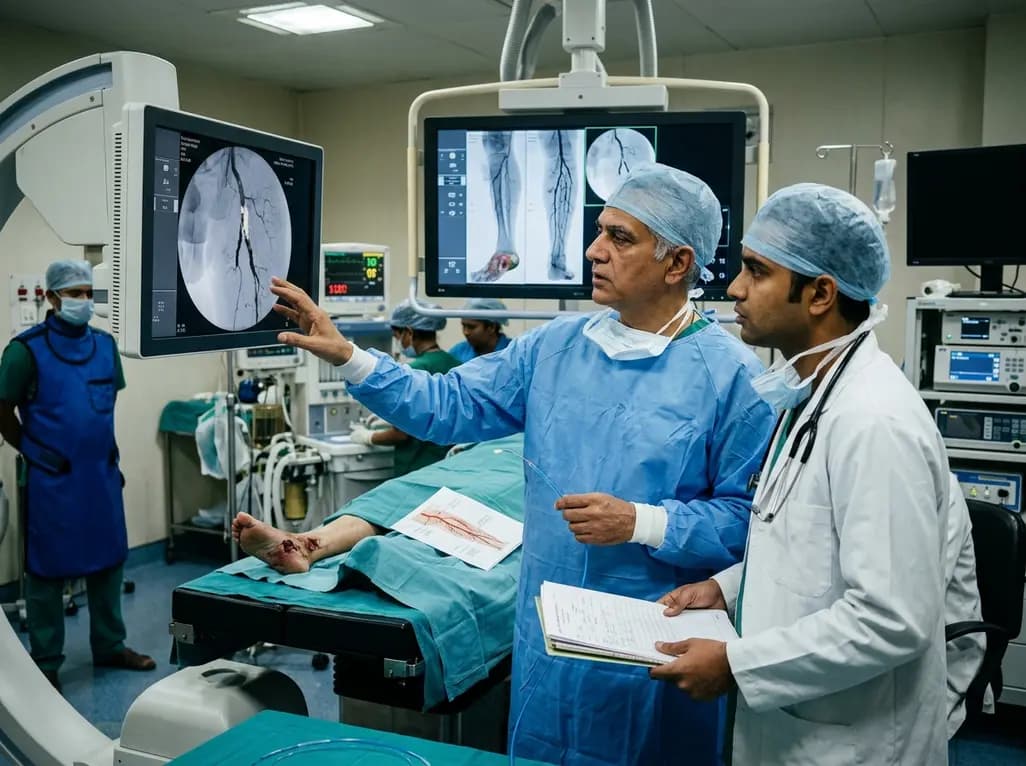
SWEDEPAD-1 trial insights show paclitaxel-coated devices do not improve long-term limb salvage in patients with chronic limb-threatening ischemia and tissue loss. While one-year reinterventions decreased, the devices were linked to a higher risk of major amputation at three months.
Yesterday
