.webp&w=384&q=75)

Loading, please wait...
Loading, please wait...

Adult moyamoya disease presents significant clinical challenges, particularly when progressive cerebral ischemia compromises vital neurological pathways. Clinicians historically prioritized stroke prevention when evaluating surgical interventions for this rare condition. However, emerging prospective evidence demonstrates that moyamoya disease revascularization also confers substantial restorative benefits for neurocognitive function. Furthermore, chronic cerebral hypoperfusion silently erodes higher mental faculties over time. Consequently, neurosurgeons and neurologists must now recognize cognitive deterioration as a primary therapeutic target. Timely intervention can effectively protect vulnerable neural networks from irreversible intellectual decline.
Moyamoya disease leads to progressive stenosis of the distal internal carotid arteries and their proximal branches. As arterial narrowing intensifies, the brain establishes fragile collateral networks to preserve basal metabolic needs. However, these fine collateral channels cannot maintain adequate cerebrovascular reserve during increased metabolic demands. Consequently, patients suffer from persistent chronic hypoperfusion across extensive cortical and subcortical areas. This microvascular insufficiency disrupts crucial white matter tracts and frontal-subcortical circuits.
In addition, chronic hypoperfusion induces secondary structural damage, including microstructural white matter injury and cerebral atrophy. Many adult patients exhibit significant cognitive impairment even without sustaining overt ischemic strokes. Patients frequently report difficulties with attention, processing speed, and executive control. Similarly, working memory and complex calculation often show pronounced deterioration. Traditional clinical paradigms often overlooked these subtle deficits because conventional imaging primarily focuses on gross infarction. Nevertheless, detailed neuropsychological testing demonstrates that hypoperfusion causes widespread cognitive dysfunction. Therefore, preserving and restoring cortical blood flow remains essential to prevent progressive mental decline. Early clinical identification of these cognitive deficits allows timely intervention before permanent parenchymal loss occurs.
A pivotal prospective clinical trial evaluated neurocognitive outcomes across eleven distinct domains following cerebral revascularization. The investigators followed 155 prospective adult patients over an average six-month postoperative period. Notably, the study revealed remarkable functional recovery across multiple cognitive domains after surgical revascularization. Patients achieved statistically significant improvements in choice reaction time, reflecting enhanced mental processing efficiency. Furthermore, participants demonstrated marked gains in verbal working memory and mental rotation.
Additionally, complex subtraction scores and word memory improved significantly during follow-up evaluations. These results confirm that restoring hemispheric perfusion directly revitalizes dormant yet viable cortical tissue. In contrast, medical management alone fails to improve hemodynamic reserve or reverse neurocognitive deficits. The observed recovery highlights neuroplasticity within chronic ischemic penumbral regions when surgeons restore physiological perfusion. Therefore, clinicians must regard cognitive decline not merely as an irreversible consequence of vascular stenosis, but rather as an active surgical indication. Quantitative cognitive testing provides objective benchmarks to track recovery trajectories. By establishing these measurable metrics, the study validates surgical bypass as a powerful intervention for neurocognitive preservation.
Surgical revascularization strategies for moyamoya disease encompass direct, indirect, and combined approaches. Direct revascularization typically involves superficial temporal artery to middle cerebral artery bypass, providing immediate hemodynamic augmentation. Conversely, indirect procedures, such as encephalo-duro-arterio-synangiosis, rely on gradual angiogenesis over several months. The prospective trial directly compared cognitive outcomes between combined bypass and indirect procedures.
Interestingly, combined revascularization produced superior neurocognitive recovery compared to indirect revascularization alone. Patients undergoing combined surgery experienced meaningful improvements across six separate cognitive domains. Specifically, these domains included choice reaction time, mental rotation, word memory, and complex calculation. In addition, combined bypass significantly enhanced executive inhibition and reverse-order verbal working memory. In contrast, patients receiving only indirect revascularization demonstrated significant gains in merely two domains: word memory and complex subtraction. Direct bypass provides immediate high-volume perfusion, whereas indirect synangiosis fosters robust long-term neocollateralization. Therefore, combining both modalities creates optimal physiological conditions for extensive cognitive rehabilitation. Surgeons should preferentially select combined revascularization whenever technical anatomical factors permit direct anastomosis.
Understanding which patients derive the greatest cognitive benefit helps surgical teams optimize patient selection. Subgroup analyses revealed that baseline cognitive status strongly predicts postoperative recovery magnitude. Specifically, patients with lower preoperative cognitive scores achieved more substantial cognitive improvements after surgery. These individuals possess significant functional deficits driven by reversible hemodynamic failure rather than established tissue necrosis. Consequently, reperfusion yields dramatic cognitive gains in this vulnerable cohort.
Furthermore, postoperative collateral formation strongly correlates with the extent of neurocognitive recovery. Patients exhibiting robust angiographic collateral development demonstrated far superior improvements in working memory and calculation skills. Conversely, individuals with poor collateral neoformation showed limited cognitive recovery. This finding indicates that successful revascularization requires durable microvascular integration. Clinicians must therefore assess both hemodynamic reserve and angiographic architecture during preoperative planning. Advanced perfusion neuroimaging helps identify viable ischemic tissue primed for recovery. Ultimately, identifying patients with pronounced baseline deficits and high angiogenic potential maximizes surgical efficacy. Multidisciplinary teams can utilize these predictive markers to counsel patients realistically regarding cognitive expectations.
Historically, stroke prevention served as the primary benchmark for surgical success in moyamoya management. However, preserving cognitive capacity profoundly influences long-term quality of life, socioeconomic independence, and employment retention. Neurosurgeons and neurologists must integrate comprehensive neuropsychological batteries into standard pre-surgical and post-surgical protocols. Brief bedside mental status examinations often miss domain-specific executive impairments. Therefore, computerized or multidimensional cognitive batteries offer superior diagnostic accuracy.
Moreover, clinicians must monitor patients closely during the perioperative period for cerebral hyperperfusion syndrome. Sudden increases in local blood flow can trigger transient neurological deficits or cognitive disruptions. Clinicians can effectively mitigate these risks through strict postoperative blood pressure control and neuro-monitoring. In addition, structured cognitive rehabilitation programs enhance postoperative recovery by exploiting surgically restored neuroplasticity. Longitudinal follow-up evaluations at six and twelve months provide critical data regarding durable cognitive stabilization. Ultimately, broadening surgical indications to include cognitive decline modernizes moyamoya management. Surgical teams can thereby safeguard both cerebrovascular integrity and higher cerebral function for their patients.
In countries like India and across global centers, moyamoya disease diagnoses are steadily increasing due to improved neuroimaging accessibility. Clinicians encounter young and middle-aged adults who present with cognitive slowness or work performance issues without ischemic stroke. Previously, conservative medical management was common for such non-hemorrhagic or non-infarct presentations. However, current evidence proves that prolonged conservative observation permits progressive cognitive deterioration. Revascularization effectively restores vital perfusion, preventing further axonal loss and cognitive decline.
Furthermore, multidisciplinary collaboration between neurosurgeons, stroke neurologists, and neuroradiologists ensures timely diagnostic referrals. Advanced modalities, including arterial spin labeling magnetic resonance imaging and computed tomography perfusion, accurately map perfusion deficits. Consequently, clinicians can identify suitable candidates for combined bypass early in their disease trajectory. Future randomized multicenter trials should investigate extended follow-up intervals beyond six months. Additionally, researchers must examine whether surgical revascularization preserves long-term functional autonomy in elderly populations. Expanding clinical focus toward cognitive preservation transforms our therapeutic approach to moyamoya disease. Clinicians now possess compelling evidence to recommend surgical revascularization for cognitive preservation and restoration.
Postoperative testing demonstrates the greatest gains in choice reaction time, verbal working memory, mental rotation, complex calculation, and word recall. Revascularization restores microvascular perfusion to ischemic frontal and parietal networks, which directly enhances processing speed, executive inhibition, and computational ability within six months after surgical intervention.
Combined revascularization integrates direct superficial temporal artery bypass with indirect synangiosis. The direct anastomosis provides immediate hemodynamic augmentation, rapidly reversing critical cortical hypoperfusion. Simultaneously, indirect synangiosis stimulates long-term neoangiogenesis across adjacent ischemic territories. This synergistic mechanism produces broader, more resilient cerebral revascularization, resulting in recovery across significantly more cognitive domains.
Yes, progressive cognitive impairment represents ongoing cerebral hypoperfusion and impending neuronal loss in adult moyamoya disease. When detailed neuropsychological testing confirms multidomain decline, revascularization can selectively reverse functional deficits and prevent irreversible neurological damage. Consequently, clinicians increasingly consider documented cognitive deterioration a valid, independent indication for surgical bypass.
Disclaimer: This content is for informational and educational purposes only... Refer to the latest local and national guidelines for clinical practice.
References

Read summarized clinical updates, watch expert medical content, and earn CME certifications right from your smartphone.
Open your smartphone camera to scan and install.





A prospective study of 155 patients reveals that combined moyamoya disease revascularization substantially restores cognitive performance across domains like working memory, calculation, and reaction time within six months, presenting cognitive decline as an important surgical indication.
Today
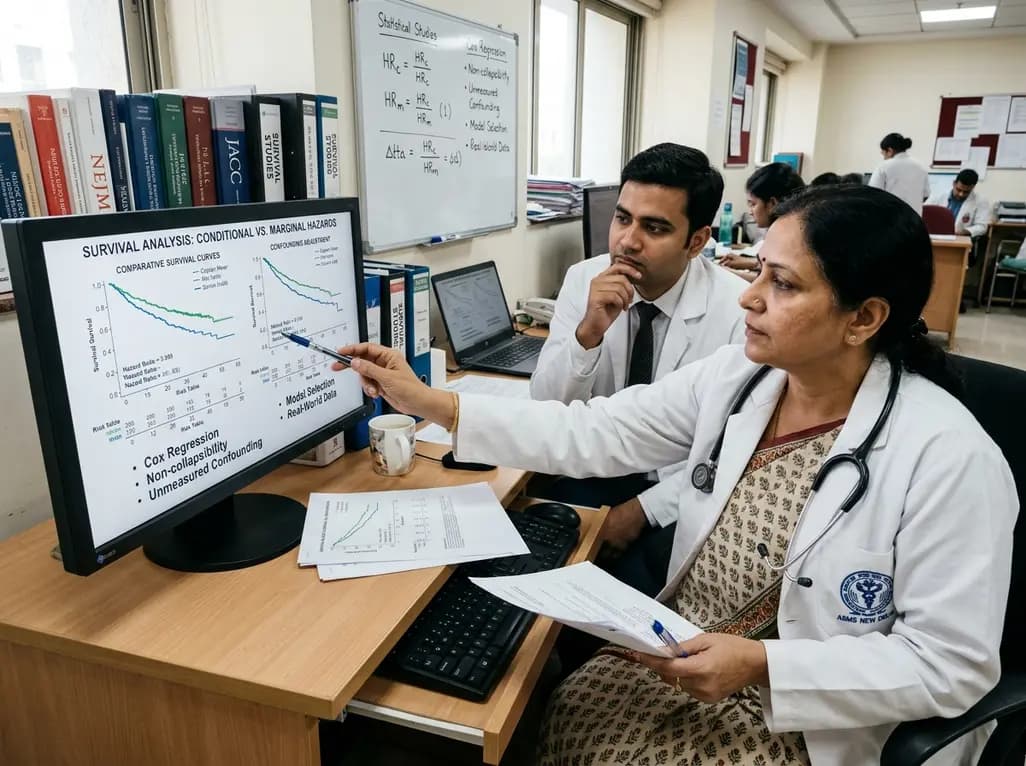
Survival analyses often report hazard ratios, but mathematical non-collapsibility creates crucial differences between conditional and marginal estimates. Clinicians must account for unmeasured confounding and model selection when interpreting trial endpoints and real-world cardiovascular outcomes.
Today

A cross-sectional study of 700 college students highlights significant contraceptive knowledge disparities between sexually active and inactive young adults. The findings demonstrate a critical need for proactive, comprehensive sexual health counseling before sexual debut.
Yesterday
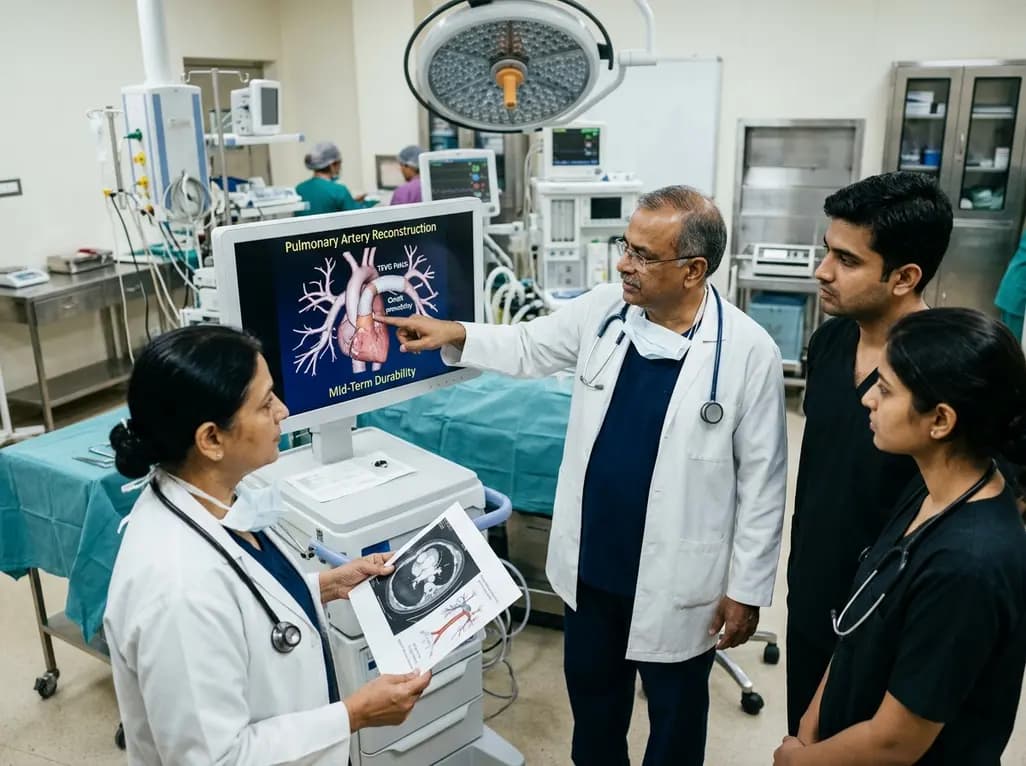
Autologous tissue-engineered vascular graft patches created via in-body tissue architecture show excellent mid-term durability and safety for pulmonary artery reconstruction in congenital heart surgery, particularly for peripheral branch augmentation.
Today
A novel cluster analysis of real-world datasets reveals four distinct CPPD disease phenotypes, validating existing EULAR categories while uncovering previously unrecognized monoarticular and axial presentations to refine patient management.
Today
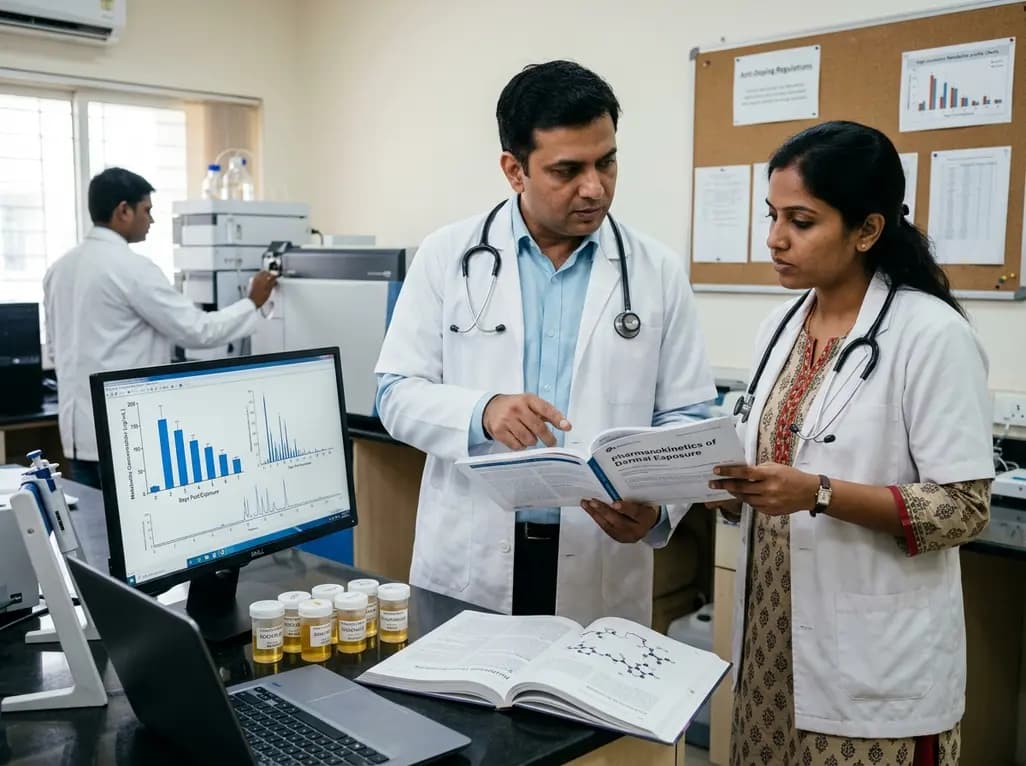
Recent pharmacokinetic research demonstrates that trace dermal exposure to microgram quantities of trenbolone and metenolone produces detectable urinary metabolites for days to over a week, providing critical objective data for evaluating unintentional contamination claims in sports drug testing.
Today
