

Loading, please wait...
Loading, please wait...

This randomized clinical trial, described by the authors as the first fMRI randomized trial of Mindfulness-Oriented Recovery Enhancement (MORE) in opioid use disorder, enrolled 86 inpatients at a long-term residential treatment facility in New York City, all receiving methadone or buprenorphine. Participants were randomized to 8 weeks of MORE (mindfulness, cognitive reappraisal and savoring training) or an active psychoeducational supportive therapy control. fMRI before and after treatment assessed responses to drug-related images, natural reward images and drug-related movie scenes. Compared with the control, MORE reduced drug-biased activity in the lateral prefrontal cortex during regulation of responses to drug cues, and reduced synchronized medial prefrontal activity while viewing drug-related scenes. Within the MORE group, greater shifts in lateral and ventromedial prefrontal responses away from drug cues and toward natural rewards were associated with larger reductions in cue-induced craving. The authors concluded that MORE may support recovery in opioid use disorder by rebalancing prefrontal responses to drug and natural reward cues.

Read summarized clinical updates, watch expert medical content, and earn CME certifications right from your smartphone.
Open your smartphone camera to scan and install.





This randomized clinical trial, described by the authors as the first fMRI randomized trial of Mindfulness-Oriented Recovery Enhancement (MORE) in opioid use disorder, enrolled 86 inpatients at a long-term residential treatment facility in New York City, all receiving methadone or buprenorphine. Participants were randomized to 8 weeks of MORE (mindfulness, cognitive reappraisal and savoring training) or an active psychoeducational supportive therapy control. fMRI before and after treatment assessed responses to drug-related images, natural reward images and drug-related movie scenes. Compared with the control, MORE reduced drug-biased activity in the lateral prefrontal cortex during regulation of responses to drug cues, and reduced synchronized medial prefrontal activity while viewing drug-related scenes. Within the MORE group, greater shifts in lateral and ventromedial prefrontal responses away from drug cues and toward natural rewards were associated with larger reductions in cue-induced craving. The authors concluded that MORE may support recovery in opioid use disorder by rebalancing prefrontal responses to drug and natural reward cues.
Today

A multicenter study validates a machine learning-guided recalibrated SOFA score, demonstrating significantly improved ICU mortality discrimination while preserving the simple, additive, point-based structure critical for bedside decision-making.
Today
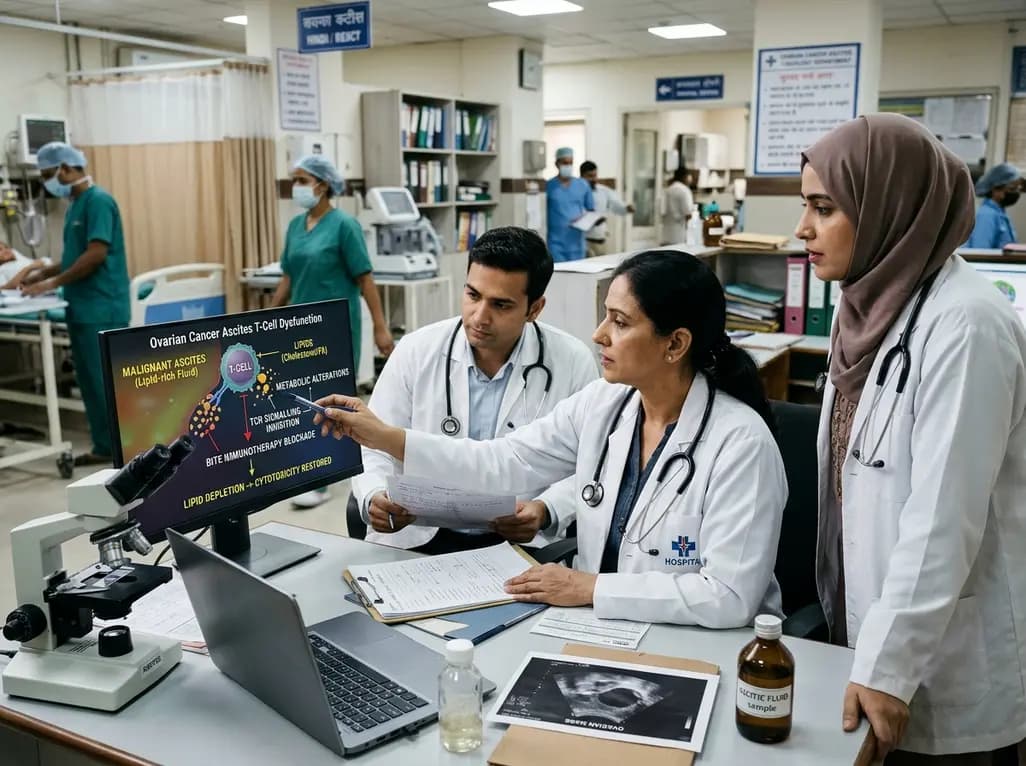
A landmark study reveals that lipid-rich malignant ascites alters the T-cell metabolic transcriptome, causing cholesterol efflux and impaired fatty acid oxidation. This suppresses TCR signalling and blocks BiTE immunotherapy, while lipid depletion restores antitumour cytotoxicity in ovarian cancer.
Today
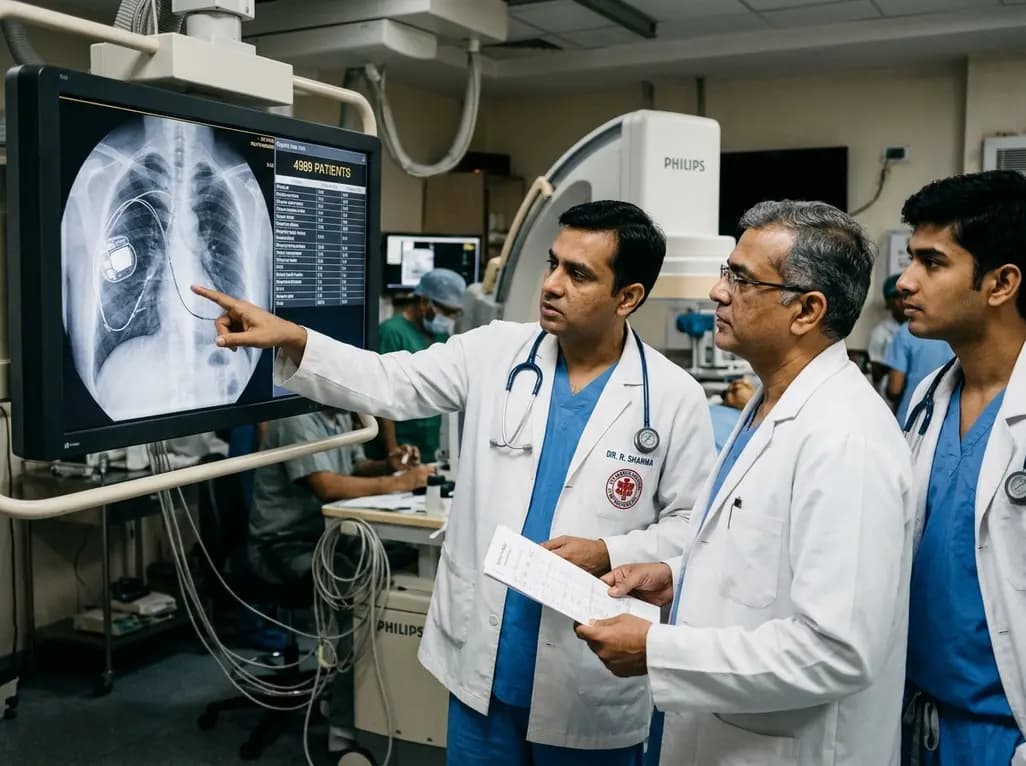
A registry study of 4,989 patients evaluates transvenous lead extraction for right-sided cardiac devices. Despite longer dwell times and older leads, right-sided extractions achieve high procedural success and comparable safety to left-sided approaches.
Today
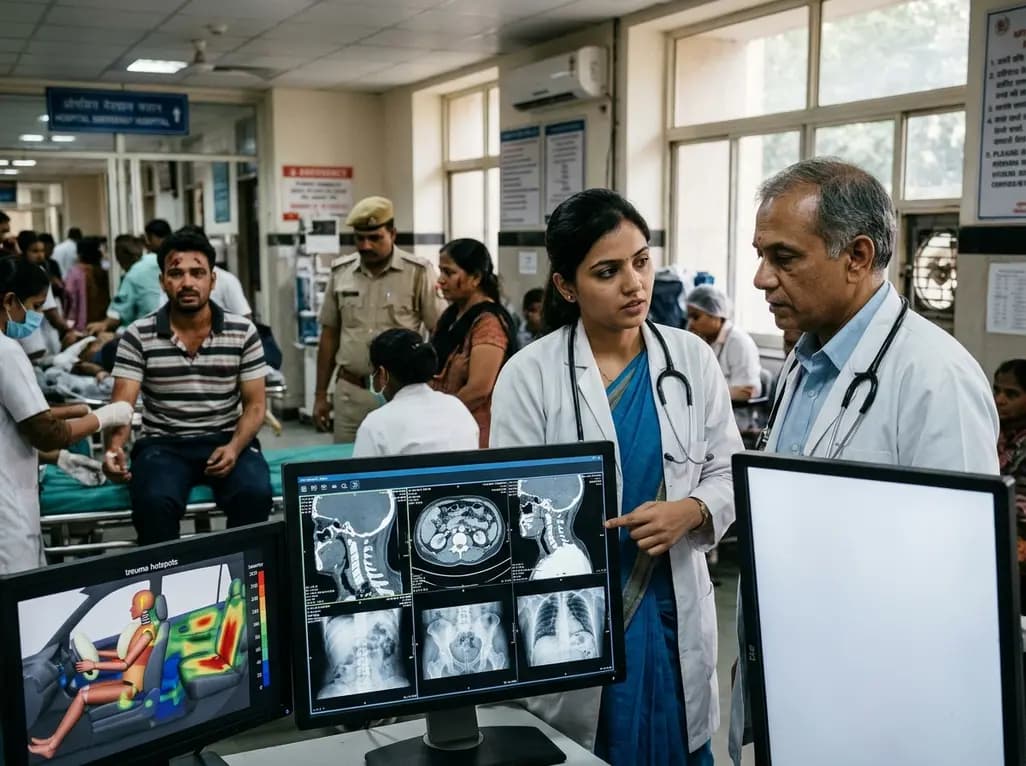
Recent crash analyses demonstrate significant variations in traffic injury severity across vehicle seating positions. Electric vehicle passengers face disproportionately higher trauma risks than drivers, particularly during airbag deployments, demanding adapted emergency assessment and clinical vigilance.
Today

Understand the causal role of Lipoprotein(a) in cardiovascular disease, why international guidelines recommend once-in-a-lifetime molar testing, and the clinical implications of recent phase 3 RNA outcome trials.
Today
