.webp&w=384&q=75)

Loading, please wait...
Loading, please wait...

Migraine remains a major cause of disability worldwide, exerting a disproportionate toll on female health during their most productive years. Recent epidemiological findings highlight the massive scale of migraine in childbearing women, with nearly half a billion individuals affected globally. Clinicians encounter this debilitating neurological disorder daily, yet therapeutic nihilism and diagnostic delays persist. Therefore, understanding the evolving epidemiological landscape helps clinicians recognize high-risk cohorts and optimize care. By synthesizing data across three decades, healthcare providers can better grasp how demographic shifts, hormonal influences, and environmental exposures drive headache pathology in young females.
The Global Burden of Disease 2021 study revealed that 493.9 million women of childbearing age suffered from migraine in 2021. Notably, this massive total highlights significant regional concentration. India carries the single highest national burden worldwide, accounting for approximately 95.7 million affected women, followed by China with 68.1 million cases. Together, these two nations represent a substantial share of global morbidity. Although the global net drift showed relative stability at 0.01% annually, underlying sociodemographic stratifications demonstrate meaningful regional differences. Middle sociodemographic index regions exhibited an annual increase of 0.16%, whereas low-middle regions demonstrated a modest decrease. Consequently, healthcare systems in densely populated transitioning economies face an intensifying clinical challenge. Physicians must acknowledge that headache disorders represent not merely benign episodic events, but rather substantial public health liabilities that impair domestic, professional, and social functionality.
Age-period-cohort modeling reveals a consistent biological pattern across all sociodemographic index tiers. Migraine prevalence accelerates during late adolescence, rises steadily through early adulthood, and peaks dramatically between ages 30 and 39. This temporal peak aligns precisely with maximal ovarian steroid activity and critical career and family milestones. Fluctuating circulating estrogen levels strongly modulate trigeminovascular nociceptive thresholds. Specifically, rapid premenstrual estrogen withdrawal triggers neurogenic neuroinflammation and calcitonin gene-related peptide release. Moreover, the fourth decade of life often introduces cumulative psychosocial stressors, sleep disruptions, and multiparity. These factors substantially lower cortical spreading depression thresholds. Consequently, clinicians must evaluate hormonal patterns thoroughly. Recognizing these physiological trajectories enables physicians to differentiate cyclic menstrual migraine from daily persistent forms, facilitating timely and personalized preventive interventions.
Perhaps the most concerning finding involves local drift analysis among adolescent females aged 15 to 19 years. Researchers identified persistent, unfavorable increases in migraine rates among teenagers, particularly across higher sociodemographic regions. In addition, successive birth cohorts born after 1990 show escalating relative risks compared to prior generations. Several modern environmental and behavioral factors likely drive this shift. First, widespread digital screen exposure and altered circadian rhythms disrupt restorative sleep architecture. Second, academic stress, dietary alterations, and sedentary routines exacerbate neurovascular vulnerability. Furthermore, earlier menarche brings forward estrogen-dependent trigeminal sensitization. Because adolescent migraine frequently progresses into chronic refractory headaches in adulthood, primary care doctors and pediatricians must act promptly. Early identification of episodic attacks during secondary schooling prevents central sensitization and reduces future disability.
Migraine during the reproductive lifespan carries major implications that extend beyond acute cranial pain. Women suffering from migraine face heightened risks of gestational complications. Specifically, population-based studies link active migraine, especially migraine with aura, to hypertensive disorders of pregnancy, including preeclampsia and gestational hypertension. Additionally, affected mothers exhibit higher rates of intrauterine growth restriction and preterm labor. Furthermore, clinicians often encounter diagnostic dilemmas when pregnant patients present with acute headache exacerbations. Safe prescribing requires careful navigation because many traditional prophylactic and abortive agents present teratogenic risks. For example, valproate, topiramate, and ergotamines are strictly contraindicated. In contrast, peripheral nerve blocks, non-invasive neuromodulation, and pregnancy-compatible analgesics offer effective alternatives. Thus, multidisciplinary coordination between neurologists and obstetricians remains vital for safeguarding maternal and fetal well-being.
Given that India bears the highest global caseload of female migraineurs, Indian clinicians must implement structured management pathways. Primary care practitioners should actively screen female patients presenting with recurrent tension-type or sinus headaches, as misdiagnosis remains widespread. Utilizing validated screening tools, such as the ID-Migraine questionnaire, streamlines rapid assessment in busy outpatient clinics. Furthermore, management must combine pharmacological precision with lifestyle interventions. Clinicians should counsel patients regarding consistent meal timing, hydration, stress mitigation, and sleep hygiene. When prescribing acute abortive therapies, physicians must monitor intake frequency to prevent medication-overuse headache. Moreover, timely initiation of prophylaxis using beta-blockers, flunarizine, or modern targeted biologics drastically curbs attack frequency. By establishing proactive headache protocols, Indian practitioners can alleviate disability and improve quality of life across the country.
Migraine peaks during this decade because cyclical fluctuations in estrogen levels strongly interact with heightened personal and professional stress. Ovarian hormone shifts lower trigeminovascular thresholds, while childbearing, career demands, and fragmented sleep compound central nervous system vulnerability, causing more frequent, severe neurovascular headache episodes.
Migraine, particularly with aura, correlates with increased risks of preeclampsia, gestational hypertension, and low birth weight. While many women experience symptom relief during the second and third trimesters due to stable estrogen concentrations, uncontrolled pain requires cautious management using safe, non-teratogenic therapeutic options.
Successive younger birth cohorts face intensified lifestyle and environmental triggers. Prolonged smart device usage, chronic sleep disruption, heightened psychosocial stress, earlier onset of menarche, and increasingly sedentary lifestyles combine to accelerate neurological sensitization, promoting higher migraine frequency in adolescents and young adults.
Disclaimer: This content is for informational and educational purposes only and does not constitute medical advice. Refer to the latest local and national guidelines for clinical practice.
References
Hu B et al. Global, Regional, and National Temporal Trends in Prevalence for Migraine in Women of Childbearing Age: An Updated Age-Period-Cohort Analysis Based on Global Burden of Disease Study 2021. Neuroepidemiology. 2026. doi: 10.1159/000545221. PMID: 40139164.
Cen J, Wang Q, Cheng L, et al. Global, regional, and national burden and trends of migraine among women of childbearing age from 1990 to 2021: insights from the Global Burden of Disease Study 2021. J Headache Pain. 2024;25(1):96. doi:10.1186/s10194-024-01798-z.
Wijeratne T, Oh J, Kim S, et al. Global, regional, and national burden of headache disorders, 1990–2021, with forecasts to 2050: A Global Burden of Disease study 2021. Cell Rep Med. 2025;6(9):102348. doi:10.1016/j.xcrm.2025.102348.

Read summarized clinical updates, watch expert medical content, and earn CME certifications right from your smartphone.
Open your smartphone camera to scan and install.





A GBD 2021 analysis reveals that migraine in women of childbearing age affects nearly 494 million globally, with India bearing the highest burden at 95.7 million. Rising risks among adolescents and peak prevalence in women aged 30-39 demand targeted clinical prevention and tailored reproductive management.
Today
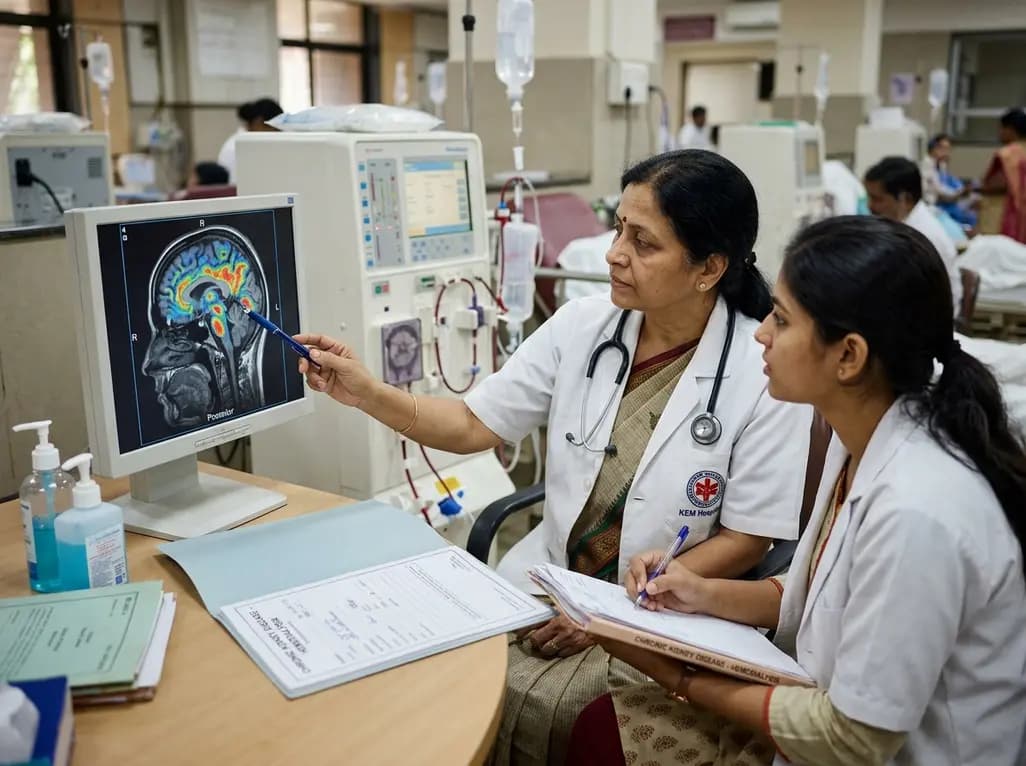
A retrospective clinical analysis reveals that hemodialysis-associated cognitive dysfunction arises from synergistic pathological mechanisms, including severe chronic anemia, worsening renal clearance, abnormal regional brain iron deposition, and an imbalance between neuroinflammatory and neurotrophic factors.
Today
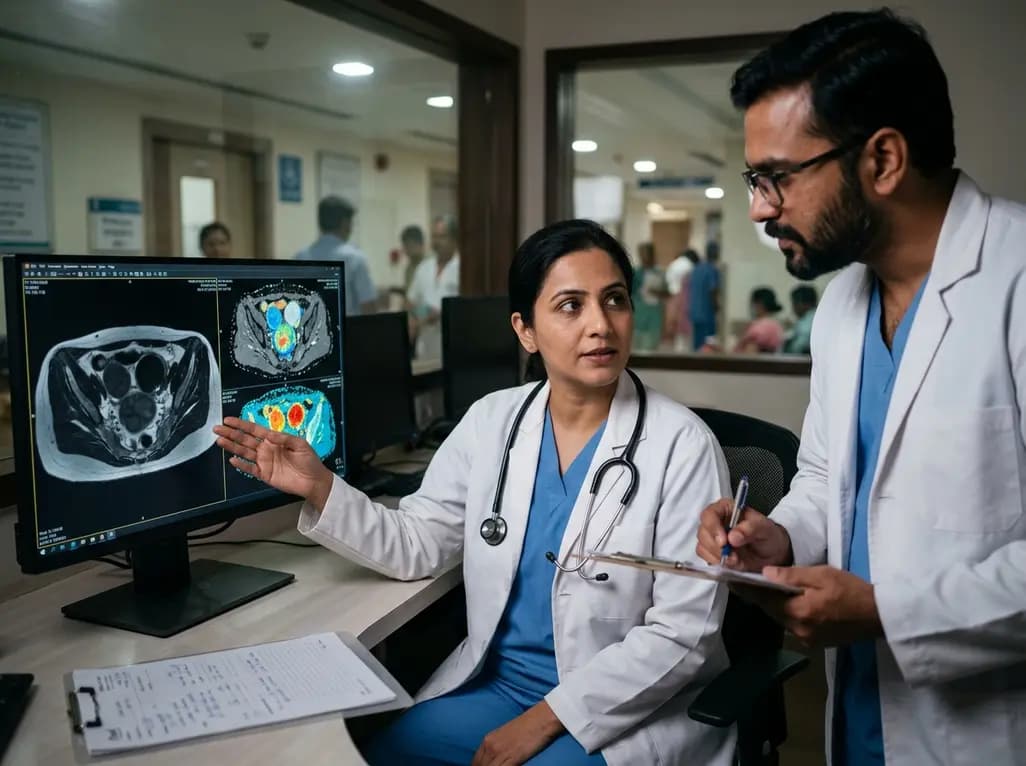
A multiparametric MRI approach combining quantitative T2 shading, apparent diffusion coefficient (ADC) measurements, and morphological signs provides superior diagnostic accuracy over subjective evaluation to differentiate ovarian endometriomas from benign hemorrhagic cysts.
Today
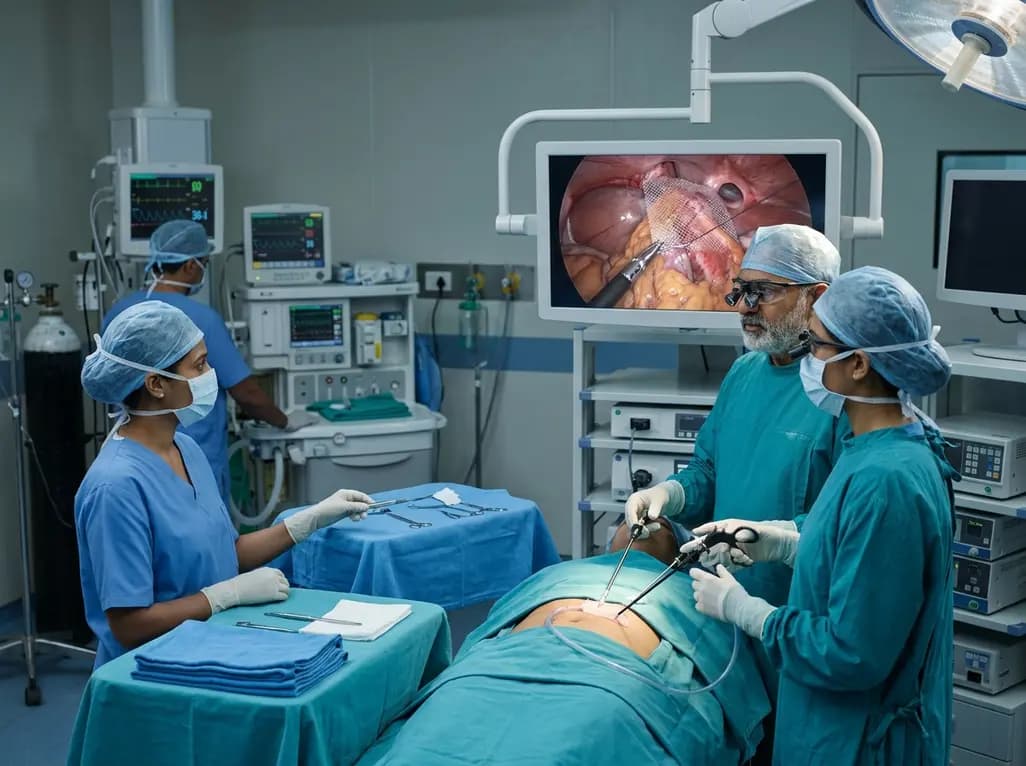
Discover a novel laparoscopic approach for iatrogenic diaphragmatic hernia repair following pedicled omentoplasty. This modified Sugarbaker technique integrates dorsal pedicle lateralization and round ligament reinforcement to secure the diaphragmatic defect while preserving vital omental vascularity.
Today
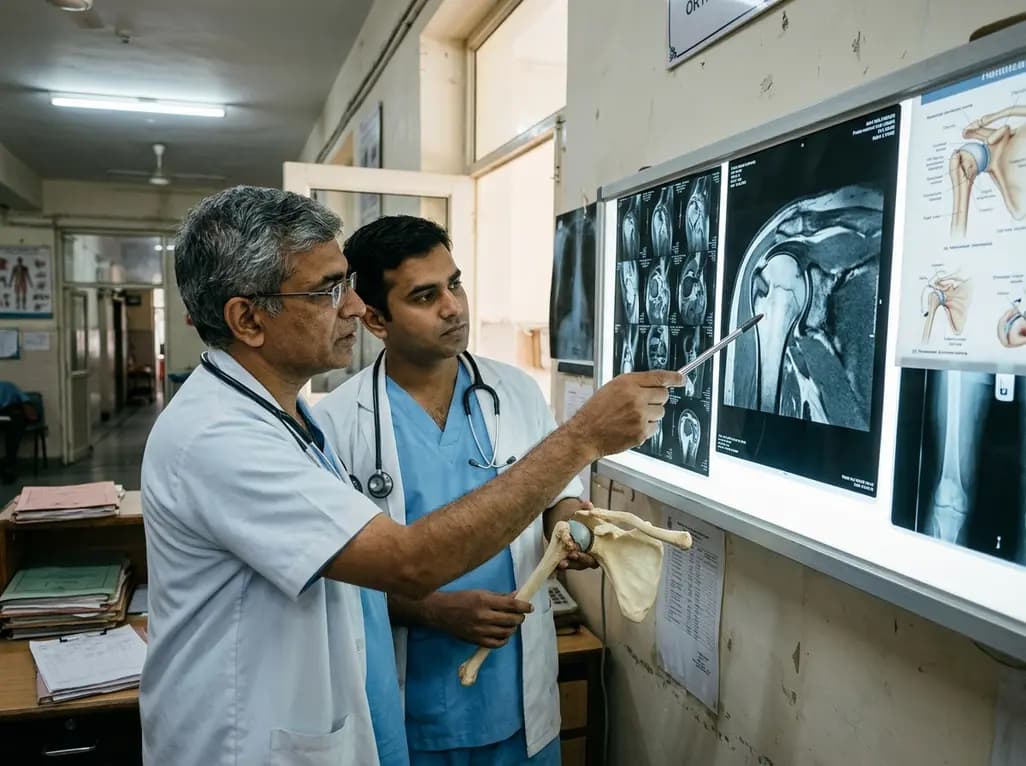
Evaluating Hill-Sachs lesion size and the distance to dislocation is critical in recurrent shoulder instability. As bone loss concepts shift from binary on-track classifications to continuous risk assessment, clinicians must identify when isolated Bankart repair is insufficient and supplementary procedures are needed.
Today
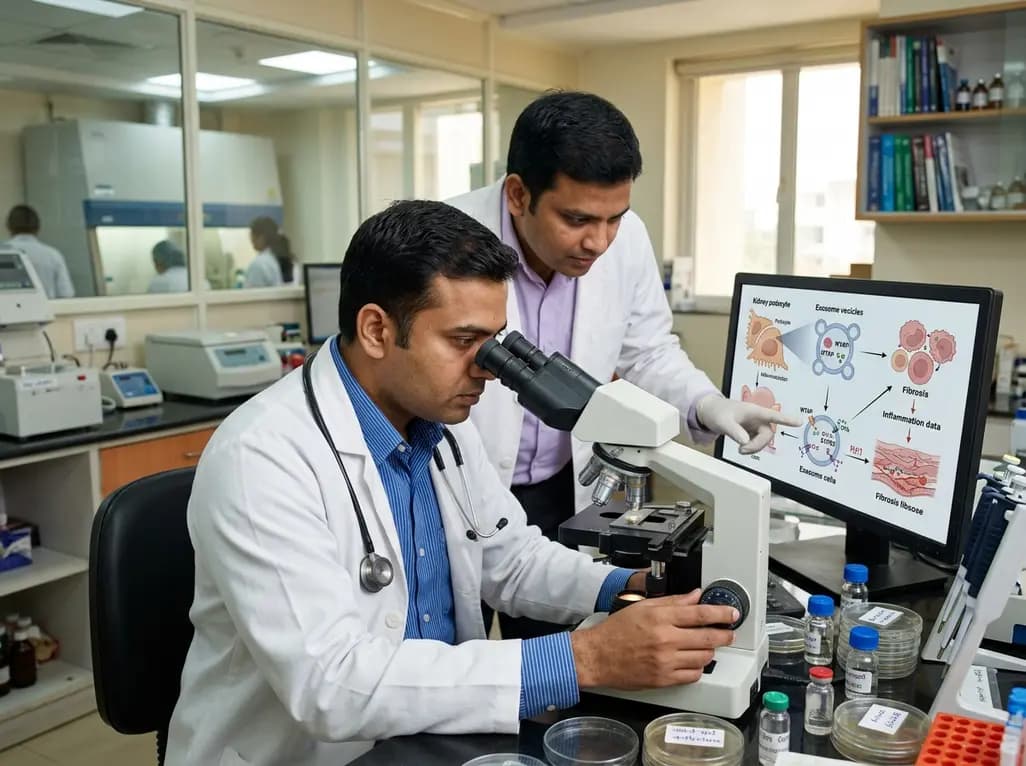
New research reveals that M1 macrophage-derived exosomes aggravate diabetic nephropathy by transferring WTAP to stabilize S1PR2 mRNA. Silencing WTAP in these vesicles attenuates endothelial injury and renal fibrosis, pointing toward innovative nanomedicine therapies.
Today
