.webp&w=384&q=75)

Loading, please wait...
Loading, please wait...

Periodontal disease remains one of the most widespread chronic inflammatory conditions affecting human populations worldwide. Traditional diagnostic approaches rely heavily on clinical probing and dental radiography. However, these conventional methods primarily detect historical tissue destruction rather than active inflammatory dynamics. Saliva-based point-of-care testing offers a compelling non-invasive alternative for real-time health monitoring. Unfortunately, early wearable diagnostic platforms, including smart mouthguards, face significant technical hurdles. Most existing wearable sensors primarily track simple small-molecule metabolites such as glucose or lactate. Consequently, they cannot quantify complex macromolecular inflammatory proteins that define early disease activity. To overcome these diagnostic constraints, researchers developed a novel microfluidic OECT biosensor platform. This advanced bioelectronic device integrates precise microfluidics with organic electrochemical transistors to monitor specific salivary protein signatures. By targeting early host inflammatory responses before irreversible alveolar bone loss occurs, clinicians can intervene much earlier. This technology bridges the gap between lab testing and point-of-care dental monitoring.
The core innovation of this new diagnostic device lies in combining microfluidic sample handling with organic electrochemical transistors. Organic electrochemical transistors represent a breakthrough class of bioelectronic sensors that offer high signal amplification and superior transconductance. These transistors operate efficiently in biological fluids, converting subtle biochemical interactions into robust electrical signals. Furthermore, microfluidic channels control sample movement, ensuring that minute saliva volumes flow smoothly across the active sensing channels without interference. Traditional electrochemical sensors often suffer from poor sensitivity when measuring trace concentrations of large biomacromolecules. In contrast, the integrated microfluidic OECT biosensor leverages organic semiconducting polymers to achieve exceptional signal-to-noise ratios. By handling raw salivary samples with minimal pretreatment, the microfluidic network simplifies the clinical testing workflow. Additionally, the low operational voltage of organic electrochemical transistors prevents biofouling and preserves delicate protein structures during measurement. As a result, this architectural synergy provides clinical-grade analytical precision in a compact, practical platform suitable for rapid point-of-care assessment.
Accurate periodontitis assessment requires measuring multiple complementary host-response biomarkers simultaneously. Single-marker assays frequently fail because isolated biological signals can reflect transient physiological variations rather than progressive pathology. To resolve this challenge, the novel device simultaneously detects two critical biomarkers: interleukin-6 and matrix metalloproteinase-8. Interleukin-6 is a key pro-inflammatory cytokine that drives early localized inflammation and immune cell recruitment. Meanwhile, matrix metalloproteinase-8 serves as the primary collagen-degrading enzyme responsible for connective tissue breakdown and bone resorption. Consequently, measuring both biomarkers together provides a holistic view of active tissue degradation. The sensor achieves remarkable analytical sensitivity with dynamic ranges optimized for early-stage pathology. Specifically, it measures interleukin-6 from 1 to 80 pg/mL and matrix metalloproteinase-8 from 10 to 500 ng/mL. These distinct operational windows match physiological saliva concentrations perfectly, allowing clinicians to distinguish mild gingival inflammation from early periodontitis accurately. Ultimately, multiplexed quantification ensures superior diagnostic specificity across varying patient populations.
To establish clinical viability, researchers evaluated the diagnostic performance of the microfluidic system in a rigorous preclinical rat model. The platform demonstrated outstanding diagnostic reliability, showing a high correlation coefficient exceeding 0.97 when compared directly with standard laboratory gold-standard measurements. Furthermore, the biosensor reliably detected trace analyte levels in complex biological matrices without significant signal degradation. This preclinical validation highlights the device's capability to operate accurately despite the presence of interfering proteins and salivary enzymes. Moreover, the microfluidic channels ensured reproducible fluid transfer, eliminating measurement variability commonly observed in manual assay techniques. By achieving high transconductance at low sample volumes, the system minimizes reagent consumption while delivering rapid diagnostic output. Consequently, these preclinical findings confirm that organic electrochemical technology can overcome historical limitations associated with point-of-care macromolecule detection. This milestone validates the biosensor as a robust candidate for human clinical trials and future commercial development in oral health diagnostics.
The successful development of microfluidic bioelectronic sensors represents a paradigm shift for modern periodontology and preventive dentistry. Traditionally, periodontists evaluate disease progression through retrospective clinical metrics, such as clinical attachment loss and bleeding on probing. However, integrating rapid salivary biomarker profiling into routine check-ups enables true prospective risk stratification. Practitioners can detect subclinical inflammatory surges long before permanent structural damage occurs. Furthermore, this point-of-care technology supports personalized treatment planning, allowing clinicians to monitor therapeutic response following scaling and root planing or localized antimicrobial therapy. In addition, the scalable manufacturing potential of organic electrochemical transistors opens doors for widespread adoption in community dental clinics and underserved regions. As bioelectronic engineering continues to advance, chairside biomarker testing will standardise early periodontitis management. Ultimately, translating advanced microfluidic sensors into daily dental practice will improve long-term patient outcomes, reduce overall healthcare costs, and promote proactive oral care.
Incorporating microfluidic point-of-care devices into digital health ecosystems promises to transform clinical workflows. Modern dental practices increasingly rely on integrated software systems for patient tracking and diagnostic record-keeping. Because organic electrochemical devices generate direct digital electronic signals, they can seamlessly sync with electronic health records. Consequently, clinicians can track longitudinal biomarker trends across multiple patient visits effortlessly. Furthermore, patients gain real-time insight into their periodontal recovery, encouraging better compliance with oral hygiene protocols. In addition, early detection of systemic inflammatory markers in saliva may highlight interdisciplinary links between periodontal health and conditions such as diabetes or cardiovascular disease. Therefore, adopting bioelectronic diagnostic tools benefits both oral health specialists and general practitioners. As regulatory pathways mature, chairside microfluidic testing will become an indispensable component of comprehensive preventive medicine, driving a new era of data-driven patient management.
Unlike traditional clinical examination tools that measure historical tissue destruction, the microfluidic OECT biosensor quantifies active inflammatory proteins in saliva in real time. Standard wearable devices primarily measure small metabolites like glucose. Conversely, this novel bioelectronic sensor uses high transconductance transistors to detect trace macromolecular proteins like IL-6 and MMP-8 with high precision, enabling early detection before irreversible structural damage occurs.
Interleukin-6 (IL-6) and matrix metalloproteinase-8 (MMP-8) provide a complementary biological signature of active periodontitis. IL-6 indicates early pro-inflammatory immune activation, while MMP-8 reflects ongoing collagen breakdown and soft tissue destruction. Measuring both biomarkers simultaneously via multiplexed sensing significantly improves diagnostic specificity, helping clinicians differentiate early gingival inflammation from active destructive periodontitis accurately.
Organic electrochemical transistors offer exceptional signal amplification and high transconductance at very low operating voltages. This allows the sensor to quantify low concentrations of biological macromolecules without damaging fragile proteins or experiencing biofouling. When integrated with microfluidics, these transistors deliver clinical-grade analytical precision from minimal sample volumes, paving the way for rapid chairside diagnostic testing in routine dental care.
Disclaimer: This content is for informational and educational purposes only and does not constitute medical advice. Refer to the latest local and national guidelines for clinical practice.
References

Read summarized clinical updates, watch expert medical content, and earn CME certifications right from your smartphone.
Open your smartphone camera to scan and install.





A novel microfluidic OECT biosensor achieves precise, multiplexed detection of salivary IL-6 and MMP-8 for early periodontal disease diagnosis. Combining organic electrochemical transistors with microfluidics provides clinical-grade precision, surpassing existing wearable point-of-care testing platforms.
Today

The CoVasc-ICH pilot trial demonstrates that testing low-dose colchicine after acute intracerebral hemorrhage is feasible, maintaining high retention and adherence rates without safety signals, supporting larger Phase III clinical trials.
Today

A systematic review involving over 31,000 opioid-exposed children across 10 countries reveals that in utero exposure is linked to long-term visual impairment, attention deficits, and academic difficulties. Clinicians emphasize early developmental screening and family-centered support across health and education.
3 days back
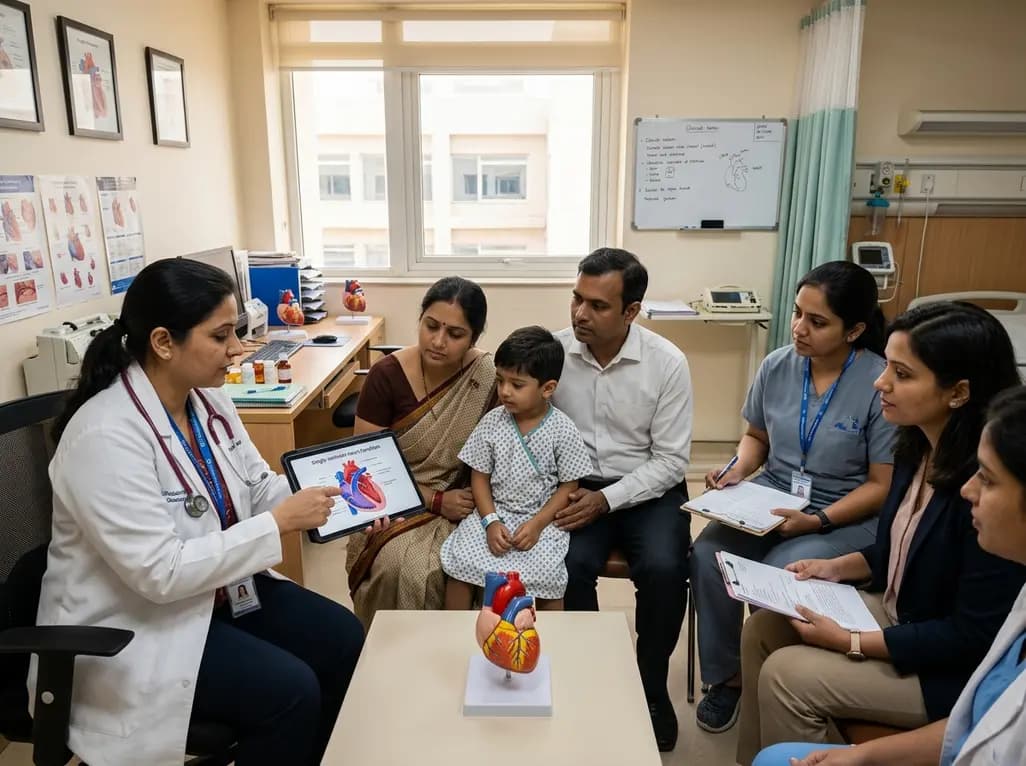
Implementing an interdisciplinary single-ventricle clinic improves pediatric follow-up adherence, enables early complication detection, and enhances family engagement through structured care protocols and psychoeducational workshops in high-complexity tertiary centers.
Today
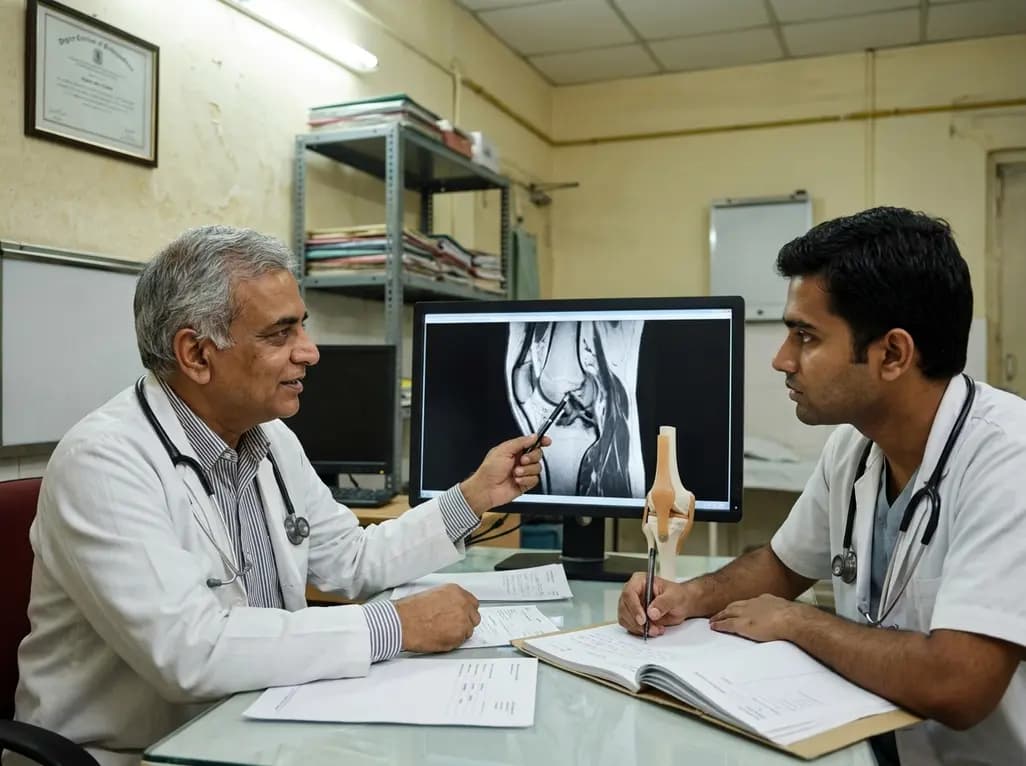
Anterior cruciate ligament reconstruction failure lacks uniform definition. A narrative review proposes an integrative framework incorporating objective and subjective instability, persistent pain, restricted motion, graft rupture, and secondary meniscal injury to standardize clinical reporting.
Last week
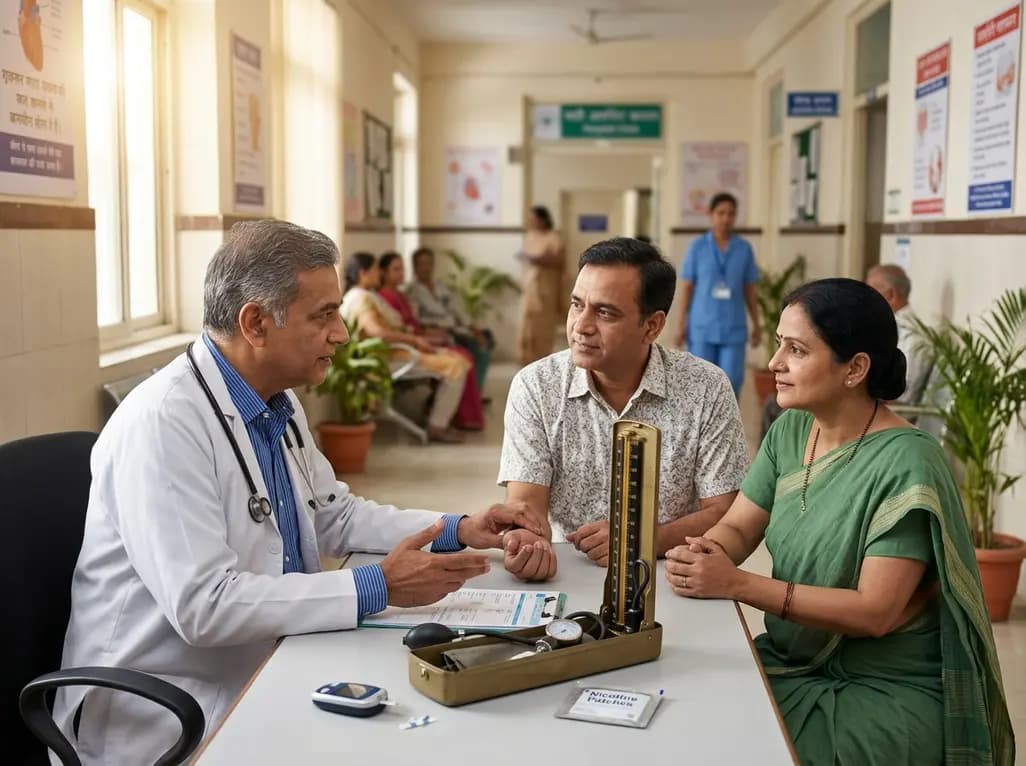
Longitudinal data shows that eliminating hypertension, diabetes, and smoking in midlife extends dementia-free lifespan by up to 13 years. Managing vascular risk factors during middle age effectively preserves cognitive reserve, delaying neurodegenerative decline and optimizing healthy brain aging.
Today
