

Loading, please wait...
Loading, please wait...

Severe exhaustion frequently diminishes quality of life during survivorship, making hematologic cancer-related fatigue one of the most debilitating challenges faced by oncology patients. While clinicians routinely address cytopenias and treatment complications, profound tiredness often lingers indefinitely without clear management pathways. Therefore, identifying targeted pharmacotherapies remains an essential priority in supportive hematology.
Patients living with hematologic malignancies consistently identify chronic exhaustion as their most pervasive unmet medical concern. Although curative and disease-modifying therapies have advanced remarkably, debilitating fatigue persists throughout acute treatment phases and extended survivorship. Unlike typical tiredness, this exhaustion does not resolve with adequate sleep or structured rest periods. Consequently, patients experience substantial declines in cognitive stamina, emotional resilience, daily productivity, and physical functioning. Moreover, the underlying pathophysiology involves intricate interactions between chronic systemic inflammation, hypothalamic-pituitary axis disruptions, marrow suppression, and neuroendocrine signaling alterations. In routine outpatient hematology care, clinicians frequently face immense difficulties because conventional restorative strategies fail to produce meaningful relief. Nonpharmacologic modalities such as aerobic exercise and cognitive behavioral therapy certainly provide measurable advantages for motivated individuals. However, many vulnerable patients lack sufficient baseline energy or social resources to maintain demanding rehabilitation schedules consistently. Therefore, the lack of robust pharmacologic therapies has created a persistent gap in patient-centered supportive care. Clinicians urgently require dependable, evidence-based medication strategies that promptly restore vitality while preserving overall clinical safety.
To address this critical therapeutic gap, researchers conducted a double-blind, randomized, placebo-controlled clinical trial using an elegant two-period crossover design. The investigators enrolled 152 adult patients with confirmed hematologic cancers who reported persistent, moderate-to-severe fatigue. Specifically, the study protocol required an initial Visual Analog Scale fatigue score of four or higher out of ten. Furthermore, candidates maintained adequate baseline hematopoiesis with hemoglobin levels of at least 8.0 g/dL. To eliminate confounding treatment toxicities and drug-drug interactions, participants could not have received active cytotoxic chemotherapy within eight weeks before enrollment. Additionally, researchers excluded individuals currently receiving concomitant psychopharmacologic agents or central stimulants. Participants received either oral methylphenidate or matched placebo capsules across a six-week intervention window. Subsequently, investigators instituted a mandatory one-week treatment-free washout period before crossing patients over to the alternate therapeutic arm for six additional weeks. The primary outcome measure centered on the between-group score difference on the validated Functional Assessment of Chronic Illness Therapy-Fatigue scale. Through this meticulous methodological structure, the authors minimized inter-individual variability and generated highly reliable comparative efficacy data.
The demographic and baseline clinical characteristics highlighted a highly representative adult hematology population. Specifically, the cohort exhibited a median age of 59 years, 44% of participants were women, and 57.3% demonstrated an Eastern Cooperative Oncology Group performance status of zero. In addition, eleven percent of enrolled individuals had previously completed intensive high-dose therapy and autologous stem cell transplantation. When examining primary efficacy metrics, methylphenidate produced marked, statistically significant improvements across subjective and objective energy domains. Participants receiving active methylphenidate achieved an 8.9-point improvement on the Functional Assessment of Chronic Illness Therapy-Fatigue score from baseline. In contrast, patients receiving placebo demonstrated a modest 3.9-point increase during the identical evaluation timeframe. Consequently, the statistically robust between-group difference reached 5.0 points in favor of methylphenidate therapy. Because researchers consider a three-point change on this scale clinically meaningful, this five-point separation represents substantial real-world functional recovery. Furthermore, complementary patient-reported rating scales and visual analog tools consistently mirrored these favorable results, demonstrating that central psychostimulation directly counteracts disabling hematologic cancer-related fatigue.
In any supportive oncology intervention, patient safety and symptom burden dictate real-world clinical feasibility. Throughout this rigorous trial, methylphenidate demonstrated an overall manageable toxicity profile, with the majority of documented adverse events categorized as mild to moderate. Nevertheless, adverse reactions occurred more frequently during active drug periods compared to placebo phases. Specifically, 57% of participants reported adverse events while taking methylphenidate, whereas 40% noted complications during placebo administration. The most commonly reported side effects included mild insomnia, transient headaches, decreased appetite, mild anxiety, and intermittent palpitations. Fortunately, serious adverse events were uncommon, and severe drug-related toxicities did not escalate significantly above standard baseline rates. However, clinicians must remember that psychostimulants stimulate peripheral sympathetic receptors alongside central dopamine and norepinephrine pathways. Therefore, healthcare providers must routinely verify cardiovascular stability before initiating therapy and throughout ongoing dose adjustments. Monitoring resting heart rate and blood pressure remains essential, particularly in older patients or individuals with pre-existing cardiovascular comorbidities. Ultimately, proactive patient education and conservative dose titration enable clinicians to capture therapeutic benefits while avoiding unnecessary adverse reactions.
These compelling randomized findings offer clinicians a vital supportive tool for managing refractory cancer-related exhaustion. Nevertheless, physicians should not view methylphenidate as an isolated monotherapy, but rather as an integral component of comprehensive survivorship care. In clinical practice, hematologists must first systematically rule out treatable secondary contributors to exhaustion. For example, clinicians should promptly correct occult iron deficiency, endocrine dysfunction, sleep apnea, nutritional deficiencies, and poorly controlled chronic pain. Once physicians optimize these reversible medical factors, psychostimulants can serve as an effective pharmacologic bridge. By rapidly reducing physical and mental lassitude, methylphenidate empowers fatigued patients to re-engage with rehabilitative physical exercise, psychological therapies, and normal family routines. Moreover, oncologists should individualize treatment durations, periodically assessing whether patients require continuous medication or brief courses during peak symptom flares. Collaborative communication between hematologists, primary care physicians, and psycho-oncology teams ensures seamless monitoring and sustained therapeutic efficacy. Therefore, adopting this balanced, evidence-based approach helps hematology patients regain personal autonomy, resume meaningful vocational pursuits, and experience vastly improved overall quality of life.
Clinicians typically initiate methylphenidate at a modest dose of 5 mg to 10 mg taken once or twice daily, specifically after breakfast and lunch. Therefore, morning and midday scheduling helps prevent nocturnal insomnia and restlessness. Physicians then titrate the daily dosage gradually according to patient tolerance and clinical symptom relief. However, healthcare teams must continuously evaluate hemodynamic parameters and avoid late-afternoon administration to ensure restful sleep.
Patients often report meaningful improvements within the initial two weeks of starting psychostimulant therapy. Consequently, rapid central nervous system stimulation promotes sustained alertness and physical energy far sooner than most nonpharmacologic behavioral interventions. However, clinical benefits achieve optimal stability when patients maintain the prescribed regimen across five to six weeks. Moreover, treating oncologists should objectively reevaluate fatigue scores periodically to ensure persistent efficacy without escalating unnecessary medication burdens.
Physicians must conduct comprehensive cardiovascular screening, including resting blood pressure measurements and baseline electrocardiography, before prescribing psychostimulants. In addition, oncologists should screen individuals for personal or family histories of arrhythmias, uncontrolled hypertension, substance use disorders, and severe anxiety. Because methylphenidate elevates adrenergic signaling, clinicians must monitor patients regularly throughout treatment. Thus, thorough baseline assessments and careful surveillance protect vulnerable cancer survivors against avoidable adverse cardiovascular and neuropsychiatric complications.
Disclaimer: This content is for informational and educational purposes only... Refer to the latest local and national guidelines for clinical practice.
References

Read summarized clinical updates, watch expert medical content, and earn CME certifications right from your smartphone.
Open your smartphone camera to scan and install.





A double-blind, randomized crossover trial reveals that methylphenidate significantly improves fatigue scores in patients with hematologic malignancies compared to placebo. With mild toxicity and measurable functional recovery, the psychostimulant emerges as an effective supportive care strategy.
Today

A 60-year-old woman presented with subacute cerebellar ataxia, dysautonomia, and hyperreflexia. Despite negative commercial antibody panels, tissue-based assays and phenotypic evolution to blepharospasm guided diagnostic resolution through specialized neuroimmunology testing.
Today

A prospective study reveals significant first-trimester trace-element alterations in pregnant women with epilepsy. Lower serum selenium independently predicted subsequent seizure recurrence despite prior remission, highlighting the vital clinical role of micronutrient profiling during antenatal care.
Today

A 15-year-old patient presented with knee arthralgia and acute rheumatic fever, exhibiting complex arrhythmias including AV blocks and non-sustained ventricular tachycardia despite lacking severe valvulitis. This highlights the importance of extended Holter monitoring in pediatric rheumatic carditis.
Today
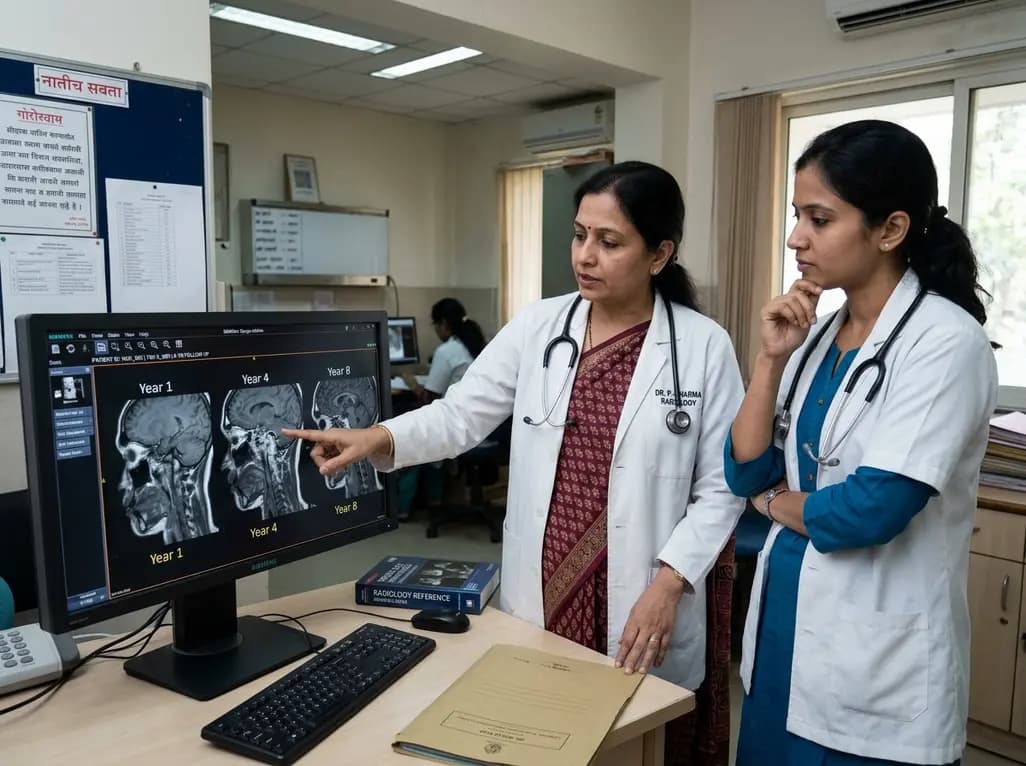
An eight-year longitudinal imaging follow-up reveals severe temporomandibular joint remodeling in nodulosis-arthropathy-osteolysis (NAO) syndrome. Despite extensive osseous destruction, the patient maintained functional jaw opening without TMJ interventions, highlighting the role of conservative management.
Today

Discover essential clinical insights into AGLP1-type amyloidosis, a rare localized complication of glucagon-like peptide-1 analog injections. Learn how histopathology and mass spectrometry differentiate benign iatrogenic amyloidomas from systemic disease, preventing misdiagnosis and unwarranted therapies.
Today
