.webp&w=384&q=75)

Loading, please wait...
Loading, please wait...

Metastatic spine disease presents substantial clinical and surgical challenges for modern oncology teams. As primary malignancies advance, skeletal metastases frequently compromise structural stability and compress neural pathways. Clinicians must balance urgent palliative interventions against potential surgical risks. Furthermore, understanding distinct prognostic variables remains vital, as patient sex significantly influences clinical recovery and survival.
Surgical decompression, instrumented stabilization, and targeted radiation therapy serve as standard palliative interventions for spinal metastases. Historically, clinicians assumed that therapeutic responses remained largely uniform across male and female patient cohorts. However, contemporary epidemiological inquiries challenge this conventional perspective. Researchers examined a prospective, international multicenter cohort encompassing nearly four hundred oncology patients undergoing operative intervention or radiotherapy. The cohort included 207 female and 183 male individuals. Notably, baseline characteristics revealed meaningful divergences between the cohorts regarding age, smoking habits, and primary cancer origins. Female patients presented at younger ages and displayed distinct oncologic profiles, such as breast carcinoma primaries. Conversely, male patients demonstrated higher smoking prevalence and higher frequencies of prostate or lung malignancies. Additionally, these disparate baseline features underscore how underlying physiological disparities and lifestyle factors intersect in advanced malignancy. Clinicians must recognize that disease trajectories do not operate in a demographic vacuum. Consequently, evaluating therapeutic efficacy demands rigorous stratification by sex to prevent distorted prognostic conclusions.
Preserving health-related quality of life represents the paramount clinical objective in palliative spine oncology. Metastatic destruction of vertebral architecture generates intractable mechanical pain, progressive neurological deficit, and severe physical impairment. To capture functional status comprehensively, investigators implemented validated patient-reported outcome measures. Specifically, the study evaluated the EuroQoL-5D questionnaire, numeric pain rating scales, the Short Form 36 version 2, and the Spine Oncology Study Group Outcomes Questionnaire. Both male and female patients achieved profound, statistically significant improvements across pain metrics and functional indices following treatment. Surgical intervention and targeted radiation successfully restored spinal stability and alleviated severe neuropathic compression. Interestingly, both sexes derived comparable functional relief, demonstrating that reconstructive spine procedures deliver reliable physical restoration irrespective of patient sex. Furthermore, sensitivity analyses excluding gender-specific cancers confirmed that functional improvements remained robust across diverse tumor histologies. Patients consistently reported notable reductions in daily analgesic requirements alongside improved mobility. Therefore, palliative interventions reliably restore dignity and mitigate cancer pain during advanced stages of malignancy.
Although symptom relief showed remarkable parity between sexes, clinical outcomes diverged sharply regarding complication rates and overall survival. Female participants demonstrated significantly longer overall survival intervals compared with their male counterparts. Moreover, women exhibited lower rates of perioperative complications following invasive surgical interventions. In contrast, male patients experienced higher frequencies of wound dehiscence, systemic infections, and medical complications. Several factors likely contribute to this notable survival divergence. Men exhibited higher historical tobacco exposure, which impairs microvascular circulation, delays surgical wound healing, and elevates pulmonary morbidity. Additionally, male-specific primary cancers and comorbid cardiovascular diseases frequently compromise physiological reserve during surgical stress. Importantly, multivariate survival analyses maintained this female survival benefit even after adjusting for confounding variables. This finding challenges earlier assumptions that women routinely experience poorer post-surgical outcomes across surgical disciplines. Instead, these data demonstrate that female patients with metastatic spine involvement possess resilient physiological capacity and navigate reconstructive surgeries with fewer adverse events. Consequently, risk stratification protocols must account for these distinct clinical trajectories.
To interpret these divergent findings, clinicians must explore underlying biological, immunological, and hormonal mechanisms. Sex hormones profoundly modulate inflammatory cascades, tissue repair, and bone remodeling. Estrogen receptors, for example, influence osteoclast activity and preserve bone mineral matrix density, potentially dampening rapid osteolytic spinal degradation. Furthermore, female immune responses generally demonstrate enhanced pathogen clearance and robust humoral antibody production, which may explain lower surgical site infection rates. Conversely, testosterone suppresses certain immune functions, leaving male patients vulnerable to systemic post-operative infections and delayed tissue recovery. Beyond cellular immunology, genetic and epigenetic variations between sexes dictate metabolic processing of systemic chemotherapeutic agents and immunotherapies. Female cancer patients often maintain favorable metabolic profiles that optimize antineoplastic drug efficacy while minimizing catastrophic systemic toxicity. Similarly, differing patterns of skeletal muscle preservation, known as sarcopenia, heavily affect frailty scores in advanced cancer. Sarcopenia occurs with higher frequency in aging men, directly increasing perioperative mortality. Therefore, recognizing sex as a fundamental biological variable illuminates why therapeutic responses and longevity diverge so noticeably.
Translating these findings into daily clinical workflows requires an adaptable, multidisciplinary management framework. Modern metastatic spine protocols integrate the Spinal Instability Neoplastic Score alongside neurological, oncological, mechanical, and systemic assessments. When surgeons evaluate male patients, they should recognize the heightened risks of wound complications and compromised pulmonary status. Consequently, surgical teams should implement aggressive prehabilitation, rigorous perioperative nutritional support, and strict smoking cessation protocols to protect vulnerable tissues. Plastic surgery closure techniques, including local muscle flaps, may further reduce wound breakdown in high-risk male patients. Meanwhile, female patients benefit from accurate life-expectancy estimations that justify durable reconstruction rather than temporary minimal fixation. Stereotactic body radiation therapy provides focal tumor control with minimal collateral soft-tissue injury, offering an exceptional adjunct for both sexes. Furthermore, post-discharge rehabilitation must address unique psychosocial barriers. Female caregivers frequently lack sufficient domestic support during convalescence, whereas male patients may delay reporting early signs of wound failure. Thus, personalized clinical pathways should combine customized surgical execution with proactive post-operative surveillance.
Future spine oncology research must transition from descriptive cohort analyses to targeted translational interventions. Prospective clinical trials should deliberately stratify participant cohorts by sex and explore circulating biomarkers that predict surgical resilience. For instance, measuring pre-treatment serum cytokines and muscle wasting markers could refine individual surgical risk models. In addition, health systems must bridge the gap between acute surgical intervention and long-term palliative care integration. Palliative specialists optimize pain control, manage debilitating fatigue, and navigate complex end-of-life discussions alongside surgical teams. Addressing sociodemographic disparities also remains crucial. Cultural norms frequently dictate how men and women perceive symptom burden, seek healthcare advice, and tolerate functional dependence. By actively monitoring these gender dynamics, clinicians can ensure equitable access to timely surgical decompression before irreversible paralysis occurs. Ultimately, acknowledging that sex influences clinical outcomes fosters more compassionate, tailored, and effective care. Clinicians who understand these nuanced patterns will guide patients through advanced malignancy with greater precision and empathy.
Female patients demonstrate significantly longer overall survival than male patients following treatment for spinal metastases. This survival advantage persists even after adjusting for age, primary cancer histology, and treatment modalities. Favorable biological factors, lower smoking exposure, and reduced surgical complication rates collectively explain this pronounced survival divergence.
Yes, both male and female patients experience statistically significant and clinically meaningful improvements in health-related quality of life. Validated outcome measures confirm comparable reductions in debilitating pain, restored neurological stability, and marked functional recovery across both sexes following surgical decompression, instrumented stabilization, and targeted radiation therapy.
Male patients demonstrate significantly higher complication rates primarily due to greater baseline cardiovascular comorbidities, elevated smoking prevalence, and increased rates of pre-existing sarcopenia. These physiological factors impair tissue microcirculation, compromise systemic immune defense, and delay surgical wound healing, culminating in higher risks of surgical site infection and dehiscence.
Disclaimer: This content is for informational and educational purposes only and should not be considered medical advice. Always consult a qualified healthcare provider for diagnosis and treatment decisions. Refer to the latest local and national guidelines for clinical practice.
References

Read summarized clinical updates, watch expert medical content, and earn CME certifications right from your smartphone.
Open your smartphone camera to scan and install.





A prospective multicenter international cohort study demonstrates significant sex differences in metastatic spine disease outcomes. While both male and female patients experience marked health-related quality of life gains, women achieve significantly longer overall survival and experience fewer complications.
Today

A recent Journal of Clinical Oncology study demonstrates that industry payments to oncologists directly sway prescribing behavior. Oncologists who received marketing transfers favored promoted therapies over non-promoted alternatives, highlighting critical ethical concerns for evidence-based cancer practice.
Today

A recent qualitative study examines how college students seek digital sexual health information under persistent uncertainty. Discover the concept of functional trust, the clinical hazards of search abandonment, and evidence-based approaches clinicians can adopt to guide youth toward verified reproductive healthcare.
Today

A randomized controlled trial demonstrates that curated FOAMed videos and podcasts produce superior gains in high-risk ECG interpretation and acute coronary syndrome clinical decision-making compared with print-based materials among interprofessional emergency care teams.
Today

A study reveals that Ginsenoside Rg3 attenuates osteoarthritis progression by modulating the Nrf2-mediated autophagy pathway, reducing chondrocyte apoptosis, and curbing extracellular matrix degradation, offering promising chondroprotective potential.
Today
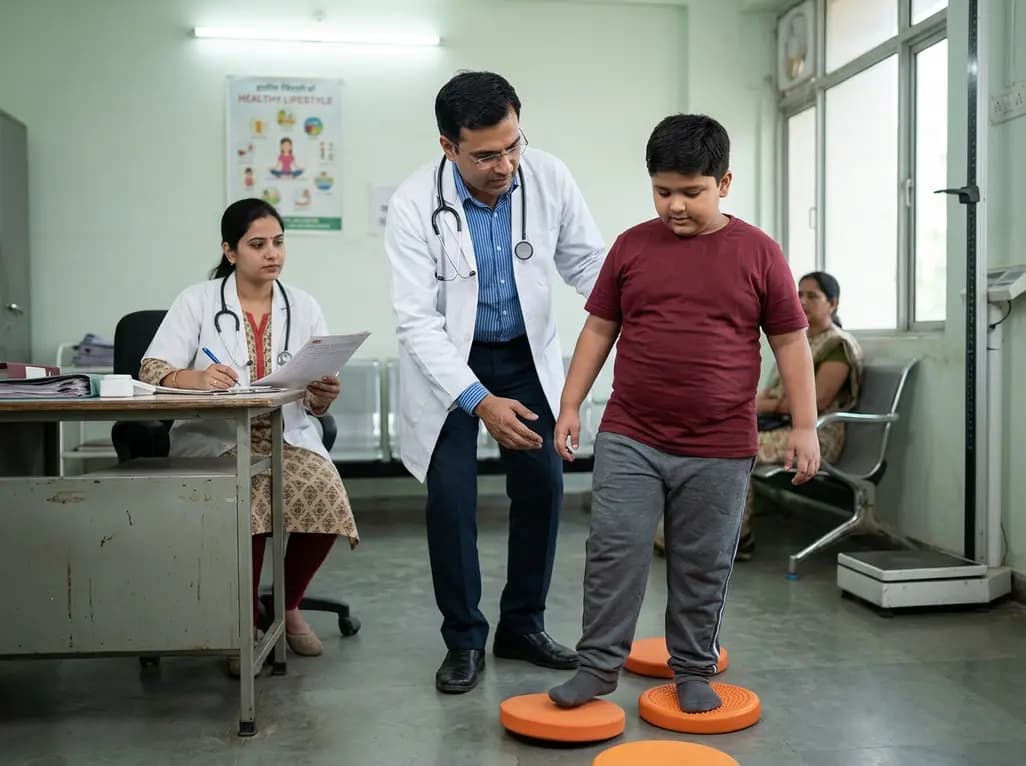
A cross-sectional study demonstrates that lower pediatric motor competence strongly correlates with adverse metabolic syndrome markers, including central adiposity, elevated triglycerides, and low HDL cholesterol, emphasizing early neuromuscular interventions in youth with overweight and obesity.
Today
