.webp&w=384&q=75)

Loading, please wait...
Loading, please wait...

Male suicide remains a persistent and inequitable public health challenge across the globe. Clinical guidelines routinely emphasize early intervention as a critical preventive pillar. However, actual mental health service utilisation rates among vulnerable men often fall remarkably short of clinical expectations. A landmark investigation using data from the Australian Longitudinal Study on Male Health (Ten to Men) sheds vital light on this crisis. Researchers analyzed linked administrative and questionnaire data from 8,793 adult men to evaluate patterns of care. Consequently, the findings provide vital insights into the intersection of suicidal thoughts and behaviours (STBs) and formal healthcare engagement. Approximately 19.7% of surveyed men reported lifetime suicidal ideation, whereas 5.5% reported previous suicide attempts. Furthermore, men experiencing STBs showed higher odds of having accessed care at least once compared to asymptomatic peers. Nevertheless, the study uncovered an alarming disparity: nearly half of men with lifetime suicidality had never accessed formal psychological or psychiatric services. Therefore, simply recognizing distress does not reliably translate into timely clinical consultations. Healthcare systems must systematically address the profound disconnect between psychiatric distress and professional engagement.
The study utilized robust multivariate Poisson regression models to analyze specific associations with healthcare engagement. Men with lifetime suicidal experiences attended more total consultations when they did enter the healthcare system. However, the initial hurdle of reaching care remains substantial. In fact, roughly 50% of individuals with established suicidal histories remained completely hidden from specialized clinical registers. Strikingly, males reporting suicidal ideation accessed outpatient and psychiatric services at rates comparable to those who had attempted suicide. This equivalence demonstrates that acute escalation in severity does not necessarily drive higher clinical engagement. Consequently, primary care providers cannot assume that non-attempting individuals face fewer obstacles or experience milder functional impairment. Both cohorts confront comparable personal and institutional friction. Moreover, the lack of differential service contact highlights that subjective distress alone does not adequately prompt voluntary care initiation. Many men normalize distress until a critical threshold is breached. Therefore, relying exclusively on patient-initiated contact leaves countless high-risk patients vulnerable. Clinicians must actively adopt systematic detection methods rather than waiting for voluntary disclosures during routine medical encounters.
The investigation identified several critical sociodemographic and clinical variables associated with decreased mental health service utilisation. Specifically, males residing in regional and rural communities demonstrated significantly lower rates of clinical engagement. These geographic disparities stem from persistent specialist shortages, heightened community visibility, and enduring stoic social expectations. In addition, sexual minority men and individuals living with physical disabilities exhibited markedly decreased service uptake. These findings indicate that intersectional marginalization exacerbates systemic friction. Furthermore, older age emerged as a strong predictor of disengagement. Older men frequently underutilize psychiatric services due to generational stigma, diagnostic overshadowing, and low mental health literacy. Surprisingly, the presence of depressive symptoms also correlated with decreased service access. Severe depressive affect often diminishes motivational drive, induces hopelessness, and impedes complex executive help-seeking tasks. Hence, the paradox deepens: the patients who require urgent clinical intervention often face the greatest neurovegetative and psychological barriers to acquiring it. Consequently, health systems must eliminate rigid bureaucratic navigation pathways to facilitate access for vulnerable demographics.
From a clinical standpoint, understanding the parity in service engagement between suicidal ideators and attempt survivors is paramount. Traditionally, emergency and hospital-based frameworks mobilize intensive psychiatric resources predominantly following overt self-harm or acute attempts. However, ideation without documented action carries immense longitudinal morbidity and substantial risk of subsequent mortality. The data shows that ideating men face identical barriers to formal care as those with past attempts. Furthermore, underlying feelings of isolation and perceived burdensomeness often deter both groups equally. Men experiencing passive or active ideation frequently withhold symptoms during consultations due to embarrassment or fear of involuntary hospitalization. In addition, traditional masculine norms valorizing absolute emotional self-reliance exacerbate resistance to psychological support. When clinicians fail to ask direct questions, these men remain untreated until catastrophic deterioration occurs. Consequently, family physicians and general practitioners must reframe suicidal ideation as an actionable clinical emergency. Proactive psychiatric screening protocols must operate vigorously across all primary care touchpoints to interrupt suicidal trajectories early.
General practitioners and primary care physicians occupy the ultimate front line for male suicide prevention. Because vulnerable men frequently seek care for physical complaints, routine somatic visits represent invaluable screening opportunities. Clinicians should routinely integrate validated screening instruments, such as the Patient Health Questionnaire, into routine check-ups. Furthermore, clinicians must normalize conversations surrounding emotional distress to dismantle entrenched social shame. Telemedicine and digital health services offer an exceptional avenue to circumvent geographic obstacles in remote and rural settings. These modalities provide private, accessible, and flexible interventions without local exposure. In addition, healthcare providers must cultivate culturally responsive and affirming practices for sexual minorities and disabled individuals. Training clinical teams to navigate chronic somatic disability alongside comorbid mood disorders significantly mitigates diagnostic overshadowing. Finally, clear collaborative safety planning should replace punitive emergency referrals whenever clinically feasible. Empowering male patients with actionable coping strategies encourages continuous therapeutic alliance and long-term engagement.
Although this investigation examined Australian cohort records, its core findings reflect pervasive challenges across international healthcare ecosystems. In countries like India, male suicide accounts for a massive proportion of preventable mortality, compounded by immense social stigma and severe specialist deficits. Sociodemographic inequities, rural isolation, and deep-seated fears of mental health labeling universally impede timely intervention. Therefore, healthcare leaders globally must redesign service delivery models to reach men where they live, work, and socialize. Workplace health initiatives, community sports alliances, and community-based mental health worker frameworks successfully normalize mental health dialogue. Furthermore, cross-sector collaborations can demystify psychiatric therapy and educate families on recognizing subtle behavioral warning signs. Increasing funding for decentralized mental health clinics will progressively bridge equity divides. Ultimately, closing the vast treatment gap demands a fundamental shift from passive clinical reception to proactive, community-integrated screening. Through persistent systemic reform and empathetic clinical interactions, medical professionals can successfully engage vulnerable men before preventable tragedies happen.
Men often avoid seeking care because of traditional masculine norms, fear of perceived weakness, social stigma, and generational reticence. Furthermore, severe depressive symptoms directly diminish motivational drive, whereas structural barriers, such as geographical isolation and limited provider availability, further impede timely clinical engagement.
Surprisingly, evidence demonstrates that men who have attempted suicide access mental health services at rates comparable to those experiencing suicidal thoughts alone. Consequently, having survived a suicide attempt does not automatically eliminate personal, financial, or systemic barriers to ongoing outpatient mental health care.
Primary care physicians should adopt universal, proactive mental health screening during routine physical check-ups. Moreover, clinicians can build strong therapeutic alliances by normalizing psychological distress, addressing somatic presentations of depression, ensuring absolute confidentiality, and utilizing modern telehealth platforms to reduce geographic and logistical access barriers.
Disclaimer: This content is for informational and educational purposes only... Refer to the latest local and national guidelines for clinical practice.
References
Vickers DL et al. Analysis of sociodemographic and health related factors influencing mental health service utilisation amongst Australian males with experience of suicidal thoughts or attempts. J Affect Disord. 2025 Jun 15. doi: 10.1016/j.jad.2025.02.024. PMID: 39978478.
World Health Organization. Comprehensive Mental Health Action Plan 2013-2030. Geneva: World Health Organization; 2021.
Armstrong G, Vijayakumar L, Niederkrotenthaler T, et al. Assessing the impact of suicide reporting guidelines in India. BMJ Glob Health. 2021;6(7):e005595.

Read summarized clinical updates, watch expert medical content, and earn CME certifications right from your smartphone.
Open your smartphone camera to scan and install.





A cohort analysis reveals that nearly 50% of adult males experiencing suicidal ideation or suicide attempts never access mental health services. Identifying critical barriers such as rurality, minority identity, and age helps clinicians personalize outreach and improve early psychiatric intervention.
Today

A recent Journal of Clinical Oncology study demonstrates that industry payments to oncologists directly sway prescribing behavior. Oncologists who received marketing transfers favored promoted therapies over non-promoted alternatives, highlighting critical ethical concerns for evidence-based cancer practice.
Today

A recent qualitative study examines how college students seek digital sexual health information under persistent uncertainty. Discover the concept of functional trust, the clinical hazards of search abandonment, and evidence-based approaches clinicians can adopt to guide youth toward verified reproductive healthcare.
Today
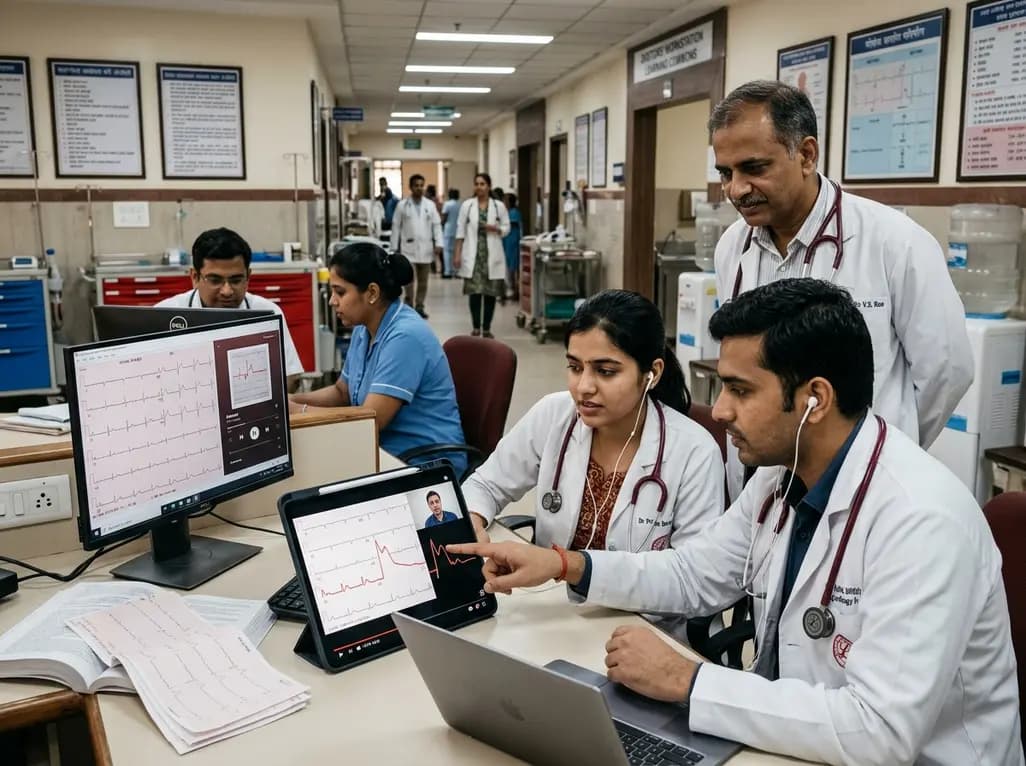
A randomized controlled trial demonstrates that curated FOAMed videos and podcasts produce superior gains in high-risk ECG interpretation and acute coronary syndrome clinical decision-making compared with print-based materials among interprofessional emergency care teams.
Today

A study reveals that Ginsenoside Rg3 attenuates osteoarthritis progression by modulating the Nrf2-mediated autophagy pathway, reducing chondrocyte apoptosis, and curbing extracellular matrix degradation, offering promising chondroprotective potential.
Today
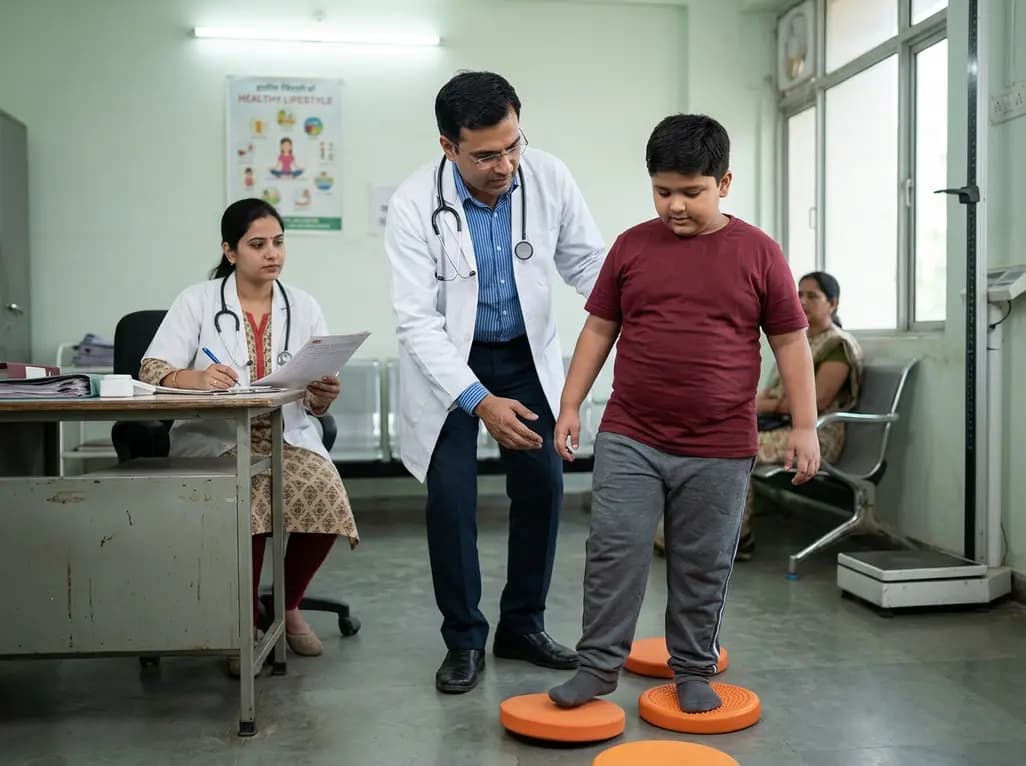
A cross-sectional study demonstrates that lower pediatric motor competence strongly correlates with adverse metabolic syndrome markers, including central adiposity, elevated triglycerides, and low HDL cholesterol, emphasizing early neuromuscular interventions in youth with overweight and obesity.
Today
