.webp&w=384&q=75)

Loading, please wait...
Loading, please wait...

Higher education institutions rely on faculty members to educate students, produce rigorous research, and support community initiatives. However, maintaining optimal mental health in academia has grown increasingly difficult in modern university environments. Heavy teaching schedules, administrative burdens, and heightened research demands create severe occupational pressure. Recent nationwide evidence demonstrates that rising publication targets and extended work hours contribute directly to psychological distress among university staff. Consequently, healthcare professionals, academic administrators, and institutional leaders must examine these underlying occupational hazards. Understanding these challenges enables academic centers to construct healthier workplaces, protect vulnerable faculty, and implement evidence-based support structures that preserve psychological well-being.
Work-hour expectations have escalated across global university systems, directly threatening faculty well-being. A nationwide survey encompassing 1,380 academics revealed that over 40% routinely work beyond standard legal full-time limits. In addition, academic duties regularly spill into weekends, holidays, and evening hours, which disrupts restorative recovery. Therefore, chronic overtime frequently precipitates persistent emotional exhaustion and cognitive fatigue. Clinicians recognize that prolonged occupational strain without adequate rest intervals elevates vulnerability to anxiety and depressive disorders. Furthermore, blurred boundaries between home life and academic duties heighten interpersonal stress. As institutional demands expand, faculty members struggle to maintain balanced personal schedules. Consequently, higher education governing bodies must establish transparent operational limits to curb unsustainable labor practices.
Psychological distress does not affect all academic professionals equally. Demographic analyses demonstrate distinct vulnerability patterns across age, gender, and academic hierarchy. Specifically, female academics, younger researchers, faculty members without children, and junior staff report disproportionately poorer mental health outcomes. Early-career scholars often navigate precarious short-term contracts, minimal institutional influence, and lower financial compensation. Moreover, female professionals frequently encounter implicit institutional biases, disproportionate service loads, and unequal mentorship opportunities. Consequently, cumulative stressors exacerbate self-doubt, career uncertainty, and imposter phenomena in these subgroups. Recognizing these specific vulnerabilities allows occupational health specialists to design targeted counseling interventions and institutional support mechanisms tailored to high-risk faculty groups.
The prevailing ethos of academic performance prioritizes continuous scholarly publishing as the definitive metric for career advancement. However, relentless publication pressure represents one of the strongest statistical predictors of elevated psychological distress and lower life satisfaction. Academics must navigate competitive peer-review cycles, journal rejections, and institutional quotas that dictate tenure decisions. In addition, workplace incivility and unwanted behaviors markedly aggravate psychological harm. Hostile departmental interactions, microaggressions, and inadequate dispute-resolution procedures severely undermine institutional trust. Together, toxic cultural dynamics and aggressive publishing requirements create sustained emotional strain. Therefore, medical educators and academic departments must foster transparent environments that condemn mistreatment and reward collaborative scholarship.
Remediating occupational distress requires comprehensive institutional structural reforms rather than isolated individual coping tactics. University leadership must recalibrate faculty assessment systems away from purely quantitative publication tallies toward qualitative scholarly excellence. Furthermore, departments must implement equitable workload models that distribute teaching, administration, and mentoring obligations fairly. Institutional wellness initiatives should also embed confidential mental health services, structured stress-mitigation workshops, and peer-support networks within campus environments. By doing so, organizations dismantle the persistent stigma surrounding psychological distress in intellectual communities. Ultimately, cultivating psychological safety protects employee retention, enhances instructional quality, and protects the overarching educational mission of modern universities.
The occupational dynamics observed in general academia closely parallel conditions in medical colleges and teaching hospitals. Clinician-educators face dual burdens because they must balance patient care responsibilities with clinical research and resident mentoring. In countries like India, regulatory authorities such as the National Medical Commission increasingly emphasize faculty welfare and resident work-hour limits. Nevertheless, institutional pressures to maintain indexed citations and accreditation metrics frequently strain junior medical teachers. Healthcare administrators must therefore integrate comprehensive occupational mental health frameworks into medical education governance. Prioritizing structured faculty development, clear mentorship paths, and transparent promotion criteria ensures sustainable career longevity and higher clinical teaching quality.
The primary drivers include excessive working hours, high publication quotas, job insecurity, administrative burdens, and workplace incivility. These structural pressures collectively generate chronic occupational stress, emotional exhaustion, and diminished psychological well-being across diverse academic disciplines and institutional ranks.
Junior faculty, younger researchers, female academics, and individuals with lower household earnings demonstrate heightened vulnerability. These professionals frequently encounter intense career instability, lower institutional influence, pay disparity, and unequal service demands, which exacerbate psychological distress and professional anxiety.
Institutions must adopt realistic research metrics, regulate excessive working hours, and actively prevent workplace mistreatment. Furthermore, providing confidential counseling services, fair workload distribution models, and dedicated mentorship programs helps foster an inclusive, supportive academic environment that protects professional well-being.
Disclaimer: This content is for informational and educational purposes only. It does not constitute medical advice and should not replace clinical judgement. Healthcare professionals should evaluate cases individually. Refer to the latest local and national guidelines for clinical practice.
References
Abidin FA et al. Mental health in academia: A national survey on risk and protective factors in the Indonesian context. PLoS One. 2026. doi: 10.1371/journal.pone.0358652. PMID: 42766601.
Fahmi R et al. Impact of Academic Workload and Publication Pressure on Indonesian Lecturers' Mental Health. J High Educ Policy. 2026.
Shen X et al. The Effect of Occupational Stress and Coping Strategies on Mental Health and Emotional Well-Being Among University Academic Staff. Front Public Health. 2021.

Read summarized clinical updates, watch expert medical content, and earn CME certifications right from your smartphone.
Open your smartphone camera to scan and install.





A comprehensive national survey examines mental health in academia, highlighting the impact of publication pressure, excessive work hours, and workplace climate on faculty well-being, while proposing key institutional interventions.
Today
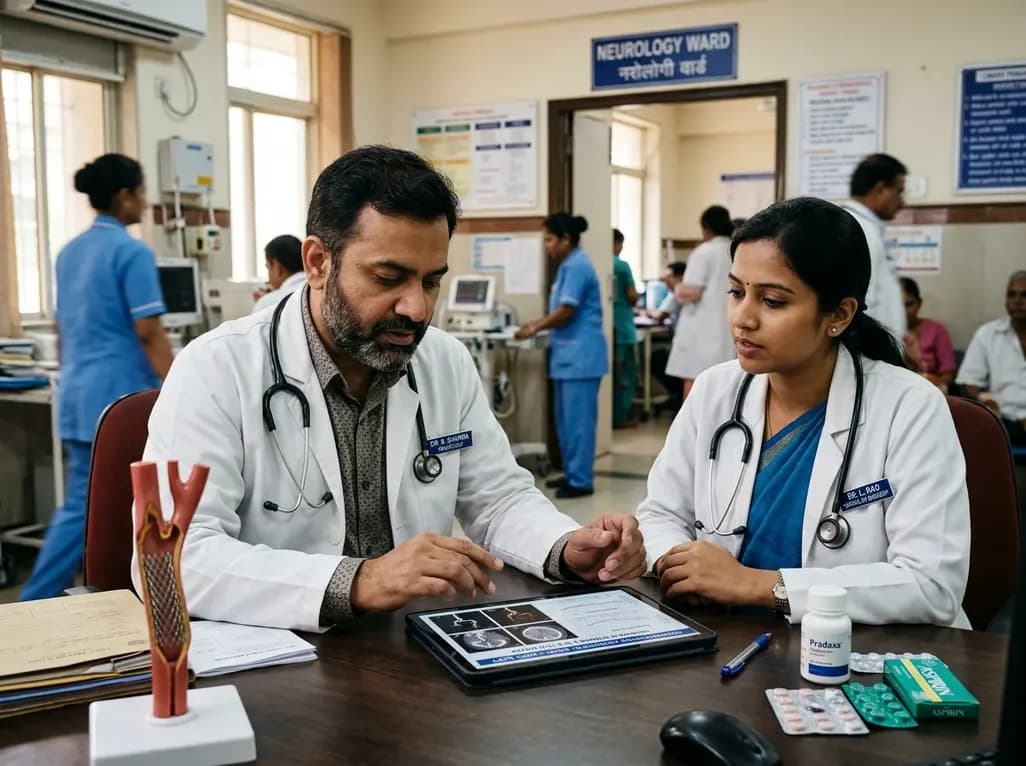
A multicenter propensity-matched study evaluated DOAC plus single versus dual antiplatelet therapy after carotid artery stenting. Findings revealed comparable intracranial hemorrhage and ischemic stroke rates, supporting DOAC plus SAPT as a viable antithrombotic strategy in high-risk patients.
Today
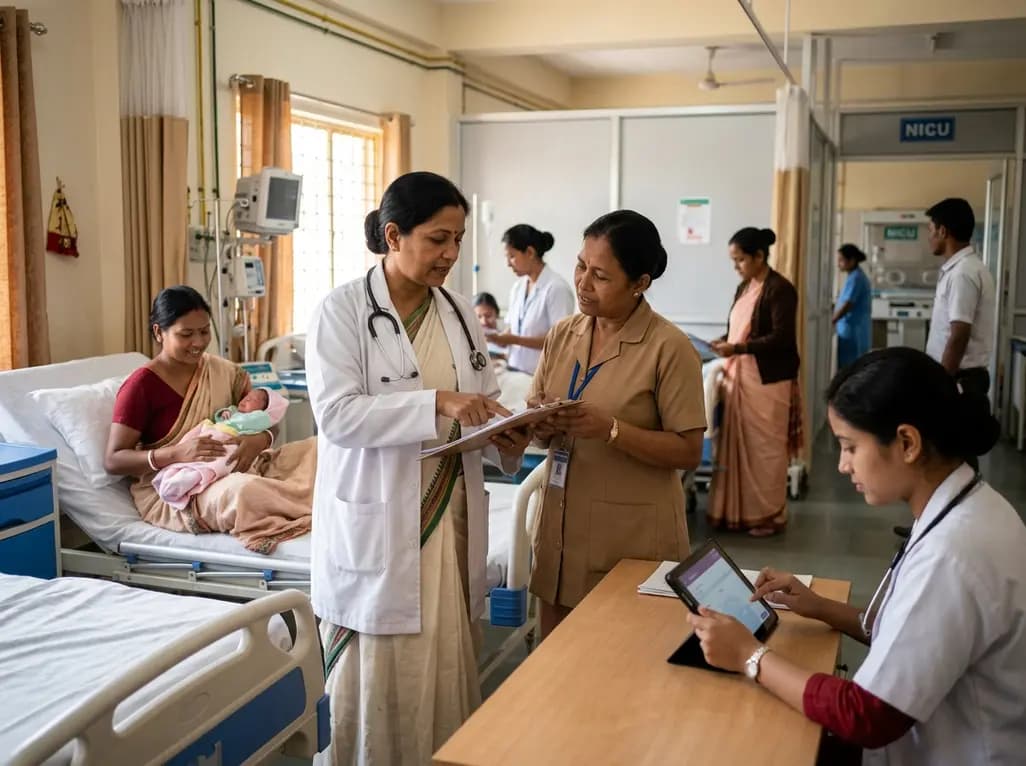
Meghalaya recorded a historic 55% reduction in maternal deaths, dropping from 244 to 107 over five years. Through the MOTHER app, dedicated transit homes, and expanded infrastructure like the 150-bed Tura Maternity Hospital with its first public NICU, the state demonstrates an effective public health model.
Today
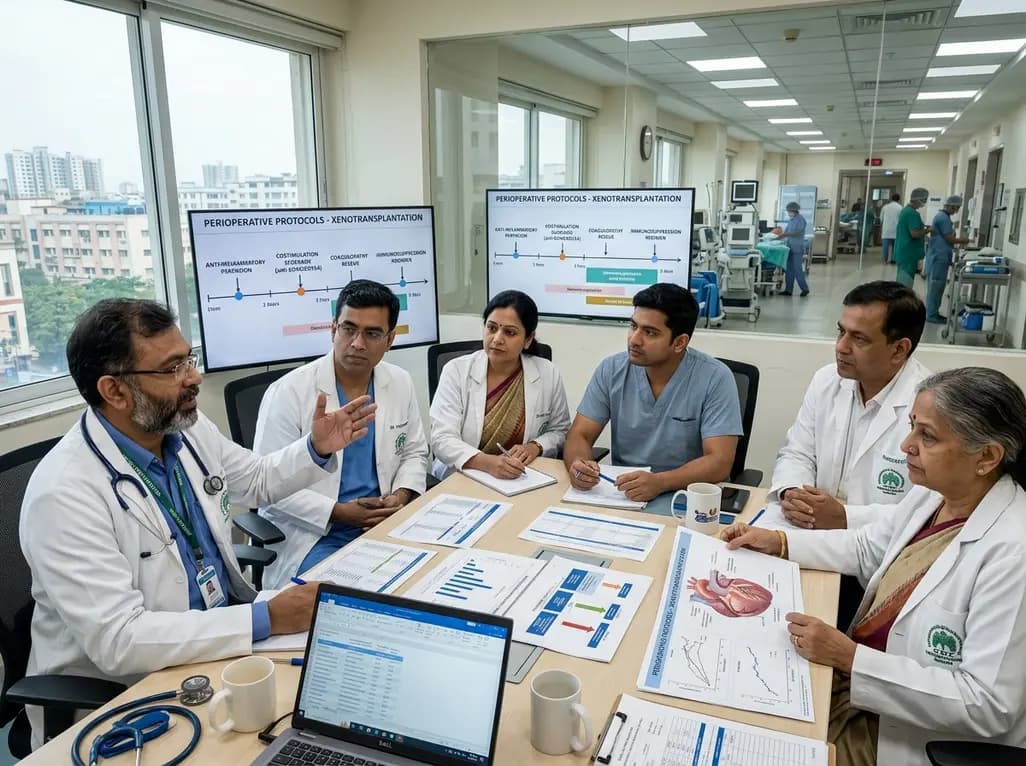
Explore modern perioperative management protocols for clinical xenotransplantation. Learn how costimulation blockade, anti-inflammatory perfusion, and coagulopathy rescue overcome interspecies hurdles.
Yesterday
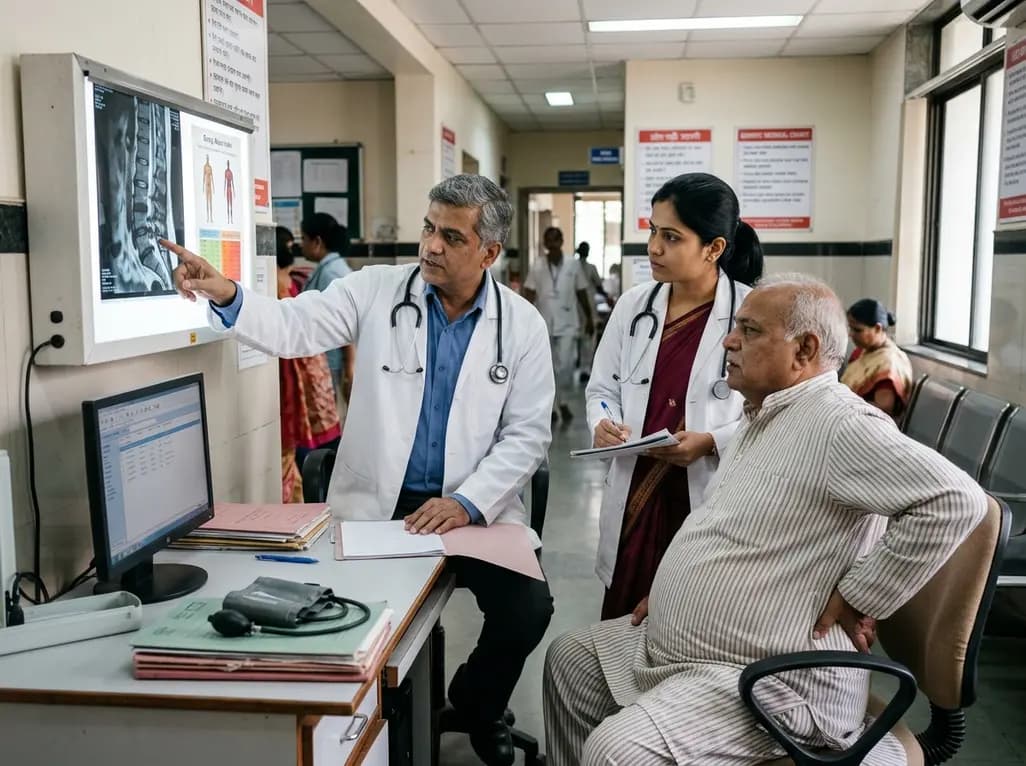
A cross-sectional study reveals that sarcopenic obesity independently increases functional impairment and severe disc degeneration in patients with degenerative lumbar spinal stenosis, highlighting the need for body composition assessment.
Today
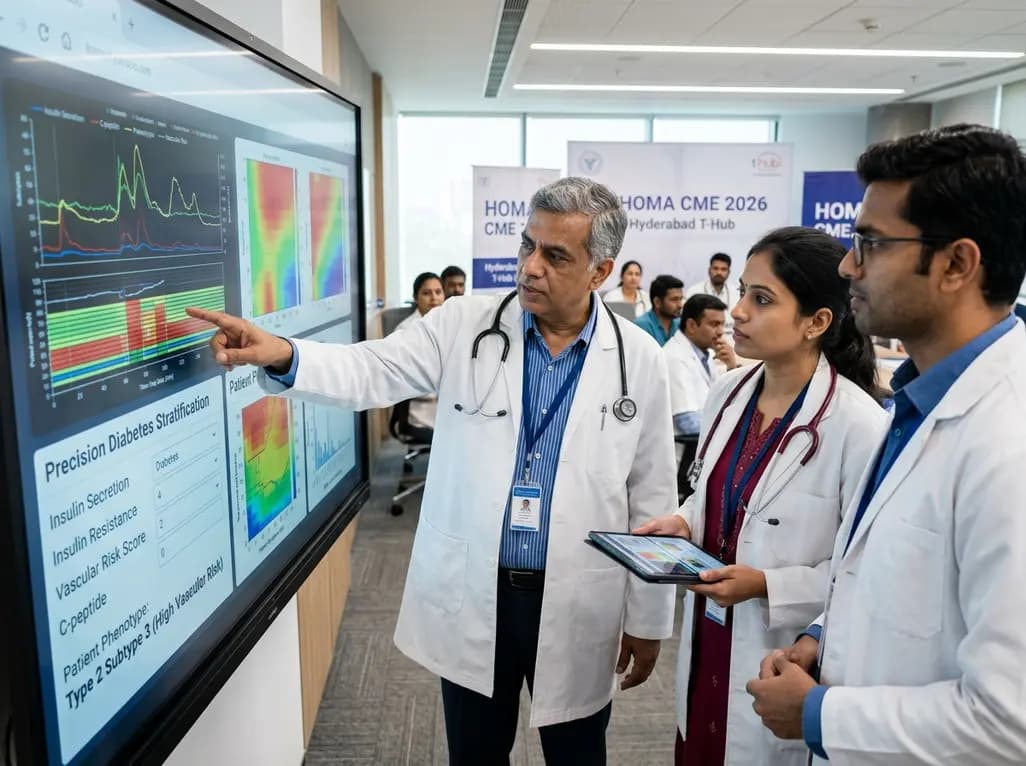
At Homa CME 2026 at Hyderabad's T-Hub, healthcare leaders emphasized moving beyond routine metrics through digital calculators and precision stratification. Discover why characterizing individual insulin secretion, resistance patterns, and vascular risks transforms chronic metabolic care in India.
Yesterday
