

Loading, please wait...
Loading, please wait...

Idiopathic pulmonary fibrosis remains a debilitating interstitial lung disease marked by progressive parenchymal architectural distortion and respiratory failure. Clinicians traditionally track physiological deterioration by measuring forced vital capacity and carbon monoxide diffusing capacity. However, recent clinical findings emphasize that unintentional weight loss in IPF represents a powerful, independent signal of adverse progression. Patients who lose body mass often experience heightened systemic inflammation, increased work of breathing, and metabolic dysregulation. In addition, severe cachexia compromises diaphragm strength and significantly diminishes functional stamina. When clinicians overlook nutritional parameters, they miss vital windows for proactive therapeutic adjustments. Routine assessment of nutritional trajectories provides invaluable context alongside standard longitudinal spirometry. Consequently, tracking body mass alongside objective pulmonary function testing offers a holistic overview of patient trajectories. Pulmonologists must recognize that weight decline does not merely reflect end-stage frailty. Instead, nutritional decline acts as an active driver of functional impairment, hospitalization, and early mortality.
Recent landmark research demonstrates how physiological markers correlate directly with transplant-free survival across the disease trajectory. Investigators analyzed 2,697 clinic visits from 667 patients followed systematically at a specialized tertiary care referral center. Flexible parametric survival models demonstrated that annual weight loss of five percent or more elevated mortality hazard by eighty-five percent. Similarly, annual forced vital capacity decline exceeding ten percentage points doubled the risk of death or lung transplantation. Furthermore, multivariable analyses confirmed that baseline disease severity independently predicted patient mortality. When individuals met thresholds for both significant weight reduction and spirometric decline, their mortality hazard increased more than fourfold. Importantly, researchers found no statistical interaction between weight loss and vital capacity decline. Therefore, nutritional status and spirometry deliver completely independent, additive prognostic information over time. Measuring both variables provides an objective framework that significantly sharpens prognostic accuracy during serial clinic visits.
Accurate disease staging in idiopathic pulmonary fibrosis requires reliable tools that account for complex clinical phenotypes. The Composite Physiologic Index synthesizes forced vital capacity, gas diffusion capacity, and expiratory volume into an integrated numerical score. Specifically, investigators designed this index to reflect the precise morphological extent of fibrosis seen on high-resolution computed tomography. By adjusting for concurrent emphysema, the formula prevents clinicians from underestimating true disease severity. In the recent longitudinal study, every ten-point increase in the index raised the hazard of death or transplantation nearly threefold. Moreover, landmark analyses across one to four years demonstrated consistent predictive validity over prolonged follow-up periods. Clinicians can easily calculate this metric during baseline workups and repeat it during periodic clinical reviews. In addition, pairing index calculations with weight monitoring provides a multi-dimensional assessment of patient risk. Consequently, integrating both tools helps clinicians identify high-risk individuals requiring prompt escalation of care.
Understanding whether threshold events or smooth trajectories best determine patient prognosis remains essential for clinical decision-making. Joint longitudinal and survival modeling demonstrated that discrete threshold breaches carry stronger prognostic power than continuous slope measurements. Specifically, crossing the five percent weight loss threshold or ten percent forced vital capacity decline signaled immediate risk elevation. Furthermore, landmark analyses across multiple sequential time points demonstrated that these associations remained stable over long observation periods. In contrast, those suffering progressive weight loss experienced steadily worse survival outcomes at every examined landmark. In addition, reverse-time analyses revealed a dramatic acceleration in both weight loss and spirometric decline during the final months of life. This late acceleration indicates that metabolic exhaustion frequently accompanies terminal respiratory failure. Therefore, clinicians must maintain vigilant, regular surveillance rather than relying solely on historical baseline metrics. Frequent monitoring enables teams to detect sudden accelerations in disease progression promptly.
The biological mechanisms driving systemic wasting in progressive pulmonary fibrosis are complex and multifaceted. First, progressive pulmonary parenchymal stiffening markedly increases the mechanical work of breathing. As respiratory muscle workload expands, resting energy expenditure rises considerably above normal baseline requirements. In addition, chronic tissue hypoxia stimulates systemic inflammatory cascades that promote active muscle catabolism. Circulating inflammatory cytokines like tumor necrosis factor-alpha and interleukin-6 induce sustained skeletal muscle proteolysis and blunt central appetite regulation. Furthermore, patients with idiopathic pulmonary fibrosis frequently endure persistent gastrointestinal complications. Unrelenting cough spells, gastroesophageal reflux, and antifibrotic drug intolerance commonly suppress normal oral caloric intake. Both pirfenidone and nintedanib can cause adverse events such as nausea, abdominal discomfort, and persistent diarrhea. Consequently, caloric deficit combines with systemic inflammation to accelerate sarcopenia and general muscular atrophy. Recognizing these nutritional mechanisms allows physicians to introduce targeted interventions before severe cachexia develops.
These clinical insights offer valuable guidance for pulmonologists and multidisciplinary teams managing progressive interstitial lung diseases. Clinical protocols must incorporate routine, standardized weight recording during every scheduled consultation. Moreover, healthcare teams should calculate annual percentage changes in body weight alongside routine forced vital capacity assessments. When patients cross the critical threshold of five percent weight reduction, clinicians should promptly investigate reversible causes. In addition, physicians must actively evaluate antifibrotic medication tolerability and offer symptom-directed remedies for gastrointestinal distress. Involving specialized clinical dietitians early helps preserve functional muscle mass through individualized nutritional counseling and caloric supplementation. Furthermore, physical therapy and structured pulmonary rehabilitation programs protect peripheral muscle strength and exercise capacity. When patients manifest concurrent weight loss and spirometric decline, clinicians must recognize an immediate fourfold mortality risk. In these high-risk scenarios, medical teams should accelerate lung transplant evaluation and advance care planning discussions.
Weight loss of five percent or greater over one year independently elevates the risk of death or lung transplantation by eighty-five percent. This effect persists after adjusting for lung function and disease severity. Weight decline signals systemic catabolism, respiratory muscle exhaustion, and increased metabolic stress. Consequently, unintentional weight loss acts as an autonomous biomarker that identifies high-risk individuals requiring prompt clinical intervention, nutritional rehabilitation, and therapeutic reassessment.
The Composite Physiologic Index combines forced vital capacity, carbon monoxide diffusing capacity, and forced expiratory volume into a unified score. This validated mathematical formula reflects the anatomical extent of fibrosis observed on high-resolution imaging while adjusting for coexisting emphysema. Every ten-point score increase significantly raises mortality risk. Therefore, combining this physiological index with serial weight monitoring allows clinicians to evaluate parenchymal fibrosis and metabolic vulnerability concurrently, improving overall prognostic precision.
Patients displaying both annual weight loss of five percent and vital capacity decline of ten percent have a fourfold increased risk of mortality. Physicians must immediately escalate clinical surveillance and assess potential barriers to nutrition, such as antifibrotic side effects. In addition, healthcare providers should prescribe targeted caloric supplementation and initiate structured pulmonary rehabilitation. Finally, medical teams should promptly expedite lung transplant referrals or initiate comprehensive advance care planning to address rapid functional deterioration.
Disclaimer: This content is for informational and educational purposes only, and does not substitute professional medical advice, diagnosis, or treatment. Refer to the latest local and national guidelines for clinical practice.
References

Read summarized clinical updates, watch expert medical content, and earn CME certifications right from your smartphone.
Open your smartphone camera to scan and install.





A landmark study reveals that an annual weight loss of 5% or more and an FVC decline of 10% or more independently worsen survival in idiopathic pulmonary fibrosis. When both occur, mortality hazard increases more than fourfold, highlighting the critical necessity of routine nutritional monitoring in clinic.
Today
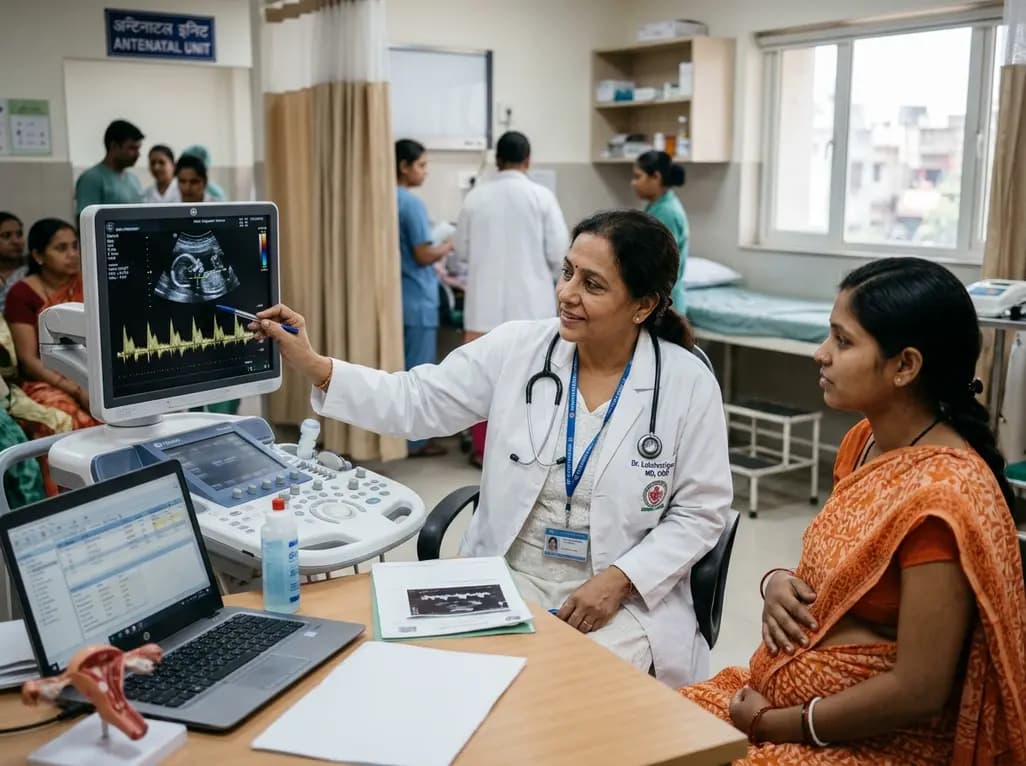
Non-RhD alloimmunization poses an emerging challenge in modern obstetric care as RhIG reduces RhD cases. This review highlights key non-RhD antigens, Doppler monitoring, and neonatal management strategies.
Today

New phase I data evaluate the impact of food and beverages on enlicitide, the first oral PCSK9 inhibitor. While food reduces peak absorption, model simulations demonstrate robust LDL-C lowering of approximately 60%, confirming meaningful pharmacokinetic forgiveness and flexible real-world administration.
Today
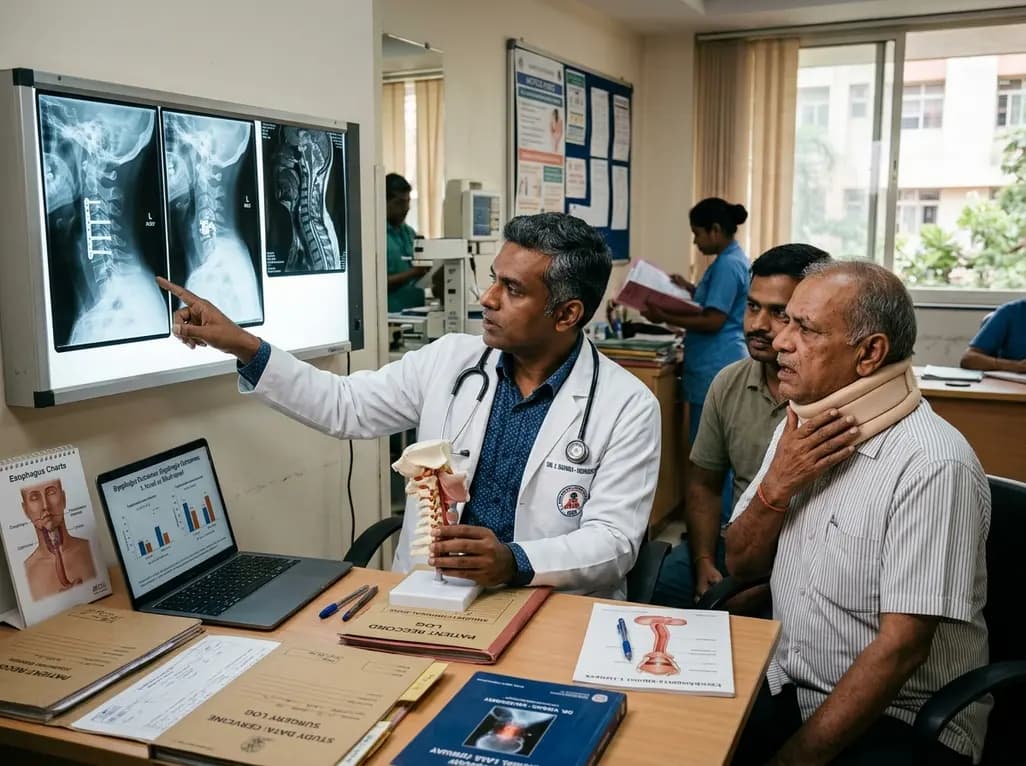
A large registry study reveals that postoperative dysphagia occurs more frequently and persists longer after multilevel anterior cervical spine surgery than single-level procedures. Key risk factors include baseline dysphagia, diabetes, upper cervical segment involvement, and medical comorbidities.
Today

A landmark UK Biobank study by Karolinska Institutet researchers reveals that optimal rest mitigates neurodegeneration in cardiometabolic illness. Patients maintaining high sleep quality demonstrated superior cognitive scores and larger brain volumes, highlighting sleep optimization as an actionable clinical strategy.
Today
