

Loading, please wait...
Loading, please wait...

More than 140 million citizens across India live with psychiatric conditions. However, nearly eighty percent of these individuals lack adequate mental health care access. Furthermore, systemic infrastructure shortfalls compound this vast treatment gap. Inaccurate media coverage worsens the crisis by reinforcing societal prejudice. Recent expert discussions organized by UNICEF India highlight that irresponsible journalism severely hinders community help-seeking behaviour. Therefore, medical professionals and public health advocates must collaborate to build empathetic, evidence-based systems that encourage early clinical intervention.
India confronts an extraordinary public health challenge regarding psychiatric morbidity. Epidemiological surveys indicate that psychiatric disorders affect over ten percent of the population. Nevertheless, an overwhelming majority fails to receive timely professional therapy. Consequently, untreated affective disorders and chronic psychoses escalate across urban and rural demographics alike. According to official data from the National Crime Records Bureau, over 1.7 lakh individuals died by suicide in 2024. Most alarmingly, this toll included 14,488 students and 11,184 minors under eighteen years of age.
Multiple structural impediments sustain this profound deficit in psychiatric delivery. Specifically, the country faces an acute shortage of licensed psychiatrists, clinical psychologists, and psychiatric social workers. In addition, rural health facilities often lack essential psychotropic medications and community-based counselling programs. Socioeconomic disparities and pervasive fear of social alienation further delay diagnosis. As a result, families frequently turn to informal or unscientific remedies before consulting qualified physicians. Addressing these barriers requires integrating mental health services into primary care networks to ensure equitable community outreach.
Public perceptions of psychiatric disorders remain largely shaped by television, print, and digital journalism. Unfortunately, mainstream narratives frequently rely on sensationalism rather than objective clinical realities. During the UNICEF India media roundtable, experts emphasized that inconsistent reporting reinforces pervasive misconceptions. For instance, news outlets often use diagnostic terminology pejoratively, labelling individuals with severe conditions as erratic or dangerous. Casual colloquialisms like calling volatile moods bipolar or equating cleanliness with obsessive-compulsive disorder distort clinical definitions.
Moreover, visual depictions in mass media consistently associate mental illness with gloom, isolation, and irreversible decline. Such portrayals actively obscure the realities of pharmacotherapy, psychotherapy, and sustained clinical remission. Consequently, vulnerable readers mistakenly believe that psychiatric ailments represent permanent personal failures. This bleak narrative discourages individuals experiencing depressive episodes from seeking professional evaluation. When communication channels treat psychiatric illness as a lifelong deficit rather than a manageable medical condition, community stigma inevitably thrives. Media stakeholders must therefore reframe mental illness through the lens of recovery and support.
In response to these systemic journalistic failures, monitoring mechanisms have emerged across the country. Specifically, the Centre for Mental Health Law and Policy launched Project SIREN to track suicide reporting in print and digital publications. This surveillance initiative evaluated major English-language newspapers against established World Health Organization reporting standards. The project reviewed 16,219 suicide-related reports across 18 publications and 107 city editions to compile comparative scorecards. Their findings revealed extensive violations of foundational ethical parameters.
Notably, Project SIREN identified that 81% of reviewed reports explicitly described the lethal method used. Furthermore, 76% of articles utilized sensationalized, clickbait headlines or invasive personal photographs. Approximately 61% of publications reduced complex suicidal behaviour to a single simplistic precipitant, such as academic stress or romantic dispute. On a positive note, nearly half of the stories verified factual data with official agencies. However, only 26% offered practical, updated resources regarding emergency hotlines. Clearly, voluntary compliance with World Health Organization guidelines remains critically deficient among mainstream media outlets.
Irresponsible media narratives exert direct, measurable effects on community health and mortality. Epidemiological research confirms that prominent coverage of self-harm triggers copycat behaviour among vulnerable demographics. For example, a landmark systematic review published in the British Medical Journal in 2020 established clear correlations. The study demonstrated that sensationalized coverage of celebrity deaths resulted in a 13% increase in total suicide deaths. Furthermore, explicit depictions of specific lethal methods produced a 30% surge in deaths utilizing those identical means.
Physicians observe that stigmatizing reporting causes immense distress among patients undergoing treatment. When media platforms frame mental illnesses as bizarre or intractable, patients conceal their ongoing symptoms. Consequently, therapeutic compliance drops, and secondary complications, including substance use, multiply. In contrast, responsible reporting that highlights adaptive coping mechanisms produces a protective social influence known as the Papageno effect. Therefore, media adherence to ethical standards serves as a direct preventive health intervention that saves lives.
Overcoming the nationwide mental healthcare crisis requires multi-sectoral collaboration between clinicians, policymakers, and communication leaders. First, health authorities must expand funding for district mental health programs and tele-psychiatry networks like Tele-MANAS. Integrating psychiatric screening into routine outpatient clinics enables primary care practitioners to detect affective disorders early. In addition, medical associations should actively educate media professionals regarding safe terminology and clinical nuances.
Simultaneously, regulatory bodies must mandate strict adherence to suicide reporting guidelines across all journalism curricula. Editors should ensure that every mental health article includes verified helpline contacts and narratives emphasizing recovery. Healthcare workers can also lead community workshops to normalize psychological distress and dismantle systemic biases. By aligning clinical excellence with ethical public communication, India can bridge its profound treatment gap and guarantee compassionate care for every patient.
Q1: What is the current treatment gap for psychiatric conditions in India?
Nearly eighty percent of the more than 140 million Indians living with psychiatric disorders lack access to required mental healthcare. This massive deficit stems from an acute shortage of trained mental health professionals, limited rural infrastructure, high out-of-pocket costs, and deep-seated social stigma. Consequently, millions of affected individuals experience prolonged suffering without receiving timely evidence-based clinical interventions.
Q2: How does Project SIREN monitor media reporting on suicides?
Project SIREN is an initiative launched by the Centre for Mental Health Law and Policy in Pune. It evaluates print and digital publications against established World Health Organization reporting guidelines. The project analyzes parameters such as headline sensationalism, explicit method descriptions, monocausal explanations, and helpline availability. By publishing regular scorecards, it holds journalistic outlets accountable and promotes ethical reporting.
Q3: Why does detailed media coverage of suicide increase mortality rates?
Extensive media coverage of suicide can trigger imitation, particularly among vulnerable adolescents and individuals facing psychological distress. A comprehensive 2020 BMJ study demonstrated that reporting specific lethal methods caused a thirty percent surge in subsequent deaths by the same method. Conversely, ethical reporting that avoids sensationalism and highlights recovery models helps reduce self-harm through the protective Papageno effect.
Disclaimer: This content is for informational and educational purposes only. It does not constitute medical advice or replace professional judgment. Refer to the latest local and national guidelines for clinical practice.
References

Read summarized clinical updates, watch expert medical content, and earn CME certifications right from your smartphone.
Open your smartphone camera to scan and install.





With over 140 million citizens affected by psychiatric conditions, India faces an acute mental health treatment gap. Clinicians and public health stakeholders must address systemic barriers, combat pervasive media sensationalism, and promote evidence-based suicide reporting guidelines to foster timely patient care.
Today

A large retrospective cohort study demonstrates that explainable machine learning models, notably XGBoost, accurately predict hospital admission at emergency triage. By analyzing routine triage parameters, hospitals can streamline bed allocation, decrease boarding times, and alleviate acute care overcrowding.
Today

A new quality-improvement initiative reveals that universal maternal mental health screening in the NICU increased screening rates from 29.5% to 95.0%, with nearly 60% of screened mothers requiring psychosocial referrals, highlighting the urgent need for embedded mental health resources.
Today
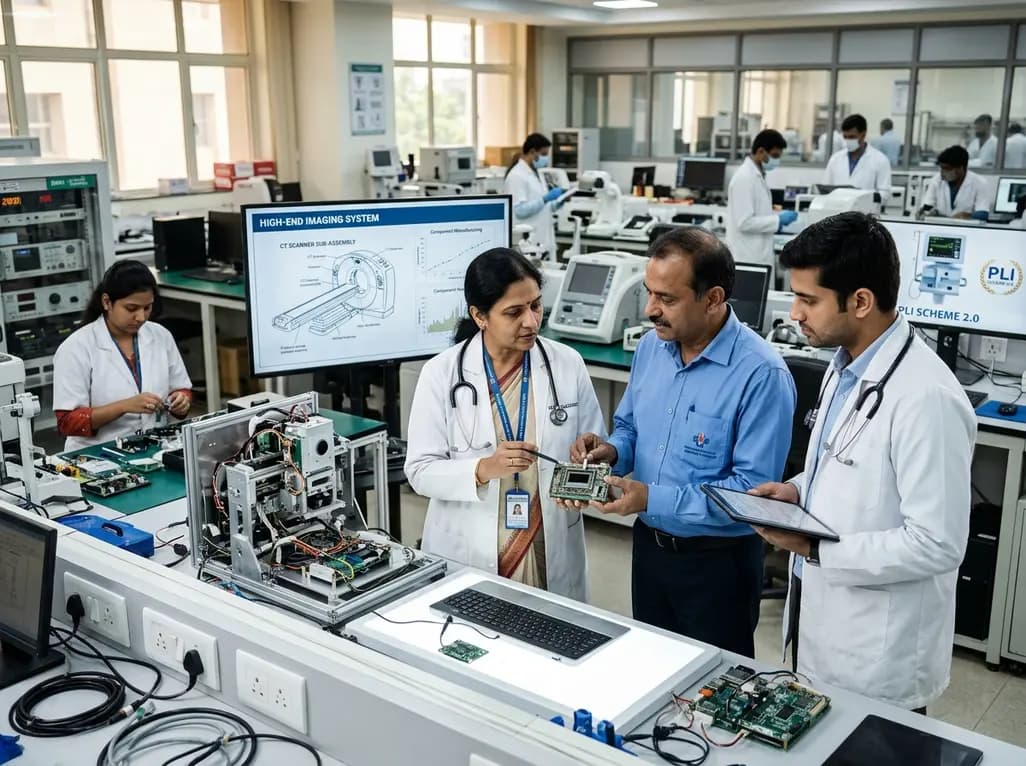
The Department of Pharmaceuticals has extended the medical devices PLI scheme to 2035-36 with a Rs 2,700 crore outlay. Featuring relaxed investment barriers and eliminated sales thresholds, the revised framework targets deep manufacturing, high-end diagnostics, critical MedTech components, and supply resilience.
Today
A metabolomic study reveals that aging delays glutathione synthesis and gamma-glutamylcysteine accumulation following muscle injury. Although precursor supplementation targets this enzymatic bottleneck, in vitro tests show no immediate effect on myogenesis, highlighting the complexity of muscle repair in older adults.
Today
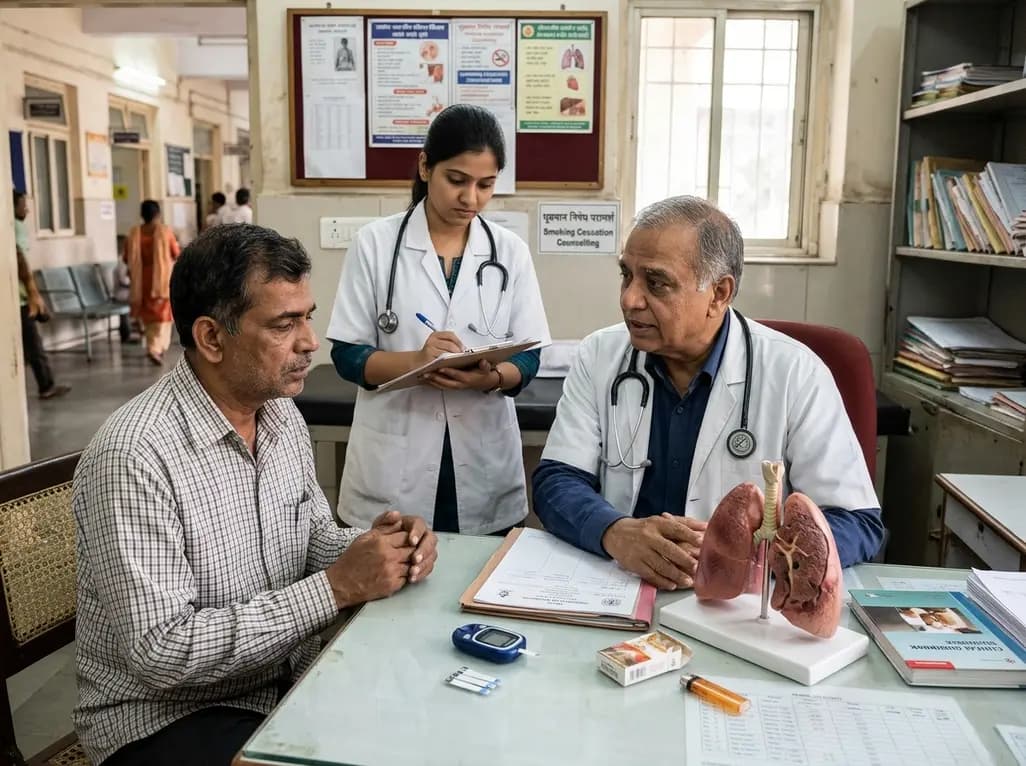
A systematic review evaluates psychological interventions for smoking cessation in diabetes, showing short-term success but highlighting challenges in long-term abstinence.
Today
