.webp&w=384&q=75)

Loading, please wait...
Loading, please wait...

Addressing complex palliative care needs during the terminal stages of chronic disease is an essential responsibility for family medicine. General practitioners frequently serve as the central anchor for elderly patients experiencing progressive decline. However, evaluating the actual quality and adequacy of community palliative care remains challenging. Standardized quality indicators are rarely implemented in outpatient medicine. Consequently, healthcare systems often overlook whether primary services satisfy the evolving physical, emotional, and social requirements of dying patients. Therefore, evaluating clinician-reported outcomes provides critical clinical clarity. A nationwide follow-back survey illuminates how family physicians perceive their capacity to meet end-of-life demands during the final ninety days of life. Ultimately, understanding these primary care dynamics helps clinicians optimize end-of-life comfort and patient-centered care.
General practitioners operate on the frontline of community medicine, maintaining long-term relationships with patients and their families. When life-limiting illnesses progress, primary care clinicians must shift their focus from disease control toward comprehensive comfort measures. Nevertheless, assessing palliative care needs requires robust, standardized metrics that reflect real-world outpatient practice. Primary care teams regularly manage severe pain, distressing dyspnea, and profound fatigue without continuous hospital support. In addition, practitioners must navigate complex psychological distress and existential grief. Because formal evaluation frameworks for home palliative care are sparse, physician perspectives provide essential clinical insight. Mortality follow-back surveys allow clinicians to evaluate care delivery during the critical final three months of life. Through retrospective assessments, physicians identify systemic barriers and recognize successful interventions. Furthermore, these evaluations demonstrate that fulfilling patient wishes requires continuous coordination, active listening, and dedicated multidisciplinary teamwork.
To appraise care adequacy systematically, investigators conducted a rigorous quantitative follow-back survey across France between November 2020 and November 2021. The study recruited ninety-five general practitioners who contributed data on two hundred ninety-five adult decedents. Crucially, clinicians included only patients who died a predictable death, ensuring relevant palliative circumstances. For each individual, physicians rated how well the care met the patient's holistic needs on a numerical scale. Additionally, the investigators recorded clinical, demographic, and environmental variables. The research team applied a generalized mixed model of logistic regression to evaluate key associations. This statistical model effectively accounted for practice clustering while analyzing predictors of favorable care assessments. Consequently, the study identified key clinical variables that influenced successful care delivery. The median decedent age was eighty-five years, and fifty-four percent were women. Furthermore, forty-one percent had cancer, whereas forty-three percent suffered from cognitive impairment or dementia.
Overall, the survey revealed encouraging results regarding primary end-of-life management. Specifically, general practitioners rated care adequacy positively in seventy-six percent of all evaluated cases. This finding highlights the clinical competence and dedication of primary care physicians. However, multivariable regression revealed distinct systemic barriers that impeded optimal care. Most notably, an underlying diagnosis of cancer significantly reduced the likelihood of a positive care evaluation. Patients with malignancies had fifty-four percent lower odds of achieving adequate care ratings compared to other patients. Similarly, patient hospitalization during the final three months was a significant negative factor, reducing the odds of positive ratings by forty-nine percent. Therefore, unplanned inpatient admissions often disrupted established therapeutic alliances and complicated comprehensive symptom relief. When hospitals admitted patients, care continuity deteriorated. Thus, avoiding acute institutionalization represents an essential objective for community clinicians striving to uphold dignified home care.
The pronounced contrast between cancer and non-cancer trajectories warrants close examination by community physicians. Cancer progression frequently involves sudden symptom crises, excruciating pain episodes, and rapid functional decline. Consequently, primary care doctors often struggle to provide sufficient palliation without immediate specialist support. In contrast, conditions such as dementia usually follow a slower, more predictable trajectory. In this survey, dementia tended toward positive care ratings, although statistical power limited definitive conclusions. Longstanding therapeutic relationships between general practitioners and families facilitate personalized dementia management. Conversely, sudden hospital admissions shatter this supportive continuity, introducing unfamiliar clinical staff and invasive procedures. Acute hospital environments frequently prioritize aggressive diagnostic evaluations over comfort and calm dignity. Furthermore, hospital transfers induce severe delirium and disorientation in frail older adults. Therefore, primary care teams must prioritize proactive advance care planning to prevent crisis-driven admissions near the end of life.
Beyond pharmaceutical symptom relief, emotional and relational interventions represent a fundamental pillar of palliative medicine. The French survey highlighted the immense value of multidisciplinary supportive care. Notably, psychologist intervention showed a striking association with positive care assessments, increasing the odds of success tenfold. Although limited sample size reduced statistical significance, this strong trend emphasizes the vital role of psychological support. Terminal illness generates intense existential suffering and anticipatory grief for patients and relatives alike. When mental health professionals assist families, emotional distress decreases markedly. Similarly, structured discussions with the family nearly tripled the odds of favorable end-of-life evaluations. Dedicated family meetings allow physicians to clarify goals of care, address prognosis honestly, and alleviate caregiver anxiety. Furthermore, engaging family members empowers surrogate decision-makers, reducing subsequent bereavement trauma. Consequently, primary care practices must routinely incorporate psychological counseling and family conferences into their standard palliative protocols.
These nationwide survey findings offer practical guidance for general practitioners providing end-of-life care. First, clinicians must implement proactive symptom management plans early in the disease course, particularly for oncology patients. Establishing seamless communication with specialist palliative units facilitates timely domiciliary consultations before crises erupt. Second, healthcare leaders should establish quality indicators that evaluate holistic patient-centered outcomes rather than procedural efficiency alone. These performance metrics must account for diagnostic complexity, care settings, and socioeconomic barriers. In addition, healthcare organizations must expand community access to psychologists, social workers, and palliative home nurses. By conducting regular family discussions, clinicians can document clear advance care directives and avoid preventable hospital admissions. Ultimately, equipping family doctors with dedicated multidisciplinary resources ensures equitable, compassionate end-of-life care for all patients. When clinicians combine effective pharmacotherapy with empathetic psychosocial guidance, they fulfill the profound needs of dying patients and their families.
General practitioners detect unmet needs by conducting routine holistic assessments that evaluate physical symptoms, emotional distress, and functional status. In addition, clinicians use validated screening tools and regular family meetings. By reviewing escalating medication requirements and caregiver strain, physicians can identify gaps early and adjust community supportive care accordingly.
Hospitalization often disrupts care continuity and displaces patients from familiar home environments into noisy clinical settings. Consequently, acute inpatient admissions frequently introduce unfamiliar providers, invasive testing, and unwanted life-prolonging measures. These disruptions undermine holistic palliative goals, increase disorientation in frail individuals, and heighten psychological stress for family caregivers.
Psychologists address complex emotional suffering, anxiety, existential distress, and anticipatory grief in terminally ill patients and their relatives. Furthermore, their timely interventions foster constructive coping mechanisms and facilitate difficult interpersonal communication. By supporting family dynamics, psychologists alleviate emotional burdens and significantly enhance overall satisfaction with end-of-life care.
Disclaimer: This content is for informational and educational purposes only and does not constitute medical advice or establish a doctor-patient relationship. Healthcare professionals must exercise clinical judgment and verify details independently. Refer to the latest local and national guidelines for clinical practice.
References

Read summarized clinical updates, watch expert medical content, and earn CME certifications right from your smartphone.
Open your smartphone camera to scan and install.





A French mortality follow-back survey reveals that general practitioners positively evaluate end-of-life care adequacy in 76% of cases, though hospitalizations and cancer diagnoses present notable barriers to meeting patients' needs.
Today

A recent case shows that exertional rhabdomyolysis can trigger marked transaminase spikes despite moderate creatine kinase elevation. Preserved hepatic synthetic function confirms muscle injury rather than liver failure, guiding conservative hydration and preventing unnecessary invasive diagnostics.
Today

A pharmacometric and machine learning study reveals that specific vaginal bacteria alter cervical antiretroviral exposure, highlighting the need for precision HIV PrEP strategies.
Today
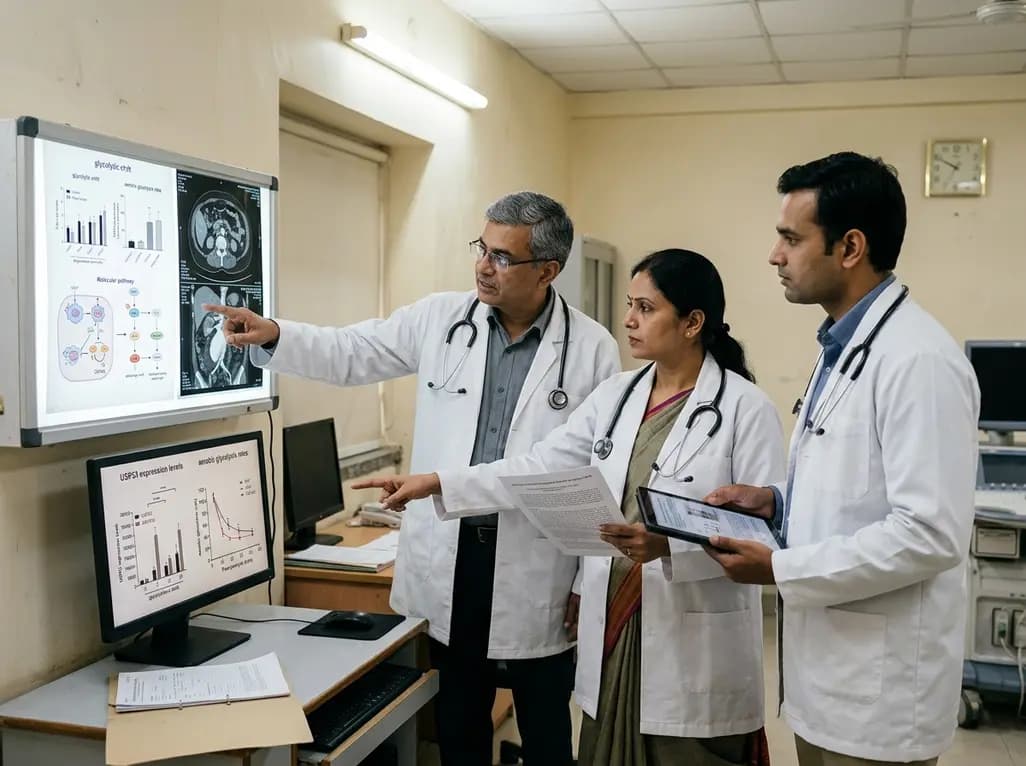
Abdominal aortic aneurysm rupture remains a catastrophic vascular emergency. Groundbreaking research reveals that USP53 accelerates aneurysm progression by reprogramming smooth muscle cell metabolism toward aerobic glycolysis, highlighting a promising target beyond conventional diameter-based surveillance.
Today
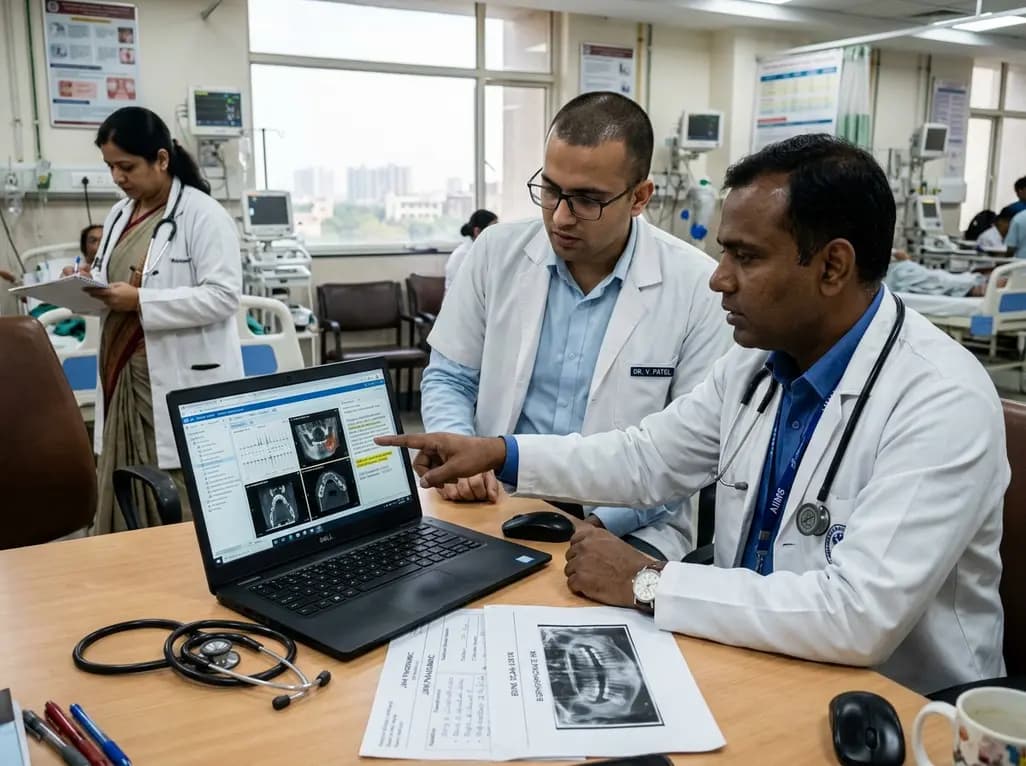
A breakthrough study leverages natural language processing to accurately identify incident medication-related osteonecrosis of the jaw and track antiresorptive drug holidays from clinical narratives in electronic health records, advancing osteoporosis pharmacovigilance and dental safety.
Today
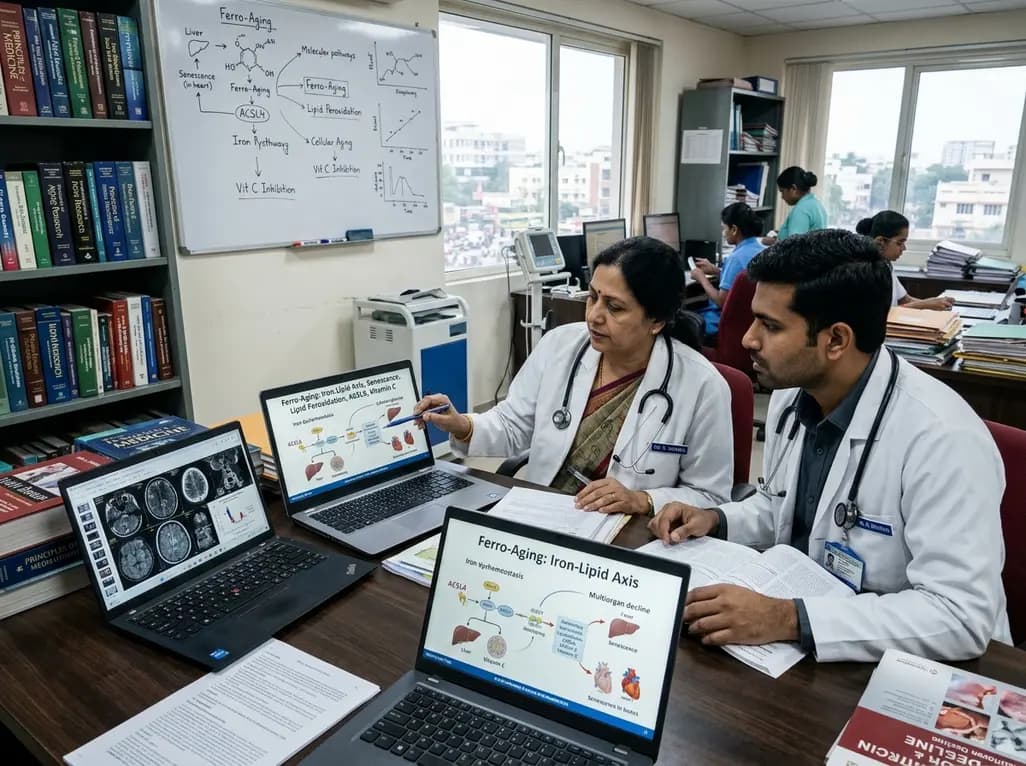
Recent research defines ferro-aging as a conserved iron-lipid axis driving organ decline across primates. Age-related iron dyshomeostasis stimulates ACSL4-mediated lipid peroxidation, promoting cellular senescence. Notably, vitamin C directly inhibits ACSL4, suppressing phospholipid oxidation and multi-organ decay.
Today
