.webp&w=384&q=75)

Loading, please wait...
Loading, please wait...
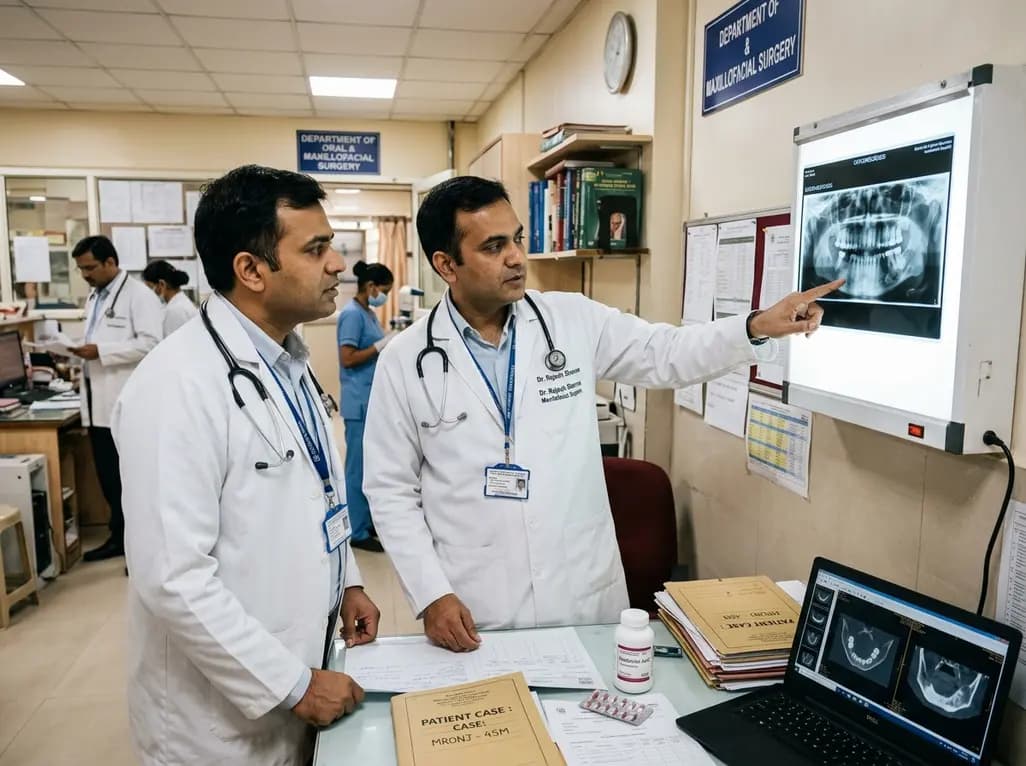
Prescribing antiresorptive and antiangiogenic medications has revolutionized bone oncology and osteoporosis care globally. However, medication-related osteonecrosis of the jaw represents a significant complication that severely compromises patient quality of life. This condition involves persistent exposed bone or fistulas in patients receiving bone-modifying agents without prior radiation. A nationwide cohort study highlights critical disparities in diagnosis and surgical care across geographical regions. Consequently, multidisciplinary collaboration among oncologists, endocrinologists, rheumatologists, and dental surgeons is essential to optimize care delivery, prevent delays, and protect vulnerable patients.
Potent antiresorptive agents, such as intravenous bisphosphonates and denosumab, provide vital protection against skeletal-related events. Additionally, antiangiogenic medications contribute to mucosal breakdown and microvascular ischemia in the jaw. Bisphosphonates bind strongly to hydroxyapatite crystals and persist in bone tissue for years, whereas denosumab inhibits bone resorption reversibly without long-term skeletal retention. The pathogenesis of necrotic bone disease involves impaired remodeling, vascular disruption, and local infection.
Furthermore, local trauma serves as a primary triggering factor in susceptible individuals. Invasive dentoalveolar procedures, particularly tooth extractions, provoke the vast majority of documented cases. Concurrent risk factors like diabetes mellitus, corticosteroid therapy, tobacco use, and advanced age further increase vulnerability. Because oncology patients receive higher cumulative doses than osteoporotic patients, their absolute risk is substantially higher. Identifying pharmacological risks early allows clinicians to implement protective measures before invasive interventions take place.
A nationwide cohort study evaluated over 4,400 diagnosis events and nearly 1,700 surgical treatments among adults aged 50 years and older. The findings demonstrated that absolute numbers of diagnoses and surgeries concentrated within major metropolitan centers. However, non-metropolitan districts exhibited a disproportionately higher relative disease burden. This distribution reflects demographic aging trends and limited local access to advanced maxillofacial diagnostic resources.
Moreover, healthcare delivery was concentrated heavily in tertiary hospitals and specialized dental institutions. Over forty percent of patients from certain provinces traveled outside their home regions for initial diagnosis, while more than twenty-eight percent sought surgical treatment externally. These patient movement patterns highlight substantial gaps in regional surgical infrastructure. As a result, patients in remote regions often encounter prolonged diagnostic delays and disease progression before receiving definitive treatment. Analyzing population-level data helps health systems identify these geographical inequalities and improve resource allocation effectively.
Geographical disparities in healthcare utilization create significant challenges for both patients and healthcare infrastructure. When patients must travel to distant metropolitan medical centers, the resulting referral bottlenecks delay specialized care. Meanwhile, community facilities frequently lack advanced diagnostic imaging tools, such as cone-beam computed tomography, required for early lesion identification.
Additionally, delayed diagnosis frequently leads to higher disease stages at initial presentation, necessitating more extensive surgical debridement or resection. Long travel distances also increase financial burdens and undermine compliance with essential post-operative maintenance visits. Furthermore, fragmented coordination between primary prescribers in peripheral clinics and surgical teams in central hospitals impairs continuity of care. Addressing these disparities requires decentralizing clinical expertise through structured medical education and telemedicine networks. Empowering local healthcare teams to perform initial risk stratification ensures timely interventions while reducing the burden on central tertiary hospitals.
Accurate clinical evaluation begins with a detailed pharmacological history identifying antiresorptive and antiangiogenic exposures. Consensus guidelines define the disorder by exposed necrotic bone or fistulas probing to bone that persist for over eight weeks without radiation history. Clinicians classify the condition into stages to guide therapeutic strategies effectively.
Stage 0 presents with nonspecific symptoms like dull bone pain or tooth mobility without visible mucosal breakdown. Stage 1 involves exposed bone that remains asymptomatic and infection-free. In contrast, Stage 2 features exposed bone with localized pain, erythema, and purulence. Stage 3 represents advanced disease with extraoral fistulas, extensive osteolysis, or pathological fractures. Diagnostic imaging plays a critical role during staging and surgical planning. Conventional panoramic radiography and cone-beam computed tomography identify cortical destruction, sclerosis, and bone sequestra before mucosal ulceration appears, thereby facilitating timely stage-specific management.
Preventive dental clearance represents the most effective intervention for reducing jaw osteonecrosis incidence. Prior to starting antiresorptive or antiangiogenic therapy, patients must complete all invasive dental extractions and achieve complete mucosal healing. Emphasizing meticulous daily oral hygiene and regular dental checkups significantly reduces subsequent bone complications.
When active disease occurs, conservative management serves as the primary initial approach for early-stage lesions. Conservative strategies include chlorhexidine oral rinses, targeted systemic antibiotic therapy for acute infections, and superficial debridement of loose bone fragments. However, surgical treatment becomes necessary when lesions fail conservative therapy or progress to advanced stages. Contemporary clinical evidence increasingly favors conservative surgical debridement or resection over prolonged ineffective medical therapy. Maxillofacial surgeons eliminate necrotic bone margins to achieve healthy mucosal closure. Coordinated planning between prescribing physicians and oral surgeons optimizes healing and treatment safety.
The epidemiological insights from nationwide research provide practical guidance for medical practice across India. As osteoporosis screening and advanced oncological therapies expand throughout India, the clinical utilization of bisphosphonates and denosumab is rising rapidly. Nevertheless, clinical awareness of jaw osteonecrosis remains variable among primary care physicians, orthopedicians, and dentists in non-metro areas.
Therefore, establishing standardized referral networks between peripheral clinics and tertiary medical institutions is essential. Prescribing clinicians must educate patients about potential oral risks and avoid unnecessary dentoalveolar surgery without specialist consultation. Similarly, dental practitioners should systematically verify medication histories before performing routine tooth extractions. Creating multidisciplinary bone health boards within hospitals can streamline pre-treatment dental evaluations and optimize complex surgical care. Furthermore, expanding local maxillofacial surgical capabilities in district centers will reduce patient travel burdens, ensuring comprehensive care delivery across diverse healthcare settings.
Clinicians must mandate a thorough oral examination prior to starting antiresorptive or antiangiogenic therapies. Dentists should complete all required tooth extractions, active periodontal procedures, and invasive surgeries before medication begins. Clinicians should ensure full mucosal healing prior to initiating treatment. In addition, educating patients regarding meticulous oral hygiene and scheduling regular dental checkups significantly lowers the risk of developing subsequent necrotic bone complications.
Surgical intervention is indicated when conservative medical measures fail to resolve symptoms or when disease advances to higher stages. Key clinical indications include persistent pain, chronic purulent discharge, non-healing sinus tracts, osteolysis extending toward the inferior mandibular border, and impending pathological fractures. Maxillofacial surgeons perform targeted debridement or surgical resection to eliminate non-vital bone and secure tension-free primary soft-tissue closure.
Routine discontinuation of antiresorptive therapy, commonly called a drug holiday, remains controversial and lacks strong supporting evidence for osteoporosis patients. Bisphosphonates accumulate within bone matrices for years, meaning temporary cessation provides negligible benefit while increasing fragility fracture risk. However, for oncology patients receiving intensive high-dose regimens, multidisciplinary teams should evaluate individual systemic and skeletal risks collaboratively before performing invasive dental procedures.
Disclaimer: This content is for informational and educational purposes only and does not constitute medical advice. Healthcare professionals should make diagnostic and therapeutic decisions based on their independent clinical evaluation, patient history, and applicable local regulations. Medical knowledge is constantly evolving; therefore, always verify findings and refer to current best practices, institutional policies, and drug package inserts. Refer to the latest local and national guidelines for clinical practice.
References

Read summarized clinical updates, watch expert medical content, and earn CME certifications right from your smartphone.
Open your smartphone camera to scan and install.





This review analyzes regional variations and healthcare utilization patterns in medication-related osteonecrosis of the jaw (MRONJ), offering clinical guidance on staging, prevention, and multidisciplinary surgical management.
4 weeks back

A systematic review of 41 preclinical studies reveals that baicalin dampens systemic inflammation, inhibits NF-κB and NLRP3 pathways, and improves organ preservation in sepsis models. However, substantial study heterogeneity and a complete lack of human clinical trials highlight the need for further translational research.
Today

Discover the crucial distinctions between mesonephric and mesonephric-like proliferations of the female genital tract. Learn the key histomorphologic, immunohistochemical, and molecular differences essential for accurate diagnosis and clinical management.
Today
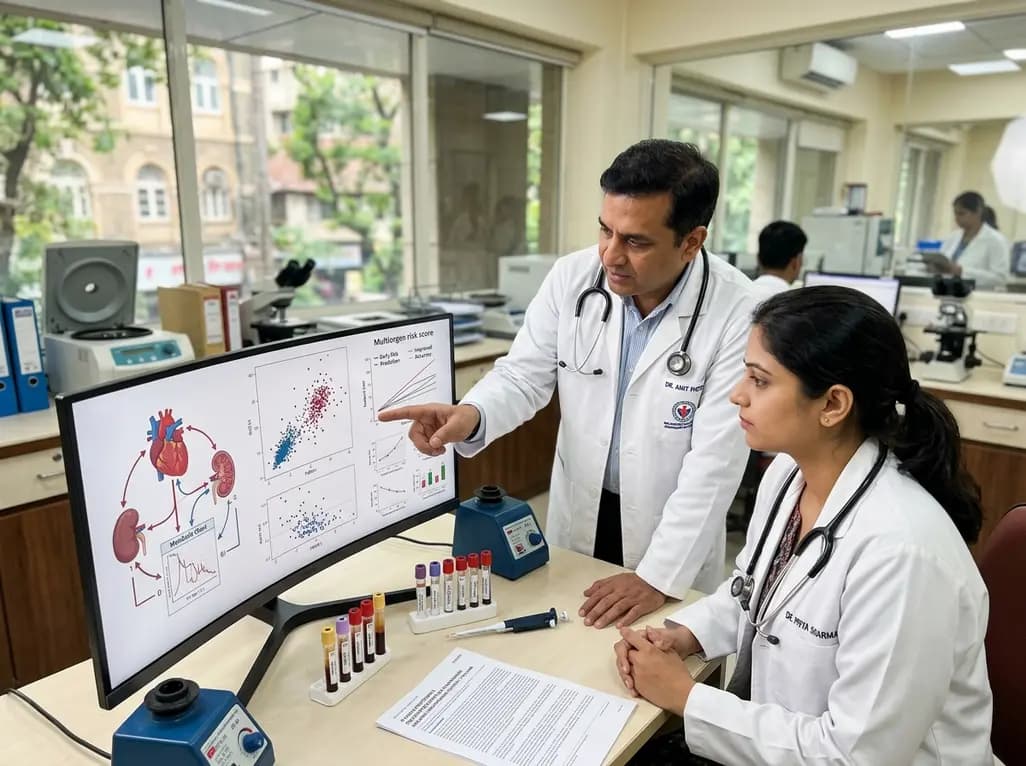
A large UK Biobank study reveals that plasma proteomic signatures capture preclinical organ damage and improve multiorgan risk prediction across early CKM syndrome stages 0 to 2 beyond traditional PREVENT clinical models.
Today

A narrative review investigates whether the articularis genus muscle functions as an independent anatomical entity or blends with the vastus intermedius. We evaluate its morphology, role in retracting the suprapatellar bursa, and direct clinical significance in anterior knee pain and arthroplasty.
Today

A Bayesian multilevel meta-analysis reveals that aerobic training combined with moderate carbohydrate restriction modestly lowers HbA1c in type 2 diabetes. However, sparse data and very low certainty leave incremental benefits over exercise or diet alone unproven, highlighting the need for individualized care.
Today
