.webp&w=384&q=75)

Loading, please wait...
Loading, please wait...
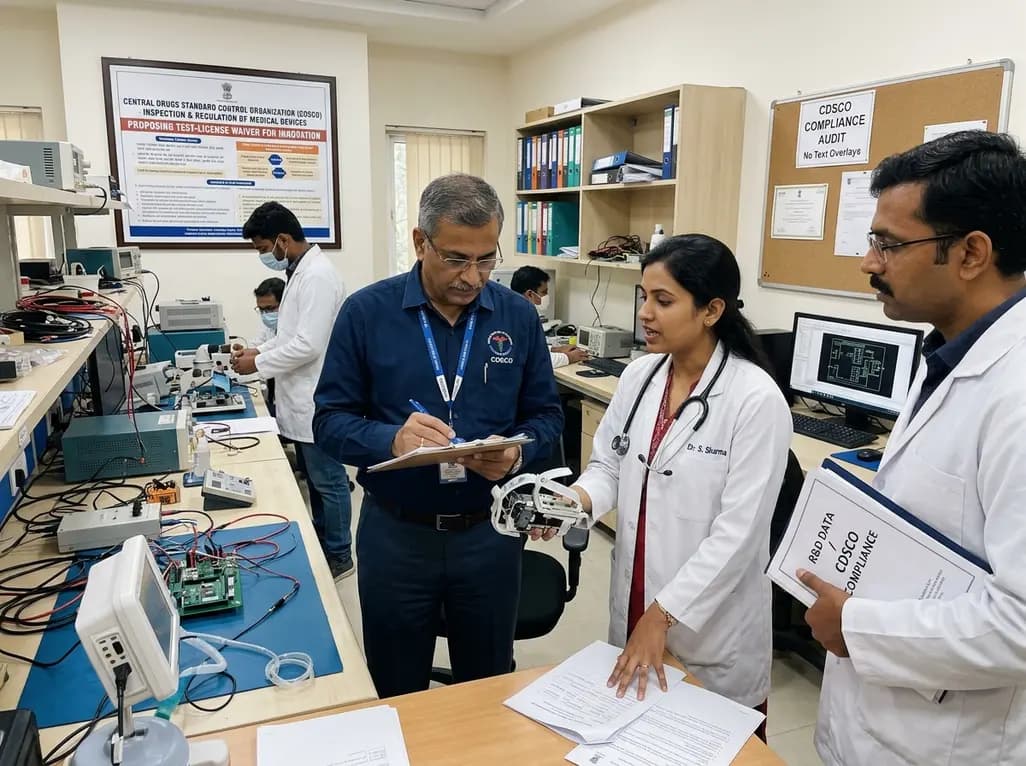
India's healthcare delivery system relies extensively on high-quality biomedical instruments, consumables, and surgical implants. Recently, the Central Drugs Standard Control Organisation announced a major regulatory pivot focusing on post-approval compliance. The apex drug regulator confirmed that medical device audits will increase significantly across manufacturing facilities nationwide. This regulatory transformation balances rigorous compliance oversight with streamlined bureaucratic pathways. Consequently, these changes will directly impact how diagnostic tools, therapeutic devices, and patient monitors enter the Indian clinical landscape.
Over the past two years, the Central Drugs Standard Control Organisation issued more than thirty thousand product licences under the Medical Devices Rules framework. Initially, regulators focused on facilitating seamless market transitions for domestic companies. However, the regulatory body is now shifting its operational focus towards strict quality assurance. The Drugs Controller General of India emphasized that manufacturers have received ample preparation time to align with quality management system standards. Therefore, impending manufacturing inspections will evaluate physical infrastructure, cleanroom integrity, and technical documentation without delay.
India currently houses approximately eight hundred medical device manufacturing facilities. The majority of these domestic units manufacture low-risk devices categorized under Class A and Class B. Meanwhile, industry representatives from the Association of Indian Medical Device Industry advocate for expanded third-party audits. Specifically, they propose delegating quality management audits for high-risk Class C and Class D devices to accredited certification bodies. Consequently, heightened audit activity aims to eliminate substandard devices from hospitals. Furthermore, systematic inspections will ensure that Indian biomedical manufacturers consistently uphold global quality benchmarks.
To sustain this intensified oversight, the Indian regulatory authority is substantially expanding its dedicated human resources. Historically, the pharmaceutical division managed device approvals under a unified structure. However, the burgeoning MedTech market necessitated a focused administrative division. The central agency recently created a Joint Drugs Controller General position. This new leadership post grants greater operational independence to the medical device vertical within the central regulatory body.
In addition, the authority promoted twenty-one drug inspectors to the rank of Assistant Drugs Controller. The agency also initiated recruitment for twenty additional medical device officers to handle specialized technical evaluations. Consequently, this expanded workforce enables comprehensive audits of production facilities, sterilization units, and supply chain records. Moreover, specialized regulatory officers can better evaluate complex biomedical devices, including implantable pacemakers, orthopedic prostheses, and advanced surgical robotics. Thus, strengthening institutional capacity ensures that rapid regulatory scaling does not compromise clinical safety standards or patient protection across healthcare institutions.
Alongside intensified facility inspections, the regulatory authority has implemented aggressive timeline reductions for product registrations. Previously, obtaining an import licence or manufacturing approval often took up to nine months. In contrast, the median processing duration for import applications has now dropped to approximately 145 days. This significant reduction reflects a proactive approach to eliminating administrative bottlenecks for essential healthcare technology.
Between April 2025 and June 2026, the central regulator granted 1,082 import licences under this expedited timeframe. Furthermore, in-vitro diagnostic products witnessed an average processing turnaround of just 105 days across 585 cleared applications. Similarly, the agency cleared 571 high-risk medical device applications within an average period of 106 days. These streamlined timelines allow hospitals and practicing clinicians to access advanced diagnostic reagents and therapeutic instruments much faster. Therefore, accelerating formal licensing pathways prevents critical clinical shortages while maintaining systematic evaluation standards.
Despite issuing thousands of device registrations, regulators identified that only 117 approvals involved genuinely novel or indigenous technologies. To address this innovation gap, the central licensing authority proposed waiving mandatory test licences for under-trial medical devices. Currently, innovators must obtain formal test licences to produce or import prototypes solely for bench testing, demonstration, or clinical investigation.
This reform mirrors earlier deregulatory provisions extended to pharmaceutical manufacturers during early research phases. The Drugs Technical Advisory Board will formally evaluate this proposal during their upcoming statutory meeting. Industry leaders strongly support this waiver because global regulatory agencies rarely require test licences for preliminary research and development activities. Consequently, eliminating this compliance barrier will accelerate early-stage prototyping and foster academic-industry collaboration. Furthermore, indigenous biomedical startups can iterate hardware and software prototypes rapidly without encountering prolonged administrative delays before clinical validation.
These comprehensive regulatory reforms carry far-reaching clinical implications for healthcare practitioners and patient outcomes. First, rigorous manufacturing inspections ensure that consumables, syringes, catheters, and surgical implants meet uncompromised sterility and functional standards. As a result, hospital-acquired complications and device failure rates will decline substantially in operative settings.
Second, the rapid expansion of India's medical device market from 16 billion dollars toward a projected 50 billion dollars strengthens healthcare infrastructure. Increased domestic manufacturing capacity reduces vulnerability to global supply chain disruptions during public health emergencies. Moreover, local production of advanced imaging systems, critical care equipment, and bedside monitors significantly lowers procurement costs for public and private hospitals. Ultimately, combining robust quality audits with research incentives fosters a safer, self-reliant MedTech ecosystem. This dual approach ensures that clinicians have timely access to reliable, state-of-the-art medical equipment.
Q1: Why is the CDSCO significantly increasing facility audits for medical device manufacturers?
The CDSCO is intensifying facility inspections because the regulatory transition period under the Medical Devices Rules has concluded. Having issued over thirty thousand product licences, the regulator is shifting its focus from facilitating market entry to enforcing quality compliance. Comprehensive audits ensure manufacturing facilities adhere to strict quality management systems, cleanroom protocols, and batch traceability, thereby protecting patient safety across healthcare settings.
Q2: How will the proposed test-licence waiver benefit medical device research and development in India?
The proposed test-licence waiver eliminates the mandatory requirement for researchers and startups to obtain regulatory licences during early development phases. Currently, developers face administrative delays when manufacturing prototypes for bench testing and laboratory evaluation. Waiving this requirement aligns India with global standards, lowers R&D compliance costs, and accelerates the creation of novel indigenous medical devices and clinical diagnostics.
Q3: How have approval timelines changed for high-risk medical devices and in-vitro diagnostics?
Approval timelines have decreased substantially across multiple product categories. The median processing timeline for device import licences has dropped to 145 days, compared to the statutory charter commitment of nine months. Furthermore, the average processing duration for high-risk medical devices and in-vitro diagnostic products has been reduced to approximately 106 days and 105 days, respectively, accelerating clinical availability.
Disclaimer: This content is for informational and educational purposes only. It does not constitute medical advice or replace professional judgment. Refer to the latest local and national guidelines for clinical practice.
References

Read summarized clinical updates, watch expert medical content, and earn CME certifications right from your smartphone.
Open your smartphone camera to scan and install.





The Drugs Controller General of India has announced rigorous facility inspections for medical device manufacturers, accompanied by accelerated licensing pathways and a landmark proposal to eliminate test licences during research and development phases.
last month

Plasma calprotectin correlates strongly with acute phase reactants, joint counts, and autoantibody load in rheumatoid arthritis. Evaluating calprotectin alongside CRP identifies aggressive inflammatory phenotypes, providing clinicians with actionable insights to refine treatment and monitoring strategies.
Today
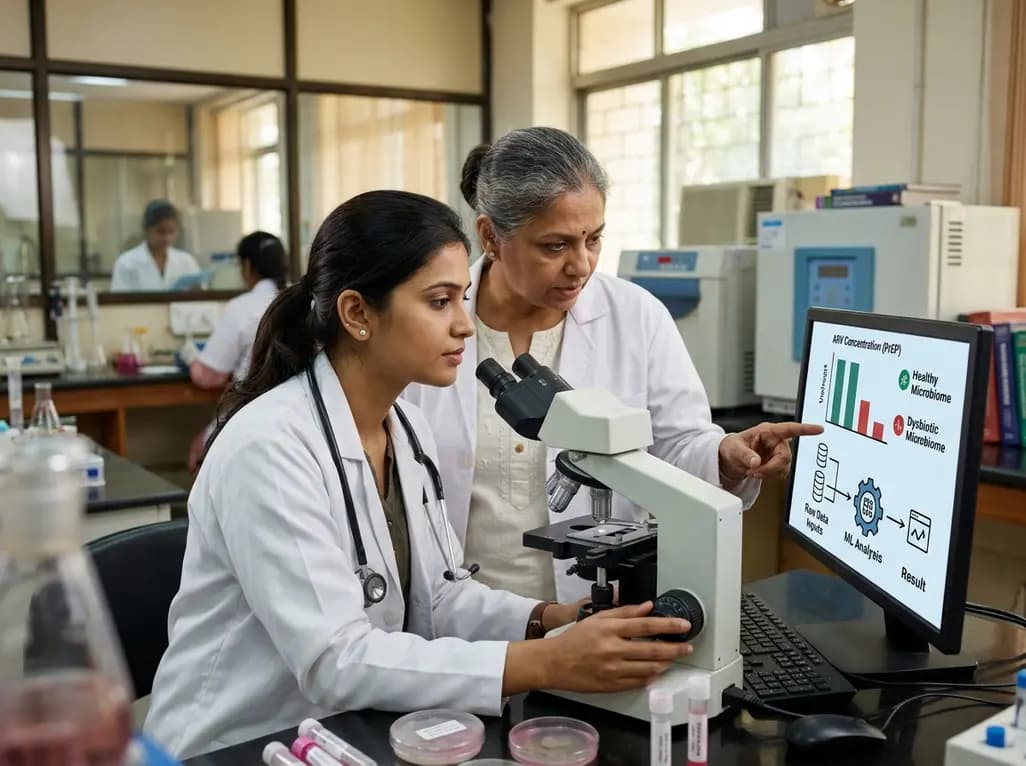
A pharmacometric and machine learning study reveals that specific vaginal bacteria alter cervical antiretroviral exposure, highlighting the need for precision HIV PrEP strategies.
Today
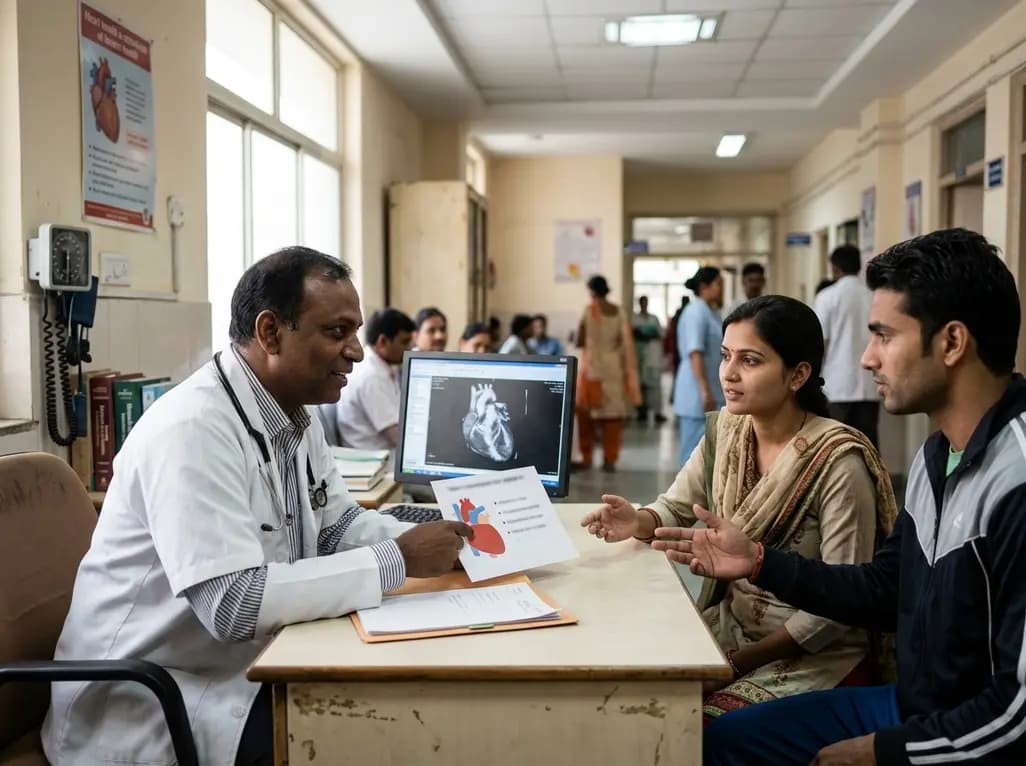
New clinical evidence demonstrates a shift away from strict exercise restrictions in genetic heart disease. While patients with channelopathies engage in more vigorous activity than those with cardiomyopathies, shared decision-making and individualized risk assessments ensure safe, beneficial exercise participation.
Today
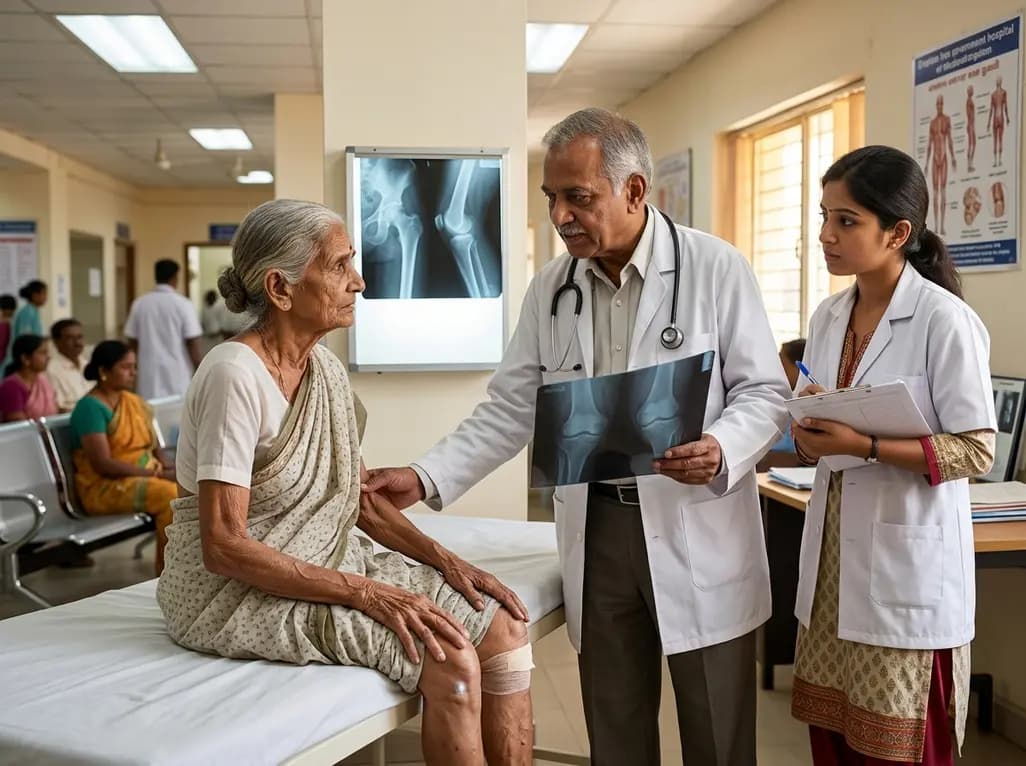
Sarcopenia significantly impairs functional independence and amplifies fracture risks in patients with osteoarthritis and osteoporosis. Learn about modern diagnostic strategies, GLP-1 therapy considerations, and evidence-based non-pharmacological management across multidisciplinary clinical settings.
Today
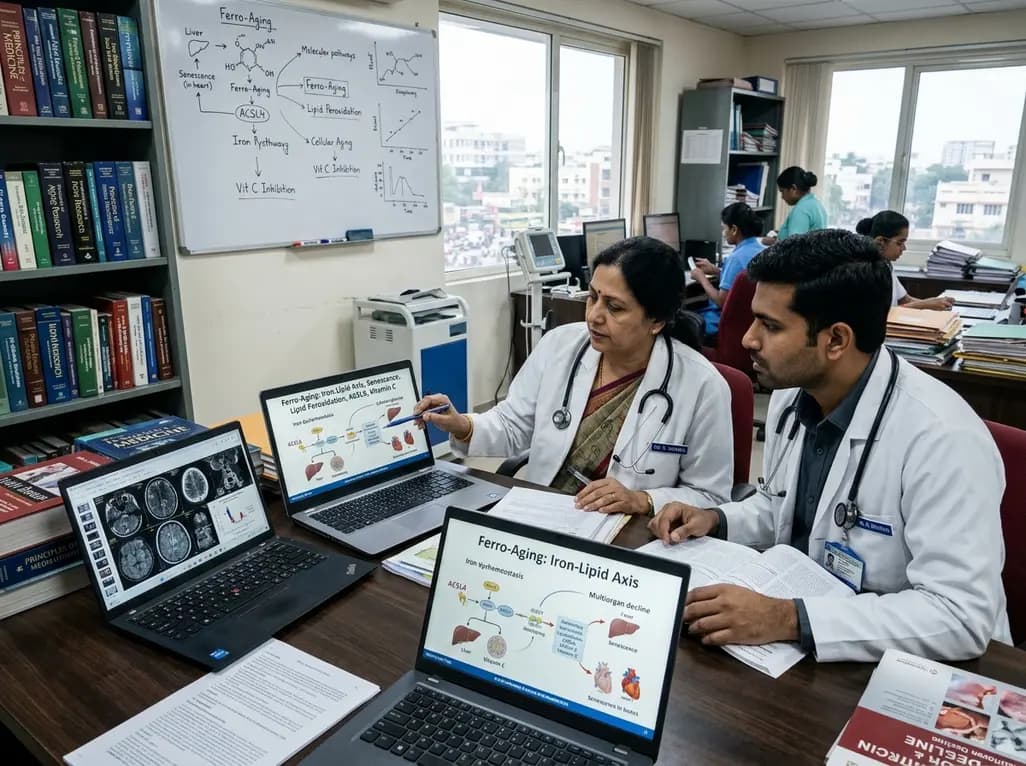
Recent research defines ferro-aging as a conserved iron-lipid axis driving organ decline across primates. Age-related iron dyshomeostasis stimulates ACSL4-mediated lipid peroxidation, promoting cellular senescence. Notably, vitamin C directly inhibits ACSL4, suppressing phospholipid oxidation and multi-organ decay.
Today
