.webp&w=384&q=75)

Loading, please wait...
Loading, please wait...
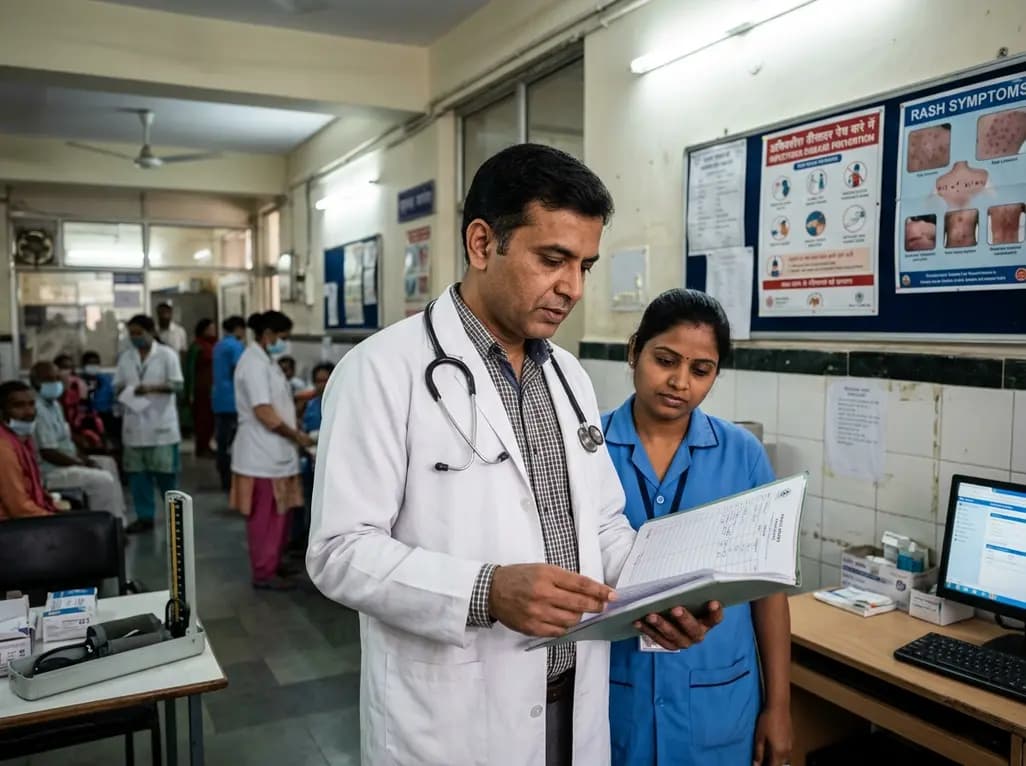
The recent acceleration of infectious illnesses presents a serious challenge for modern public health systems. In recent weeks, healthcare authorities have documented a concerning measles outbreak crossing one thousand confirmed cases across community clusters. Consequently, healthcare providers must revisit standard protocols for rapid diagnosis and infection control. Although many regions made substantial progress toward eliminating transmission, pockets of undervaccination quickly permit the virus to resurge. Because measles remains one of the most transmissible viral pathogens known, a single primary case can initiate massive transmission chains. Therefore, clinicians must maintain high diagnostic suspicion whenever encountering compatible febrile rash illnesses.
The epidemiology of measles demonstrates how rapidly an airborne pathogen can destabilize community health defenses. In the current measles outbreak, case investigations demonstrate that individuals who lack immunization drive the majority of transmission events. Indeed, fewer than one percent of confirmed patients had received a complete two-dose vaccination regimen. The measles virus exhibits a high basic reproduction number, typically ranging between twelve and eighteen secondary cases per infected individual. As a result, population immunity thresholds must exceed ninety-five percent to maintain robust herd protection. When localized vaccination rates fall below this threshold, exposure events ignite explosive outbreaks. Furthermore, modern demographic patterns show shifts in disease burden toward adolescents and young adults. In earlier decades, clinicians viewed measles almost exclusively as an early childhood disease. However, contemporary outbreaks frequently affect young adults who missed childhood immunization schedules or experienced waning immunity. Additionally, adult patients often suffer higher hospitalization rates and protracted illness courses compared to older children. Surveillance data indicates that approximately twenty percent of infected individuals require inpatient medical care. Consequently, public health teams must deploy aggressive contact tracing and ring vaccination strategies to halt onward spread across affected communities.
Prompt clinical identification remains essential for halting secondary transmission in outpatient clinics and emergency departments. Clinicians should remember that measles begins with an intense prodromal phase rather than an immediate rash. Typically, the prodrome lasts three to five days and presents with high fever, malaise, cough, coryza, and conjunctivitis. These classic respiratory symptoms, often summarized as the three Cs, should alert physicians to consider measles immediately. In addition, healthcare providers should examine the buccal mucosa for Koplik spots during the prodromal phase. These small, bluish-white elevations on an erythematous base appear opposite the lower molars and provide pathognomonic evidence of infection. However, Koplik spots often disappear rapidly within twenty-four to forty-eight hours as the generalized exanthem erupts. The characteristic maculopapular rash typically begins along the hairline and behind the ears before spreading cephalocaudally over the trunk and extremities. Subsequently, the confluent rash fades in the same anatomical sequence in which it appeared. Because early presentations resemble other common respiratory viral infections, clinicians must obtain thorough immunization histories and travel profiles. Furthermore, suspected cases warrant prompt laboratory confirmation through real-time reverse transcription polymerase chain reaction testing and measles-specific immunoglobulin M serology.
Measles is far from a benign childhood illness, as it carries substantial morbidity across specific high-risk groups. Specifically, infants younger than twelve months, pregnant women, and immunocompromised patients face extraordinary risks of severe systemic disease. In pediatric cohorts, secondary bacterial pneumonia represents the leading cause of measles-related mortality. The measles virus induces transient immunological amnesia by depleting memory lymphocytes, which impairs immune defenses against secondary infections for several months. Therefore, affected children remain vulnerable to aggressive bacterial otitis media and life-threatening pneumonia following apparent viral recovery. In pregnant individuals, measles infection increases the incidence of spontaneous abortion, premature rupture of membranes, and low birth weight. Furthermore, neurological complications pose severe long-term dangers to affected patients. Acute post-infectious encephalitis occurs in approximately one in every one thousand cases and often produces permanent neurological sequelae. Years after acute illness, persistent viral infection of the central nervous system can trigger subacute sclerosing panencephalitis. This degenerative disease proves uniformly fatal and emphasizes the critical necessity of preventing primary infection. Hospitalized patients also suffer from severe gastroenteritis, dehydration, and acute laryngotracheobronchitis. Thus, early risk stratification allows clinicians to anticipate life-threatening complications and initiate intensive supportive measures without delay.
Effective infection control protocols in clinical environments remain paramount because measles spreads efficiently through airborne droplets. The virus can remain suspended and infectious in ambient air for up to two hours after an infected individual departs. Consequently, healthcare facilities must enforce strict triage procedures before suspected patients enter crowded waiting areas. Providers should isolate symptomatic individuals immediately in negative-pressure airborne infection isolation rooms. If negative-pressure rooms are unavailable, staff should isolate the patient in a private room while ensuring strict respirator use. In addition, healthcare workers must evaluate exposed susceptible contacts rapidly to implement timely post-exposure prophylaxis. Administering the measles, mumps, and rubella vaccine within seventy-two hours of exposure offers meaningful protection against developing overt illness. Alternatively, clinicians should provide intravenous or intramuscular immunoglobulin to high-risk individuals within six days of exposure. This intervention particularly benefits infants under twelve months, pregnant individuals without proven immunity, and severely immunocompromised contacts. Moreover, public health authorities recommend oral vitamin A supplementation for all children diagnosed with acute measles. Administering age-appropriate vitamin A doses restores vital retinol levels, preserves ocular integrity, and substantially reduces pneumonia-related mortality. Consequently, institutional preparedness and rapid intervention prevent hospital-acquired outbreaks and protect vulnerable inpatients.
The resurgence of measles in well-resourced health jurisdictions underscores the fragility of community immunity against highly contagious pathogens. Decades of vaccine safety research confirm that the measles vaccine provides extraordinary durable protection. A single dose achieves ninety-three percent clinical efficacy, while the complete two-dose series delivers ninety-seven percent lifetime protection. Nevertheless, vaccine hesitancy, philosophical exemptions, and missed routine childhood vaccination appointments create widening gaps in community coverage. When localized coverage drops below the herd immunity threshold, transmission sparks uncontainable community clusters. Therefore, healthcare providers in every clinical setting play a pivotal role in maintaining public vaccine confidence. Clinicians must initiate proactive, empathetic discussions regarding immunization benefits with hesitant parents. Additionally, health systems must integrate electronic medical record reminders to capture catch-up vaccination opportunities during routine visits. For clinicians globally, including practitioners in India, these outbreaks emphasize that global travel can quickly import measles across geographic boundaries. Because international connectivity facilitates viral importation, clinicians must maintain vigilance regardless of local baseline disease prevalence. Furthermore, multi-sectoral public health partnerships must support marginalized populations to eliminate structural barriers to vaccination access. Ultimately, strengthening primary immunization programs remains the most cost-effective and dependable defense against resurgent vaccine-preventable diseases worldwide.
Q1: What are the primary reasons for the rapid spread seen in the current measles outbreak?
The rapid spread occurs primarily because measles possesses an exceptionally high basic reproduction number, allowing one infected person to transmit the virus to up to eighteen susceptible contacts. Furthermore, the current outbreak highlights significant gaps in community vaccination coverage, with fewer than one percent of confirmed patients being fully immunized. When localized vaccination rates drop below ninety-five percent, airborne transmission accelerates quickly through schools, households, and communal gathering spaces.
Q2: How effective is the measles vaccine, and what constitutes full immunization?
The measles, mumps, and rubella vaccine provides outstanding clinical efficacy against infection. A single dose offers approximately ninety-three percent protection, whereas a complete two-dose series achieves roughly ninety-seven percent lifelong effectiveness. Public health guidelines recommend administering the first dose between twelve and fifteen months of age, followed by a second dose between four and six years. Completing both doses ensures robust individual immunity and sustains the herd immunity needed to protect vulnerable individuals.
Q3: What immediate infection control and prophylaxis steps should clinicians take upon identifying a suspected case?
Clinicians must isolate suspected patients immediately in a negative-pressure airborne isolation room to prevent nosocomial viral transmission. Additionally, staff members should wear particulate respirators and confirm their personal immune status. For unvaccinated or susceptible contacts, clinicians can administer the MMR vaccine within seventy-two hours of exposure as post-exposure prophylaxis. Alternatively, administering intramuscular or intravenous immunoglobulin within six days provides crucial passive protection for infants, pregnant individuals, and severely immunocompromised patients.
Disclaimer: This content is for informational and educational purposes only. It does not constitute medical advice or replace professional judgment. Refer to the latest local and national guidelines for clinical practice.
References

Read summarized clinical updates, watch expert medical content, and earn CME certifications right from your smartphone.
Open your smartphone camera to scan and install.





With measles infections accelerating rapidly, healthcare providers face heightened challenges in early diagnosis and triage. This analysis explores transmission dynamics, characteristic clinical presentations, high-risk patient vulnerabilities, and the vital importance of maintaining community MMR coverage.
Today

A breakthrough study identifies thioredoxin-interacting protein (TXNIP) as a key upstream driver of tubular ferroptosis in hyperuricemic nephropathy. Pharmacological suppression by verapamil halts renal injury independently of serum urate levels, presenting a novel therapeutic paradigm for chronic kidney disease.
Today
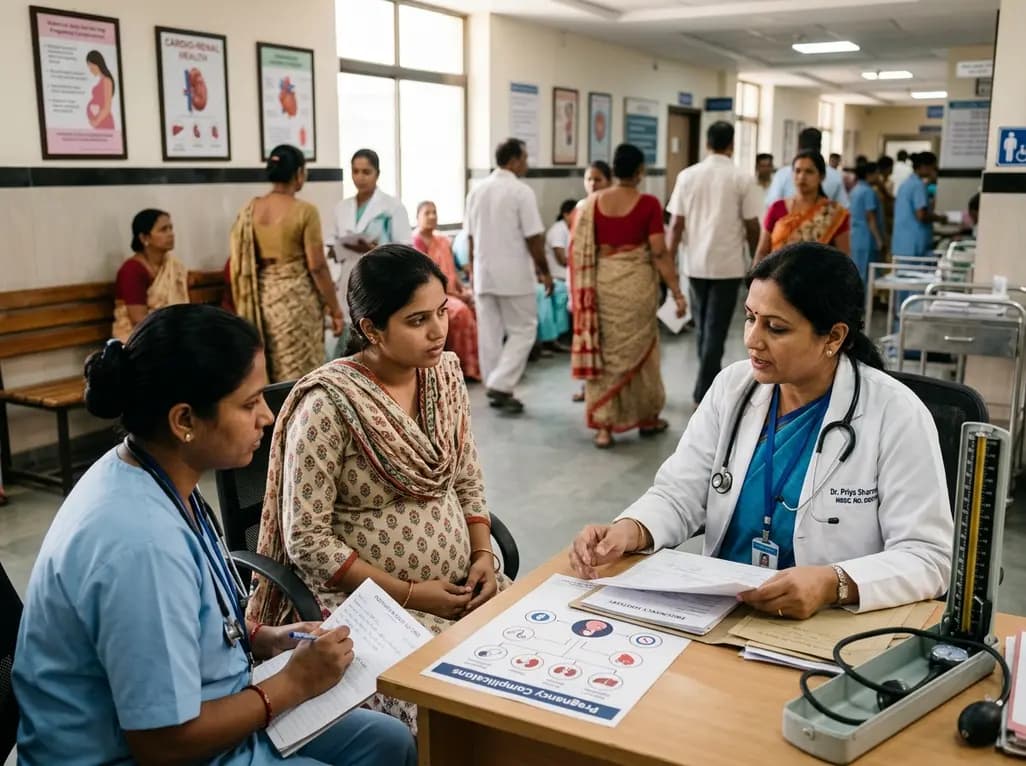
A large UK cohort study of 1.4 million women shows that pregnancy complications, including gestational diabetes, hypertension, and preterm birth, substantially raise long-term risks for hypertension, chronic kidney disease, type 2 diabetes, and cardiovascular events, highlighting early postpartum intervention needs.
Today
A cross-sectional study reveals that hypertension knowledge, illness perceptions, depression, and substance use significantly predict self-care behaviors. Addressing mental health and cognitive beliefs in primary care is crucial for optimal blood pressure control and cardiovascular disease prevention.
Today
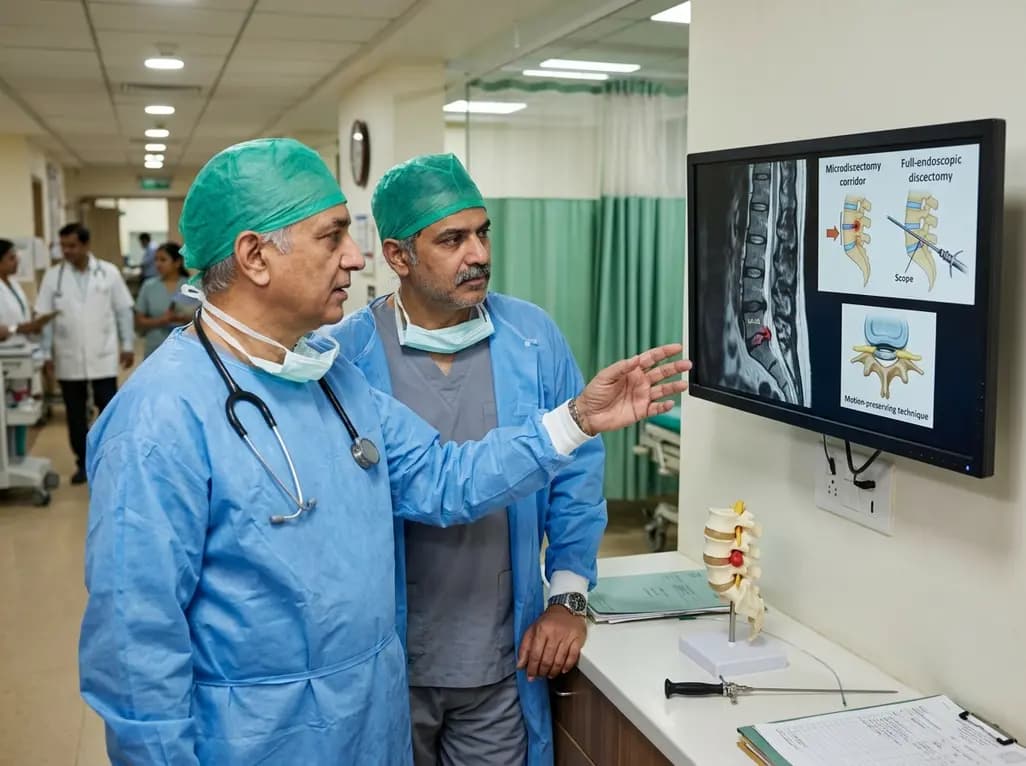
This clinical overview examines recent advancements in lumbar disc herniation surgery, comparing microscopic and full-endoscopic discectomy while highlighting biportal techniques and emerging motion-preserving innovations for spine specialists.
Today

Small interfering RNA (siRNA) therapeutics harness RNA interference to degrade disease-causing messenger RNA. By delivering hepatocyte-targeted, durable gene silencing, agents targeting PCSK9, LPA, and angiotensinogen offer potent cardiovascular risk reduction with infrequent, biannual dosing schedules.
Today
