.webp&w=384&q=75)

Loading, please wait...
Loading, please wait...
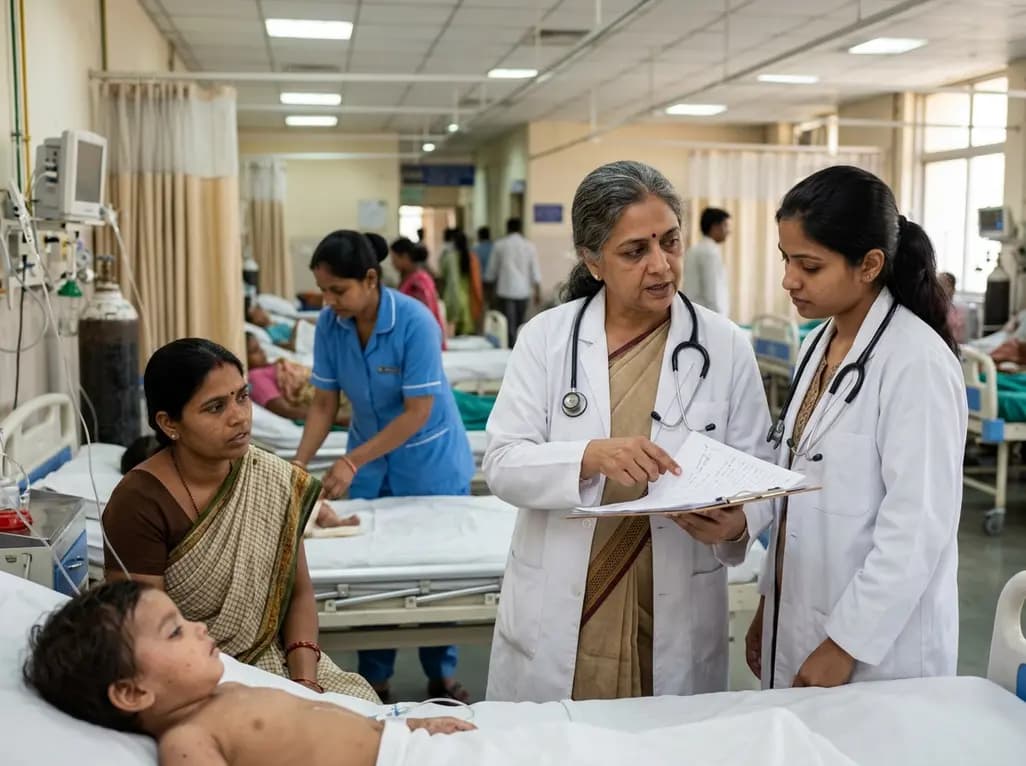
The recent emergence of fatal measles cases underscores severe public health vulnerabilities across communities. Notably, investigating recent measles-associated deaths reveals how virulent the measles virus remains when herd immunity wanes. Healthcare providers must recognize atypical presentations early to prevent catastrophic systemic complications. Consequently, clinicians worldwide need updated awareness regarding clinical management, high-risk phenotypes, and aggressive outbreak containment.
Public health authorities define measles-associated deaths through specific epidemiologic and temporal criteria. Typically, surveillance teams record any fatality occurring within thirty days of acute measles illness as measles-associated. However, clinical presentations often vary substantially among affected patients. Measles classically begins with prodromal symptoms such as high fever, coryza, persistent cough, and conjunctivitis. Soon afterward, distinctive Koplik spots appear on the buccal mucosa. Furthermore, an erythematous maculopapular rash erupts on the face and spreads centrifugally across the entire body. In severe cases, the virus triggers profound immune suppression that persists for weeks or months. This immune amnesia markedly increases susceptibility to secondary bacterial superinfections. Therefore, physicians must carefully monitor acute clinical decompensation in both pediatric and adult cohorts. While public health surveillance dashboards track aggregate numbers, bedside clinicians evaluate immediate organ dysfunction. Discrepancies between official mortality databases often arise because post-infectious complications mask the primary viral trigger. Consequently, clinicians must maintain meticulous clinical records and document preceding viral exanthems thoroughly. Early recognition of measles ensures timely supportive therapy and prevents fatal secondary events in vulnerable populations. Additionally, comprehensive laboratory testing confirms suspected viral etiology promptly.
Although measles predominantly infects pediatric populations, adult infections frequently produce severe, life-threatening complications. In adult patients, the measles virus exhibits intense tropism for both respiratory epithelium and immune cells. Initially, the virus binds CD150 receptors on lymphocytes and dendritic cells, causing systemic dissemination. Subsequently, the pathogen invades alveolar epithelial tissues via nectin-4 receptors. This dual cellular attack provokes overwhelming pulmonary inflammation and direct tissue destruction. Consequently, primary viral giant-cell pneumonia frequently develops in compromised hosts. In addition, secondary bacterial pneumonia poses an extreme lethal risk among infected adults. Pathogens such as Streptococcus pneumoniae and Staphylococcus aureus aggressively colonize the injured respiratory mucosa. Moreover, systemic viremia can trigger intense systemic inflammatory responses that destabilize underlying cardiovascular conditions. For instance, severe physiologic stress and persistent hypoxemia can precipitate acute myocardial infarction or malignant arrhythmias. Similarly, acute encephalitis or acute disseminated encephalomyelitis represents another catastrophic manifestation occurring during or after infection. Ultimately, host comorbidities such as diabetes, chronic pulmonary disease, and cardiovascular illness dramatically escalate mortality risk. Healthcare teams must therefore anticipate multiorgan failure when caring for infected adult patients. Prompt physiological stabilization remains essential to improve adult survival outcomes.
Establishing a definitive causal link between acute viral illness and mortality presents significant diagnostic challenges. Coroners and forensic pathologists primarily record immediate anatomical mechanisms of death, such as cardiac arrest or respiratory failure. In contrast, epidemiologists track broad infectious contributions to mortality across expanding community outbreaks. When an adult patient dies weeks after clinical measles, defining the underlying cause requires rigorous criteria. Furthermore, diagnostic ambiguity intensifies when patients present with complex pre-existing medical comorbidities. For example, severe secondary cardiovascular collapse may obscure antecedent paramyxovirus infection. Public health agencies utilize standardized surveillance definitions to capture all measles-associated fatalities systematically. However, discrepancies frequently emerge between local coroner determinations and centralized public health databases. Central registries often depend on strict death certificate coding rules from national statistics centers. Meanwhile, regional health departments prioritize rapid outbreak detection by categorizing all proximate fatalities as virus-associated. This administrative divergence can inadvertently generate public confusion regarding true outbreak severity. Therefore, clinical practitioners must communicate clearly with certifying authorities regarding clinical chronologies. Accurate documentation of antecedent viral signs ensures precise vital statistics and informs effective disease tracking. Thus, harmonizing diagnostic definitions remains essential for transparent disease reporting and pandemic response.
Measles represents one of the most transmissible viral infections encountered in clinical practice. The basic reproduction number of the measles virus ranges between twelve and eighteen in susceptible populations. Consequently, preventing community transmission requires maintaining a high herd immunity threshold of at least ninety-five percent. When population vaccine uptake declines even slightly, localized outbreak clusters rapidly emerge. Pockets of undervaccinated communities serve as potent amplification reservoirs during regional flare-ups. In these vulnerable clusters, unimmunized children and non-immune adults face substantial transmission risks. Two doses of the live attenuated measles, mumps, and rubella vaccine provide approximately ninety-seven percent lifetime protection. Conversely, a single vaccine dose provides around ninety-three percent clinical efficacy. Vaccine hesitancy, misinformation, and logistical delivery disruptions frequently erode these protective coverage levels. As community immunity falls below critical thresholds, viral transmission accelerates across broader geographic regions. Moreover, breakthrough infections can occasionally occur in vaccinated individuals who experience waning immunity or blunted immune responses. Nevertheless, vaccinated individuals who contract measles experience significantly milder symptoms and rarely suffer fatal outcomes. Healthcare professionals must therefore champion routine immunization campaigns vigorously across all care settings. Transparent clinician communication builds vaccine confidence and preserves essential herd immunity protections.
Managing active measles infections demands prompt diagnostic isolation and structured clinical supportive care. Clinicians should isolate suspected patients immediately in negative-pressure airborne infection isolation rooms whenever feasible. Furthermore, healthcare staff must wear N95 respirators during all patient interactions to prevent nosocomial transmission. Because no specific antiviral therapy exists for acute measles, management centers on rigorous supportive therapy. Physicians must prioritize aggressive hydration, antipyretic administration, and prompt treatment of secondary bacterial infections. In pediatric patients, high-dose oral vitamin A therapy significantly reduces morbidity and mortality rates. Specifically, the World Health Organization recommends administering two age-appropriate doses of vitamin A on consecutive days. For adult patients experiencing severe disease, critical care specialists manage respiratory insufficiency with protective mechanical ventilation. Post-exposure prophylaxis represents another vital tool for controlling localized clinical exposure events. Susceptible contacts should receive the measles vaccine within seventy-two hours of their initial exposure. Alternatively, clinicians administer intramuscular immune globulin within six days to high-risk individuals, including pregnant women and infants. Rapid contact tracing and public health notification limit further community transmission effectively. Ultimately, vigilant supportive therapy and coordinated infection control protocols protect vulnerable individuals from devastating outcomes.
Q1: How do public health agencies define a measles-associated death during an outbreak?
Public health agencies define a measles-associated death as any fatality occurring in a patient with laboratory-confirmed or epidemiologically linked measles infection where the disease contributed directly or indirectly to mortality. This standard surveillance definition includes fatal acute secondary complications such as severe bacterial pneumonia, acute cardiac events, or post-infectious encephalitis. While forensic coroners often record immediate anatomical causes of death, public health registries count these fatalities to monitor outbreak severity accurately.
Q2: Why are adults with underlying health conditions at greater risk of dying from measles?
Adults with chronic medical conditions face higher mortality risks because the measles virus induces profound systemic immune suppression. This temporary immune depletion allows secondary bacterial pathogens to cause lethal pulmonary superinfections. Furthermore, severe physiologic fever and acute hypoxemia place extreme hemodynamic stress on pre-existing cardiovascular and metabolic diseases. Consequently, infected adults experience higher rates of severe giant-cell pneumonia, acute myocardial injury, and multiorgan failure compared to healthy children.
Q3: How effective is the MMR vaccine in preventing measles outbreaks and fatal complications?
The live attenuated measles, mumps, and rubella vaccine provides extraordinary protection against viral infection and death. A single dose confers approximately ninety-three percent effectiveness, whereas the recommended two-dose schedule achieves ninety-seven percent clinical efficacy. Maintaining ninety-five percent population coverage generates robust herd immunity, preventing community transmission entirely. Even during rare breakthrough infections, vaccinated individuals experience substantially attenuated illness and almost never develop life-threatening respiratory or neurological complications.
Disclaimer: This content is for informational and educational purposes only. It does not constitute medical advice or replace professional judgment. Refer to the latest local and national guidelines for clinical practice.
References

Read summarized clinical updates, watch expert medical content, and earn CME certifications right from your smartphone.
Open your smartphone camera to scan and install.





Rising measles fatalities and widespread outbreaks demonstrate the severe risks of declining immunization coverage. This comprehensive clinical review examines adult measles complications, diagnostic criteria for associated deaths, herd immunity thresholds, and evidence-based outbreak response strategies.
Today

A UK multicentre prospective study published in the European Respiratory Journal reveals distinct oral and sputum microbiota dysbiosis in severe post-COVID patients. These microbial alterations correlate significantly with systemic inflammation, persistent neurocognitive deficits, and gastrointestinal symptoms.
Today

A landmark biomechanical study demonstrates that sports bra support and running shoe cushioning interact significantly to influence tibial acceleration, breast motion, and comfort in female runners, providing crucial insights for clinical counseling in sports medicine and women's health.
Today

The Delhi High Court declined immediate relief to PepsiCo regarding fresh manufacturing of products using the energy drink label. As regulatory bodies enforce strict standards on caffeinated beverages, medical professionals must evaluate the cardiovascular, metabolic, and pediatric risks linked to excessive intake.
Today

This review explores advances in antibacterial photothermal therapy, highlighting photothermal agents across NIR-I and NIR-II windows. By overcoming biofilm defenses and multidrug resistance without conventional antibiotics, these biomaterial platforms offer transformative options for complex clinical infections.
Today

A landmark Monte Carlo simulation study reveals widespread perchlorate and chlorate exposure through vegetables and drinking water, presenting significant thyroid disruption risks in young children. Learn the physiological mechanisms, dietary drivers, and preventive strategies for clinical practice.
Today
