.webp&w=384&q=75)

Loading, please wait...
Loading, please wait...

Post-acute sequelae of SARS-CoV-2 infection, commonly termed long Covid, continue to challenge clinicians across the globe. Furthermore, recent evidence indicates that alterations in the long Covid lung microbiome may drive persistent multiorgan disability. Investigators now highlight the mucosal bacterial ecosystem as a pivotal factor in long-term recovery. Therefore, this review examines the clinical implications of airway dysbiosis, its systemic manifestations, and prospective interventions for practitioners. Understanding these airway microbial changes provides meaningful diagnostic clarity for complicated post-viral presentations.
The landmark prospective study from the University of Dundee evaluated 771 patients across 38 hospitals in the United Kingdom. All participants had required hospitalization for acute SARS-CoV-2 infection during earlier waves of the pandemic. Researchers classified these cohorts at five months post-discharge into four distinct phenotypic tiers based on symptom severity. At six months, researchers analyzed saliva and sputum specimens using advanced microbial DNA sequencing techniques. Consequently, the team identified profound microbial imbalances within the oral cavities and lower respiratory tracts of affected individuals.
Moreover, patients in the very severe category demonstrated marked reductions in bacterial diversity compared to individuals with mild recovery. Healthy mucosal environments depend heavily on balanced bacterial communities to regulate mucosal immunity and epithelial integrity. However, severe long Covid patients showed a depleted presence of protective commensal taxa. In contrast, opportunistic bacteria dominated both sputum and oral samples in persistently ill patients. Therefore, researchers established a robust correlation between the magnitude of airway microbial disruption and the clinical severity of lingering post-COVID symptoms. These objective findings provide valuable insight for pulmonologists tracking chronic respiratory sequelae.
Persistent dyspnea and reduced exercise tolerance remain the most frequent complaints among patients presenting to outpatient respiratory clinics. In this cohort, individuals experiencing marked impairment in pulmonary function exhibited unique taxonomic signatures in their sputum. Specifically, physiological testing revealed reduced total lung capacity alongside notable airflow limitation. Furthermore, sputum metagenomic profiling demonstrated an abnormal expansion of lactic acid-producing bacterial species. This metabolic shift correlated closely with ongoing mucosal inflammation within the bronchial tree.
Additionally, persistent airway dysbiosis sustains local oxidative stress and impairs normal mucociliary clearance mechanisms. When lactic acid-generating bacteria overwhelm protective commensals, mucosal epithelial barriers weaken. As a result, chronic local irritation perpetuates persistent cough, bronchial hyperresponsiveness, and exertional breathlessness. Clinicians frequently encounter post-viral patients whose radiographic imaging appears completely unremarkable despite debilitating breathlessness. Thus, assessing airway dysbiosis provides an explanatory biological framework for chronic respiratory symptoms that routine pulmonary function tests cannot explain. Consequently, these findings encourage clinicians to look beyond structural parenchymal fibrosis when evaluating post-COVID breathlessness. Therefore, targeted airway sampling may eventually emerge as a valuable diagnostic adjunct in complex chronic respiratory care.
Cognitive dysfunction, often described by patients as brain fog, represents one of the most disabling features of post-acute coronavirus syndromes. Patients frequently struggle with memory consolidation, impaired attention spans, executive dysfunction, and slowed processing speeds. Interestingly, the study uncovered a compelling link between altered airway microbiota and persistent neurocognitive symptoms. Patients suffering from pronounced cognitive impairment exhibited distinctive taxonomic shifts in both oral secretions and pulmonary sputum.
Moreover, circulating biomarkers of inflammation correlated directly with these upper and lower airway bacterial changes. Systemic blood samples from affected individuals demonstrated elevated inflammatory cytokines alongside the overgrowth of lactic acid-producing microbes. Consequently, researchers hypothesize that mucosal dysbiosis fuels systemic immune activation, which subsequently breaches the blood-brain barrier. Furthermore, bacterial metabolites and circulating inflammatory mediators can stimulate microglial activation within the central nervous system. In this manner, airway microbial disturbances may drive neuroinflammation through a coordinated lung-brain axis. Thus, managing chronic neurological sequelae might eventually require therapeutic interventions that restore airway microbiome equilibrium. Clinicians must recognize that persistent cognitive symptoms often reflect systemic biological processes rather than isolated psychosomatic distress.
Although clinicians commonly associate microbiome dysfunction with gastrointestinal pathology, respiratory and enteric ecosystems remain intimately connected through the gut-lung axis. In the PHOSP-COVID analysis, patients reporting severe gastrointestinal complaints, such as persistent abdominal pain, nausea, and chronic diarrhea, exhibited distinctive sputum microbial signatures. This shared dysbiosis highlights how localized mucosal disruptions can radiate across distant organ systems through common immunological pathways.
Furthermore, mucosal epithelial tissues throughout the body share common lymphoid networks and immune surveillance mechanisms. When mucosal barriers break down in the lungs, circulating immune complexes and inflammatory cytokines perturb intestinal barrier function. Similarly, gut dysbiosis can exacerbate pulmonary inflammation through microbial translocation and circulating metabolites. Consequently, the identification of concurrent respiratory and digestive microbial disturbances confirms that long Covid is a truly systemic disorder. In everyday practice, Indian physicians often treat post-COVID patients who present with multi-system symptoms spanning respiratory distress, digestive upset, and profound fatigue. Recognizing this interconnected gut-lung crosstalk enables clinicians to avoid fragmented organ-specific treatments. Therefore, addressing systemic microbial health offers a unified conceptual framework for post-viral management. Accordingly, holistic clinical evaluation should systematically assess both pulmonary and digestive complaints during post-COVID follow-up consultations.
The discovery of airway dysbiosis in long Covid opens exciting avenues for prospective diagnostic and therapeutic innovation. Currently, clinicians lack targeted pharmacological treatments for long Covid, relying largely on symptom management and pulmonary rehabilitation. However, because the human microbiome remains dynamic and modifiable, restoring bacterial equilibrium presents a viable therapeutic opportunity. Investigators suggest that future interventions might utilize targeted narrow-spectrum antimicrobials, personalized probiotics, or inhaled microbiome-modulating therapies to restore mucosal balance.
Nevertheless, clinicians must exercise caution before prescribing empirical antibiotics for post-COVID dysbiosis in current clinical practice. Injudicious antimicrobial therapy frequently worsens bacterial dysbiosis, eradicates beneficial commensals, and accelerates antimicrobial resistance patterns. Instead, physicians should emphasize evidence-based supportive care, tailored nutritional interventions, and structured cardiopulmonary rehabilitation. Moreover, clinicians should monitor systemic inflammatory markers and optimize oral hygiene in all vulnerable post-viral patients. As research progresses into Phase 2 clinical trials, identifying distinct microbial phenotypes will allow clinicians to stratify patient risk accurately. Ultimately, targeting the mucosal bacterial microenvironment could transform the clinical management of long-term post-viral respiratory disease. Consequently, continued research in mucosal immunology holds immense promise for improving patient outcomes globally.
Q1: How does the lung microbiome differ in patients with severe long Covid compared to recovered individuals?
Patients with severe long Covid demonstrate marked reductions in airway bacterial diversity compared to individuals who recover smoothly. Sputum and saliva analyses reveal a depletion of beneficial commensal microorganisms alongside an overgrowth of opportunistic, lactic acid-producing bacteria. Furthermore, this microbial dysbiosis correlates directly with elevated circulating inflammatory proteins and objective respiratory impairments. These persistent compositional shifts suggest that localized mucosal dysbiosis sustains chronic inflammation within the respiratory tract.
Q2: Why are airway bacterial changes linked to cognitive symptoms like brain fog?
Airway mucosal dysbiosis promotes persistent local inflammation, which releases inflammatory cytokines and bacterial metabolites into the systemic circulation. Consequently, these circulating inflammatory mediators can cross the blood-brain barrier and activate microglial cells within the central nervous system. This immunological cascade illustrates the biological connection known as the lung-brain axis. Therefore, neurocognitive symptoms like memory loss and brain fog may stem directly from sustained systemic inflammation triggered by airway microbial imbalances.
Q3: Should physicians prescribe empirical antibiotics or probiotics to treat post-COVID airway dysbiosis?
Physicians should avoid prescribing empirical antibiotics for long Covid dysbiosis because indiscriminate antimicrobial use can worsen microbial disruption and drive drug resistance. Similarly, commercial over-the-counter probiotics lack robust clinical trial evidence specifically demonstrating efficacy for airway dysbiosis. Instead, clinicians should prioritize supportive care, supervised cardiopulmonary rehabilitation, anti-inflammatory dietary strategies, and strict oral hygiene. Physicians should await validated, guideline-approved microbiome therapies from upcoming prospective clinical trials before altering therapeutic protocols.
Disclaimer: This content is for informational and educational purposes only. It does not constitute medical advice or replace professional judgment. Refer to the latest local and national guidelines for clinical practice.
References

Read summarized clinical updates, watch expert medical content, and earn CME certifications right from your smartphone.
Open your smartphone camera to scan and install.





A UK multicentre prospective study published in the European Respiratory Journal reveals distinct oral and sputum microbiota dysbiosis in severe post-COVID patients. These microbial alterations correlate significantly with systemic inflammation, persistent neurocognitive deficits, and gastrointestinal symptoms.
Today

A landmark biomechanical study demonstrates that sports bra support and running shoe cushioning interact significantly to influence tibial acceleration, breast motion, and comfort in female runners, providing crucial insights for clinical counseling in sports medicine and women's health.
Today
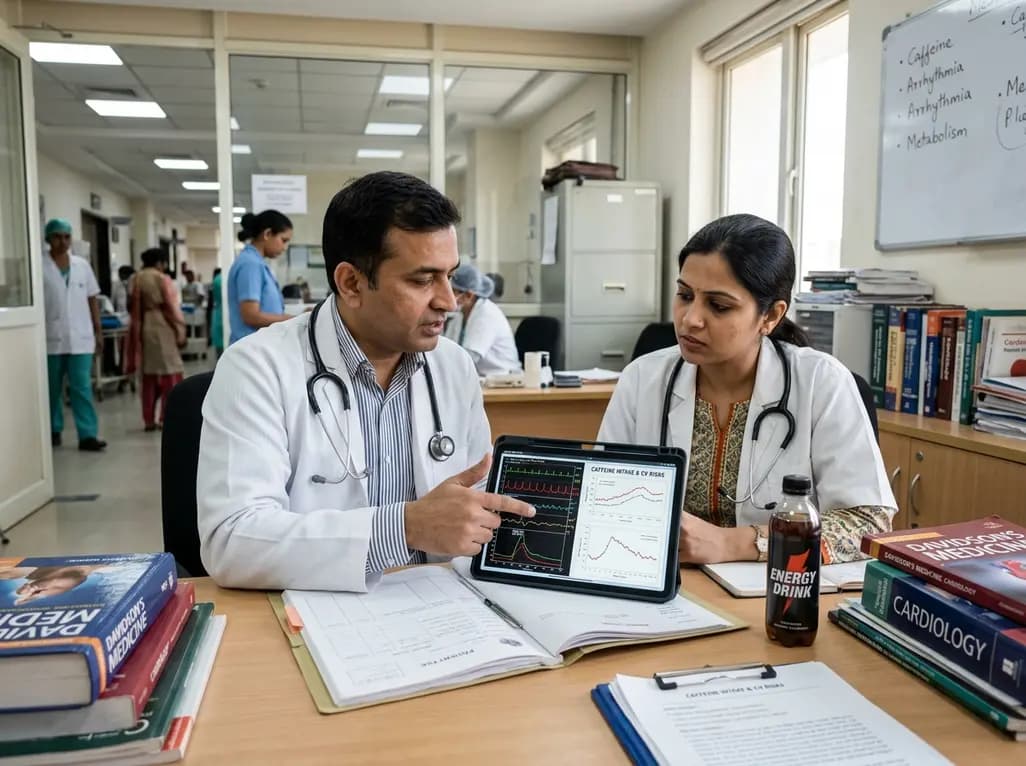
The Delhi High Court declined immediate relief to PepsiCo regarding fresh manufacturing of products using the energy drink label. As regulatory bodies enforce strict standards on caffeinated beverages, medical professionals must evaluate the cardiovascular, metabolic, and pediatric risks linked to excessive intake.
Today

This review explores advances in antibacterial photothermal therapy, highlighting photothermal agents across NIR-I and NIR-II windows. By overcoming biofilm defenses and multidrug resistance without conventional antibiotics, these biomaterial platforms offer transformative options for complex clinical infections.
Today

A landmark Monte Carlo simulation study reveals widespread perchlorate and chlorate exposure through vegetables and drinking water, presenting significant thyroid disruption risks in young children. Learn the physiological mechanisms, dietary drivers, and preventive strategies for clinical practice.
Today
