.webp&w=384&q=75)

Loading, please wait...
Loading, please wait...

Maternal mortality in India remains a significant public health challenge according to recent data. Specifically, a new global analysis in The Lancet revealed concerning statistics. India recorded 24,700 maternal deaths per one lakh live births in 2023. While global trends show a decline, progress has slowed significantly in recent years. Therefore, this disparity highlights the uneven healthcare access across different regions.
Researchers identified primary causes for these tragic outcomes. For instance, maternal hemorrhage and hypertensive disorders of pregnancy remain the leading reasons for death globally. Furthermore, the COVID-19 pandemic also played a role early on. Before widespread vaccination, infection waves caused temporary spikes in mortality rates. Consequently, strengthening health systems is crucial for future stability. To achieve better outcomes, clinical interventions must focus on these high-risk conditions.
The Sustainable Development Goal (SDG) target aims for an MMR below 70 per one lakh live births. However, 104 out of 204 countries have not yet reached this milestone. Although the global maternal mortality ratio dropped by one-third since 1990, the pace is insufficient. As a result, renewed global action is required to accelerate progress. Experts suggest improving access to antenatal care and safe delivery services. Additionally, emergency obstetric care and post-partum follow-up are vital for reducing these numbers.
Q1: What was the maternal mortality rate in India in 2023?
According to the 2023 analysis, India saw 24,700 maternal deaths per one lakh live births, positioning it among countries with the highest burden in South Asia.
Q2: What are the main causes of maternal deaths identified in the study?
The leading causes of maternal deaths globally include maternal hemorrhage and hypertensive disorders of pregnancy, which require improved access to emergency care.
Disclaimer: This content is for informational and educational purposes only. It does not constitute medical advice or replace professional judgment. Refer to the latest local and national guidelines for clinical practice.
References

Read summarized clinical updates, watch expert medical content, and earn CME certifications right from your smartphone.
Open your smartphone camera to scan and install.





A 2023 Lancet study highlights India's high maternal mortality rate of 24,700 deaths, underscoring the urgent need for improved obstetric care and intervent...
6 months ago

A recent study demonstrates that spinal oxygen sensors do not require mitochondrial electron transport to trigger sympathetic excitation during acute hypoxia, revealing new insights into how mitochondrial oxidative stress modulates autonomic tone in cardiovascular and neurological diseases.
Today
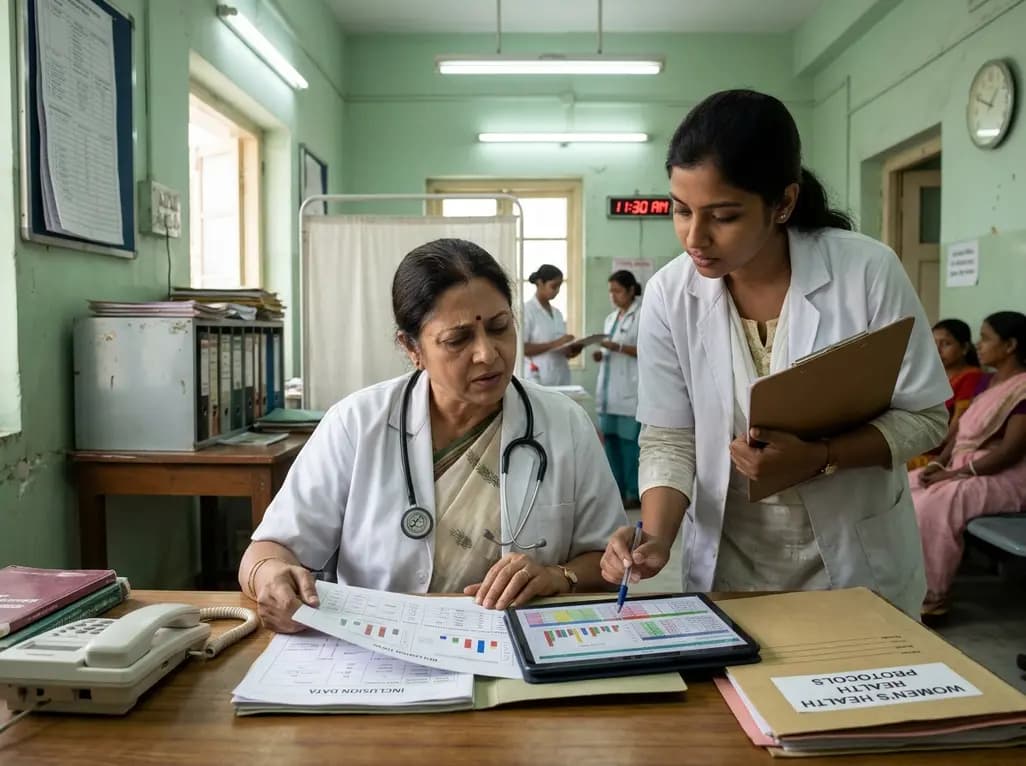
Demanding exhaustive hormonal profiling can inadvertently discourage clinical studies involving females. Methodological standards must align with the specific scientific question to expand, not restrict, equitable evidence for women.
Today

The Directorate General of Health Services directs Indian states to halt the hazardous reuse and reprocessing of single-use medical devices. Discover regulatory implications under the Drugs and Cosmetics Act, critical infection risks, legal liabilities, and operational changes required across clinical specialties.
Today
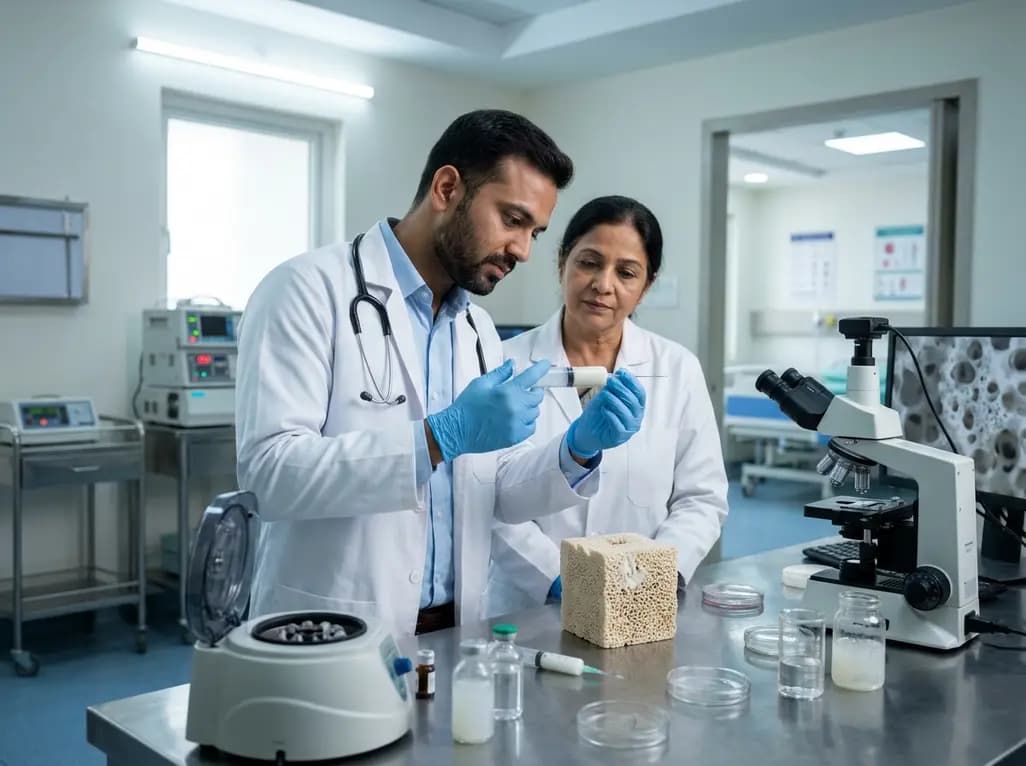
A novel calcium polyphosphate coacervate enables injectable bone implants with in situ hierarchical porosity via phase separation and gas foaming, significantly enhancing cell proliferation, energy metabolism, and osteogenic differentiation for minimally invasive bone defect repair.
Today
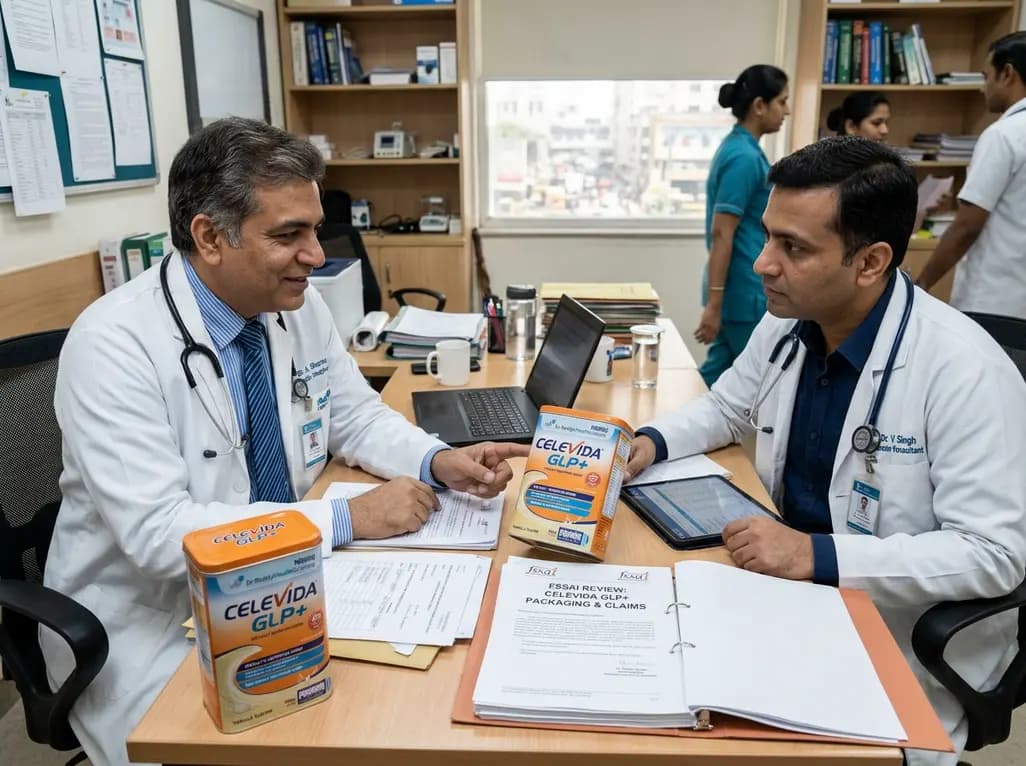
Following regulatory scrutiny from FSSAI regarding promotional representations and lean muscle preservation claims, Dr. Reddy's Laboratories and Nestlé Health Science are currently reviewing the branding and marketing strategy for their joint nutritional supplement Celevida GLP+.
Today
