.webp&w=384&q=75)

Loading, please wait...
Loading, please wait...
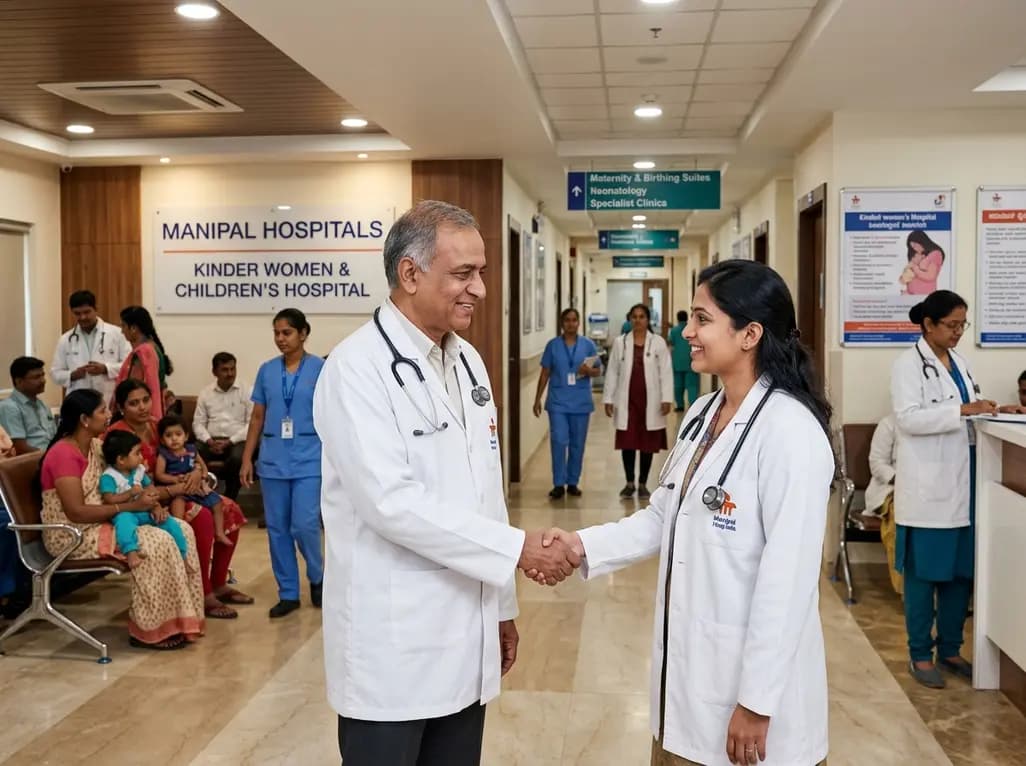
Manipal Health Enterprises has announced a significant expansion in Karnataka through the recent Kinder Hospitals acquisition in Bengaluru. The healthcare group signed a definitive Business Transfer Agreement with Kindorama Healthcare Private Limited to take over the operations. Specifically, the transaction involves an all-cash deal valued at ₹130 crore. This development adds 100 specialized beds directly to the provider's expanding urban footprint. Consequently, the organization enhances its regional clinical capabilities in maternal, reproductive, and specialized pediatric healthcare delivery.
The strategic execution of the Kinder Hospitals acquisition directly reinforces secondary and tertiary maternal infrastructure in East Bengaluru. Indeed, urban growth in the Doddanekundi and Whitefield corridors has accelerated patient footfall rapidly. Therefore, established healthcare networks require agile inpatient capacity to manage growing obstetric demands. By acquiring an established facility commissioned in 2022, Manipal bypasses typical multi-year greenfield construction timelines. As a result, the hospital network immediately deploys advanced clinical protocols across functional operational units.
Furthermore, this transaction aligns seamlessly with broader institutional targets for nationwide capacity expansion. Manipal currently manages more than 13,500 licensed beds across multiple Indian states. However, the organization plans to add another 2,426 beds across 14 states by FY30. Consequently, targeted acquisitions in high-density corridors offer optimal capital efficiency for major hospital operators. Thus, expanding bed counts in key micro-markets allows clinicians to coordinate emergency admissions and elective surgical procedures more effectively.
The agreement between Manipal Health Enterprises and Kindorama Healthcare follows a pure asset purchase framework. Specifically, the ₹130 crore cash deal transfers all hospital business operations, biomedical assets, and physical infrastructure. However, the transaction strictly excludes equity share purchases of the parent entity. For the fiscal year ending March 31, 2026, the facility generated approximately ₹20.75 crore in operational revenue. Hence, the transaction valuation reflects roughly 6.3 times its annual operational turnover.
Additionally, the transaction remains subject to customary regulatory approvals and statutory ownership transfers. Both parties expect to conclude the entire integration process within 90 days. Meanwhile, hospital management confirmed that this deal involves no related-party transactions. Neither the primary promoters nor group companies held prior financial stakes in Kindorama Healthcare. Therefore, this clean corporate transfer simplifies governance workflows and accelerates regulatory compliance across municipal health authorities.
From a clinical standpoint, single-specialty maternity facilities provide tailored pathways for pregnant individuals and neonates. Kinder Women's Hospital established substantial clinical competencies in reproductive medicine, comprehensive obstetrics, and fetal monitoring. Consequently, integrating this 100-bed unit into a tertiary network upgrades local critical care support. Clinicians can now cross-refer high-risk obstetric cases and complicated neonatal emergencies to tertiary facilities seamlessly.
Moreover, modern reproductive healthcare requires advanced diagnostic modalities and multidisciplinary intervention. Fertility treatments, minimally invasive gynecological surgeries, and Level III neonatal intensive care units demand strict protocol standardization. By incorporating standardized clinical pathways, Manipal strengthens patient safety benchmarks across the entire patient journey. Furthermore, resident doctors and obstetric consultants benefit from unified medical record systems, shared clinical audits, and expanded diagnostic laboratory support.
Bengaluru represents one of the most competitive and dynamic healthcare environments in India. In particular, the Whitefield micro-market houses a dense demographic of young working families and professionals. Consequently, consumer expectations for personalized maternity suites, birthing centers, and pediatric outpatient clinics have risen substantially. Manipal already operates larger tertiary facilities within the Whitefield region. Thus, adding a dedicated women-centric hospital creates an effective hub-and-spoke delivery model.
Additionally, this localized hub-and-spoke structure optimizes resource allocation across medical specialties. Routine deliveries, standard gynecological evaluations, and fertility consultations take place within the specialized community center. Conversely, complex multi-organ emergencies and advanced oncological surgeries transition smoothly to larger regional campuses. Ultimately, this operational structure improves patient access, reduces emergency transit delays, and optimizes overall bed occupancy rates.
The consolidation trend across Indian private healthcare has gathered remarkable momentum over recent quarters. Major hospital operators actively acquire independent regional centers to consolidate market share in high-demand metropolitan zones. In recent years, Manipal executed large-scale acquisitions, including Sahyadri Hospitals, AMRI Hospitals, and Medica Synergie. Therefore, the acquisition of smaller standalone units complements these massive regional buyouts by securing vital neighborhood catchments.
Furthermore, leading institutional chains leverage substantial financial liquidity to scale their physical footprint prior to public market listings. Expanding licensed bed capacity improves operational margins and supply chain negotiating power with pharmaceutical vendors. As corporate networks expand, practicing physicians witness significant changes in administrative governance and institutional support. Ultimately, standardized clinical governance, modernized biomedical equipment, and digital health records elevate patient care quality across India's evolving healthcare system.
Q1: What are the key terms of the Kinder Hospitals acquisition by Manipal?
Manipal Health Enterprises signed an all-cash Business Transfer Agreement valued at ₹130 crore with Kindorama Healthcare Private Limited. The agreement transfers the entire operational business, medical infrastructure, and physical assets of the 100-bed Kinder Women's Hospital in Bengaluru. However, the transaction strictly excludes any equity share purchases, ensuring a direct asset transfer pending statutory approvals.
Q2: How does this acquisition benefit women's healthcare and maternal clinical services?
This transaction integrates a dedicated 100-bed maternal and fertility center into a larger tertiary healthcare network. Consequently, patients receive streamlined access to advanced obstetric diagnostics, reproductive medicine, and Level III neonatal intensive care. Furthermore, clinicians can easily escalate high-risk pregnancies to nearby tertiary hubs, significantly improving overall maternal and neonatal safety outcomes.
Q3: Where is the acquired facility located and when did it begin operations?
The facility is located in the Doddanekundi Industrial Area within Bengaluru's Whitefield micro-market in Karnataka. Kindorama Healthcare originally commissioned the hospital in 2022 to provide specialized women's health and reproductive medical care. The center generated ₹20.75 crore in annual revenue in FY26 before entering into the transfer agreement with Manipal.
Disclaimer: This content is for informational and educational purposes only. It does not constitute medical advice or replace professional judgment. Refer to the latest local and national guidelines for clinical practice.
References

Read summarized clinical updates, watch expert medical content, and earn CME certifications right from your smartphone.
Open your smartphone camera to scan and install.





Manipal Health Enterprises has signed a ₹130 crore Business Transfer Agreement to acquire Kinder Women's Hospital in Doddanekundi, Bengaluru. This strategic asset acquisition adds 100 specialized beds for maternal and reproductive care, strengthening the healthcare network across East Bengaluru's medical ecosystem.
last month
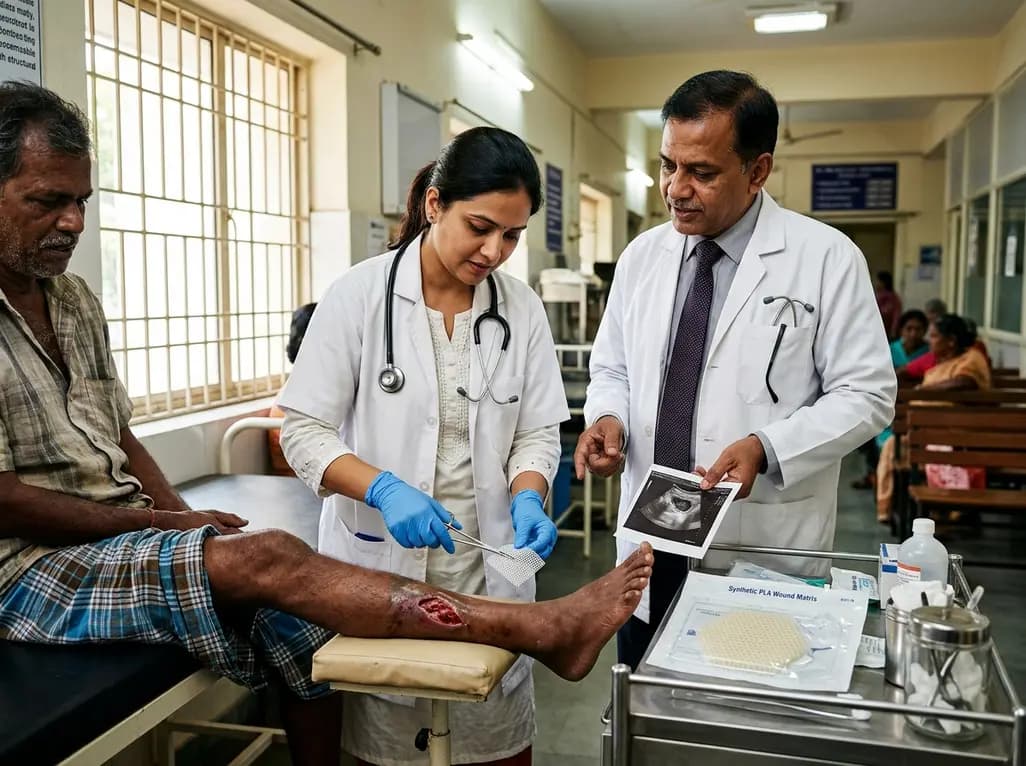
A recent clinical case series highlights the synthetic polylactic acid matrix as an innovative local therapy for refractory pyoderma gangrenosum. The bioresorbable scaffold demonstrated complete ulcer closure and favorable scar quality across chronic wounds, presenting a viable regenerative modality.
Today
A nationwide South Korean study shows underreporting of smoking among women dropped from 57.4% to 36.4% between 2008 and 2021. However, over one-third of female smokers still conceal their habit, highlighting the critical role of cotinine verification in clinical risk assessment.
Today
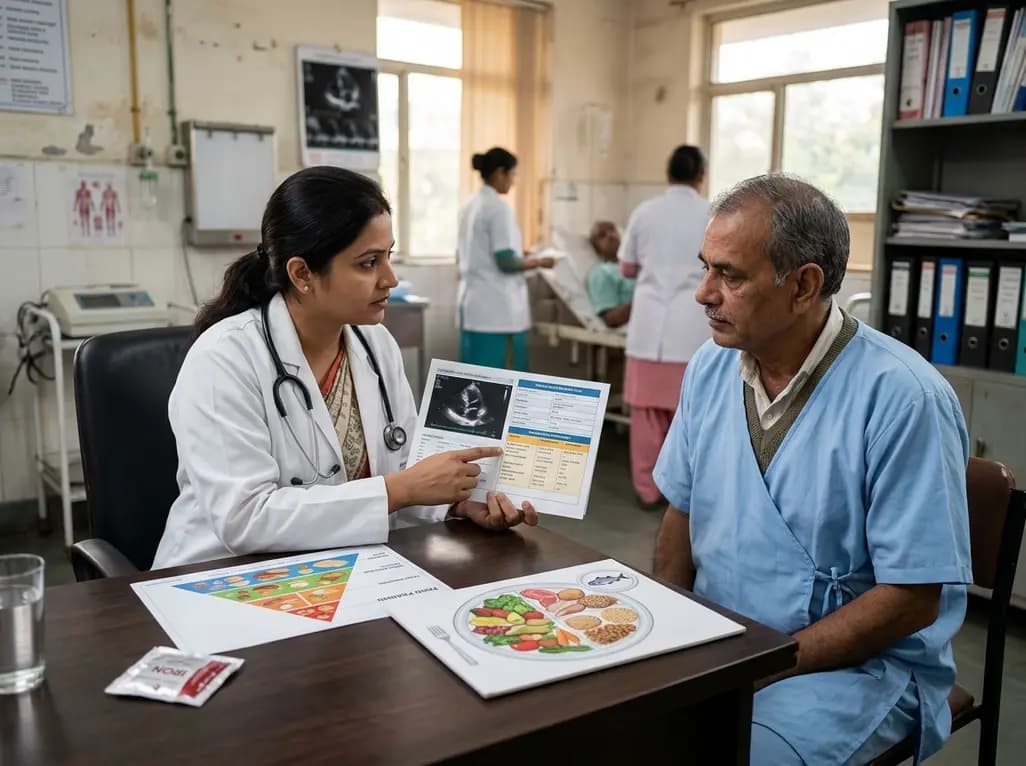
A scientific statement highlights the crucial role of nutrition in managing chronic heart failure. It emphasizes GLIM-based screening, individualized dietary patterns like the Mediterranean diet, appropriate protein and energy intake, avoiding unnecessary fluid restriction, and targeted iron supplementation.
Today
A new study evaluates the rheological stability of decellularized peripheral nerve matrix hydrogels under varied storage conditions. Findings show -80°C storage and freeze-drying preserve gelation kinetics and mechanical stiffness, offering key insights for shipping and translational clinical applications.
Today
A qualitative meta-synthesis highlights the complex interplay between gender dysphoria, minority stress, and eating disorders in transgender and gender-diverse individuals. Clinicians must recognize these distinct drivers to offer supportive, gender-affirming, and interdisciplinary eating disorder care.
Today
