.webp&w=384&q=75)

Loading, please wait...
Loading, please wait...

Headache disorders represent one of the most frequent reasons for outpatient neurological consultations globally. However, accurately distinguishing primary headaches such as migraine and tension-type headache from secondary etiologies remains a persistent clinical challenge. Recent advances in medical artificial intelligence offer potential solutions to reduce diagnostic errors and streamline clinical workflows. Consequently, the prospect of automated AI headache diagnosis has attracted immense interest from neurologists and health technology developers. A landmark systematic review recently evaluated whether modern computational algorithms can classify adult headache disorders as reliably as experienced physicians using International Classification of Headache Disorders criteria. By examining 74 studies encompassing 154,856 participants, researchers rigorously assessed the diagnostic accuracy, methodological quality, and real-world clinical readiness of these computational models.
The systematic evaluation analyzed a broad spectrum of computational architectures deployed across seventy-four diagnostic studies. Among these, investigators noted that traditional machine learning algorithms predominated, accounting for forty-seven investigations. In addition, eighteen studies implemented deep learning architectures, while nine utilized hybrid or rule-based models. These systems processed diverse diagnostic data, spanning complex neuroimaging modalities, multimodal clinical datasets, neurophysiological signals, and structured questionnaires. Across the complete literature cohort, published sensitivity ranged widely from 47.5% to 100.0%, and specificity spanned between 50.4% and 100.0%. Similarly, the area under the receiver operating characteristic curve varied considerably, fluctuating between 0.658 and a theoretically perfect 1.000. Such vast variance demonstrates that algorithmic efficacy depends heavily on the underlying architecture and the quality of clinical input data. Furthermore, while certain architectures achieve statistically impressive results in experimental isolation, their performance deteriorates markedly when researchers test them against heterogenous patient profiles. Therefore, clinician scientists must carefully scrutinize the exact operational parameters before accepting automated classifications as clinically meaningful evidence.
A particularly revealing finding from the systematic review involves the dramatic divergence between different clinical input modalities. Notably, models built upon structured questionnaires demonstrated realistic and reproducible diagnostic accuracies, typically stabilizing between 74% and 86%. These structured questionnaire tools directly reflect practical clinical workflows, where physicians systematically evaluate headache characteristics, temporal profiles, and associated neurological symptoms. In stark contrast, models utilizing advanced neuroimaging data frequently generated near-perfect, flawless diagnostic metrics. However, experienced neuroscientists recognize that primary headache disorders, such as migraine and cluster headache, rarely present visible anatomical signatures on conventional magnetic resonance imaging. Consequently, these extraordinarily high neuroimaging performance metrics almost certainly represent severe computational overfitting rather than authentic physiological biomarker discovery. Algorithms often inadvertently identify scanner artifacts, subtle demographic discrepancies, or irrelevant institutional imaging features instead of genuine pathology. Therefore, clinicians must regard near-perfect imaging classifiers with significant skepticism until developers validate them across independent cohorts. Questionnaire-based tools remain far more grounded in practical headache medicine and offer greater promise for routine triage.
Despite optimistic claims across published medical literature, rigorous quality appraisal revealed widespread methodological vulnerabilities in most headache diagnostic models. Specifically, the authors applied the QUADAS-2 tool alongside the dedicated QUADAS-AI extension to evaluate methodological integrity. Alarmingly, 65 of the 74 included investigations exhibited a high risk of bias. One recurrent and critical failure involved rampant data leakage between training and testing partitions. When developers preprocess features or perform variable selection across an entire dataset prior to data splitting, information unavoidably contaminates the validation set. Consequently, algorithms achieve artificially inflated performance scores that crumble during clinical deployment. Furthermore, many research teams utilized opaque reporting frameworks that prevented independent verification of algorithmic decision paths. Clinicians cannot ethically adopt black-box diagnostic recommendations when they cannot inspect the clinical reasoning behind a machine decision. In addition, few studies reported calibration curves or pre-specified threshold selections, leaving diagnostic probabilities ambiguous. Therefore, the headache community must demand rigorous adherence to standardized reporting guidelines like STARD-AI before accepting any commercial machine learning software into mainstream clinical workflows.
Beyond computational leakage, sampling architecture represents another profound threat to clinical applicability. A staggering majority of reviewed studies utilized artificial case-control cohorts that compared severe, highly characterized migraine patients directly against healthy control participants. However, clinicians rarely face such binary choices in real-world outpatient or emergency settings. In daily practice, doctors must distinguish migraine from tension headaches, medication-overuse headaches, cervicogenic pain, or dangerous secondary headaches. By deliberately excluding borderline presentations and overlapping phenotypes, researchers introduce massive spectrum bias that invalidates generalizability. Furthermore, an astounding deficit exists in algorithmic validation: only 4 out of the 74 evaluated studies conducted independent external validation on distinct patient populations. When developers fail to test their models on outside healthcare centers, they cannot account for demographic variations, institutional referral patterns, or differing clinical practices. As a result, algorithms that appear omniscient within their home institution often fail miserably when deployed in outside clinics. Consequently, external validation on prospectively enrolled, unselected patient cohorts must become the mandatory prerequisite for any future diagnostic artificial intelligence publication.
For practicing neurologists and primary care physicians, these findings offer reassuring yet cautionary insights regarding the current role of automation. Currently, artificial intelligence cannot replace comprehensive clinical interviews, skilled physical examinations, or nuanced clinical judgment. The International Classification of Headache Disorders emphasizes nuanced temporal criteria and subjective symptom descriptors that require empathetic, interactive dialogue to elicit accurately. Nevertheless, machine learning algorithms still hold substantial potential as supportive clinical decision-support systems when designed responsibly. In resource-constrained environments or high-volume primary clinics, validated questionnaire-based screening tools could assist non-specialists in identifying patients requiring prompt neurological referral. Furthermore, digital triage algorithms could help reduce diagnostic delays, which currently average several years for conditions like chronic migraine or cluster headache. However, physicians must remain the ultimate arbiters of diagnostic and therapeutic choices. To safely bridge this gap, future research must prioritize prospective clinical trials, eliminate artificial case-control cohorts, and foster transparent open-source code sharing. Through disciplined methodology, machine learning can eventually evolve into a dependable ally for headache medicine.
No, current artificial intelligence models cannot replace clinical neurologists. Comprehensive diagnosis requires nuanced clinical interviews, physical examinations, and holistic judgment based on ICHD criteria. Pervasive methodological flaws, spectrum bias, and lack of external validation currently limit AI models to experimental or supportive triage roles rather than autonomous diagnostic decision-making.
Neuroimaging algorithms often achieved near-perfect accuracy due to computational overfitting and methodological artifacts rather than genuine biomarker detection. Because primary headaches rarely exhibit visible structural lesions on standard MRI scans, algorithms frequently learned confounding features, scanner noise, or artificial demographic differences between heavily selected patients and healthy controls.
Structured clinical questionnaires demonstrated the most reliable and realistic performance, achieving diagnostic accuracies between 74% and 86%. These tools effectively mirror physician history-taking by evaluating attack duration, pain quality, triggers, and associated symptoms, making them far more practical and clinically viable than complex neuroimaging classifiers in routine outpatient practice.
Disclaimer: This content is for informational and educational purposes only and should not be taken as professional medical advice. Always consult a qualified healthcare provider for personal health concerns, diagnosis, or treatment. Refer to the latest local and national guidelines for clinical practice.
References

Read summarized clinical updates, watch expert medical content, and earn CME certifications right from your smartphone.
Open your smartphone camera to scan and install.





A comprehensive systematic review of 74 studies evaluates whether AI and machine learning algorithms can diagnose adult headache disorders as accurately as clinicians. Significant methodological flaws, including spectrum bias and lack of external validation, currently limit real-world clinical implementation.
Today
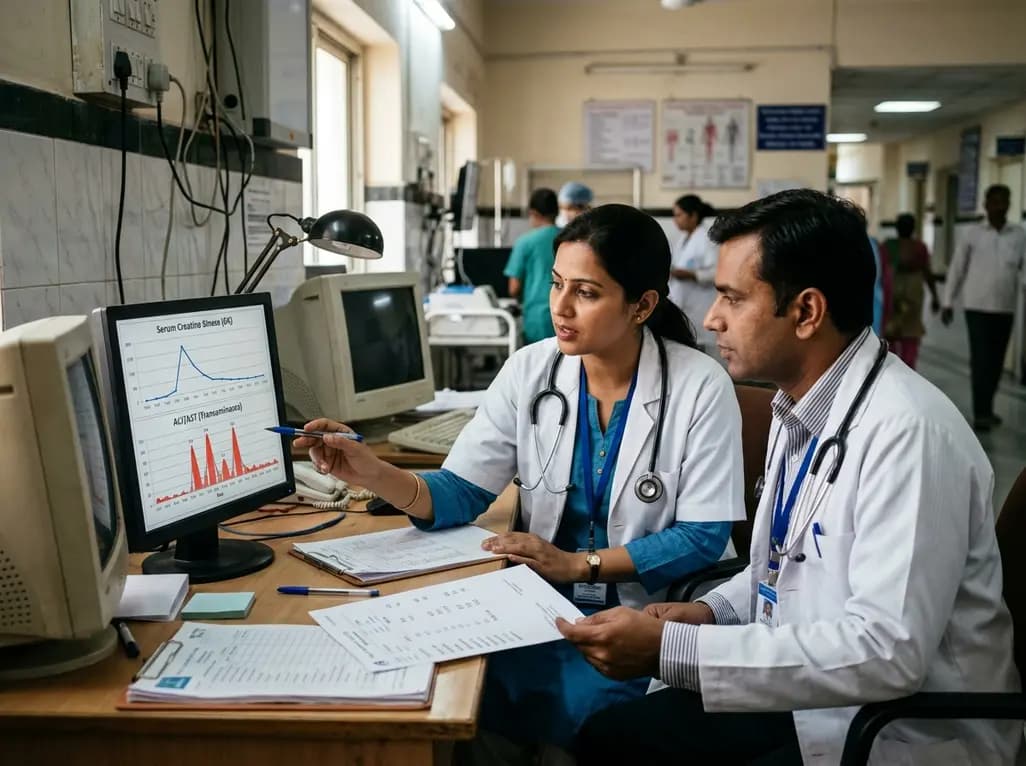
A recent case shows that exertional rhabdomyolysis can trigger marked transaminase spikes despite moderate creatine kinase elevation. Preserved hepatic synthetic function confirms muscle injury rather than liver failure, guiding conservative hydration and preventing unnecessary invasive diagnostics.
Today
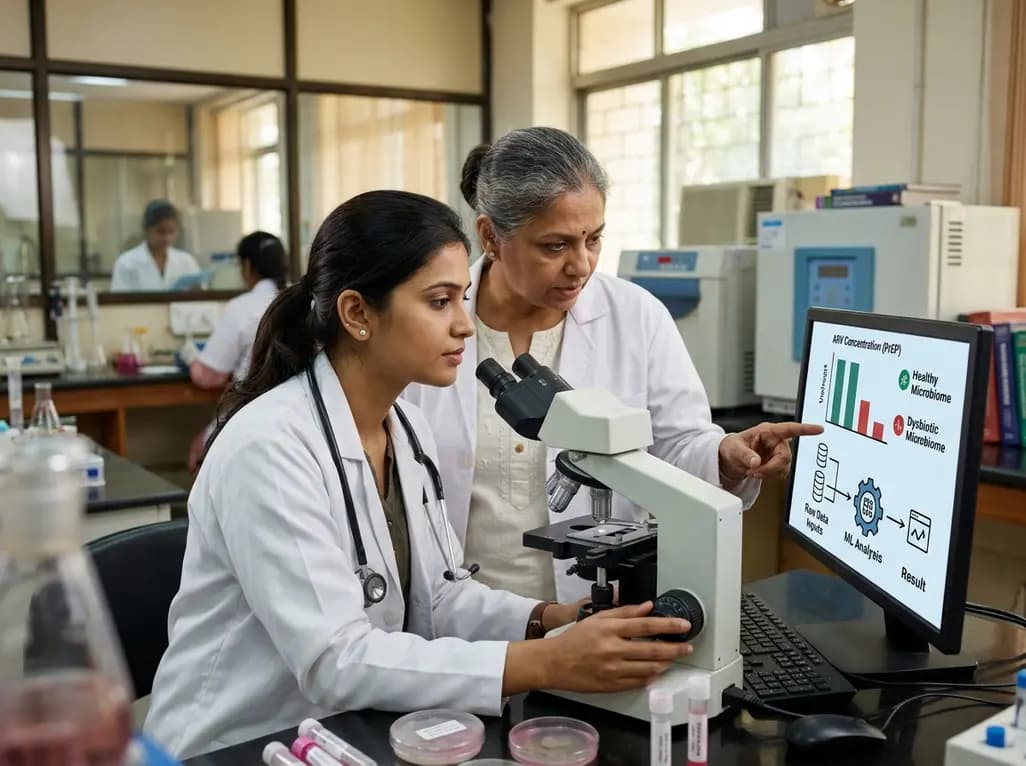
A pharmacometric and machine learning study reveals that specific vaginal bacteria alter cervical antiretroviral exposure, highlighting the need for precision HIV PrEP strategies.
Today
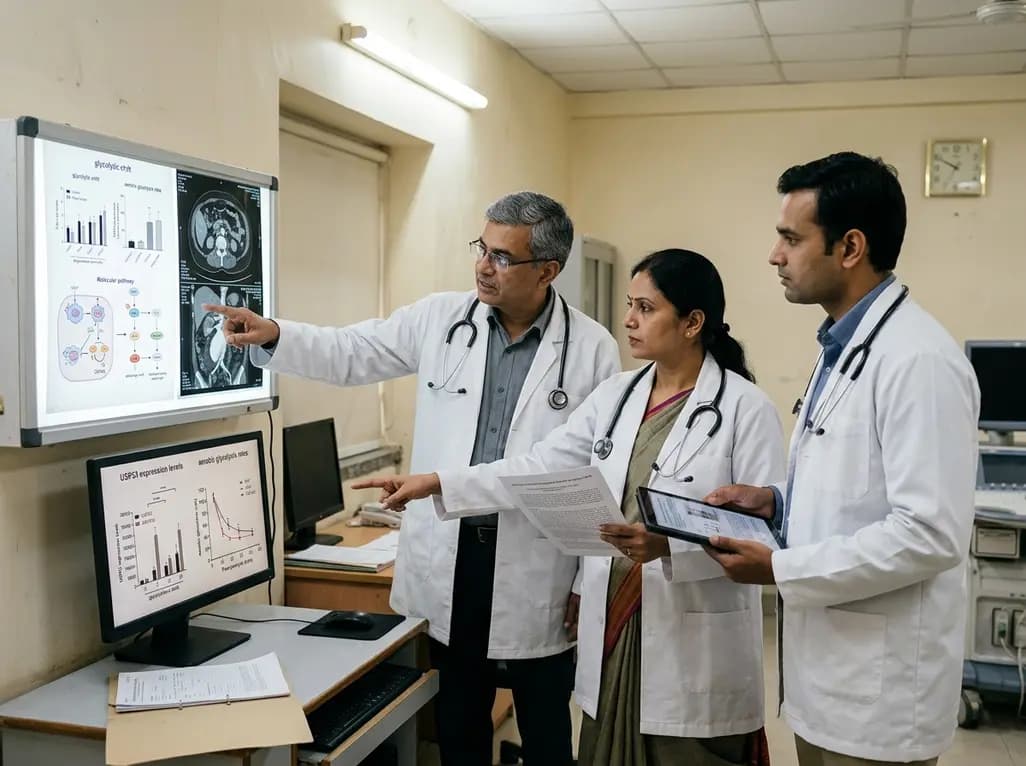
Abdominal aortic aneurysm rupture remains a catastrophic vascular emergency. Groundbreaking research reveals that USP53 accelerates aneurysm progression by reprogramming smooth muscle cell metabolism toward aerobic glycolysis, highlighting a promising target beyond conventional diameter-based surveillance.
Today
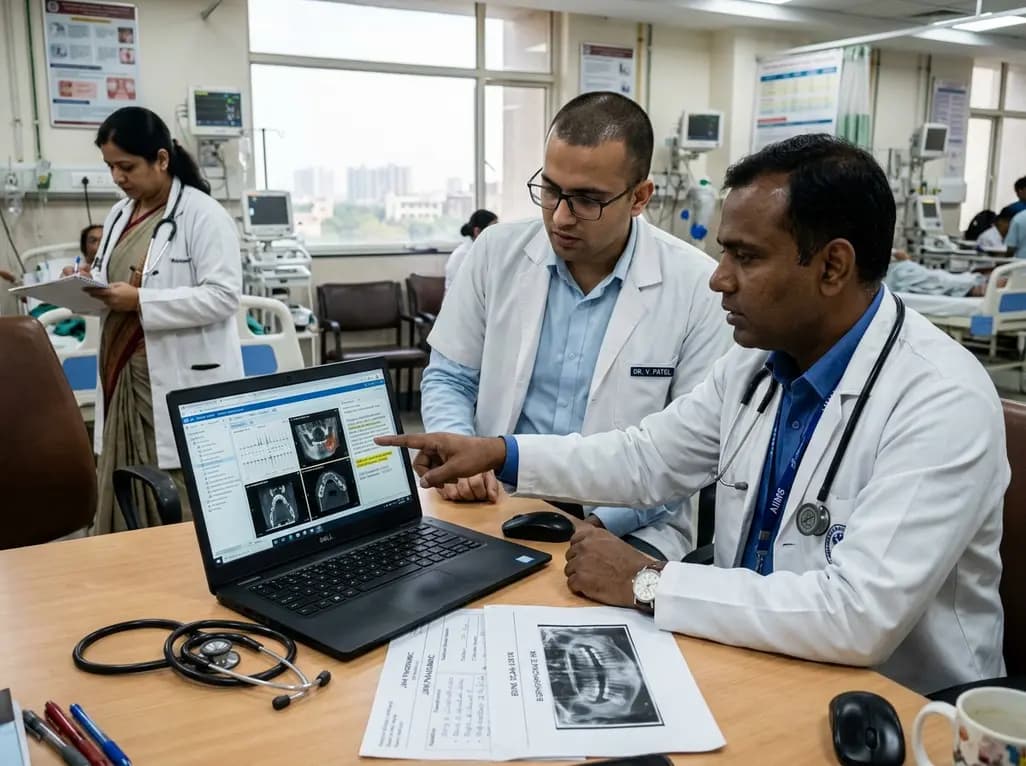
A breakthrough study leverages natural language processing to accurately identify incident medication-related osteonecrosis of the jaw and track antiresorptive drug holidays from clinical narratives in electronic health records, advancing osteoporosis pharmacovigilance and dental safety.
Today
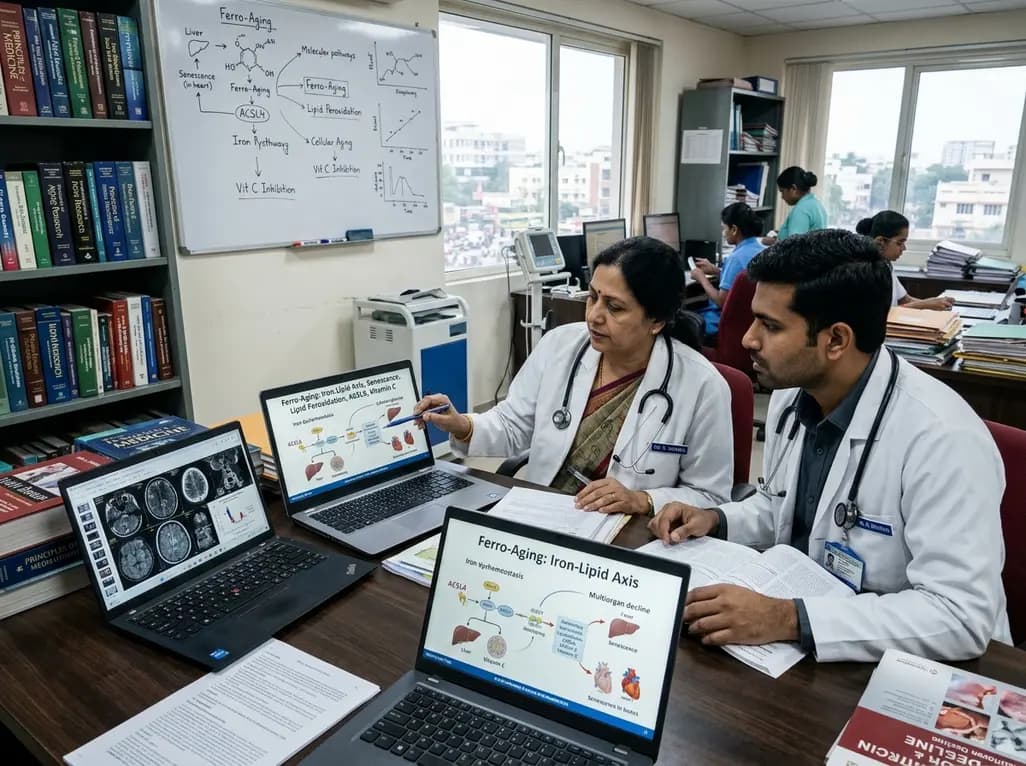
Recent research defines ferro-aging as a conserved iron-lipid axis driving organ decline across primates. Age-related iron dyshomeostasis stimulates ACSL4-mediated lipid peroxidation, promoting cellular senescence. Notably, vitamin C directly inhibits ACSL4, suppressing phospholipid oxidation and multi-organ decay.
Today
