

Loading, please wait...
Loading, please wait...
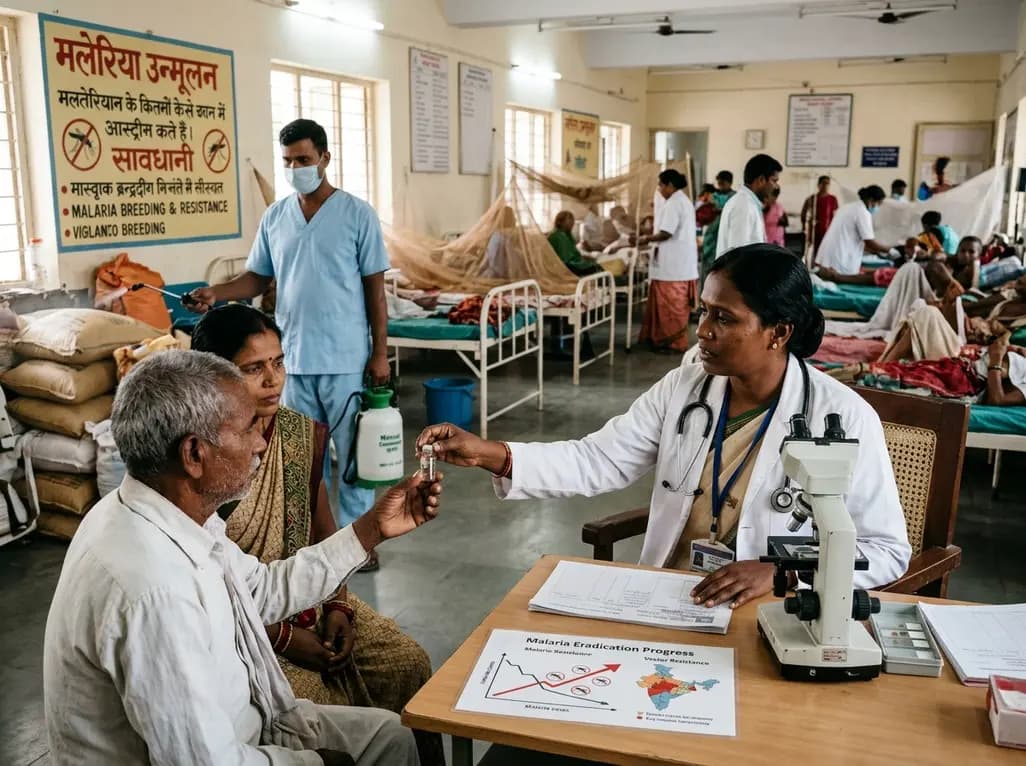
Malaria eradication in India represents one of the nation's most ambitious public health priorities. During the Golden Jubilee celebrations of the ICMR-National Institute of Malaria Research, President Droupadi Murmu commended the decisive progress achieved over recent decades. However, she emphasized that sustaining this trajectory requires urgent vigilance against emerging biological and environmental threats. India has successfully reduced malaria transmission across diverse geographic landscapes. Nevertheless, changing rainfall patterns, unplanned urban migration, and rising vector resilience threaten this fragile equilibrium. Therefore, clinicians and public health administrators must re-examine frontline diagnostic protocols and community vector-suppression programs.
India has achieved historic success in controlling vector-borne transmission over the past decade. Between 2015 and 2025, national malaria incidence and associated fatalities dropped by nearly 80 percent. Furthermore, the number of designated high-burden districts contracted sharply from 155 to just 33 jurisdictions. Over 160 districts reported zero indigenous transmission episodes during recent surveillance cycles. Consequently, the World Health Organization removed India from the High Burden to High Impact category in 2024. This global recognition reflects decades of coordinated intervention by medical professionals, field epidemiologists, and community health networks.
Historically, malaria posed an overwhelming challenge to healthcare infrastructure following national independence. Decades of concerted research led by ICMR-NIMR helped turn the tide through evidence-based interventions. The deployment of rapid diagnostic tests and artemisinin-based combination therapies radically improved patient outcomes. Additionally, mass distributions of long-lasting insecticidal nets helped shield vulnerable rural and tribal demographics. As a result, parasite transmission declined steadily across historically hyper-endemic regions. However, medical professionals cannot afford complacency during this final pre-elimination phase. Frontline providers must ensure that every febrile case undergoes prompt, accurate parasitemia testing. Sustained micro-stratification of local caseloads remains indispensable to prevent resurgence in vulnerable pockets.
Vector resistance to standard chemical agents represents an alarming obstacle for elimination programs. For decades, synthetic pyrethroids and organophosphates formed the backbone of indoor residual spraying campaigns. Similarly, long-lasting insecticidal nets relied almost exclusively on pyrethroid coatings to suppress mosquito populations. However, prolonged vector exposure has triggered extensive phenotypic and metabolic resistance across key anopheline species. Major vectors such as Anopheles culicifacies and Anopheles stephensi exhibit diminishing susceptibility to conventional formulations.
Consequently, chemical control measures achieve lower knockdown and mortality rates in endemic zones. Genetic mutations, including kdr alleles and elevated cytochrome P450 enzyme activity, neutralize common chemical agents. Therefore, public health entomologists advocate for rapid rotational strategies involving newer chemical classes. These novel formulations incorporate chlorfenapyr and piperonyl butoxide to circumvent existing resistance mechanisms. Moreover, clinicians must recognize that failing chemical barriers can trigger unexpected local outbreaks. Healthcare teams must identify residual transmission clusters where conventional bed nets no longer offer complete protection. Active communication between field entomologists and hospital clinicians ensures timely containment of breakthrough infections. Thus, regular therapeutic and vector surveillance must proceed simultaneously across vulnerable districts.
Global climate instability is actively reshaping the epidemiology of vector-borne illnesses throughout the subcontinent. Rising baseline temperatures accelerate sporogonic cycles within female anopheline mosquitoes, shortening extrinsic incubation periods. Consequently, vectors become infectious much faster after ingesting gametocytes from an infected host. Furthermore, altered monsoon trajectories create unexpected microclimates and erratic flooding patterns across arid regions. Previously non-endemic highland zones now provide permissive ecological niches for vector survival and reproduction.
In addition, prolonged warm seasons expand the annual duration of vector transmission windows. Unplanned urban development compounds this meteorological volatility by generating extensive man-made breeding reservoirs. Stagnant rainwater in discarded plastic, construction infrastructure, and unmanaged overhead tanks supports urban vector propagation. Anopheles stephensi, traditionally an urban vector, demonstrates remarkable adaptation to artificial container habitats. Therefore, seasonal transmission patterns no longer follow predictable historical timelines. Clinicians in metropolitan tertiary hospitals frequently observe malaria admissions outside typical post-monsoon surges. Because ecological boundaries are shifting rapidly, physicians must maintain year-round clinical vigilance. Medical teams should suspect parasitic etiology even in non-traditional geographical settings and unexpected seasonal periods.
President Murmu highlighted that dengue poses an equally formidable public health hazard across India. Shifting monsoon dynamics and rising environmental temperatures accelerate the reproductive turnover of Aedes aegypti vectors. As a result, municipal centers experience intense arboviral outbreaks that strain outpatient departments and critical care units. Furthermore, the overlapping spatial distribution of anopheline and culicine vectors fosters frequent dual infections. Patients presenting with acute undifferentiated febrile illness may harbor both Plasmodium and dengue viruses simultaneously.
Consequently, this biological convergence creates diagnostic ambiguity for treating clinicians in busy triage wards. Co-infected individuals often present with overlapping clinical signs, including severe thrombocytopenia, high fever, and marked transaminitis. Therefore, empirical management without definitive diagnostic confirmation carries grave clinical risks. Prescribing hepatotoxic antipyretics or delaying antimalarial therapy can worsen clinical deterioration. ICMR continues to develop advanced multiplex testing platforms to streamline dual differentiation. In parallel, hospital protocols must mandate concurrent screening for arboviruses and plasmodial species during acute presentations. Early biological confirmation helps clinicians initiate targeted intravenous fluid therapy and disease-specific pharmacological management promptly. Hence, multidisciplinary diagnostic vigilance remains paramount during seasonal febrile escalations.
Sustaining the push toward elimination demands proactive clinical leadership paired with rigorous environmental hygiene. Frontline healthcare workers cannot conquer vector transmission through pharmacological intervention alone. As President Murmu underscored, municipal authorities and communities must actively eliminate standing water reservoirs. Source reduction through larviciding, drainage maintenance, and biological controls remains essential to restrict vector reproduction. Meanwhile, medical practitioners must uphold therapeutic guidelines to prevent drug-resistant strains from emerging.
Clinicians must enforce complete therapeutic regimens whenever managing confirmed Plasmodium vivax or falciparum cases. Specifically, treating physicians must prescribe 14-day primaquine therapy for vivax cases to clear hepatic hypnozoites. Incomplete adherence permits radical relapses, sustaining secondary transmission cycles within the surrounding community. Furthermore, physicians should screen for glucose-6-phosphate dehydrogenase deficiency prior to primaquine administration to avert severe hemolytic anemia. Concurrently, medical teams must support nationwide development of domestic prophylactic tools, including indigenous vaccine candidates. ICMR-NIMR continues to pioneer clinical trials for advanced candidate vaccines in dedicated regional centers. By marrying rigorous clinical prescribing with decisive community sanitation, India can protect its historic eradication targets. Ultimately, comprehensive collaboration across scientific, medical, and civic stakeholders will guarantee long-term success.
Q1: What drove India's transition out of the WHO High Burden to High Impact category?
India exited the WHO High Burden to High Impact group following an 80 percent reduction in malaria morbidity and mortality between 2015 and 2025. This accomplishment stemmed from rigorous community-level interventions, extensive distribution of long-lasting insecticidal nets, and widespread deployment of rapid diagnostic tests. Furthermore, robust tracking through decentralized digital surveillance systems and targeted micro-stratification of high-burden districts enabled public health teams to suppress localized transmissions effectively across vulnerable rural populations.
Q2: Why does insecticide resistance present a critical hurdle for vector control programs?
Insecticide resistance severely diminishes the efficacy of standard vector control interventions, such as indoor residual spraying and pyrethroid-treated nets. Prolonged selective pressure has produced genetic and metabolic adaptations in Anopheles mosquitoes, rendering traditional chemical agents ineffective. Consequently, vectors survive chemical contact, allowing sustained parasitic transmission within domestic environments. Overcoming this barrier requires introducing novel dual-active ingredient nets and rotating diverse insecticide classes to dismantle established resistance pathways.
Q3: How do shifting climatic patterns complicate the clinical presentation and management of malaria?
Rising temperatures and irregular monsoons shorten the extrinsic incubation period of parasites while creating expanded urban vector breeding sites. Consequently, clinicians observe malaria cases outside traditional seasonal windows and in previously non-endemic geographic zones. Furthermore, climate-driven increases in co-circulating arboviruses like dengue lead to frequent dual infections. These complex presentations produce severe thrombocytopenia and diagnostic ambiguity, necessitating comprehensive multiplex testing and cautious supportive clinical management.
Disclaimer: This content is for informational and educational purposes only. It does not constitute medical advice or replace professional judgment. Refer to the latest local and national guidelines for clinical practice.
References

Read summarized clinical updates, watch expert medical content, and earn CME certifications right from your smartphone.
Open your smartphone camera to scan and install.





India has achieved a dramatic reduction in malaria incidence and mortality, successfully exiting the WHO High Burden to High Impact group. However, escalating insecticide resistance, urban expansion, and climate shifts pose renewed transmission risks that demand robust clinical vigilance and integrated vector management.
Today
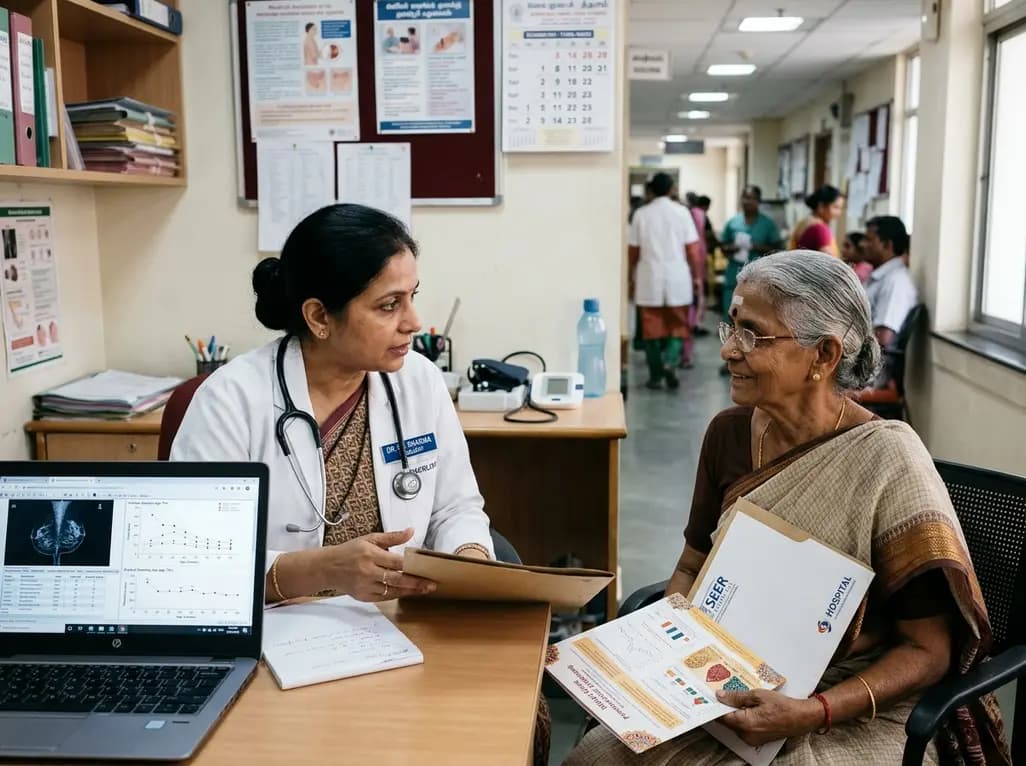
A landmark SEER-Medicare study clarifies the breast cancer screening benefit in women aged 70 and 75. Life-years gained vary significantly based on comorbidity, frailty, and race, highlighting why physicians must personalize screening decisions rather than relying solely on arbitrary chronological age cutoffs.
Today

A new scoping review and expert consensus establish a concise 16-measure performance bundle for hospital cardiology services. Covering clinical processes, outcomes, patient-reported experiences, and structural factors, this framework advances value-based cardiovascular care under universal health coverage.
Today
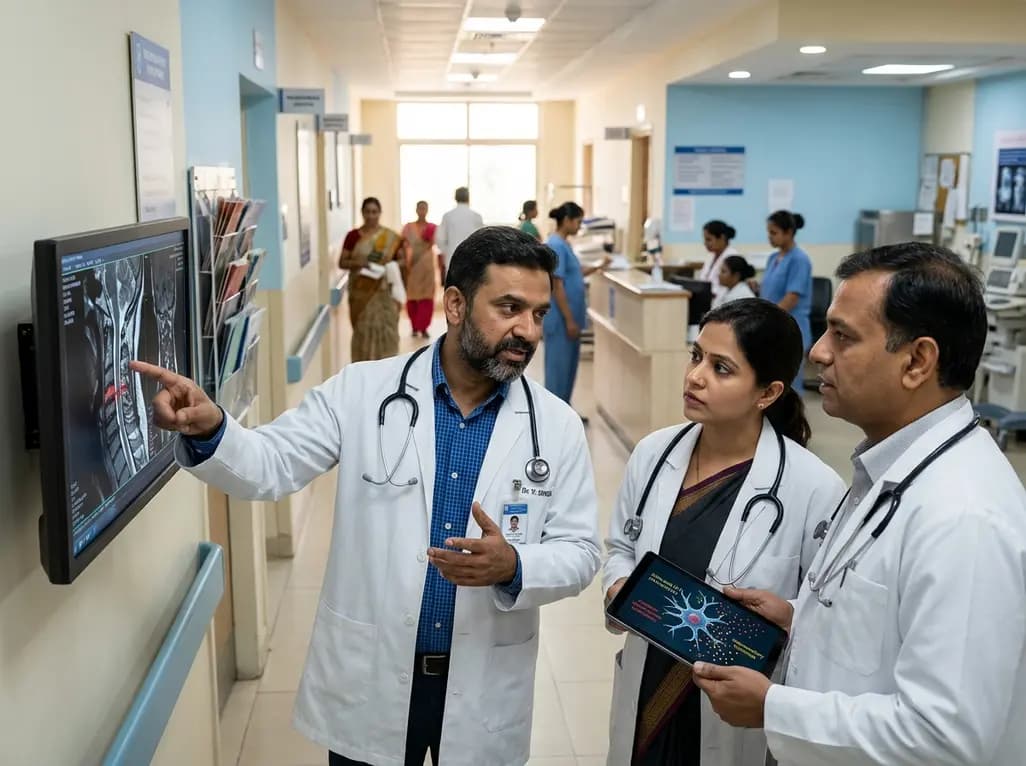
Preclinical findings demonstrate that linalool halts neurotoxic A1 astrocyte polarization in degenerative cervical myelopathy by disrupting the ER stress-TXNIP-NLRP3 inflammasome axis, reducing neuronal apoptosis and improving functional motor recovery.
Today
A secondary analysis of the Living Healthier with Diabetes trial reveals that positive baseline technology attitudes significantly improve engagement with digital diabetes self-management apps, leading to enhanced self-care behaviors and better long-term glycemic control in adults with type 2 diabetes.
Today
