.webp&w=384&q=75)

Loading, please wait...
Loading, please wait...
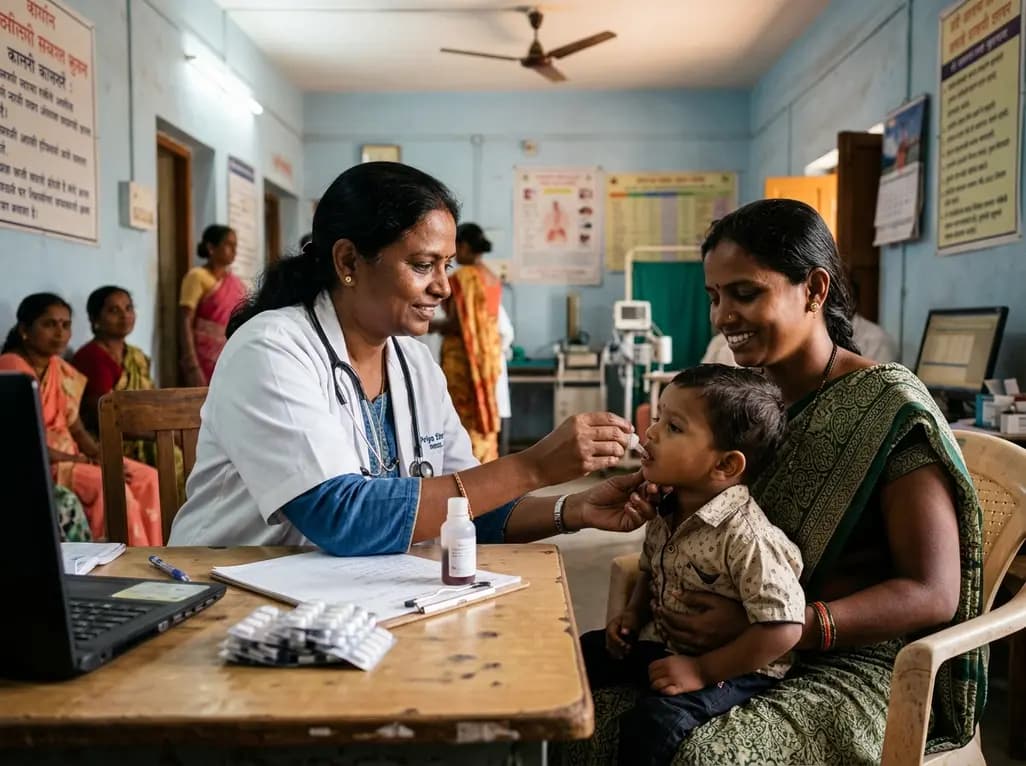
Malaria remains one of the most critical public health challenges worldwide, posing an immense threat to the survival of young pediatric populations. In endemic regions, infants and preschool children carry the heaviest burden of severe disease, anemia, and mortality. Consequently, global health authorities continuously refine multifaceted intervention packages to safeguard vulnerable age groups. Among these strategies, malaria chemoprevention represents a vital cornerstone alongside vector control and prompt case management. Recent evidence syntheses, including extensive scoping reviews of African epidemiological data, highlight the dynamic role of preventive chemotherapy in drastically lowering pediatric infection rates. Clinicians and public health practitioners must recognize how these preventive strategies function across varying transmission settings. Furthermore, understanding the distinct operational modalities of chemoprevention allows medical teams to anticipate implementation hurdles and optimize community delivery. While historical approaches relied heavily on isolated vector control measures, contemporary management combines pharmacotherapy with newer immunizations. Therefore, evaluating the clinical protective efficacy, adherence patterns, and epidemiological nuances of preventive treatments provides invaluable insights for global child health. This review examines key evidence on preventive regimens, detailing their therapeutic scope, operational barriers, and potential synergies with next-generation vaccines.
Malaria chemoprevention encompasses the systematic administration of full therapeutic courses of antimalarial medications to vulnerable individuals, regardless of whether they exhibit symptoms. The primary objective is to clear asymptomatic parasitemia while maintaining protective drug levels throughout peak vulnerability windows. Currently, two major operational strategies dominate pediatric programs: Perennial Malaria Chemoprevention (PMC) and Seasonal Malaria Chemoprevention (SMC). PMC, formerly termed intermittent preventive treatment in infants (IPTi), is primarily deployed in regions characterized by year-round, perennial transmission. Clinicians deliver antimalarial regimens, predominantly sulfadoxine-pyrimethamine, at scheduled routine childhood immunization intervals to ensure consistent physiological protection. In contrast, SMC targets geographic zones with strictly seasonal transmission dynamics, such as the Sahel and sub-Sahel regions. During the high-transmission rainy months, healthcare workers administer monthly treatment cycles—typically combining sulfadoxine-pyrimethamine with amodiaquine—to children aged 3 to 59 months. Both approaches aim to prevent clinical episodes, severe malaria, and subsequent life-threatening complications. Although their delivery platforms differ, both strategies rely heavily on robust community infrastructure and regular outreach. Consequently, choosing between perennial and seasonal regimens requires careful appraisal of local rainfall patterns, vector ecology, and baseline transmission intensity.
Comprehensive clinical reviews demonstrate that both perennial and seasonal preventive regimens confer substantial protection against uncomplicated and severe malaria episodes. Specifically, seasonal malaria chemoprevention demonstrates remarkable protective efficacy, reaching up to 88.2% in rigorously conducted field studies. This profound risk reduction translates directly into fewer emergency hospitalizations, lower transfusion requirements for severe malarial anemia, and decreased all-cause pediatric mortality during peak transmission months. Meanwhile, perennial malaria chemoprevention exhibits a wider protective efficacy range, spanning from 20% to 87.5% across diverse trial cohorts. This variability in perennial efficacy often reflects differences in background transmission intensity, preexisting host immunity, and regional parasite resistance patterns to antifolate medications. Nevertheless, even moderate efficacy provides significant public health returns by preserving hemoglobin levels and preventing recurrent parasitemic insults in early infancy. Furthermore, regular chemopreventive dosing suppresses low-density asymptomatic infections that would otherwise silently impair nutritional status and childhood development. Therefore, maintaining consistent access to chemoprevention remains a high-yield clinical priority across endemic territories. When healthcare providers implement these evidence-based regimens with high fidelity, they substantially reduce the overall burden placed on primary healthcare facilities.
One of the most transformative developments in pediatric infectious disease prevention is the integration of chemoprevention with pre-erythrocytic malaria vaccines. Clinical evidence clearly establishes that combining seasonal malaria chemoprevention with vaccines like RTS,S/AS01E produces synergistic protective benefits that exceed the impact of either intervention alone. Specifically, dual deployment dramatically cuts clinical malaria cases, hospital admissions, and childhood deaths compared to monotherapy approaches. The vaccine primarily induces humoral and cellular immune responses against sporozoites before they invade hepatocytes, while chemoprevention provides blood-stage clearance of any breakthrough merozoites. Consequently, this layered defense strategy provides unprecedented biological coverage during the highest-risk months of the year. In addition, the introduction of newer vaccines, such as R21/Matrix-M, offers further opportunities to expand dual-intervention strategies across resource-constrained settings. Healthcare systems can leverage existing childhood immunization infrastructure to co-administer chemoprevention doses alongside scheduled vaccine visits. Therefore, programmatic alignment between national malaria control programs and expanded immunization initiatives maximizes coverage and cost-effectiveness. As endemic countries advance toward disease elimination, combining chemoprevention with active immunization will remain an essential clinical and public health standard.
Despite compelling efficacy data, real-world effectiveness frequently encounters significant programmatic and behavioral bottlenecks. Scoping reviews indicate that overall dose coverage for both PMC and SMC generally hovers between 50% and 60% in many operational settings. Notably, adherence to the initial, directly observed dose is consistently high, but adherence drops sharply for subsequent unsupervised doses administered at home by caregivers. Caregiver forgetfulness, fear of mild adverse drug reactions, and lack of clear health communication frequently contribute to missed secondary doses. Furthermore, logistical supply chain disruptions and seasonal accessibility challenges in rural areas often impede consistent drug distribution. In addition to behavioral factors, localized transmission dynamics strongly modulate clinical effectiveness. Areas with intense transmission and high baseline asymptomatic parasitemia may require more frequent dosing or tailored regimens to sustain therapeutic blood concentrations. Similarly, rising molecular markers of antimalarial drug resistance pose ongoing threats to long-term regimen durability. To overcome these complex obstacles, health systems must invest in digital tracking tools, community health worker empowerment, and culturally tailored caregiver education. Addressing these operational barriers ensures that theoretical clinical efficacy successfully translates into sustainable community protection.
The lessons derived from extensive African chemoprevention programs hold profound relevance for healthcare practitioners managing pediatric populations in endemic settings globally, including South Asia and India. Although transmission dynamics and dominant Plasmodium species vary across geographies, the fundamental principle of targeted preventive chemotherapy remains universally applicable. Clinicians managing high-risk pediatric cohorts, such as children with severe malnutrition or sickle cell disease, can adapt targeted prophylaxis protocols during peak transmission seasons. Moreover, pediatricians must maintain high vigilance for asymptomatic parasitemia, which frequently evades routine diagnostic screening yet contributes significantly to chronic anemia and cognitive impairment. Health authorities should also emphasize integrated vector management, combining long-lasting insecticidal nets with proactive chemotherapeutic coverage for vulnerable travelers and migrant communities. In addition, tracking antimalarial resistance patterns remains paramount to preserve drug efficacy and guide timely policy updates. Ultimately, successful malaria control demands an agile, multidisciplinary approach that blends clinical acumen with robust community health strategies. By incorporating evidence-based chemopreventive insights into routine clinical guidance, healthcare professionals can make substantial strides toward reducing preventable pediatric morbidity and achieving long-term malaria elimination targets.
Perennial malaria chemoprevention involves administering routine antimalarial doses at scheduled vaccination intervals throughout the year in areas with continuous transmission. In contrast, seasonal malaria chemoprevention provides monthly treatment cycles specifically during the rainy season in areas where transmission is highly concentrated. Both approaches prevent clinical illness, reduce severe complications, and maintain therapeutic antimalarial levels in high-risk pediatric populations.
Combining chemoprevention with malaria vaccines creates a multi-stage defense against Plasmodium parasites. The vaccine stimulates neutralizing antibodies against pre-erythrocytic sporozoites, while chemopreventive antimalarials clear any surviving blood-stage parasites that breach the hepatic barrier. This synergistic mechanism provides superior clinical protection, significantly lowering hospitalization rates, severe anemia, and childhood mortality beyond what single interventions achieve.
Adherence often declines after the first directly observed dose because subsequent doses rely on unsupervised administration by caregivers at home. Common barriers include lack of caregiver understanding, fear of transient side effects like vomiting, bitter medication taste, and poor community outreach. Strengthening caregiver education and utilizing flavored dispersible drug formulations significantly enhance regimen completion and clinical outcomes.
Disclaimer: This content is for informational and educational purposes only. It is not intended to provide medical advice or replace professional healthcare judgment. Consult appropriate clinical protocols, institutional policies, and drug prescribing information before implementing any diagnostic or therapeutic intervention. Refer to the latest local and national guidelines for clinical practice.
References

Read summarized clinical updates, watch expert medical content, and earn CME certifications right from your smartphone.
Open your smartphone camera to scan and install.





Scoping review evaluates perennial and seasonal malaria chemoprevention in under-five children, highlighting protective efficacy up to 88%, vaccine synergy, and adherence challenges across diverse endemic epidemiological settings.
last month

A retrospective clinical analysis reveals that hemodialysis-associated cognitive dysfunction arises from synergistic pathological mechanisms, including severe chronic anemia, worsening renal clearance, abnormal regional brain iron deposition, and an imbalance between neuroinflammatory and neurotrophic factors.
Today

A multiparametric MRI approach combining quantitative T2 shading, apparent diffusion coefficient (ADC) measurements, and morphological signs provides superior diagnostic accuracy over subjective evaluation to differentiate ovarian endometriomas from benign hemorrhagic cysts.
Today

Discover a novel laparoscopic approach for iatrogenic diaphragmatic hernia repair following pedicled omentoplasty. This modified Sugarbaker technique integrates dorsal pedicle lateralization and round ligament reinforcement to secure the diaphragmatic defect while preserving vital omental vascularity.
Today

Evaluating Hill-Sachs lesion size and the distance to dislocation is critical in recurrent shoulder instability. As bone loss concepts shift from binary on-track classifications to continuous risk assessment, clinicians must identify when isolated Bankart repair is insufficient and supplementary procedures are needed.
Today

New research reveals that M1 macrophage-derived exosomes aggravate diabetic nephropathy by transferring WTAP to stabilize S1PR2 mRNA. Silencing WTAP in these vesicles attenuates endothelial injury and renal fibrosis, pointing toward innovative nanomedicine therapies.
Today
