.webp&w=384&q=75)

Loading, please wait...
Loading, please wait...

Macrophage metabolic reprogramming is revolutionizing our understanding of the tumor microenvironment (TME). Tumor-associated macrophages (TAMs) act as central regulators within this complex milieu. However, their specific metabolic states often dictate whether a tumor progresses or regresses. Consequently, clinicians are exploring ways to leverage these metabolic nodes for therapeutic benefit. This approach aims to enhance anti-tumor immunity by transforming immunosuppressive cells into active tumor fighters. Additionally, understanding the plasticity of these cells remains a high priority in current oncological research.
Metabolic pathways such as glycolysis, fatty acid oxidation, and amino acid metabolism govern TAM functional diversity. Specifically, macrophage metabolic reprogramming can shift these cells from a pro-tumor M2-like state to a pro-inflammatory M1-like phenotype. Moreover, this shift directly impacts the recruitment and activation of cytotoxic T lymphocytes. Researchers have identified that modulating glucose levels can prevent the immunosuppressive signaling typically associated with advanced malignancy. Furthermore, targeting lipid metabolism offers another layer of control over the TME's immune response. Notably, amino acid utilization also plays a critical role in maintaining the pathological symbiosis between tumor cells and their surroundings.
Ultimately, the goal is to translate these mechanistic insights into effective clinical therapies. Therapeutic strategies targeting critical metabolic regulatory nodes show immense promise. In contrast to traditional chemotherapy, these metabolic interventions offer a more targeted approach to immune modulation. Therefore, researchers are focusing on identifying reliable biomarkers to predict treatment responses. Finally, integrating these metabolic strategies with existing immune checkpoint inhibitors could unlock new avenues for achieving durable clinical outcomes in diverse cancer types. This shift in perspective underscores the importance of the metabolic landscape in modern immunotherapy.
It enhances immunotherapy by shifting tumor-associated macrophages from an immunosuppressive state to an inflammatory state. This transition promotes T-cell infiltration and improves the body's natural ability to attack tumor cells.
The primary pathways include aerobic glycolysis, fatty acid oxidation, and the metabolism of amino acids like glutamine and arginine. Modulating these nodes changes the bioenergetic profile and function of the macrophages.
Disclaimer: This content is for informational and educational purposes only. It does not constitute medical advice, diagnosis, or treatment. Always seek the advice of a qualified healthcare provider with any questions regarding a medical condition. Refer to the latest local and national guidelines for clinical practice.
References
Liu Z et al. Leveraging Macrophage Metabolic Reprogramming for Enhanced Anti-Tumor Immunity. Adv Sci (Weinh). 2026 Apr 10. doi: 10.1002/advs.202520903. PMID: 41961489.
Cheng H and Zheng Y. Advances in macrophage and T cell metabolic reprogramming and immunotherapy in the tumor microenvironment. PeerJ. 2024;12:e16825. doi: 10.7717/peerj.16825.
Saha P et al. Leveraging macrophage metabolism for anticancer therapy: opportunities and pitfalls. Trends Pharmacol Sci. 2024 Apr;45(4):335-349. doi: 10.1016/j.tips.2024.02.005.

Read summarized clinical updates, watch expert medical content, and earn CME certifications right from your smartphone.
Open your smartphone camera to scan and install.





Review the latest insights on macrophage metabolic reprogramming and its potential to enhance anti-tumor immunity in the tumor microenvironment....
6 months ago

The TREM-AB open-label pilot study evaluated a wearable passive nonlinear vibration absorber for essential tremor. The Nonlinear Energy Sink bracelet reduced clinical Fahn-Tolosa-Marin tremor scores by 32.1% and electrophysiological tremor power by 49.2% with no adverse effects reported.
Today

A study in JAMIA Open shows lightweight open-source reasoning LLMs achieve up to 95% sensitivity and accelerate evidence synthesis screening by nearly twentyfold, presenting a cost-effective, scalable AI solution for biomedical research and systematic reviews.
Today
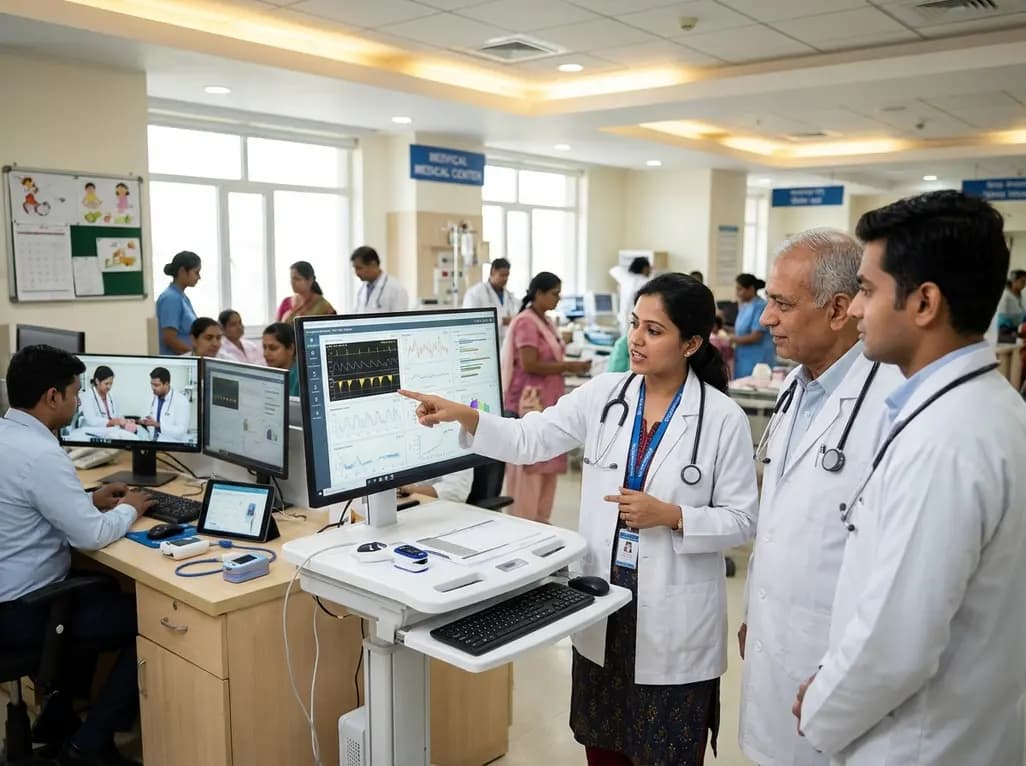
A landmark study details how an enterprise pediatric remote patient management model expanded from a single cardiology pilot to 16 diverse specialty programs by combining centralized digital operations with specialty clinical leadership.
Today

A comparative review of tension band wiring and intramedullary screw fixation in thumb metacarpophalangeal arthrodesis, evaluating union rates, hardware complications, and clinical outcomes.
Today
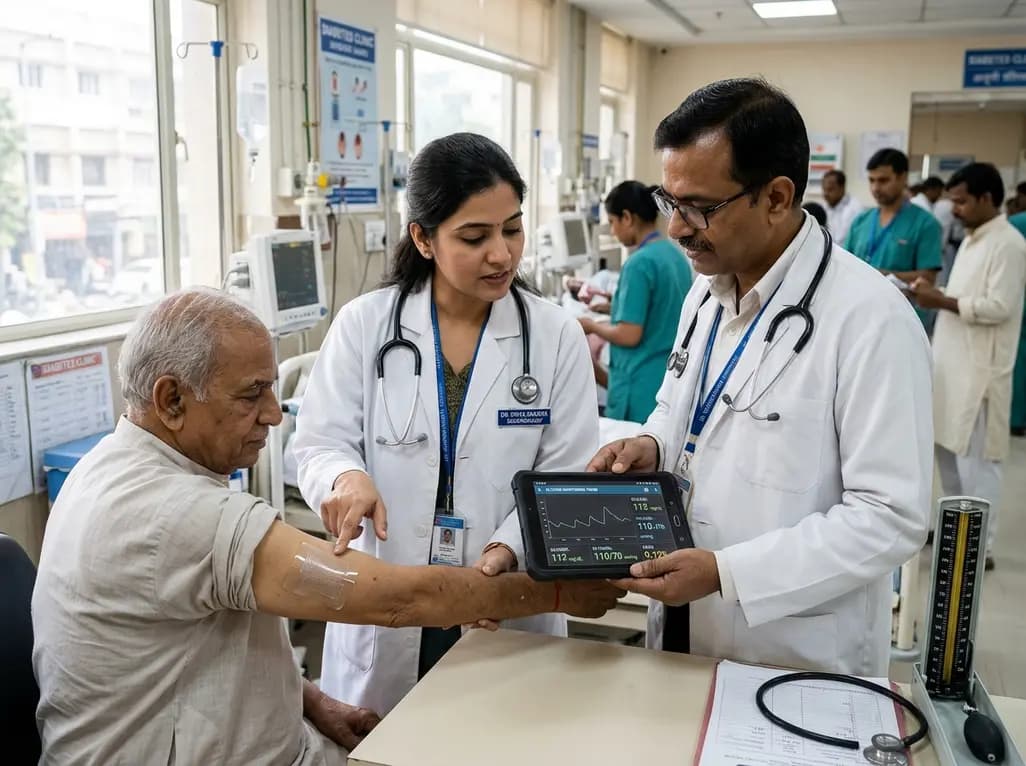
A breakthrough ultrathin multimodal sensor decouples physical hemodynamic monitoring from disposable electrochemical calibration, achieving long-term wearable glucose prediction with 81.36% accuracy and a 9.12% MARD. This offers a robust, drift-free solution for outpatient metabolic surveillance.
Today
