.webp&w=384&q=75)

Loading, please wait...
Loading, please wait...
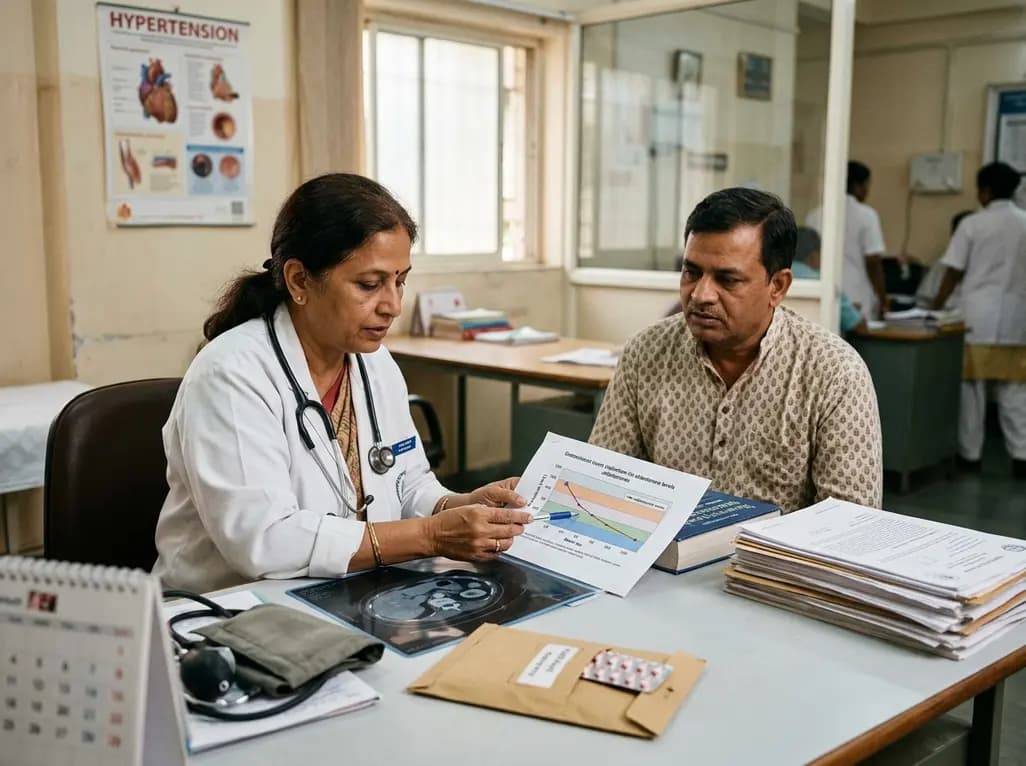
Primary aldosteronism represents the most frequent surgically curable etiology of secondary hypertension worldwide. Somatic gain-of-function mutations within the KCNJ5 gene, which encodes the G-protein-activated inward rectifier potassium channel Kir3.4, occur in a substantial proportion of patients presenting with an aldosterone-producing adenoma. In particular, the recurrent somatic substitutions G151R and L168R disrupt the channel selectivity filter. Consequently, aberrant sodium influx promotes chronic membrane depolarization, excessive intracellular calcium accumulation, and robust transcriptional activation of CYP11B2. This molecular cascade drives autonomous aldosterone biosynthesis and severe arterial hypertension. Therefore, identifying patients harboring a KCNJ5-mutated APA remains critical for guiding targeted adrenalectomy and achieving complete biochemical cure. However, existing diagnostic pathways require technically challenging and invasive lateralization procedures that remain inaccessible in many specialized healthcare settings.
To overcome diagnostic bottlenecks, the landmark MAPA study investigated whether macrolide antibiotics selectively blunt aberrant ion flux in human adrenocortical tissue in vivo. Prior preclinical investigations demonstrated that specific 14-membered macrolides selectively block mutant Kir3.4 channels without altering wild-type channel physiology. Accordingly, investigators designed a prospective within-patient pharmacologic challenge at the Specialized Hypertension Center of the University of Padua. The study enrolled consecutive hypertensive individuals undergoing standardized screening protocols for primary aldosteronism. Each participant received a single oral dose of roxithromycin to evaluate acute within-patient hormonal dynamics. Specifically, the protocol measured changes in plasma aldosterone concentration, plasma active renin, serum cortisol, and automated blood pressure readings across consecutive timepoints. Genotyping of resected adrenal adenomas subsequently established the molecular subtype of each confirmed unilateral lesion.
Among 373 prospectively challenged hypertensive individuals, 18 patients harbored a confirmed KCNJ5-mutated APA, 25 patients possessed wild-type adenomas, and 307 patients had essential hypertension. Administration of roxithromycin induced a statistically significant and rapid reduction in plasma aldosterone concentration exclusively in patients harboring somatic KCNJ5 mutations. In contrast, neither wild-type adenoma patients nor non-primary aldosteronism cohorts exhibited significant macrolide-induced aldosterone suppression. Furthermore, active renin and serum cortisol levels remained stable, confirming the absence of non-specific adrenal suppression or global hypothalamic-pituitary-adrenal axis disruption. Experimental animal models simultaneously demonstrated favorable systemic tolerability, ruling out adverse macrolide-induced hemodynamic perturbations. Thus, the pharmacological challenge selectively blunted autonomous steroidogenesis driven by aberrant channel permeability.
Adrenal venous sampling remains the conventional diagnostic standard for distinguishing unilateral from bilateral primary aldosteronism. Nevertheless, technical failure rates, procedural invasiveness, and high resource utilization severely limit its routine deployment across clinical centers. The findings from the MAPA investigation establish acute roxithromycin challenge testing as a powerful functional marker for somatic mutations. Because KCNJ5-mutated APA cases account for up to seventy percent of unilateral adenomas in selected populations, functional macrolide responsiveness provides actionable diagnostic lateralization. Consequently, a positive suppression response reliably indicates unilateral surgically remediable pathology. Clinicians can potentially bypass complex invasive catheterization in high-probability cohorts, thereby streamlining clinical decision-making and reducing procedural morbidity.
Translating pharmacogenomic concepts into bedside clinical tools represents a major advancement in personalized endocrine hypertension care. Implementing an oral roxithromycin suppression challenge provides a safe, reproducible, and cost-effective approach for functional phenotyping. Moreover, this diagnostic strategy integrates seamlessly into outpatient hypertension evaluations without requiring prolonged hospitalization. Hypertensive individuals demonstrating significant aldosterone suppression can undergo expedited imaging and referral for laparoscopic adrenalectomy. Meanwhile, non-responders can proceed directly to standard confirmation pathways, including adrenal venous sampling or targeted medical therapy with mineralocorticoid receptor antagonists. Therefore, functional testing bridges the gap between molecular genetics and routine clinical diagnostics.
Beyond diagnostic subtyping, selective channel blockade provides compelling therapeutic possibilities for patients unable to undergo surgical resection. Chronic pharmacological inhibition of mutant Kir3.4 channels with non-antibiotic macrolide derivatives could potentially suppress autonomous aldosterone production without selecting for antimicrobial resistance. Furthermore, targeted medicinal chemistry may yield high-affinity small molecules optimized specifically for the mutated selectivity filter. Future multi-center clinical trials must validate optimal diagnostic cut-offs, evaluate broader patient demographics, and characterize long-term outcomes following macrolide-guided interventions. In conclusion, the MAPA trial establishes functional ion channel pharmacology as a practical paradigm for modern precision endocrinology.
Roxithromycin directly binds and inhibits the mutated Kir3.4 potassium channel caused by G151R or L168R substitutions. This selective pharmacological blockade reverses abnormal sodium influx and cell depolarization in adrenocortical cells. Consequently, intracellular calcium levels drop, downregulating CYP11B2 gene transcription and halting autonomous aldosterone synthesis without affecting normal adrenal tissue.
While adrenal venous sampling remains the established reference standard, macrolide challenge testing offers a non-invasive functional alternative for identifying unilateral KCNJ5-mutated tumors. Patients exhibiting marked aldosterone suppression following oral challenge can potentially avoid invasive sampling and proceed directly toward surgical management, although further multi-center validation remains necessary.
Clinical and experimental data confirm that a single oral dose of roxithromycin maintains stable hemodynamic parameters without precipitating acute hypotension or cardiovascular instability. Additionally, the challenge does not alter systemic cortisol or pituitary-adrenal regulation, demonstrating exceptional safety and tolerability in hypertensive cohorts.
Disclaimer: This content is for informational and educational purposes only and does not constitute formal medical advice, diagnosis, or treatment recommendations. Healthcare professionals must evaluate individual clinical scenarios independently and exercise their professional judgment. Refer to the latest local and national guidelines for clinical practice.
References
Rossi GP et al. Macrolide-Induced Aldosterone Suppression as a Functional Marker of KCNJ5-Mutated Aldosterone-Producing Adenoma: A Proof-of-Concept Clinical and Experimental Study (MAPA Study). Eur J Endocrinol. 2026 Aug 28. doi: undefined. PMID: 42663598.
Scholl UI, Abriola L, Zhang C, et al. Macrolides selectively inhibit mutant KCNJ5 potassium channels that cause aldosterone-producing adenoma. J Clin Invest. 2017;127(7):2739-2750.
Funder JW, Carey RM, Mantero F, et al. The Management of Primary Aldosteronism: Case Detection, Diagnosis, and Treatment: An Endocrine Society Clinical Practice Guideline. J Clin Endocrinol Metab. 2016;101(5):1889-1916.
Caroccia B, Prisco S, Seccia TM, Piazza M, Maiolino G, Rossi GP. Macrolides Blunt Aldosterone Biosynthesis: A Proof-of-Concept Study in KCNJ5 Mutated Adenoma Cells Ex Vivo. Hypertension. 2017;70(6):1238-1242.

Read summarized clinical updates, watch expert medical content, and earn CME certifications right from your smartphone.
Open your smartphone camera to scan and install.





The MAPA study demonstrates that a single oral dose of roxithromycin selectively suppresses aldosterone secretion in patients harboring a KCNJ5-mutated APA, establishing a novel non-invasive functional diagnostic pathway for primary aldosteronism subtyping.
4 weeks back

A systematic review of 41 preclinical studies reveals that baicalin dampens systemic inflammation, inhibits NF-κB and NLRP3 pathways, and improves organ preservation in sepsis models. However, substantial study heterogeneity and a complete lack of human clinical trials highlight the need for further translational research.
Today
Discover the crucial distinctions between mesonephric and mesonephric-like proliferations of the female genital tract. Learn the key histomorphologic, immunohistochemical, and molecular differences essential for accurate diagnosis and clinical management.
Today
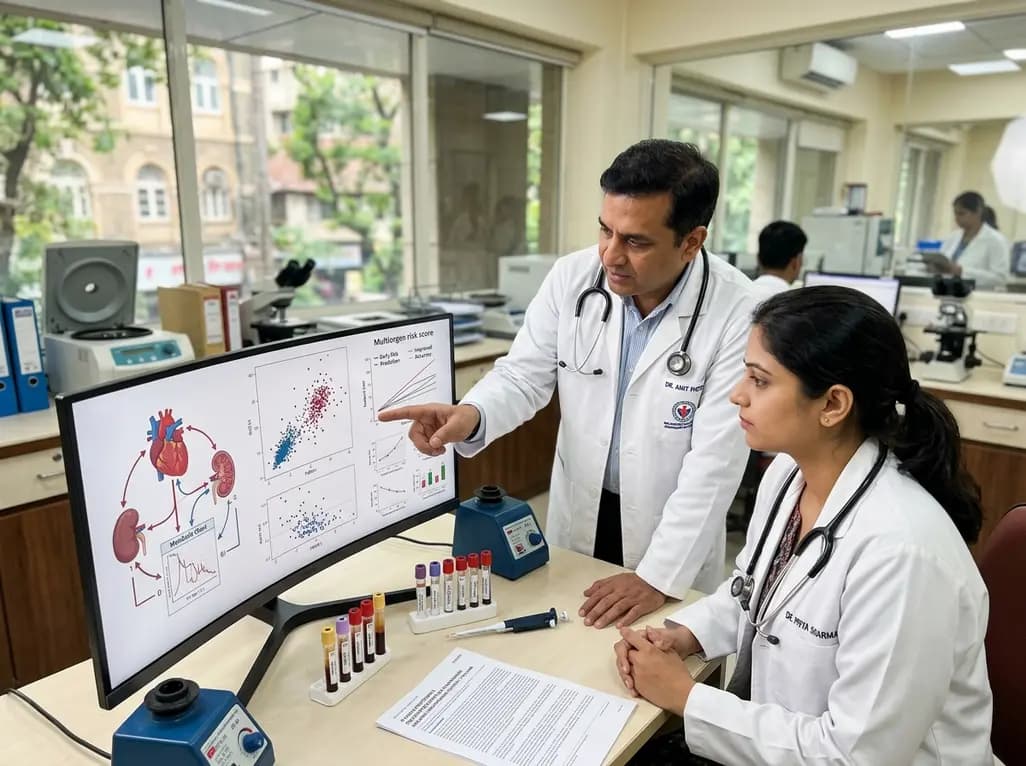
A large UK Biobank study reveals that plasma proteomic signatures capture preclinical organ damage and improve multiorgan risk prediction across early CKM syndrome stages 0 to 2 beyond traditional PREVENT clinical models.
Today
A narrative review investigates whether the articularis genus muscle functions as an independent anatomical entity or blends with the vastus intermedius. We evaluate its morphology, role in retracting the suprapatellar bursa, and direct clinical significance in anterior knee pain and arthroplasty.
Today

A Bayesian multilevel meta-analysis reveals that aerobic training combined with moderate carbohydrate restriction modestly lowers HbA1c in type 2 diabetes. However, sparse data and very low certainty leave incremental benefits over exercise or diet alone unproven, highlighting the need for individualized care.
Today
