.webp&w=384&q=75)

Loading, please wait...
Loading, please wait...

Spinal metastatic disease represents one of the most debilitating presentations in advanced thoracic oncology. In clinical practice, many individuals develop acute spinal cord compression before doctors recognize primary thoracic malignancies. Evaluating treatment-naïve lung cancer spinal metastases requires prompt surgical decision-making and swift molecular diagnostic profiling. Historically, spine surgeons viewed metastatic lung disease as an indicator of imminent mortality, which discouraged aggressive interventions. However, recent advances in spine surgery and targeted systemic therapeutics have transformed this clinical paradigm. Clinicians now recognize that treatment-naïve patients possess distinct prognostic trajectories compared to patients with relapsed or progressing disease.
A significant subset of thoracic malignancies first becomes apparent through acute skeletal compromise. In nationwide surgical registries, approximately three-quarters of surgical candidates present with spinal symptoms as their initial disease manifestation. These patients differ fundamentally from individuals who develop bone metastases while receiving oncologic therapies for known advanced disease. Treatment-naïve patients usually have unexposed, treatment-sensitive tumors that respond vigorously to initial systemic therapies. Consequently, their median postoperative survival reaches approximately six months, whereas patients with progressing, previously treated disease survive a median of only three months.
Clinicians frequently encounter these presentations during emergency consultations for intractable back pain or progressive paraparesis. Because the primary malignancy remains occult, surgeons often obtain initial tissue specimens during the spinal intervention itself. Histopathological examination and molecular testing on decompressed vertebral or epidural tissue establish the definitive diagnosis. Therefore, the operating team must collect adequate, well-preserved tumor tissue for comprehensive genomic testing. By identifying the primary thoracic origin early, the oncology team can promptly initiate appropriate systemic therapy after surgical wound stabilization.
Spine surgery serves as a mechanical stabilizer and functional lifeline in acute spinal cord compression. When vertebral collapse compromises structural integrity or tumor expansion compresses neural structures, surgical decompression restores mechanical stability and neurological integrity. Surgeons employ modern instrumentation, including pedicle screw constructs and circumferential decompression, to achieve immediate stability and pain relief. In addition, direct decompression removes mechanical pressure from the spinal cord, which halts ischemic injury and preserves neurological pathways.
However, surgeons must exercise thoughtful patient selection to prevent futile interventions. The surgical team evaluates the Spinal Instability Neoplastic Score alongside epidural compression scales before determining the surgical strategy. Patients facing severe spinal instability or impending neurological collapse gain immediate functional advantages from stabilization. Moreover, surgical stabilization enables early postoperative mobilization, which prevents debilitating bed-rest complications such as venous thromboembolism, atelectasis, and pressure ulcers. Consequently, urgent surgical decompression bridges the critical gap between neurological emergency and the initiation of definitive systemic medical therapies.
Molecular pathology has revolutionized the clinical trajectory of advanced non-small cell lung cancer. In surgical cohorts presenting with spinal metastasis, biomarker status serves as one of the strongest independent predictors of post-surgical survival. Patients harboring actionable predictive biomarkers, such as EGFR mutations or ALK rearrangements, experience median survival extending to eight months or longer, compared to only five months for patients without identifiable molecular alterations.
Targeted tyrosine kinase inhibitors deliver rapid intracranial and systemic disease control with minimal systemic toxicity. Unlike traditional cytotoxic chemotherapy, modern targeted agents cross the blood-brain barrier effectively and produce robust radiographic responses in osseous lesions. Furthermore, patients with high programmed death-ligand 1 expression can benefit substantially from immune checkpoint inhibitor regimens. Therefore, multidisciplinary teams must prioritize rapid molecular profiling from surgical biopsy specimens. Because actionable mutations unlock durable therapy options, oncologists can sustain long-term disease suppression once surgical stabilization eliminates immediate spinal cord hazards.
Preoperative neurological status strongly influences post-surgical recovery and overall survival duration. Patients who retain ambulatory capacity prior to spinal surgery exhibit a median survival of eight months, whereas non-ambulatory patients survive for a median of only three months. This stark difference underscores the vital importance of early detection and rapid surgical decompression before irreversible paraplegia occurs.
Similarly, general physical performance status profoundly dictates clinical trajectory. Patients with favorable World Health Organization performance scores consistently achieve superior survival compared to severely debilitated individuals. Preserved functional capacity reflects physiological reserve, which enables patients to withstand the metabolic stresses of spinal surgery. Furthermore, mobile patients resume activities of daily living much sooner, avoiding hospital-acquired infections and prolonged physical deconditioning. When clinicians identify mechanical back pain and neurological deficits early, they can intervene surgically before motor function degrades. Preserving walking function thus protects quality of life and expands the window for effective oncologic therapies.
Managing advanced lung cancer presenting with skeletal dissemination demands seamless collaboration across multiple clinical specialties. Spine surgeons, medical oncologists, radiation oncologists, and thoracic radiologists must evaluate each case within coordinated tumor boards. The decision framework must integrate mechanical stability, neurological status, histological subtype, and targeted therapeutic options. For example, patients with radiosensitive histology or stable spinal alignment may achieve disease control through stereotactic body radiation therapy without extensive open surgery.
Conversely, individuals with overt spinal instability or progressive neurological deficits require immediate surgical decompression and stabilization. Following surgical recovery, modern adjuvant therapies, including targeted inhibitors and consolidative stereotactic radiation, eradicate microscopic residual local disease while managing distant tumor burden. In addition, palliative care teams play a crucial role in symptom control, psychosocial support, and goal-of-care alignment. Ultimately, this comprehensive multidisciplinary strategy shifts the clinical goal from pure salvage intervention toward proactive, personalized functional preservation and prolonged survival.
Treatment-naïve presentation occurs when patients develop symptomatic spinal metastases before clinicians establish an underlying lung cancer diagnosis. These individuals lack prior exposure to systemic chemotherapy, immunotherapy, or targeted therapy. Consequently, their tumors retain complete pharmacological responsiveness, which often allows oncologists to achieve rapid systemic control once molecular characterization confirms actionable genomic alterations.
Predictive biomarkers identify oncogenic driver mutations such as EGFR mutations or ALK rearrangements. When spinal decompression stabilizes neurological function, targeted tyrosine kinase inhibitors provide effective, durable systemic disease control. Consequently, patients with identifiable biomarkers achieve significantly longer post-surgical survival compared to those lacking targetable driver alterations or actionable molecular pathways.
Preoperative ambulatory function directly correlates with functional recovery and post-surgical survival. Patients who maintain or regain walking ability experience lower rates of recumbent complications, including deep venous thrombosis and pulmonary infections. Furthermore, preserved mobility enables patients to tolerate immediate post-surgical systemic cancer therapies, which substantially prolongs life expectancy and preserves dignity.
Disclaimer: This content is for informational and educational purposes only and should not be taken as medical advice. Always consult a qualified healthcare provider for diagnosis and treatment decisions. Refer to the latest local and national guidelines for clinical practice.
References

Read summarized clinical updates, watch expert medical content, and earn CME certifications right from your smartphone.
Open your smartphone camera to scan and install.





A nationwide Swedish study examines survival outcomes in patients presenting with lung cancer spinal metastases as their initial disease sign. Discover how molecular profiling, preserved walking function, and urgent surgical intervention reshape overall survival and patient selection in treatment-naïve cohorts.
Today

Survival analyses often report hazard ratios, but mathematical non-collapsibility creates crucial differences between conditional and marginal estimates. Clinicians must account for unmeasured confounding and model selection when interpreting trial endpoints and real-world cardiovascular outcomes.
Today

A cross-sectional study of 700 college students highlights significant contraceptive knowledge disparities between sexually active and inactive young adults. The findings demonstrate a critical need for proactive, comprehensive sexual health counseling before sexual debut.
Yesterday
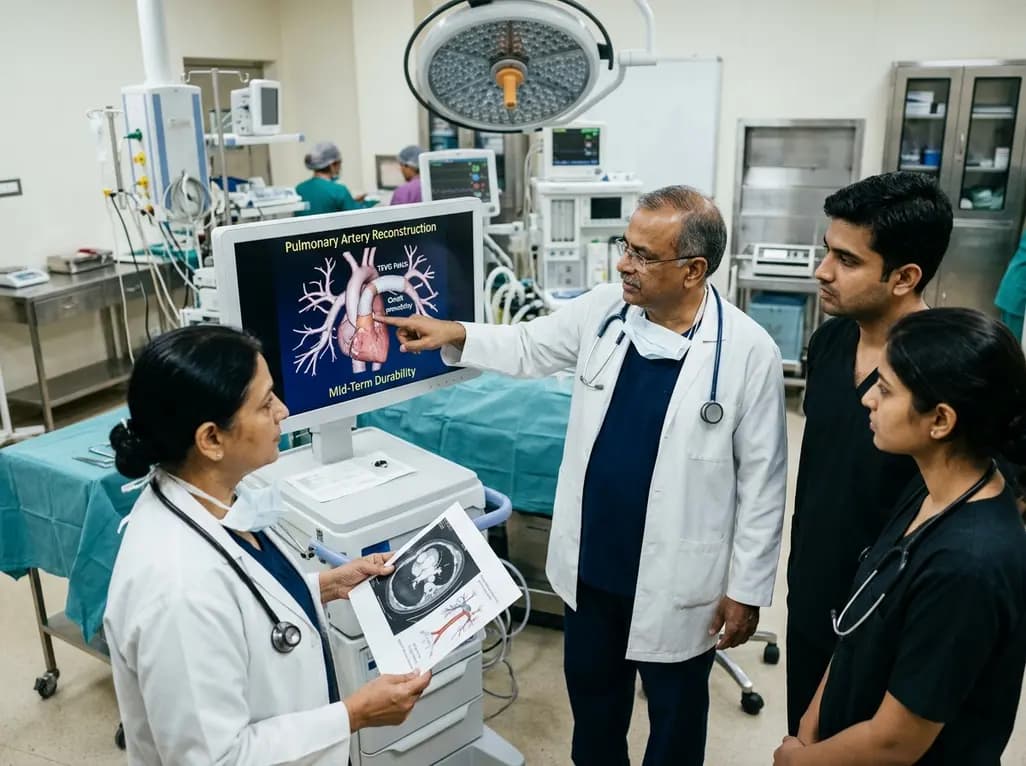
Autologous tissue-engineered vascular graft patches created via in-body tissue architecture show excellent mid-term durability and safety for pulmonary artery reconstruction in congenital heart surgery, particularly for peripheral branch augmentation.
Today

A novel cluster analysis of real-world datasets reveals four distinct CPPD disease phenotypes, validating existing EULAR categories while uncovering previously unrecognized monoarticular and axial presentations to refine patient management.
Today

Recent pharmacokinetic research demonstrates that trace dermal exposure to microgram quantities of trenbolone and metenolone produces detectable urinary metabolites for days to over a week, providing critical objective data for evaluating unintentional contamination claims in sports drug testing.
Today
