.webp&w=384&q=75)

Loading, please wait...
Loading, please wait...

Precision medicine in thoracic oncology depends heavily on comprehensive genomic profiling. However, tissue biopsies often present procedural risks or provide inadequate tumor cellularity. Consequently, liquid biopsy has transformed molecular diagnostics. While peripheral blood remains the conventional matrix, clinicians increasingly analyze proximal body fluids. Specifically, pleural effusion and bronchoalveolar lavage fluid offer rich reservoirs of tumor-derived genetic material. Recent multidisciplinary consensus guidelines now establish standardized protocols for lung cancer ctDNA testing using these proximal thoracic biofluids.
Advanced non-small cell lung cancer frequently presents with malignant pleural effusion. Similarly, central tumors shed cellular components directly into the airway lining. Because these fluid matrices exist in immediate anatomic proximity to primary thoracic tumors, they consistently harbor elevated concentrations of cell-free tumor DNA. Consequently, evaluating these fluids often delivers higher analytical sensitivity than matched peripheral blood draws. Peripheral blood frequently contains diluted circulating fragments, which might lead to false-negative results during early recurrence. In contrast, local fluid compartments capture high-yield mutant allele fractions. Researchers evaluated twenty-seven qualitative studies to synthesize clinical evidence for these alternative matrices. Most investigations focused on pleural effusion, whereas bronchoalveolar lavage fluid demonstrated promising but more nascent utility. Nevertheless, both fluid types bypass the need for repeat invasive tissue re-biopsies in fragile patients. Therefore, oncologists can leverage these local biospecimens to detect targetable driver alterations, such as EGFR mutations or ALK rearrangements. Ultimately, standardizing these tests ensures equitable access to precision targeted therapies across diverse healthcare settings.
Pre-analytical handling substantially dictates the accuracy of downstream molecular assays. First, clinicians must minimize cellular lysis, because background genomic DNA from non-malignant leukocytes easily dilutes tumor-specific signals. Therefore, laboratories should centrifuge pleural effusion and lavage specimens promptly after collection. Specifically, a two-step centrifugation protocol reliably separates supernatant fluid from cellular pellets. Technicians should aspirate supernatant carefully and store it at minus eighty degrees Celsius if immediate analysis is unavailable. In addition, collecting specimens in specialized cell-free DNA preservation tubes protects nucleic acid integrity during inter-facility transit. The new consensus guidelines outline four specific recommendations regarding pre-analytical procedures. For instance, protocols emphasize standardized collection volumes, rapid temperature-controlled transport, and validated extraction kits tailored for body fluid supernatants. Moreover, processing both the fluid supernatant and the cell block increases overall diagnostic yield. Because fluid quality varies widely across patients, clinical teams must document gross appearance, such as excessive hemolyzed or purulent fluid, which could potentially inhibit polymerase chain reaction amplification.
Rigorous analytical validation ensures that clinical laboratories deliver reproducible and dependable genomic data. Fluid matrices present unique biochemical matrix effects compared to standard plasma or formalin-fixed tissue. Therefore, the guidelines formulate four distinct recommendations addressing assay validation, platform calibration, and quality assurance. Laboratories must validate next-generation sequencing panels and digital droplet PCR platforms specifically for pleural fluid and bronchial washings. Furthermore, quality management systems should track limit of detection, analytical sensitivity, and run-to-run precision across varied fluid volumes. Pathologists must also establish rigorous internal controls and participate in external quality assessment programs dedicated to liquid biopsy. In addition, quality management protocols must account for low-level cross-contamination between specimens. Because targetable oncogenic variants often occur at low mutant allele frequencies, laboratories require robust bioinformatics pipelines to filter background sequencing artifacts. Consequently, standardized validation protocols enable clinical teams to distinguish genuine somatic variants from clonal hematopoiesis of indeterminate potential. Ultimately, these measures guarantee that laboratory findings reflect accurate biological changes within the thoracic tumor microenvironment.
Clinical application demands clear, actionable, and nuanced molecular pathology reports. The expert consensus details seven recommendations regarding variant interpretation, clinical reporting, and therapeutic guidance. Crucially, molecular reports must summarize actionable alterations alongside clear tier classifications according to international oncology frameworks. When pathologists identify a validated sensitizing alteration, oncologists can confidently initiate targeted tyrosine kinase inhibitor therapy without requiring an invasive tissue confirmation. However, the guidelines firmly emphasize that a negative ctDNA result does not exclude the presence of driver mutations. Dilution effects or localized non-shedding lesions occasionally cause false-negative results. Therefore, reflex tissue biopsy remains essential whenever fluid tests yield uninformative findings. Furthermore, clinicians should utilize fluid liquid biopsy to monitor therapeutic resistance during targeted treatment courses. For instance, detecting emergent resistance mutations enables timely treatment switching before gross radiological progression occurs. Reports must clearly distinguish true somatic tumor drivers from germline variants or non-neoplastic clonal mutations, ensuring safe clinical decision-making.
Despite strong scientific evidence, widespread adoption of thoracic fluid genotyping faces notable real-world challenges. A nationwide clinical survey revealed that only twenty-one percent of participating centers have implemented these assays into routine care. Clinicians frequently encounter significant hurdles, including a lack of unified hospital protocols, high technical complexity, and stringent reimbursement limitations. Furthermore, many community facilities lack specialized bioinformatics infrastructure or trained laboratory personnel. To overcome these logistical hurdles, multidisciplinary tumor boards must establish streamlined institutional workflows connecting interventional pulmonologists, clinical pathologists, and medical oncologists. Standard operating procedures must clarify specimen routing from the endoscopy suite directly to the molecular diagnostic laboratory. Moreover, health authorities and insurance programs need to recognize proximal fluid ctDNA assays within local oncology diagnostic pathways. As clinical guidelines harmonize processing techniques and regulatory approvals expand, fluid liquid biopsy will become increasingly accessible. Consequently, standardizing practice will eliminate diagnostic delays, reduce unnecessary repeated invasive procedures, and optimize therapeutic outcomes for patients battling advanced lung carcinoma worldwide.
Pleural effusion collects directly adjacent to thoracic malignancies, providing significantly higher concentrations of tumor-derived cell-free DNA than peripheral blood. Consequently, pleural fluid demonstrates superior analytical sensitivity for detecting actionable driver mutations, including EGFR alterations. In addition, sampling pleural effusion during therapeutic drainage avoids extra needle sticks, delivering substantial genomic material even when plasma liquid biopsies yield indeterminate or false-negative diagnostic findings.
Laboratories should centrifuge bronchoalveolar lavage fluid promptly following collection to separate the cell-free supernatant from cellular debris. Because background white blood cells can lyse and dilute tumor signals, rapid temperature-controlled handling is essential. Technicians must utilize validated extraction kits suited for dilute liquid matrices. Furthermore, testing both fluid supernatant and cellular pellets maximizes the detection rate of clinically actionable oncogenic mutations.
Yes, clinicians can confidently initiate targeted therapies when validated assays identify actionable driver mutations in thoracic fluids. Positive findings strongly correlate with treatment responses in advanced non-small cell lung cancer. However, because negative results cannot rule out malignancy, clinicians must pursue reflex tissue biopsy or repeat comprehensive testing whenever fluid liquid biopsies fail to reveal actionable genomic alterations.
Disclaimer: This content is for informational and educational purposes only and should not be considered medical advice. Always consult a qualified healthcare provider for diagnosis and treatment decisions. Refer to the latest local and national guidelines for clinical practice.
References

Read summarized clinical updates, watch expert medical content, and earn CME certifications right from your smartphone.
Open your smartphone camera to scan and install.





New clinical practice guidelines establish evidence-based recommendations for pleural effusion and bronchoalveolar lavage fluid ctDNA testing in advanced lung cancer. The consensus covers pre-analytical workflows, analytical validation, and clinical interpretation to guide precision oncologic therapy.
Today
A breakthrough study identifies thioredoxin-interacting protein (TXNIP) as a key upstream driver of tubular ferroptosis in hyperuricemic nephropathy. Pharmacological suppression by verapamil halts renal injury independently of serum urate levels, presenting a novel therapeutic paradigm for chronic kidney disease.
Today
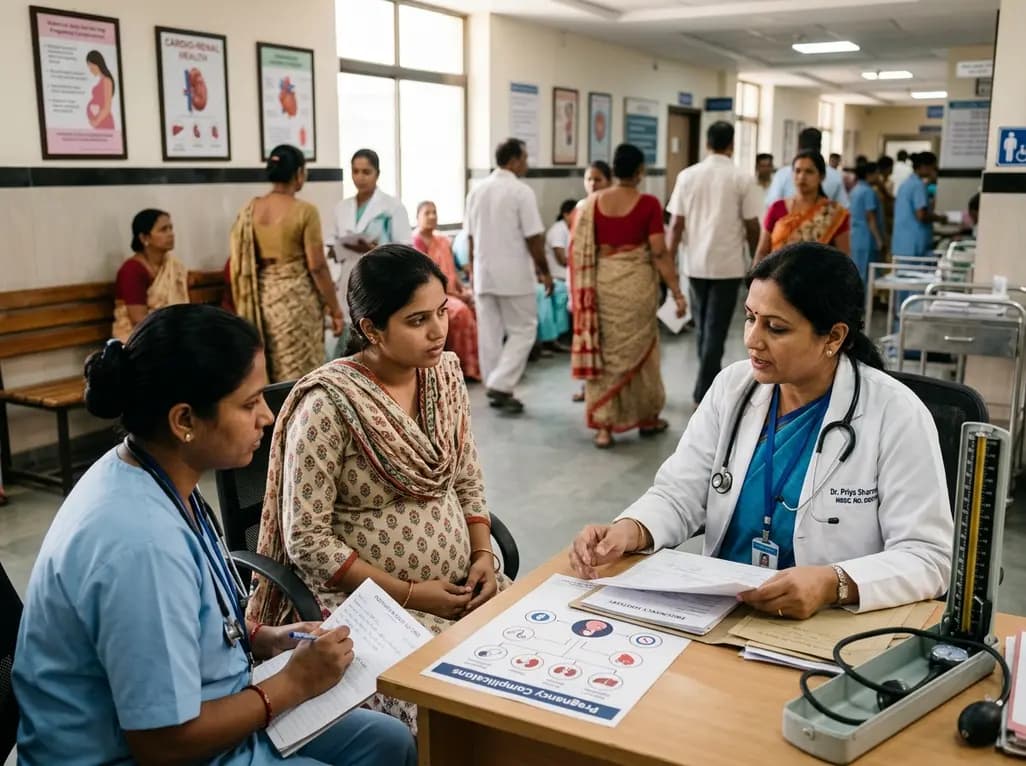
A large UK cohort study of 1.4 million women shows that pregnancy complications, including gestational diabetes, hypertension, and preterm birth, substantially raise long-term risks for hypertension, chronic kidney disease, type 2 diabetes, and cardiovascular events, highlighting early postpartum intervention needs.
Today
A cross-sectional study reveals that hypertension knowledge, illness perceptions, depression, and substance use significantly predict self-care behaviors. Addressing mental health and cognitive beliefs in primary care is crucial for optimal blood pressure control and cardiovascular disease prevention.
Today
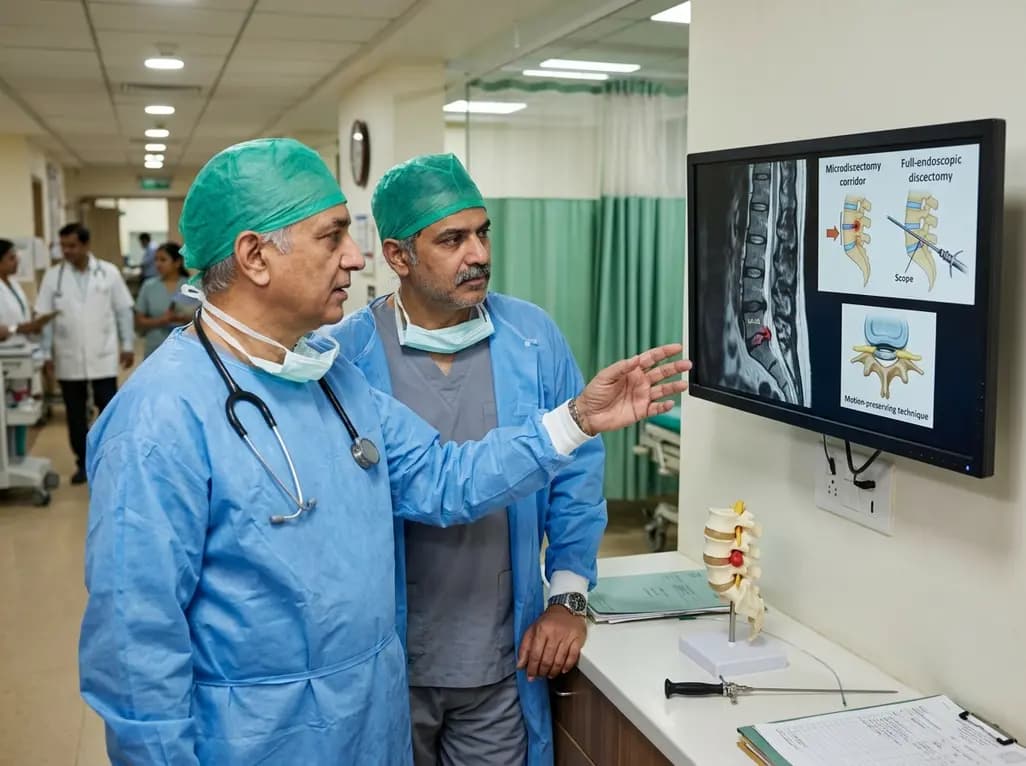
This clinical overview examines recent advancements in lumbar disc herniation surgery, comparing microscopic and full-endoscopic discectomy while highlighting biportal techniques and emerging motion-preserving innovations for spine specialists.
Today

Small interfering RNA (siRNA) therapeutics harness RNA interference to degrade disease-causing messenger RNA. By delivering hepatocyte-targeted, durable gene silencing, agents targeting PCSK9, LPA, and angiotensinogen offer potent cardiovascular risk reduction with infrequent, biannual dosing schedules.
Today
