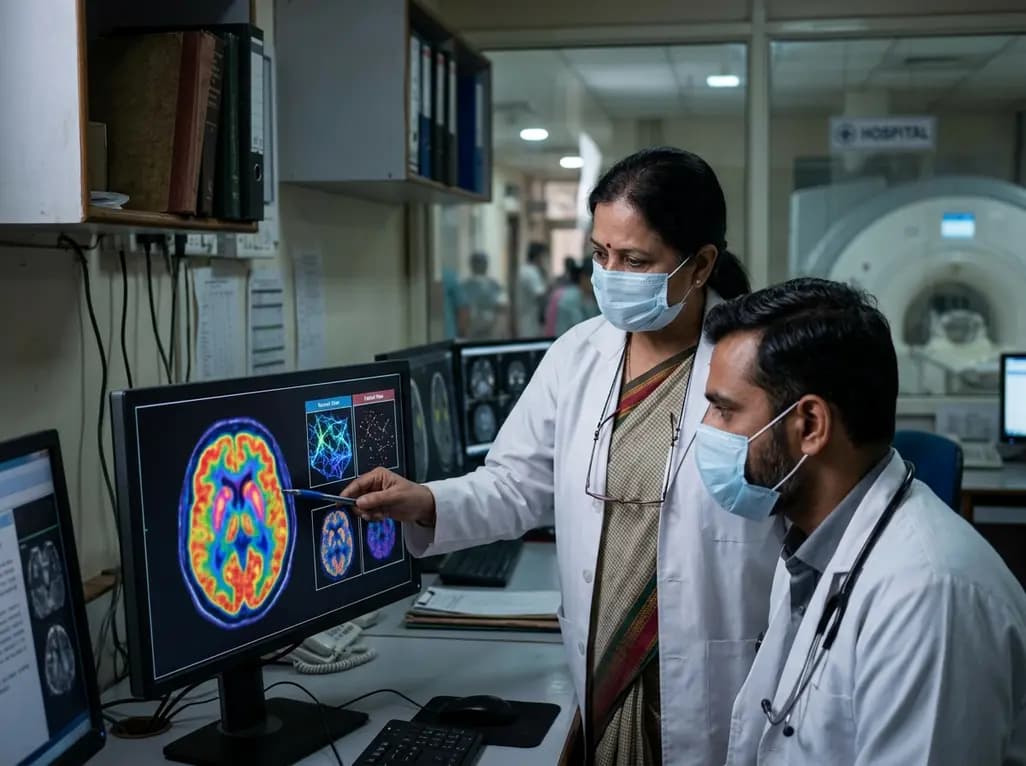
Recent clinical research has illuminated the physiological basis of persistent neuropsychiatric symptoms following coronavirus infection. Specifically, investigators have discovered a compelling association between long COVID dopamine system disruption and objective neuronal injury. Many patients experience debilitating cognitive fog and profound fatigue months after their acute illness resolves. For a long time, these subjective complaints lacked clear pathological validation. However, a groundbreaking study in eBioMedicine reveals that these symptoms correlate directly with physical damage to dopamine-producing pathways. Consequently, this medical breakthrough marks a significant shift in how clinicians understand and treat the persistent neurological sequelae of the virus.
The Structural Impact on the Striatum
To investigate this phenomenon, researchers from the Centre for Addiction and Mental Health in Canada conducted a rigorous neuroimaging study. They utilized advanced positron emission tomography, commonly known as PET imaging, to examine the brains of affected individuals. Specifically, the team compared twenty-four patients suffering from long-term post-viral symptoms with forty-three healthy controls. Through these scans, they evaluated a reliable marker of dopamine neuron integrity, specifically assessing vesicular monoamine transporter 2 density.
The results demonstrated a striking reduction in this critical imaging marker across the striatum of long COVID patients. Consequently, this reduction indicates a significant loss of dopamine nerve terminal density. The striatum serves as the central hub for regulating motivation, coordinating physical movement, and executing cognitive processes. Therefore, damage to this specific area directly compromises these essential neurocognitive functions. Clinicians can now visualize a physical deficit rather than attributing these long-term issues to purely psychological factors. Ultimately, this evidence establishes a clear neurobiological basis for the persistent symptoms that millions of individuals continue to endure globally.
Mapping Regional Brain Deficits to Patient Symptoms
A key strength of this new research lies in how precisely the imaging findings correlate with specific clinical complaints. Indeed, the investigators observed that different regions of the striatum mapped directly to distinct patient struggles. For instance, lower marker levels within the ventral striatum were specifically linked to a profound loss of motivation and apathy. This relationship explains why many patients struggle to perform daily tasks or experience a complete lack of energy.
Furthermore, the researchers identified that marker reductions in the dorsal putamen correlated strongly with slowed motor function. Patients experiencing this specific deficit often demonstrate visible motor slowing and sluggish physical responses. In addition, the study revealed that a loss of these neurochemical markers in the caudate putamen directly predicted memory difficulties. This precise mapping indicates that long COVID dopamine pathway damage is not a generalized, vague inflammation. Instead, it is a highly localized injury to specific dopaminergic circuits. Therefore, understanding these regional deficits allows medical professionals to better validate the diverse and disabling symptoms.
Challenging the Neuroinflammatory Paradigm
Previously, medical literature and clinical trials focused almost exclusively on systemic inflammation and broad immune system alterations. While these factors certainly play a role, they do not fully explain the persistent, localized nature of cognitive decline. This new research represents a paradigm shift because it points directly to physical damage in the dopaminergic system. Although prior studies identified neuroinflammation in dopamine-rich regions, they did not prove direct injury to the terminals.
Consequently, this clinical trial provides the first clear evidence of dopamine terminal loss. This insight helps explain why traditional anti-inflammatory treatments often fail to alleviate cognitive fatigue. Since the issue involves damaged neurochemical machinery, broad immune therapy is likely insufficient. Moreover, these findings suggest that the virus or the resulting chronic inflammation actively injures the delicate synapses. By shifting the focus from general inflammation to targeted neuronal preservation, researchers can design more effective therapeutic trials. Ultimately, this approach moves us closer to restoring normal brain function for patients.
Therapeutic Implications and Dopaminergic Agents
Identifying a specific neurochemical deficit immediately opens new avenues for clinical intervention. Indeed, senior author Dr. Jeffrey Meyer suggested that repurposing existing medications could be a highly promising strategy. Rather than waiting decades to develop entirely new compounds, physicians might utilize well-characterized dopaminergic therapies. Specifically, medications that increase synaptic dopamine or prevent its breakdown could help restore the brain's functional capacity.
For example, dopamine precursors like levodopa or metabolism inhibitors like rasagiline represent immediate candidates for clinical evaluation. These medications are already widely prescribed for Parkinson's disease, meaning their safety profiles are well understood. Consequently, researchers are already planning clinical trials to evaluate these agents in post-viral populations. Furthermore, augmenting synaptic function may help overcome the physical loss of nerve terminals observed in the PET scans. While these drugs will not cure the underlying injury immediately, they may significantly reduce disabling cognitive fatigue. Therefore, this pharmacological shift offers tangible hope to millions of patients.
Future Directions in Long COVID Dopamine Research
This landmark study serves as a critical stepping stone for future neurological investigations. However, many questions still require definitive answers. For instance, researchers must determine whether this dopaminergic injury is permanent or if the brain can slowly recover. Longitudinal PET imaging studies will be essential to track terminal density over several years. Furthermore, scientists need to explore the precise molecular mechanisms that trigger this neurochemical damage during the acute infection.
In addition, future trials should investigate whether earlier antiviral intervention can prevent this neuronal damage entirely. If clinicians can identify at-risk patients early, they might protect these vulnerable dopaminergic pathways. Moreover, combining dopamine-boosting therapies with anti-inflammatory drugs might produce synergistic benefits. This dual approach could simultaneously calm the immune response and support neurotransmitter synthesis. Consequently, international collaboration among neurologists, virologists, and psychiatrists will be paramount to translate these findings into standard care. Ultimately, this discovery marks the beginning of a highly targeted, scientifically grounded era in post-viral neurology.
Frequently Asked Questions
Q1: How does long COVID cause damage to dopamine-producing neurons in the brain?
Current research suggests that the virus triggers persistent, localized inflammation in dopamine-rich brain regions. Consequently, this chronic inflammatory state injures the delicate nerve terminals, reducing dopamine density in the striatum. While the exact entry mechanism is under investigation, these findings confirm a biological basis for these cognitive symptoms. Ultimately, this visual evidence validates the physical nature of post-viral fatigue and cognitive impairment.
Q2: What are the primary clinical symptoms associated with this dopaminergic injury?
The clinical symptoms correspond directly to the specific brain regions experiencing dopamine terminal loss. For example, lower dopamine levels in the ventral striatum cause a severe loss of motivation and apathy. Conversely, reductions in the dorsal putamen lead to slowed physical movement and bradykinesia. Finally, damage in the caudate putamen relates to memory decline and brain fog, explaining these diverse symptoms.
Q3: Can medications used for Parkinson's disease help treat patients with long COVID?
Yes, repurposing Parkinson's medications represents a promising therapeutic direction currently being planned for clinical trials. Since these drugs enhance synaptic dopamine function, they may alleviate fatigue and motor slowing. However, these therapies are not yet standard treatment. Therefore, patients must await formal trial results to ensure safety and efficacy in post-viral syndromes. Clinicians must exercise caution before prescribing these drugs off-label.
Disclaimer: This content is for informational and educational purposes only. It does not constitute medical advice or replace professional judgment. Refer to the latest local and national guidelines for clinical practice.
References
- Long COVID may involve injury to dopamine-producing neurons in brain: Study - ETHealthworld
- Liu Y, et al. Loss of vesicular monoamine transporter 2 in striatum of long COVID and relationship to symptoms. eBioMedicine. 2026.
.webp&w=384&q=75)