.webp&w=384&q=75)

Loading, please wait...
Loading, please wait...
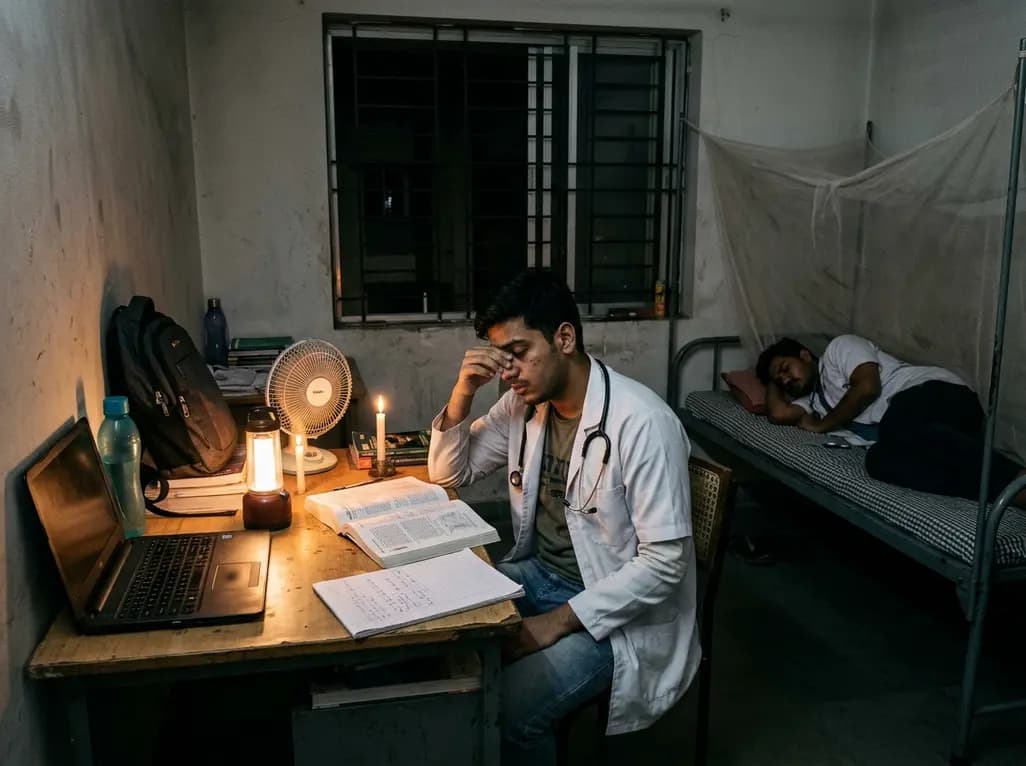
Emerging research indicates that environmental sleep disruption caused by infrastructural power failures severely impairs youth physiology and academic achievement. Modern society depends heavily on stable electrical grids to regulate ambient temperatures, provide ambient lighting, and maintain predictable domestic schedules. When power grids fail systematically, individuals lose autonomic control over their immediate living spaces. Consequently, sudden thermal fluctuations, abrupt shifts in lighting, and the disruptive roar of fossil-fuel backup generators severely compromise restorative rest. A recent cross-sectional investigation from the University of the Witwatersrand in South Africa sheds light on how acute infrastructural strain triggers debilitating insomnia symptoms among young adults.
In infrastructural crises, recurring blackouts disrupt the circadian homeostasis of vulnerable demographics. The South African investigation assessed 1,124 university students during 2023, representing a historic peak in national loadshedding. Remarkably, 73% of surveyed students reported that scheduled power cuts directly altered their nocturnal rest. Furthermore, among those affected, an overwhelming 80% confirmed that their sleep quality deteriorated significantly. Power interruptions disrupt the bedtime routines that entrain human circadian pacemakers. When electricity ceases abruptly, students frequently experience heightened cognitive arousal and distress. In addition, ambient living spaces become stifling or uncomfortably chilly due to disabled climate control systems. Consequently, students lose the quiet, cool environment essential for initiating physiologic slow-wave sleep. Therefore, clinicians must recognize that infrastructural instability acts as a potent chronic environmental stressor that compromises restorative rest across large populations.
The clinical manifestations of grid instability reveal distinct disturbances in sleep architecture. Specifically, 51% of affected students reported marked sleep fragmentation, waking repeatedly throughout the night. Moreover, 32% experienced prolonged sleep onset latency, lying awake in dark, uncomfortable quarters. These disruptions generated measurable downstream consequences on cognitive and academic performance. Notably, 59% of students who suffered worsened sleep reported a noticeable drop in their academic grades, compared to only 38% among students whose sleep remained unchanged. This statistically significant divergence underscores the profound cognitive penalty of recurrent nighttime arousals. However, protective infrastructure provided clear relief. Students with access to alternative power sources enjoyed a 57% reduction in the odds of experiencing degraded sleep. This finding highlights the protective value of reliable lighting and temperature regulation in shielding restorative rest from external disruption.
Understanding the physiological cascade of outage-induced sleep disturbance requires evaluating environmental cues. The human circadian pacemaker, located within the suprachiasmatic nucleus, relies strictly on regular light-dark transitions and nocturnal core temperature reduction. When power cuts deactivate fans or air conditioning, the body struggles to dissipate heat. Consequently, elevated ambient temperatures prevent the peripheral vasodilation necessary for initiating non-rapid eye movement sleep. Furthermore, backup diesel generators introduce intrusive, low-frequency sound that prevents deep sleep stages. Even when individuals do not wake consciously, continuous generator noise elevates sympathetic tone and serum cortisol levels. In addition, unexpected schedule changes force students to study late into the night using erratic light sources or blue-light-emitting electronic screens. Therefore, combined thermal, acoustic, and behavioral disruptions degrade slow-wave and rapid-eye-movement cycles, perpetuating chronic fatigue and daytime neurocognitive dysfunction.
For medical practitioners in India, these findings offer immense clinical value. Many Indian semi-urban and urban regions experience frequent summer outages, severe heatwaves, and pervasive backup generator noise. Medical and university students in India endure intense competitive pressure while facing high ambient nighttime temperatures. Consequently, Indian physicians frequently encounter young adults presenting with non-restorative sleep, daytime hypersomnolence, tension headaches, and mood disturbances. Clinicians often mistakenly attribute these complaints solely to academic anxiety or primary psychiatric conditions. However, detailed environmental sleep histories frequently reveal unmanaged thermal discomfort, sudden nocturnal darkness, and generator-induced acoustic trauma. Therefore, general practitioners and psychiatrists should systematically ask patients about living conditions, power reliability, and nighttime room temperatures during routine insomnia evaluations to avoid unnecessary pharmacotherapy.
Clinicians can empower affected individuals by recommending targeted behavioral and physical countermeasures. First, patients should establish a fixed sleep-wake schedule that remains consistent regardless of fluctuating power timetables. In addition, individuals should prioritize natural daytime sunlight exposure to strongly anchor circadian rhythms. To combat thermal distress during outages, individuals can utilize breathable cotton bedding, sleep on lower floor levels, and maintain cross-ventilation. Furthermore, high-attenuation earplugs or battery-powered sound machines can effectively dampen intermittent generator noise. When power returns unexpectedly late at night, students must avoid turning on bright overhead LED lights, which instantly suppress nocturnal melatonin synthesis. Instead, practitioners should encourage using rechargeable, warm amber task lights for late-night navigation. Thus, proactive environmental adaptation helps protect restorative sleep architecture despite unstable municipal electrical infrastructure.
Mitigating the health consequences of infrastructural instability requires collective institutional action. Academic universities must acknowledge that severe power disruptions directly impair student mental health and examination performance. Consequently, campus administrations should invest in sustainable solar inverters for student residential halls and dedicated nocturnal study facilities. Furthermore, academic institutions should establish flexible testing policies and provide student health centers with comprehensive sleep hygiene screening protocols. Public health authorities must recognize reliable domestic electricity as a fundamental social determinant of health. When municipal power systems stabilize, populations experience fewer cardiometabolic complications, reduced psychiatric morbidity, and improved educational outcomes. Therefore, cross-sector collaboration between urban planners, academic leaders, and healthcare providers remains vital to safeguard public health and ensure restorative sleep for the next generation.
Power outages disable cooling and heating systems, preventing the natural drop in core body temperature necessary to initiate slow-wave sleep. Additionally, the sudden noise from neighborhood generators causes frequent micro-arousals and autonomic activation, fragmenting sleep architecture. These environmental stressors collectively increase nocturnal awakenings, delay sleep onset, and reduce restorative rapid eye movement sleep.
Alternative power systems maintain stable ambient room temperatures and continuous air circulation during grid failures. They also provide dim, regulated lighting that avoids jarring photic interruptions. By preserving a quiet, thermally controlled environment, alternative power protects circadian entrainment, diminishes cognitive anxiety, and significantly reduces the odds of fragmented sleep.
Patients should maintain consistent sleep schedules, use high-density earplugs against generator noise, and adopt lightweight, breathable bedding. During outages, individuals should rely on low-intensity, warm amber light sources rather than bright mobile screens to protect natural melatonin secretion. Establishing good cross-ventilation also aids thermoregulation and prevents sleep fragmentation.
Disclaimer: This content is for informational and educational purposes only. It is not intended to substitute professional medical advice, diagnosis, or treatment. Always seek the advice of your physician or another qualified healthcare provider with any questions you may have regarding a medical condition. Refer to the latest local and national guidelines for clinical practice.
References

Read summarized clinical updates, watch expert medical content, and earn CME certifications right from your smartphone.
Open your smartphone camera to scan and install.





A cross-sectional study reveals that power outages drive severe environmental sleep disruption among university students, worsening sleep latency, fragmentation, and academic performance. Alternative power access reduces risks by 60%, highlighting the need for clinical sleep hygiene and policy interventions.
last month
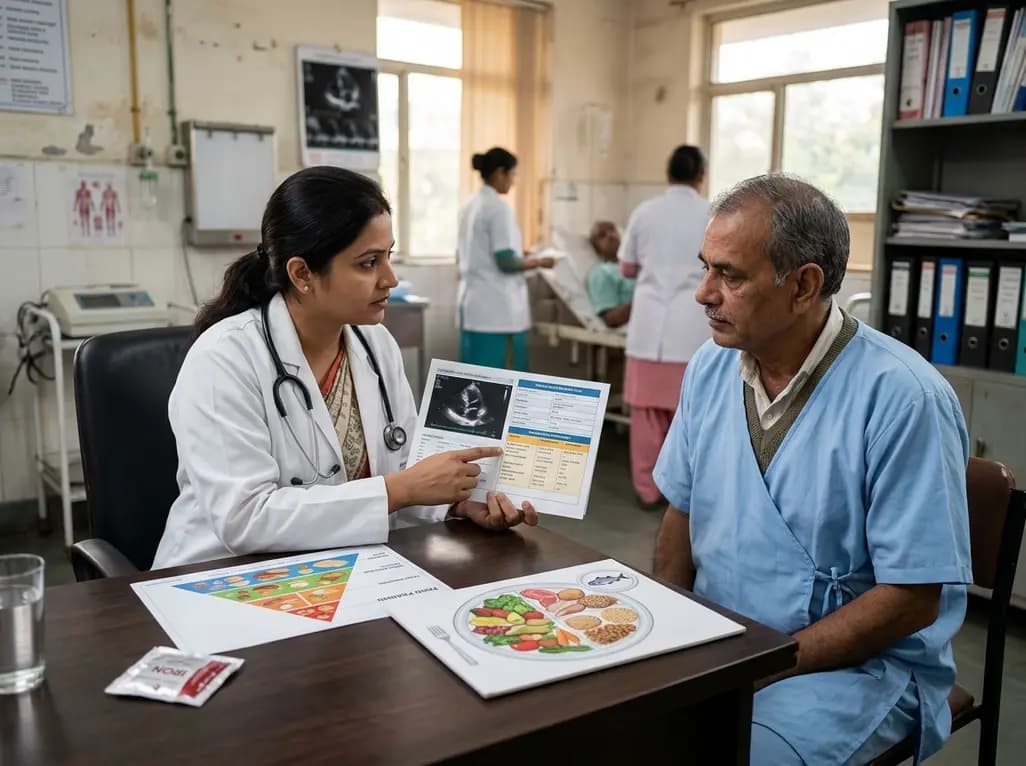
A scientific statement highlights the crucial role of nutrition in managing chronic heart failure. It emphasizes GLIM-based screening, individualized dietary patterns like the Mediterranean diet, appropriate protein and energy intake, avoiding unnecessary fluid restriction, and targeted iron supplementation.
Today
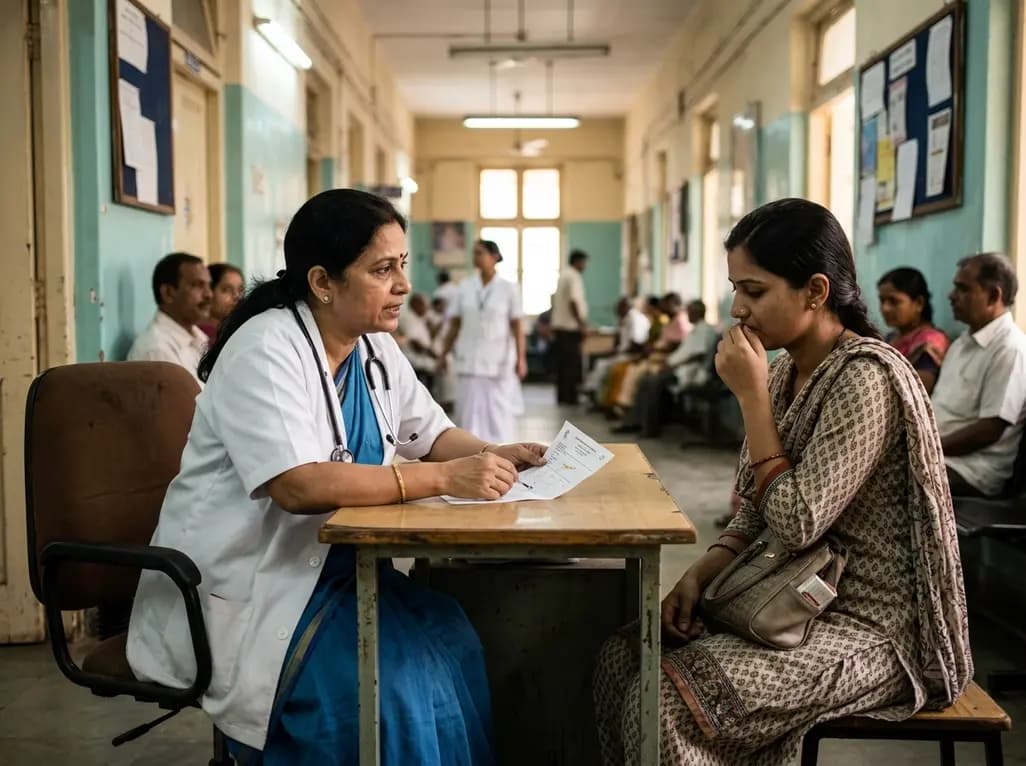
A nationwide South Korean study shows underreporting of smoking among women dropped from 57.4% to 36.4% between 2008 and 2021. However, over one-third of female smokers still conceal their habit, highlighting the critical role of cotinine verification in clinical risk assessment.
Today

PepsiCo and Monster Beverage have challenged the FSSAI ban on the energy drink label in Indian courts. While companies highlight supply disruptions, regulatory actions spotlight severe cardiovascular and metabolic risks associated with excessive caffeine, sugar, and taurine consumption, especially in adolescents.
Today
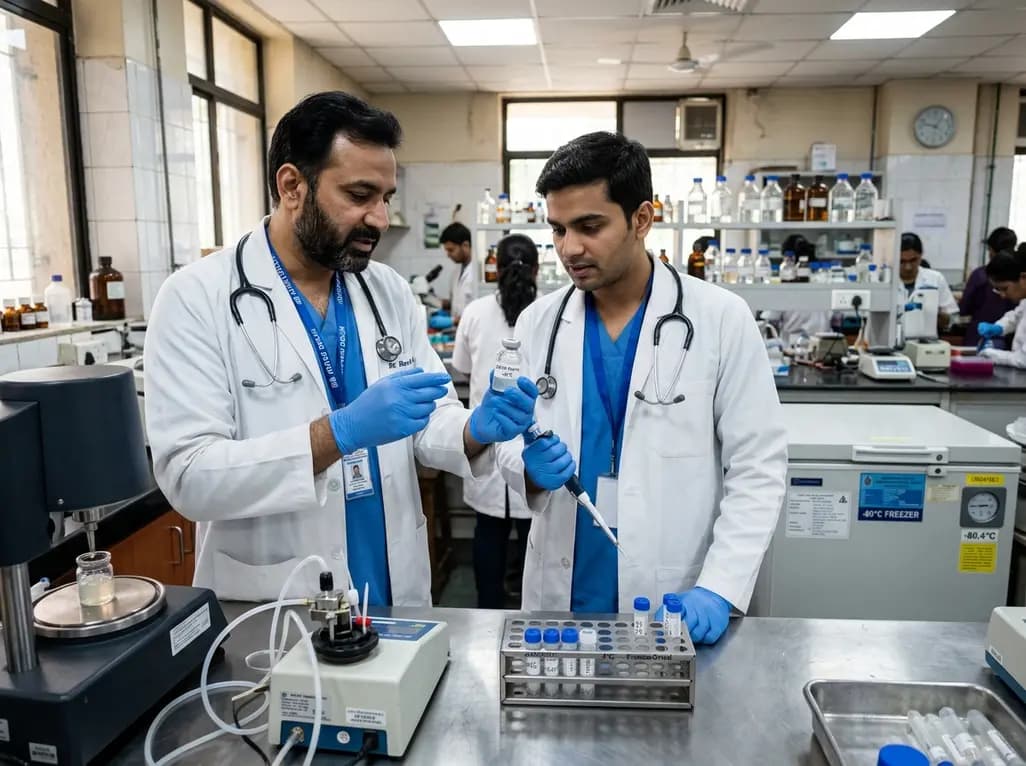
A new study evaluates the rheological stability of decellularized peripheral nerve matrix hydrogels under varied storage conditions. Findings show -80°C storage and freeze-drying preserve gelation kinetics and mechanical stiffness, offering key insights for shipping and translational clinical applications.
Today
A qualitative meta-synthesis highlights the complex interplay between gender dysphoria, minority stress, and eating disorders in transgender and gender-diverse individuals. Clinicians must recognize these distinct drivers to offer supportive, gender-affirming, and interdisciplinary eating disorder care.
Today
