.webp&w=384&q=75)

Loading, please wait...
Loading, please wait...

Recent studies on lncRNA JPX cancer roles reveal a complex landscape. This molecule acts as both an oncogene and a tumor suppressor. Originally, scientists characterized JPX as a regulator of X-chromosome inactivation. However, it is now a significant focus in oncology research. Specifically, its functional behavior depends heavily on the cellular context. Moreover, its downstream molecular axes vary by tissue. Consequently, the available evidence is highly diverse.
For example, in lung cancer, JPX functions as a potent oncogenic driver. Similarly, in gastric cancer, its overexpression promotes tumor growth and proliferation. In addition, it often sponges microRNAs. Consequently, this interaction leads to the upregulation of oncogenic target genes. Furthermore, these patterns appear in cervical and endometrial cancers. In contrast, other data suggests a more protective role. Specifically, in hepatocellular carcinoma and breast cancer, findings align with tumor-restraining programs. Therefore, the RNA behaves as a context-dependent modulator. Additionally, the presence of these dual roles complicates its use as a universal diagnostic tool. Thus, clinicians must exercise caution when interpreting these findings.
Notably, JPX interacts with various RNA-binding proteins. Although the competing endogenous RNA (ceRNA) model is common, other paths exist. For instance, chromatin remodeling is a key mechanism. However, most current research uses limited model systems. Consequently, we need more independent validation. Nevertheless, JPX remains a promising candidate biomarker for diagnosis. Currently, it is an experimental target rather than a validated one. Because the evidence remains uneven across tumor types, translational caution is essential. Finally, future research must clarify the conditions that switch JPX from an oncogenic to a tumor-suppressive state.
The role of lncRNA JPX is context-dependent. It often acts as an oncogene in lung and gastric cancers but can function as a tumor restrainer in hepatocellular carcinoma and breast cancer.
JPX regulates XIST to manage X-chromosome inactivation. In some cancers, the JPX-XIST axis determines if the RNA promotes or inhibits tumor progression, though this varies by tissue type.
No, JPX is an experimental biomarker. It is not yet used in routine clinical practice and requires further validation in human clinical trials.
Disclaimer: This content is for informational and educational purposes only. It does not constitute medical advice or a professional relationship. Always seek the advice of a qualified healthcare provider regarding any medical condition. Refer to the latest local and national guidelines for clinical practice.
References
Li Y et al. Context-dependent roles of lncRNA JPX in human cancers. Discov Oncol. 2026 Jun 10. doi: 10.1007/s12672-026-05419-w. PMID: 42268347.
Carmona S, Lin B, Chou T, Arroyo K, Sun S. LncRNA Jpx induces Xist expression in mice using both trans and cis mechanisms. PLoS Genet. 2018 May 7;14(5):e1007378. doi: 10.1371/journal.pgen.1007378.
Selivanovskiy A et al. LONG NON-CODING RNA JPX: STRUCTURE, FUNCTIONS, AND ROLE IN CHROMATIN ARCHITECTURE. Cancer Cell Int. 2025 Nov 15;20:441. doi: 10.1186/s12935-020-01486-3.
"
Read summarized clinical updates, watch expert medical content, and earn CME certifications right from your smartphone.
Open your smartphone camera to scan and install.





Research highlights the context-dependent lncRNA JPX cancer roles. While often oncogenic in lung and gastric cancers, it may act as a tumor-restrainer in breast cancer and HCC. This review evaluates its mechanisms and emphasizes the need for translational caution before clinical use as a biomarker.
4 months ago

The Kerala Legislative Assembly has unanimously approved a pioneering bill establishing enforceable protections for senior citizens. The statutory framework regulates elderly care institutions, penalizes neglect and abandonment, introduces living wills, and integrates geriatric healthcare into community planning.
Today
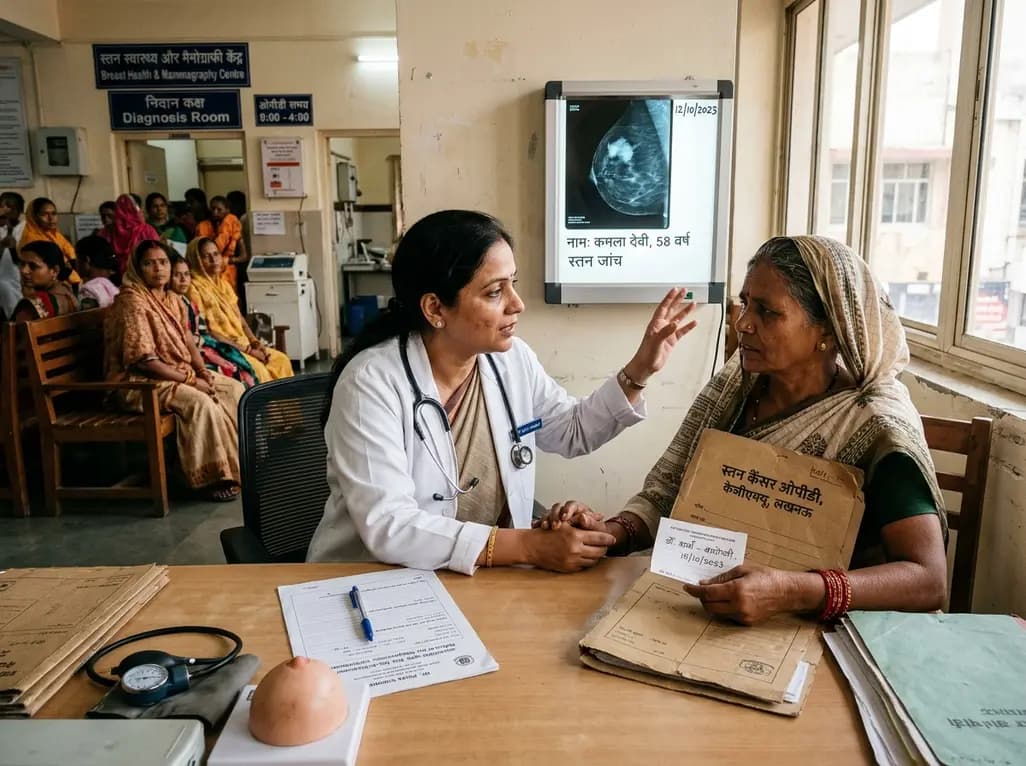
A KGMU study reveals over half of women with breast abnormalities fail to undergo diagnostic confirmation, leading to advanced-stage detection. Discover the socio-cultural barriers, clinical risks of incomplete resection, and community-level solutions needed to bridge the critical screening-to-diagnosis gap in India.
Yesterday
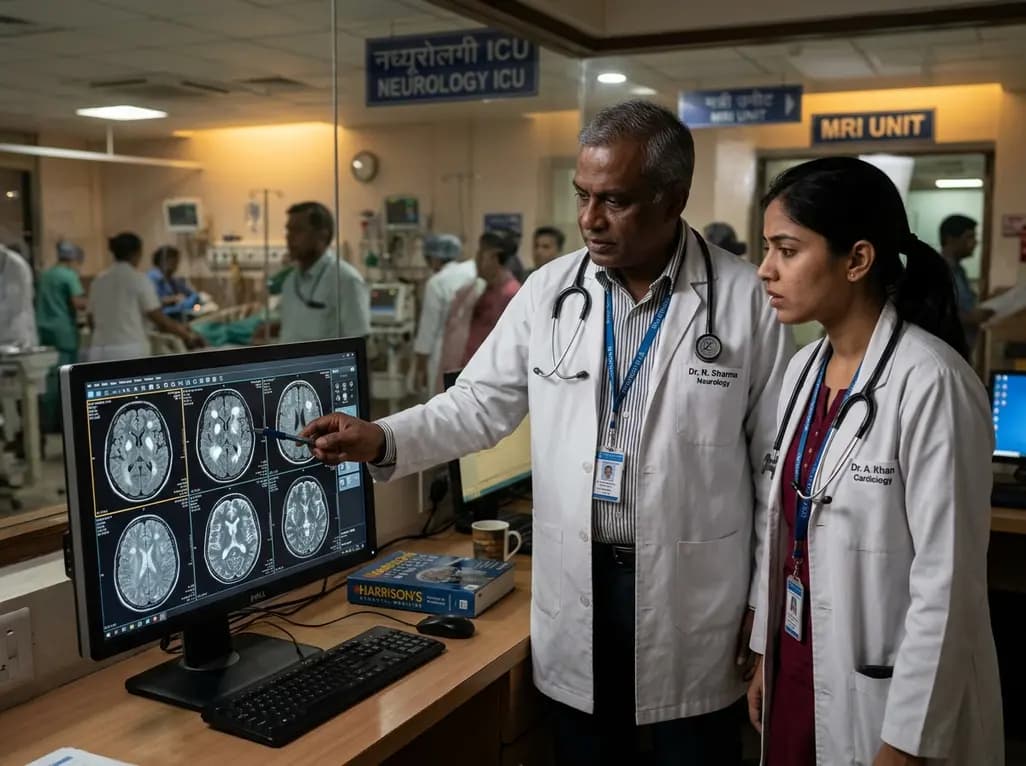
Recent findings from the VESUVE study demonstrate that brain MRI detects intracranial lesions in over 76% of patients with infective endocarditis. Acute ischemic stroke and subarachnoid hemorrhage independently elevate six-month mortality, underscoring the critical prognostic utility of neuroimaging.
Today

Modern 3D anthropometry reveals that pediatric leg growth ceases years before spinal elongation, exposing the clinical illusion of the classical Anderson-Green model. Learn how segmental growth dissociation improves surgical timing for epiphysiodesis in adolescent leg length discrepancy.
Today

A meta-analysis of 18 studies reveals that bariatric surgery does not significantly alter circulating homocysteine levels, regardless of follow-up duration. Clinicians must maintain vigilance over post-surgical micronutrient supplementation to prevent hyperhomocysteinemia.
Today
