.webp&w=384&q=75)

Loading, please wait...
Loading, please wait...

Liquid biopsies are revolutionizing modern oncology by offering a noninvasive method for tumor profiling and longitudinal monitoring. However, the reliability of these assays depends heavily on liquid biopsy pre-analytical optimization. While clinicians frequently rely on cell-free DNA (cfDNA), extracellular vesicle-derived DNA (evDNA) is emerging as a critical analyte. Understanding how storage and processing affect these molecules is essential for accurate clinical results.
Recent research evaluated four critical variables: processing delay, storage temperature, tube type, and plasma input volume. Findings indicate that cfDNA concentrations start increasing after 24 hours at room temperature. In contrast, evDNA remains stable for up to 48 hours. Retrospective analyses suggest even tighter windows, with changes occurring as early as 6 hours for cfDNA. Furthermore, short-term refrigeration at 4°C preserves DNA quality significantly better than immediate -80°C freezing of whole plasma. Consequently, maintaining a cold chain is vital for sample integrity.
Regarding collection tubes, Acid Citrate Dextrose (ACD) and KEDTA tubes show comparable performance if processed promptly. Interestingly, higher plasma volumes specifically benefit evDNA detection rather than cfDNA. Ultimately, evDNA demonstrates superior resilience under suboptimal conditions. This resilience makes it a promising biomarker for settings where immediate processing is unavailable. Therefore, laboratories must choose their analytes based on their specific logistics and clinical goals.
To ensure high-quality results, laboratories must implement standardized workflows. Prompt processing is the most effective way to prevent genomic DNA contamination from cell lysis. Specifically, refrigeration should be the preferred short-term storage method for whole blood samples. As liquid biopsy technology matures, these optimizations will become mandatory for precision oncology in India and globally. Furthermore, clinicians should communicate clearly with pathology labs regarding the timing of blood draws.
Extracellular vesicle-derived DNA (evDNA) is often more stable because the lipid bilayer of the vesicle protects the genetic material from enzymatic degradation and external stress.
Under prompt processing conditions, both KEDTA and ACD tubes provide reliable results for mutation detection without significant differences in performance.
Short-term refrigeration at 4°C is superior for preserving DNA integrity compared to freezing plasma at -80°C before the extraction process is completed.
Disclaimer: This content is for informational and educational purposes only. It is not intended as medical advice or to replace the professional judgment of a healthcare provider. Refer to the latest local and national guidelines for clinical practice.
References
Dohmen J et al. Pre-analytical optimization of cell-free DNA and extracellular vesicle-derived DNA for mutation detection in liquid biopsies. Mol Oncol. 2026 Feb 22. doi: 10.1002/1878-0261.70222. PMID: 41725045.
Thierry AR et al. Clinical utility of the liquid biopsy in oncology: Journal of Clinical Medicine. 2021;10(14):3152.
Elzanowska J et al. Extracellular Vesicle-Derived DNA vs. CfDNA as a Biomarker for the Detection of Colon Cancer. PMC. 2021 Jul 29.

Read summarized clinical updates, watch expert medical content, and earn CME certifications right from your smartphone.
Open your smartphone camera to scan and install.





A study highlights how processing delay, temperature, and tube type affect cfDNA and evDNA stability for mutation detection in liquid biopsies....
8 months ago
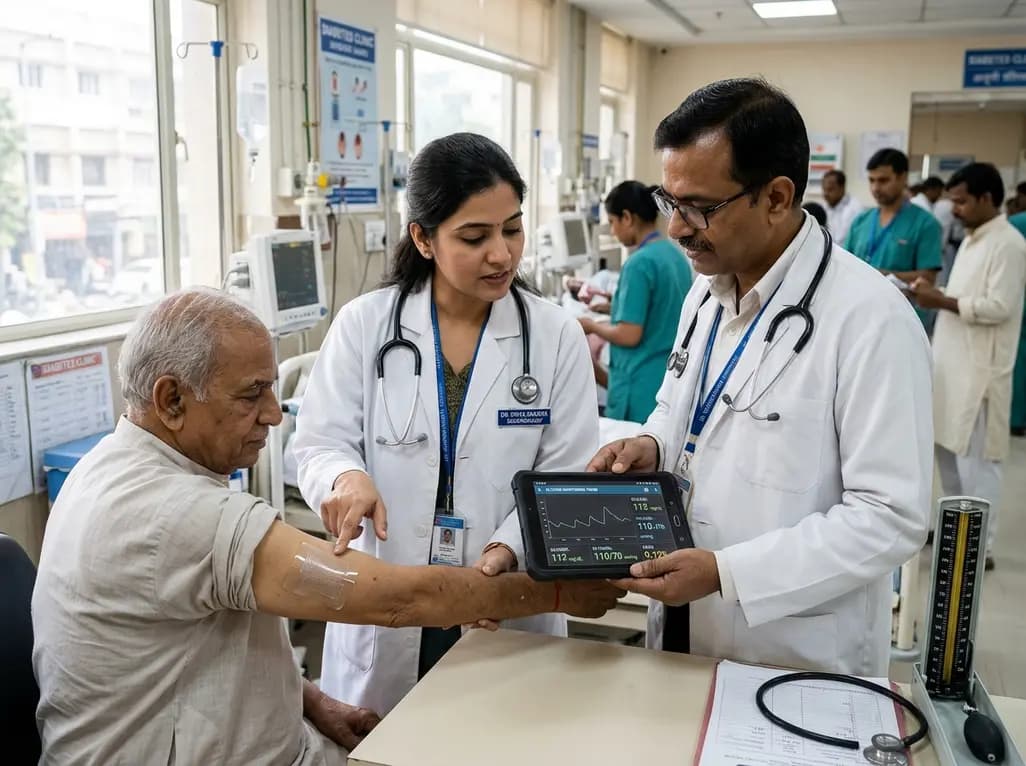
A breakthrough ultrathin multimodal sensor decouples physical hemodynamic monitoring from disposable electrochemical calibration, achieving long-term wearable glucose prediction with 81.36% accuracy and a 9.12% MARD. This offers a robust, drift-free solution for outpatient metabolic surveillance.
Today
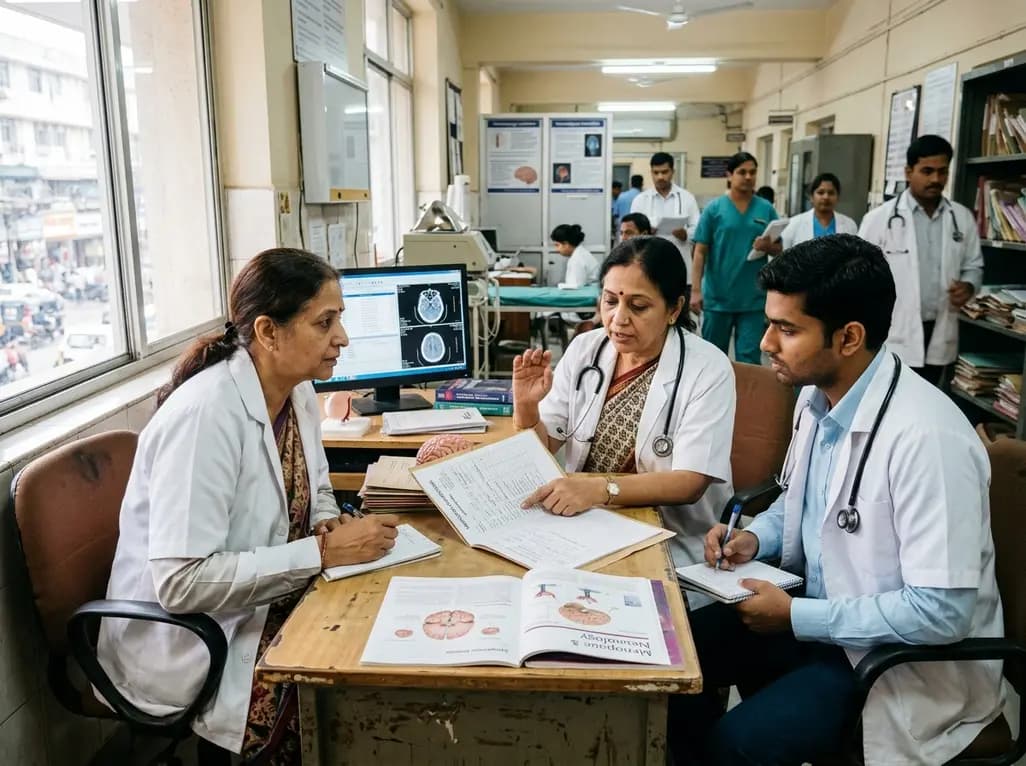
A clinical review of menopause and neurology highlights the neurobiological impacts of midlife hormonal shifts on cognition, epilepsy, migraine, multiple sclerosis, and stroke, emphasizing safe hormone therapy prescribing.
Today
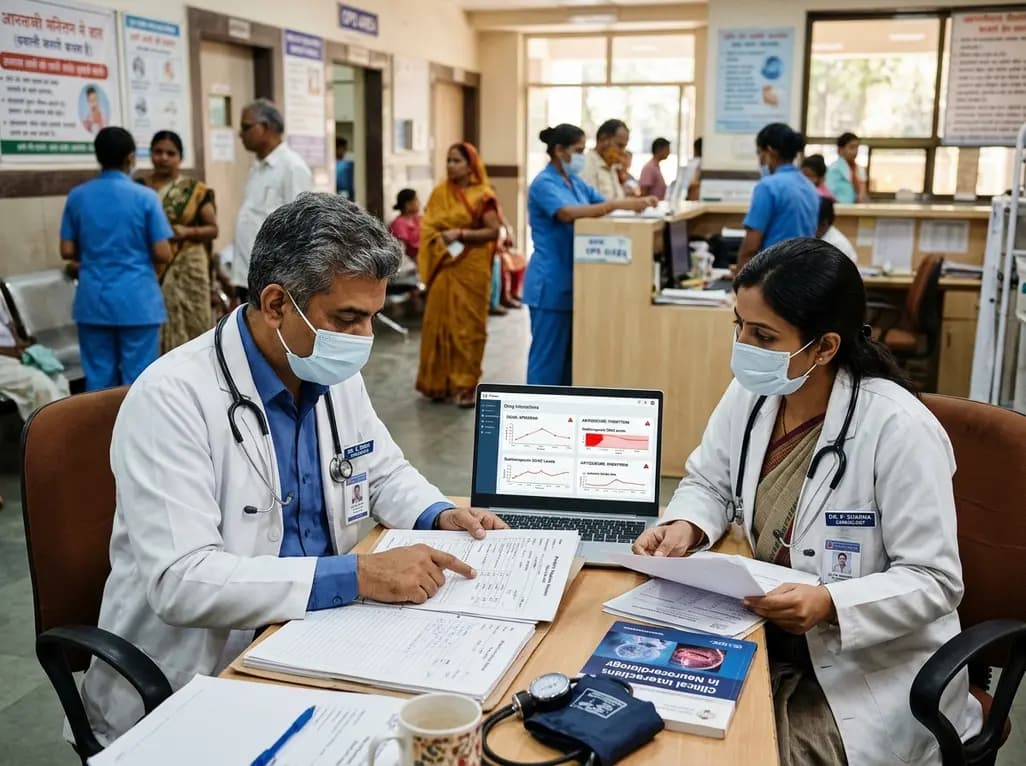
Co-administering antiseizure medications and DOACs frequently causes pharmacokinetic interactions, subtherapeutic drug levels, and thromboembolic failures. This review highlights enzyme induction risks, unpredictable outcomes with levetiracetam, and the vital role of therapeutic drug monitoring.
Today
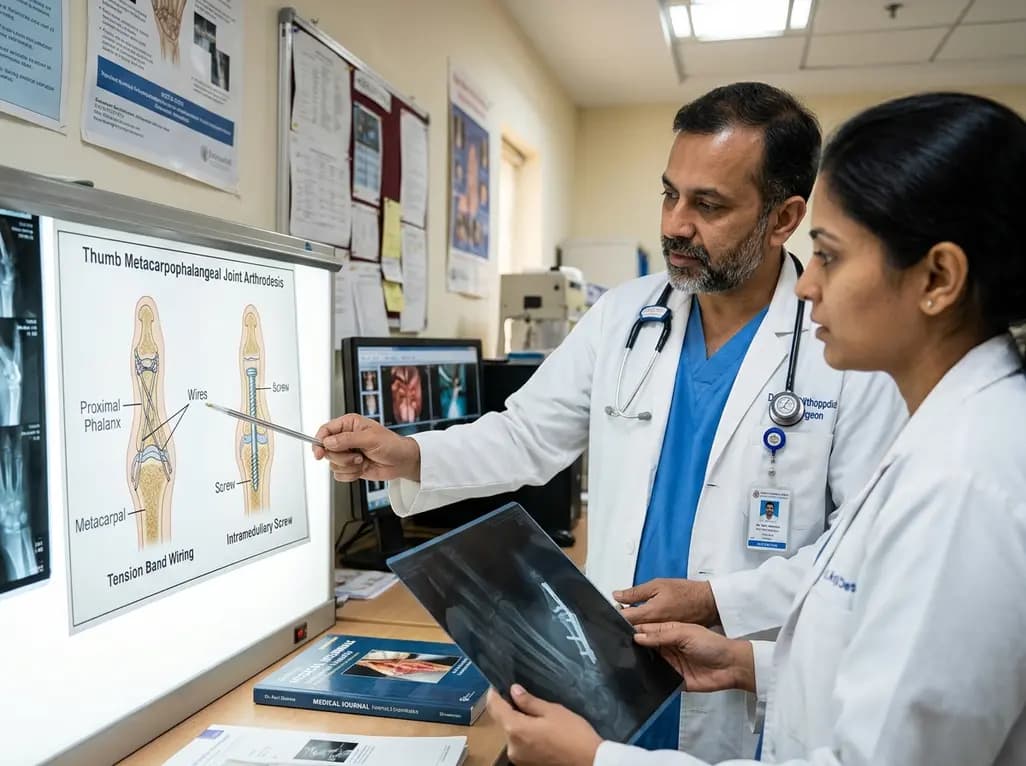
A comparative review of tension band wiring and intramedullary screw fixation in thumb metacarpophalangeal arthrodesis, evaluating union rates, hardware complications, and clinical outcomes.
Today

Following regulatory scrutiny from FSSAI regarding promotional representations and lean muscle preservation claims, Dr. Reddy's Laboratories and Nestlé Health Science are currently reviewing the branding and marketing strategy for their joint nutritional supplement Celevida GLP+.
Today
