.webp&w=384&q=75)

Loading, please wait...
Loading, please wait...
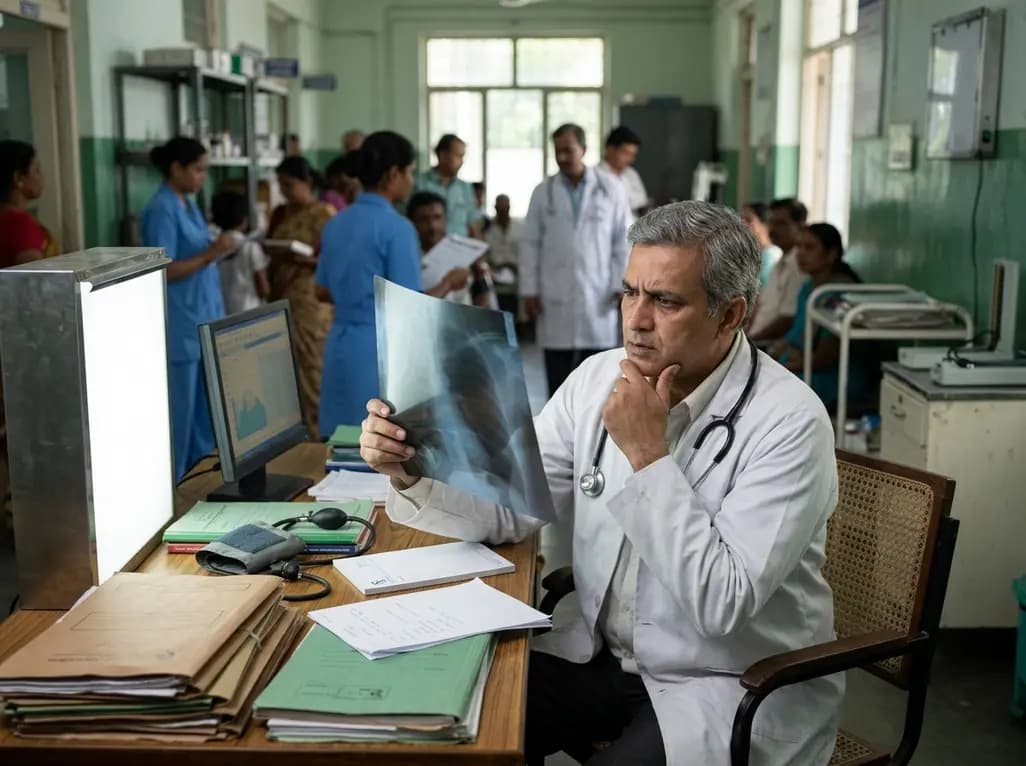
Monsoon rains in southern India bring a severe spike in seasonal infections, challenging healthcare providers. Recently, leptospirosis in kerala has triggered serious concern due to rising infection rates and fatalities. Along with this bacterial threat, clinicians are managing concurrent spikes in dengue, malaria, and Shigella infections. Consequently, medical practitioners must maintain high clinical suspicion to prevent severe complications and reduce overall mortality.
The state of Kerala frequently experiences devastating floods and heavy monsoon rains. Consequently, these environmental conditions create a perfect breeding ground for pathogenic Leptospira bacteria. Rodents act as the primary reservoirs, shedding the bacteria into waterlogged areas through their urine. Furthermore, individuals who wade through contaminated water or soil quickly contract the infection through skin abrasions. Recent epidemiological data shows that leptospirosis in kerala has caused numerous fatalities this season, demonstrating a high case-fatality rate. Additionally, the concurrent presentation of other vector-borne diseases like dengue and malaria complicates the public health landscape. Health departments have observed a substantial surge in daily outpatient fever cases, which strains local clinical resources. Therefore, clinicians must understand the local epidemiology to identify high-risk individuals. For example, farmers, sanitation workers, and residents of waterlogged areas require close monitoring. Thus, targeted public health interventions and early patient education can significantly reduce transmission rates during the peak monsoon months. Moreover, poor waste management practices in urban centers often exacerbate rodent infestations. Consequently, active community participation in sanitation drives remains vital for disease control.
Leptospirosis, colloquially called rat fever, typically presents with a broad spectrum of clinical symptoms. Initially, patients present with an abrupt onset of high fever, severe headache, and intense myalgia. Specifically, calf muscle tenderness and conjunctival suffusion represent classic diagnostic red flags that clinicians should recognize. However, many early presentations mimic other common tropical illnesses like influenza, typhoid, and dengue fever. Consequently, this symptomatic overlap often leads to misdiagnosis or delayed treatment in primary care settings. As the disease progresses, it can transition into the severe icteric form, known as Weil’s disease. Indeed, this severe phase causes acute renal failure, hepatic dysfunction, and hemorrhagic manifestations. Furthermore, pulmonary hemorrhage has emerged as a highly lethal complication in recent outbreaks. Clinicians must therefore perform meticulous physical examinations and take detailed exposure histories. For instance, inquiring about contact with stagnant water during recent heavy rainfall can guide the diagnostic process. Thus, early clinical identification is crucial before multi-organ dysfunction develops. Additionally, routine monitoring of urine output helps identify early signs of acute kidney injury. Ultimately, a swift clinical assessment prevents patients from entering the irreversible stages of sepsis.
Accurate laboratory diagnosis of leptospirosis requires a combination of serological and molecular testing methods. During the first week of illness, polymerase chain reaction can reliably detect Leptospira DNA in blood. However, many secondary clinics lack access to advanced molecular facilities. Alternatively, clinicians widely use the IgM enzyme-linked immunosorbent assay for rapid screening in endemic areas. Although ELISA is highly sensitive, antibodies may not reach detectable levels until several days after symptom onset. Consequently, a negative early serological test does not entirely rule out the disease. The microscopic agglutination test remains the gold standard for serological confirmation. Nevertheless, this method is labor-intensive and requires maintaining live bacterial cultures. Therefore, doctors must initiate empirical treatment based on clinical suspicion rather than waiting for laboratory confirmation. For this reason, clinical guidelines emphasize early therapeutic intervention in suspected cases. Furthermore, complete blood counts often reveal neutrophilic leukocytosis and thrombocytopenia, which support the diagnosis. Thus, combining clinical history with basic laboratory parameters remains the most practical diagnostic strategy. Additionally, monitoring serum creatinine levels provides critical information regarding renal involvement. Subsequently, clinicians can adjust therapeutic fluids based on the patient\'s renal function.
Mild leptospirosis cases respond exceptionally well to oral antibiotic therapy. Specifically, oral doxycycline represents the first-line treatment for adults with uncomplicated infections. Alternatively, clinicians can prescribe azithromycin or amoxicillin for pregnant women and children. However, severe infections require prompt hospitalization and intravenous antibiotic administration. Intravenous penicillin G remains the traditional therapy of choice for severe cases. Additionally, third-generation cephalosporins like ceftriaxone offer equal efficacy and convenient once-daily dosing. Meanwhile, supportive care plays an indispensable role in managing severe complications. For instance, patients with acute kidney injury may require immediate hemodialysis. Furthermore, aggressive fluid resuscitation must be carefully balanced to avoid pulmonary edema. For prevention, health departments advocate chemoprophylaxis for high-risk individuals. Specifically, a weekly dose of doxycycline provides effective protection for people exposed to contaminated water. Thus, combining active prophylaxis with rapid treatment protocols remains the cornerstone of medical management. Ultimately, timely therapeutic decisions save lives and reduce hospital stay duration. Indeed, proper counseling regarding personal protective equipment like boots can prevent initial skin exposure. Consequently, raising awareness among vulnerable rural populations helps reduce seasonal outbreaks.
Controlling monsoon diseases requires a multifaceted public health approach. Consequently, the government has strengthened disease surveillance across all districts. Local authorities actively clear stagnant water and conduct vector control operations to limit dengue and malaria. Meanwhile, public health campaigns educate the community about the dangers of wading in contaminated floodwaters. Interestingly, the state recently conducted a massive Pulse Polio Immunisation Drive. Health Minister K Muralidharan inaugurated the state-level program at the Women and Children’s Hospital in Thycaud. The health department successfully created 22,000 vaccination booths to ensure wide coverage for all eligible children. Furthermore, mobilising thousands of healthcare workers for the polio drive created an opportunity to distribute leptospirosis preventive information. This synergy between different health campaigns maximizes resource utilization during critical monsoon periods. Indeed, using established immunisation networks to spread awareness about rat fever and dengue has proven highly effective. Ultimately, integrated health campaigns help build a resilient community defense against seasonal epidemics. Therefore, sustained governmental support and public cooperation remain essential for long-term health safety. Additionally, local health workers distribute doxycycline tablets directly to high-risk individuals in flood-prone zones. Subsequently, these combined efforts have significantly reduced the overall mortality of waterborne diseases.
Q1: What is the primary mode of transmission of leptospirosis to humans?
Leptospirosis spreads primarily when people contact water or soil contaminated with the urine of infected animals. Specifically, pathogenic bacteria enter the body through open skin cuts, abrasions, or mucous membranes of the mouth, eyes, and nose. Consequently, wading in floodwaters during monsoons poses a severe risk. However, direct person-to-person transmission remains extremely rare under normal circumstances. Therefore, protective clothing is essential.
Q2: How can clinicians differentiate leptospirosis from other monsoon illnesses?
Clinicians should look for specific clinical indicators like marked calf tenderness and conjunctival suffusion to differentiate rat fever. Additionally, initial laboratory findings often show neutrophilic leukocytosis and thrombocytopenia. In contrast, dengue typically presents with leucopenia. Therefore, combining exposure history with complete blood counts helps establish a correct diagnosis early. Consequently, doctors can start targeted empirical therapies quickly. This approach reduces overall diagnostic delays.
Q3: What is the recommended prophylaxis for individuals at high risk of exposure?
For high-risk individuals, health guidelines recommend oral doxycycline as an effective weekly chemoprophylaxis. Specifically, a single weekly dose of two hundred milligrams provides excellent protection. Furthermore, sanitation workers and farmers must wear protective gear like rubber boots and gloves. Ultimately, these preventive steps significantly reduce the incidence of severe infections. Consequently, community-wide adherence remains vital for successful control.
Disclaimer: This content is for informational and educational purposes only. It does not constitute medical advice or replace professional judgment. Refer to the latest local and national guidelines for clinical practice.
References

Read summarized clinical updates, watch expert medical content, and earn CME certifications right from your smartphone.
Open your smartphone camera to scan and install.





As monsoon-driven illnesses surge in Kerala, this clinical guide explores the diagnosis, treatment, and public health impact of leptospirosis and concurrent vector-borne outbreaks.
3 months ago

As monsoon seasons elevate arboviral disease threats, Tamil Nadu has initiated an ICMR-monitored evaluation of the tetravalent dengue vaccine in Tenkasi district. Clinicians emphasize clinical monitoring, public prevention, and high-quality early pediatric care to reduce disease morbidity across endemic regions.
Today

Leucine Rich Bio has introduced South Asia's first comprehensive vaginal microbiome test, BugSpeaks. By profiling microbial dysbiosis, pathogens, and antimicrobial resistance, this next-generation diagnostic platform provides clinicians with deeper insights into recurrent infections, fertility, and reproductive health.
Today

Review how tailored exercise programs benefit frail older patients with heart failure. Explore pathophysiological mechanisms, individualized training prescriptions, and strategies to overcome adherence barriers in clinical practice.
Today

This comparative study evaluates posterior labral tears with and without glenohumeral instability, highlighting distinct demographic patterns, MRI underestimation in stable shoulders, and successful arthroscopic repair outcomes.
Today

A clinical study demonstrates that early intervention with tocilizumab, either as monotherapy or bridged with corticosteroids, achieves significant proptosis reduction and resolves active inflammation in treatment-naive thyroid eye disease.
Today
