.webp&w=384&q=75)

Loading, please wait...
Loading, please wait...
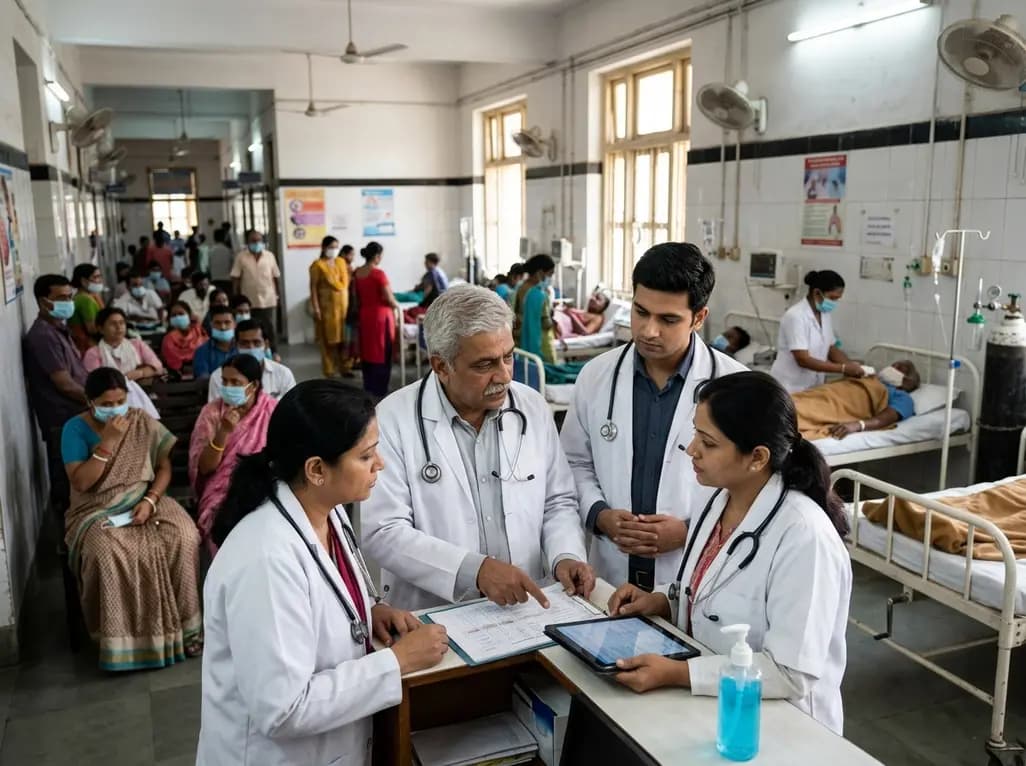
Healthcare providers in West Bengal report a significant rise in cases, marking a prominent Kolkata H1N1 surge this season. Consequently, clinics and hospitals are managing an influx of patients presenting with severe respiratory infections. Consequently, emergency departments are noticing a swift increase in admissions. While many patients recover with standard supportive therapies, several individuals require intensive care support. Therefore, medical practitioners must remain vigilant in diagnosing and managing these respiratory cases. Ultimately, understanding the clinical triggers and seasonal patterns is essential to optimize patient outcomes during this challenging public health period. In addition, early detection helps prevent local outbreaks from overwhelming regional medical systems.
Fluctuating weather patterns directly influence the transmission dynamics of influenza viruses. Specifically, alternating periods of heavy rainfall and intense sunshine create a highly humid environment that favors viral survival. Under these conditions, the H1N1 virus replicates and spreads more efficiently among the population. Consequently, the recent erratic weather has catalyzed the current Kolkata H1N1 surge. Additionally, when outdoor temperatures fluctuate rapidly, people spend more time in enclosed, air-conditioned environments. This behavior significantly increases close contact in workplaces, schools, and public transport systems. As a result, person-to-person transmission escalates quickly. Moreover, rapid temperature shifts can temporarily weaken the mucosal immunity of the respiratory tract. Therefore, individuals become much more susceptible to circulating pathogens. Clinicians must recognize these environmental triggers to predict seasonal spikes in viral activity. By monitoring local weather changes, hospitals can better prepare for sudden increases in patient volume. Furthermore, public health campaigns should emphasize the risk of indoor crowding during highly humid seasons. Additionally, timely tracking of weather patterns allows hospitals to allocate resources more efficiently before peak admission periods arrive.
Patients presenting during this seasonal spike exhibit a range of debilitating respiratory symptoms. Initially, most individuals report a nagging cough, high fever, and severe body aches. However, these symptoms can quickly progress to significant lung congestion and breathing difficulties. In addition, many patients experience intense fatigue, sore throat, and persistent headaches. Historically, clinicians observed isolated outbreaks of single viral agents. In contrast, current diagnostic data reveals a complex co-circulation of multiple pathogens. Doctors frequently identify a "cocktail" of viruses affecting patients simultaneously. For instance, Influenza A often circulates alongside respiratory syncytial virus, rhinovirus, and parainfluenza. Consequently, this structural overlap alters the typical recovery trajectory of patients. Although the primary fever may resolve within a few days, upper respiratory tract irritation often persists for weeks. Specifically, patients may suffer from an obstinate cough for four to six weeks. Thus, clinicians should avoid assuming that a patient has a simple monoinfection. Broad-spectrum molecular testing can help identify co-infections. Ultimately, recognizing this clinical pattern prevents the inappropriate use of antibiotics for viral syndromes. Moreover, understanding these viral interactions helps physicians explain the expected recovery timeline to anxious patients and their families.
While healthy young adults generally recover with supportive care, certain populations face severe risks. Specifically, elderly individuals and young children represent the most vulnerable groups during this outbreak. Moreover, patients with pre-existing pulmonary conditions suffer the worst clinical outcomes. For example, individuals with chronic obstructive pulmonary disease or severe asthma experience acute exacerbations when infected. Furthermore, metabolic comorbidities like uncontrolled diabetes significantly impair the body's immune response to influenza. Therefore, these high-risk patients require immediate clinical attention and early therapeutic intervention. If these individuals develop a persistent cough, it quickly leads to severe lung congestion. Consequently, they are much more likely to require hospitalization or intensive care support. Additionally, immunosuppressed patients are at an elevated risk for secondary bacterial complications, such as bacterial pneumonia. Doctors must proactively screen patients for these underlying risk factors during initial evaluations. By identifying high-risk individuals early, clinicians can initiate antiviral treatments within the optimal window. Thus, timely intervention remains the cornerstone of preventing severe morbidity in vulnerable populations. Furthermore, close monitoring of oxygen levels in these vulnerable demographics helps detect early signs of clinical deterioration.
Accurate diagnosis is crucial for directing appropriate therapy and managing hospital resources effectively. First, clinicians should utilize rapid molecular assays, such as polymerase chain reaction tests, to confirm Influenza A. Although rapid antigen tests offer quick results, they often lack the sensitivity required to rule out infection. Therefore, PCR testing remains the diagnostic gold standard for suspected H1N1 cases. Meanwhile, doctors must establish clear criteria for hospital admission to prevent emergency department overcrowding. Specifically, patients exhibiting persistent respiratory distress, low oxygen saturation, or severe dehydration require inpatient care. Additionally, the presence of altered mental status or hemodynamic instability warrants immediate admission. In contrast, stable patients without severe comorbidities can safely undergo management at home. However, clinicians must provide these outpatients with strict warning signs that necessitate a return to the clinic. For instance, worsening shortness of breath or a returning fever requires prompt re-evaluation. Through systematic risk assessment, hospitals can ensure that intensive care beds remain available for critical cases. Consequently, systematic diagnostic protocols improve overall institutional efficiency and patient safety. Ultimately, clear discharge guidelines and robust follow-up protocols prevent unnecessary readmissions and improve long-term patient recovery.
Preventing the spread of H1N1 requires a combination of clinical management and community-wide interventions. Primarily, clinicians should strongly encourage seasonal influenza vaccination for all eligible individuals, especially high-risk groups. Additionally, the consistent use of high-quality face masks in crowded public areas significantly reduces transmission. For infected individuals, early administration of neuraminidase inhibitors like oseltamivir can shorten disease duration. However, these antiviral medications are most effective when initiated within 48 hours of symptom onset. Therefore, prompt clinical evaluation is essential for patients presenting with influenza-like illness. Meanwhile, supportive care remains vital, including adequate hydration, rest, and antipyretics for fever control. Furthermore, healthcare facilities must implement strict infection control measures, such as isolating suspected cases. If hospital staff adhere to rigorous hand hygiene protocols, they can effectively prevent nosocomial spread. Consequently, a comprehensive approach combining vaccination, timely treatment, and public hygiene is necessary to control the outbreak. By working together, clinicians and public health officials can successfully mitigate the impact of this seasonal respiratory surge. In addition, continuous professional training ensures that healthcare staff remain updated on the latest clinical guidelines for seasonal influenza.
Q1: What factors are driving the recent Kolkata H1N1 surge?
The sudden increase in H1N1 cases is primarily driven by sharp temperature fluctuations and high humidity. These environmental conditions enhance viral transmission and survival in the air. Additionally, erratic weather causes people to spend more time in enclosed, air-conditioned spaces, which accelerates person-to-person spread. Consequently, crowded schools, offices, and public transport systems become major hubs for infection transmission during these monsoon-like seasonal shifts.
Q2: Which patient populations are most vulnerable to complications from H1N1?
Elderly individuals, young children, and pregnant women face the highest risk of developing severe complications from H1N1. Furthermore, individuals with pre-existing chronic conditions, such as COPD, asthma, uncontrolled diabetes, and cardiovascular diseases, are extremely susceptible to severe lung congestion. These patient groups often experience acute respiratory distress and bacterial superinfections, which significantly increases their likelihood of requiring ICU admission and mechanical ventilation support.
Q3: How do co-circulating respiratory viruses affect clinical recovery?
The co-circulation of H1N1 with other pathogens like RSV and rhinovirus often leads to complex viral co-infections. Consequently, patients experience prolonged upper respiratory tract irritation even after their primary fever subsides. This structural overlap can cause nagging coughs and chest congestion to persist for four to six weeks. Therefore, clinicians must recognize these mixed viral infections to avoid unnecessary antibiotic prescriptions and manage patient recovery expectations appropriately.
Disclaimer: This content is for informational and educational purposes only. It does not constitute medical advice or replace professional judgment. Refer to the latest local and national guidelines for clinical practice.
References

Read summarized clinical updates, watch expert medical content, and earn CME certifications right from your smartphone.
Open your smartphone camera to scan and install.





A detailed clinical guide on the recent H1N1 surge in Kolkata, exploring the triggers of weather fluctuations, symptom management, risk stratification, and patient hospitalization criteria during the outbreak.
3 months ago
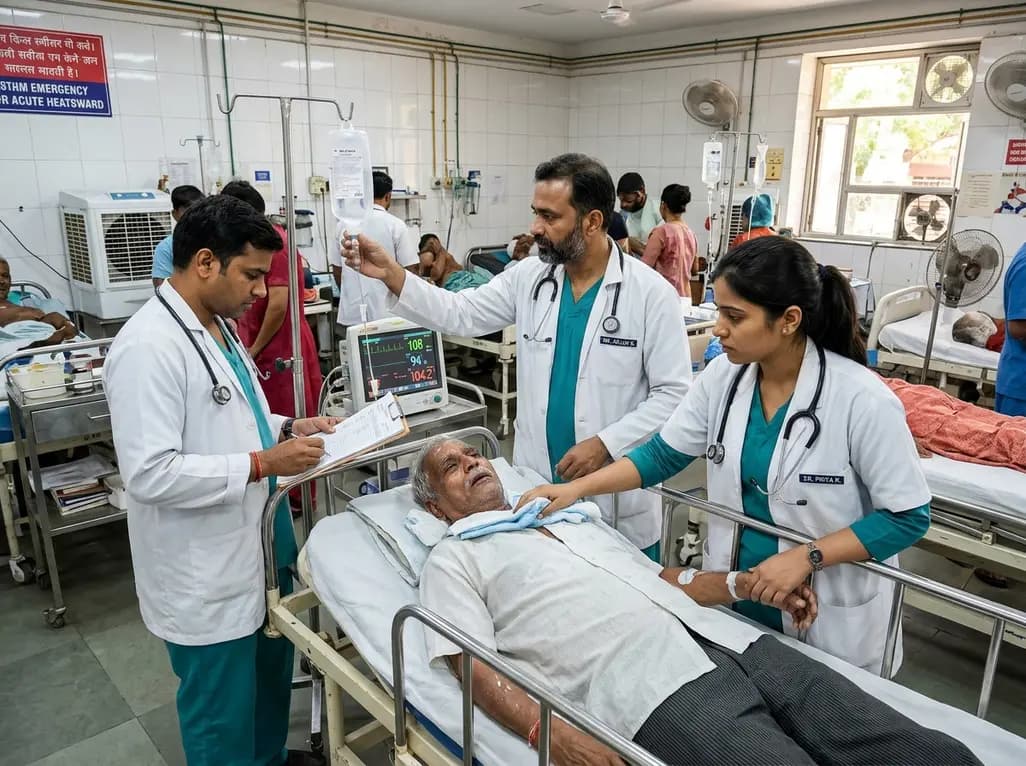
Recent epidemiological data reveals a dramatic surge in summer heat mortality driven by human-induced climate warming. This analysis explores the pathophysiological impacts on cardiac and renal systems, diagnostic dilemmas in death certification, and essential emergency cooling protocols for acute clinical care.
Today
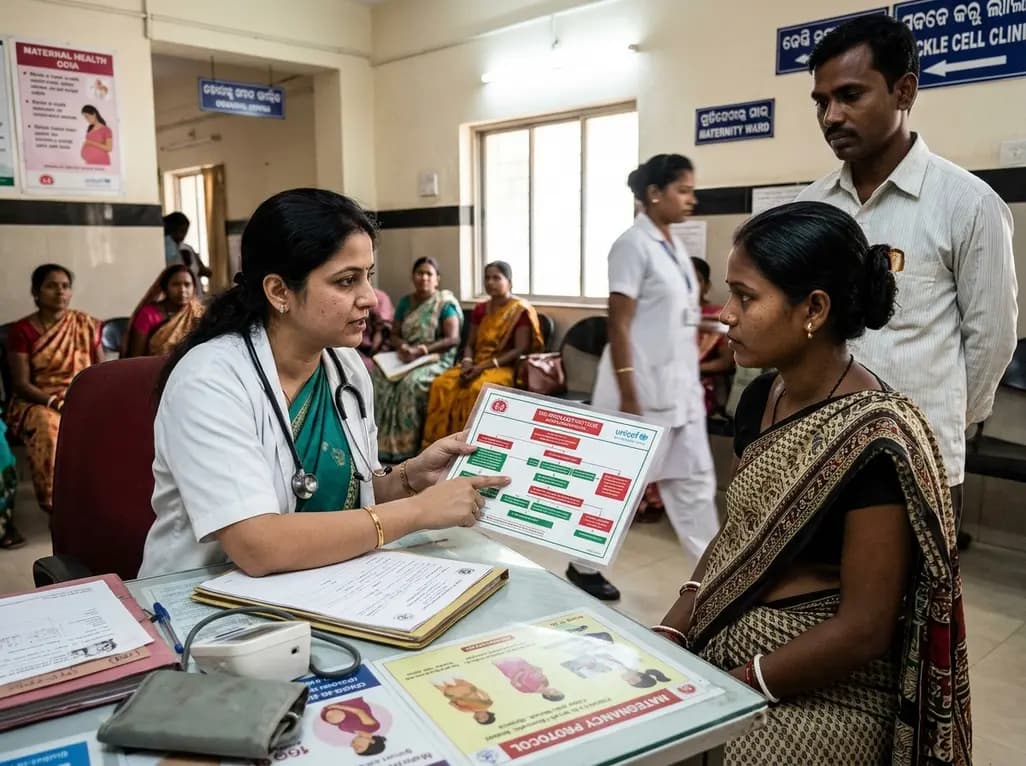
Odisha has established India's first state-level clinical protocol specifically tailored for pregnant women with sickle cell disease. Developed with NHM and UNICEF, the framework provides structured antenatal screening, crisis mitigation, standardized referral pathways, and specialized interdisciplinary care.
Today

India is advancing preventive healthcare by integrating genomics, artificial intelligence, and quantum technologies. With the SANGAM programme sequencing one million Indian genomes, clinicians can unlock personalized therapies, detect cardiometabolic risks early, and curb the burden of diabetes and heart disease.
Today
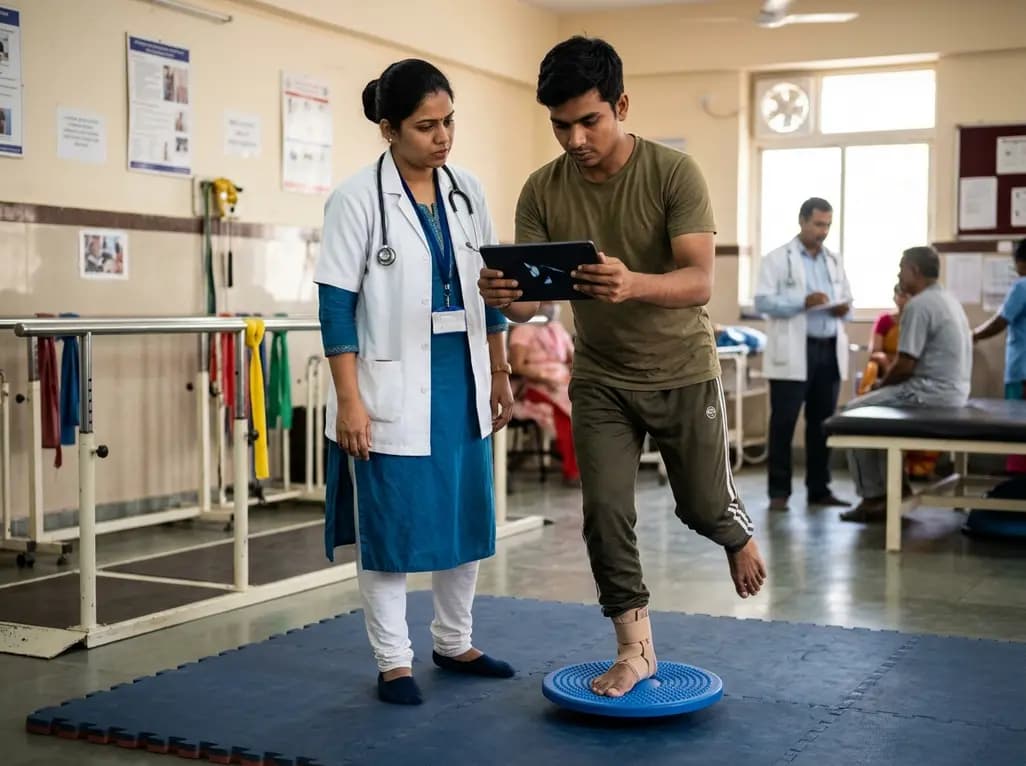
A randomized controlled trial demonstrates that an eight-week dual-task training intervention significantly improves static and dynamic postural control over standard balance exercises in individuals with chronic ankle instability, addressing critical neurocognitive deficits during athletic and daily activities.
Today

A retrospective cohort study of 7,716 ICU patients from the MIMIC-IV database demonstrates that Gradient Boosting Decision Trees significantly outperform traditional SOFA scores in predicting in-hospital mortality among patients with sepsis and diabetes, with SHAP analysis providing clinical interpretability.
Today
