.webp&w=384&q=75)

Loading, please wait...
Loading, please wait...
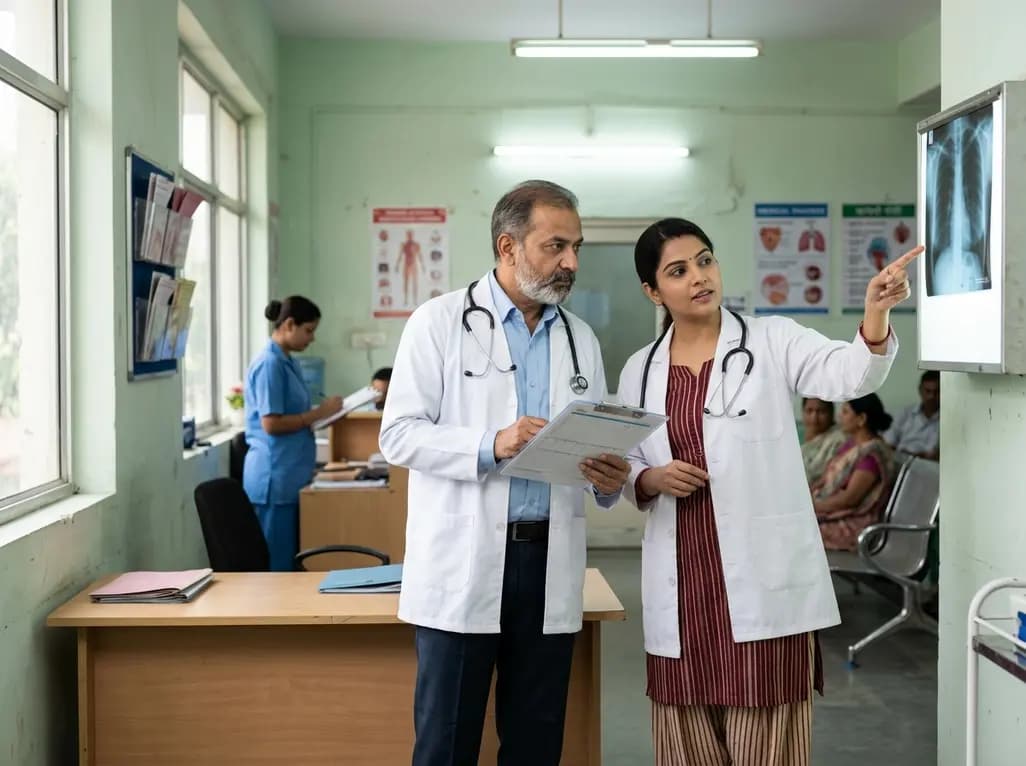
Understanding the long-term outcomes of surgically treated knee injuries is essential for orthopedic surgeons and sports medicine specialists. While surgical intervention often aims to restore joint stability and function, it does not entirely eliminate the risk of degenerative changes. Recent evidence from a Finnish nationwide register-based study highlights a significant association between prior knee surgery and the eventual need for knee arthroplasty (KA). This relationship is particularly critical given the rising incidence of sports-related injuries and road traffic accidents globally. Consequently, clinicians must evaluate how initial surgical trauma influences joint longevity. The study analyzed decades of data to determine if specific types of knee surgeries, whether for fractures or soft-tissue injuries, predispose individuals to end-stage osteoarthritis. By identifying these high-risk cohorts, medical professionals can better counsel patients regarding their future joint health and the potential necessity of total knee replacement. Furthermore, this research underscores the importance of biological joint preservation in the management of acute trauma. As we delve into the findings, it becomes clear that the impact of a surgical event extends far beyond the immediate recovery period. Therefore, a comprehensive understanding of these risks is vital for optimizing long-term patient care strategies in orthopedics.
The Finnish study utilized extensive nationwide data to quantify the risk of knee arthroplasty following various surgical interventions. By tracking over 3 million person-years for non-fracture injuries and nearly 500,000 for fracture surgeries, researchers established a clear trend. Specifically, the results showed that surgically treated knee injuries are associated with a substantial increase in the incidence of end-stage knee osteoarthritis. The researchers employed standardized incidence ratios (SIRs) to compare the injury cohorts with a control population of Finnish residents. For individuals who underwent surgery for non-fracture knee injuries, such as ligamentous or meniscal repairs, the SIR was 3.74. This indicates that these patients were nearly four times more likely to require a knee arthroplasty than their healthy counterparts. In contrast, those undergoing surgery for knee fractures had an SIR of 2.08. While both groups showed an elevated risk, the higher ratio in the non-fracture group suggests that soft-tissue injuries may lead to progressive joint instability or cartilage wear over time. These findings are particularly relevant for clinicians managing athletic populations, as even successful repairs may not fully halt the degenerative process. Moreover, the massive scale of this register-based data provides high statistical power, making these conclusions robust for clinical application.
One of the most striking findings of the research relates to the age of the patient at the time of the initial surgery. The excess risk of undergoing a knee arthroplasty was most pronounced in the youngest age group, specifically those between 15 and 54 years. For these individuals, surgically treated knee injuries involving fractures resulted in an alarming SIR of 8.12. This means young patients with a history of knee fracture surgery were eight times more likely to face a knee replacement later in life. Similarly, the non-fracture group in this age bracket showed an SIR of 6.05. This disparity between age groups occurs because the baseline incidence of knee arthroplasty is naturally low in younger individuals. Consequently, a traumatic injury serves as a massive catalyst for early-onset osteoarthritis. Conversely, in older populations, the additional effect of a surgical injury appeared smaller. This is likely because the baseline risk of degenerative arthritis already increases significantly with age, masking the relative impact of the trauma. Therefore, surgeons must prioritize joint-preserving techniques and intensive rehabilitation for younger patients to delay the progression to arthroplasty. These age-specific insights are crucial for setting realistic expectations during patient counseling and long-term monitoring.
The progression from surgical intervention to knee arthroplasty is largely driven by the development of post-traumatic osteoarthritis (PTOA). When surgically treated knee injuries occur, the joint often suffers from immediate chondral damage, subchondral bone changes, and intra-articular inflammation. Even with meticulous surgical reconstruction, the original biomechanics of the knee are frequently altered. For instance, a meniscal tear or an anterior cruciate ligament (ACL) injury can lead to abnormal loading patterns that accelerate cartilage wear. Furthermore, the presence of metal hardware from fracture fixation or the scar tissue from multiple surgeries can contribute to joint stiffness and altered kinematics. These factors collectively create a pro-degenerative environment within the synovial fluid. Additionally, the initial trauma often triggers a cascade of inflammatory cytokines that persist long after the surgical wound has healed. Over several decades, these chronic stressors lead to the erosion of the joint surface, necessitating a total knee replacement. Understanding these underlying mechanisms allows clinicians to consider adjuvant therapies, such as anti-inflammatory protocols or specialized physiotherapy, to mitigate the risk. Ultimately, the goal is to shift the focus from merely repairing the injury to actively protecting the biological integrity of the knee joint over the patient's lifetime.
For surgeons, these findings necessitate a nuanced approach to managing surgically treated knee injuries. The high SIRs reported in the Finnish study suggest that a history of surgery is a definitive risk factor that must be documented in every orthopedic evaluation. Specifically, when a patient presents with knee pain years after an initial procedure, the clinician should have a high index of suspicion for advanced PTOA. Furthermore, the data supports the argument for exploring non-operative management where appropriate, or utilizing the most biological, least invasive surgical techniques available. In the Indian context, where the burden of traumatic injuries is high, these insights are particularly valuable for resource allocation and patient education. Patients who understand that their surgery might lead to a future knee replacement are often more compliant with rehabilitation and lifestyle modifications. Moreover, the study highlights that fracture-related surgeries in the young have the most significant relative impact. Therefore, achieving anatomical reduction and stable fixation is paramount to delaying the onset of arthroplasty. Clinicians should also encourage weight management and low-impact activities to reduce the mechanical stress on a previously operated joint. By integrating these strategies, we can improve the quality of life for patients and potentially reduce the long-term societal burden of knee replacements.
To effectively lower the incidence of knee arthroplasty after surgically treated knee injuries, a multi-faceted prevention strategy is required. This begins with the initial management of the trauma, where the primary goal should be the restoration of joint stability and surface congruity. However, surgical success is only the first step. Long-term joint preservation depends on sustained muscle strength, proper proprioception, and the avoidance of secondary injuries. Consequently, extended physiotherapy and regular follow-ups are essential, even if the patient is initially asymptomatic. Furthermore, advancements in orthobiologics, such as platelet-rich plasma or mesenchymal stem cell therapies, may offer future pathways to enhance cartilage repair and reduce intra-articular inflammation. Additionally, public health initiatives focusing on accident prevention and sports safety can reduce the overall number of primary knee injuries. In contrast to reactive treatments, proactive joint health management can significantly delay the transition to end-stage osteoarthritis. Therefore, the medical community must foster a culture of lifelong joint care for anyone who has undergone a knee procedure. In conclusion, while surgery is often necessary to restore immediate function, we must remain vigilant about its long-term consequences. By focusing on both mechanical and biological preservation, we can strive to decrease the high SIRs observed in recent registry data and preserve natural joint function for as long as possible.
The standardized incidence ratio (SIR) is a statistical measure used to compare the incidence of a specific event, like knee arthroplasty, between an exposed group and the general population. In this study, an SIR of 3.74 for non-fracture surgeries means that these patients were 3.74 times more likely to require a knee replacement than individuals without such a history. This provides a clear quantitative indicator of how much a previous surgery increases long-term risk.
Interestingly, the study found that non-fracture injury surgeries had a higher overall SIR (3.74) compared to fracture surgeries (2.08). This suggests that soft-tissue injuries, such as ligament or meniscal tears, may lead to more profound long-term joint instability or chronic degenerative changes than some fractures. However, among younger patients (15-54 years), the risk associated with fracture surgery was exceptionally high, reaching an SIR of 8.12, indicating a severe impact on younger joint health.
Younger patients have a much higher relative risk because the baseline incidence of knee arthroplasty in healthy individuals aged 15-54 is extremely low. Therefore, when a surgical injury occurs, it dramatically increases the likelihood of early-onset osteoarthritis relative to their peers. In older age groups, the baseline risk of arthritis is already elevated due to natural aging, which makes the additional impact of a previous surgical injury appear statistically smaller in comparison.
Disclaimer: This content is for informational and educational purposes only and does not constitute professional medical advice, diagnosis, or treatment. Always seek the advice of your physician or other qualified health provider with any questions you may have regarding a medical condition. Never disregard professional medical advice or delay in seeking it because of something you have read here. Refer to the latest local and national guidelines for clinical practice.
References
Heikkilä O et al. Association between surgically treated knee injury and knee arthroplasty: an explorative study based on Finnish nationwide register-based data. Acta Orthop. 2026 Jul 02. doi: 10.2340/17453674.2026.46170. PMID: 42389890.
Abram SGF et al. Rates of knee arthroplasty in anterior cruciate ligament reconstructed patients: a longitudinal cohort study of 111,212 procedures over 20 years. Acta Orthop. 2019 Dec;90(6):568-74.
Olsen AA et al. Posttraumatic Arthritis Is More Common in Patients Undergoing Total Knee Arthroplasty Before Age 50. J Surg Orthop Adv. 2024 Summer;33(2):72-76.
",
Read summarized clinical updates, watch expert medical content, and earn CME certifications right from your smartphone.
Open your smartphone camera to scan and install.





A Finnish nationwide study shows that surgically treated knee injuries significantly increase the long-term risk of knee arthroplasty. This risk is most pronounced in patients aged 15-54, where fracture-related surgeries carry an eight-fold higher risk compared to the general population.
3 months ago

A retrospective cohort study of 7,716 ICU patients from the MIMIC-IV database demonstrates that Gradient Boosting Decision Trees significantly outperform traditional SOFA scores in predicting in-hospital mortality among patients with sepsis and diabetes, with SHAP analysis providing clinical interpretability.
Today
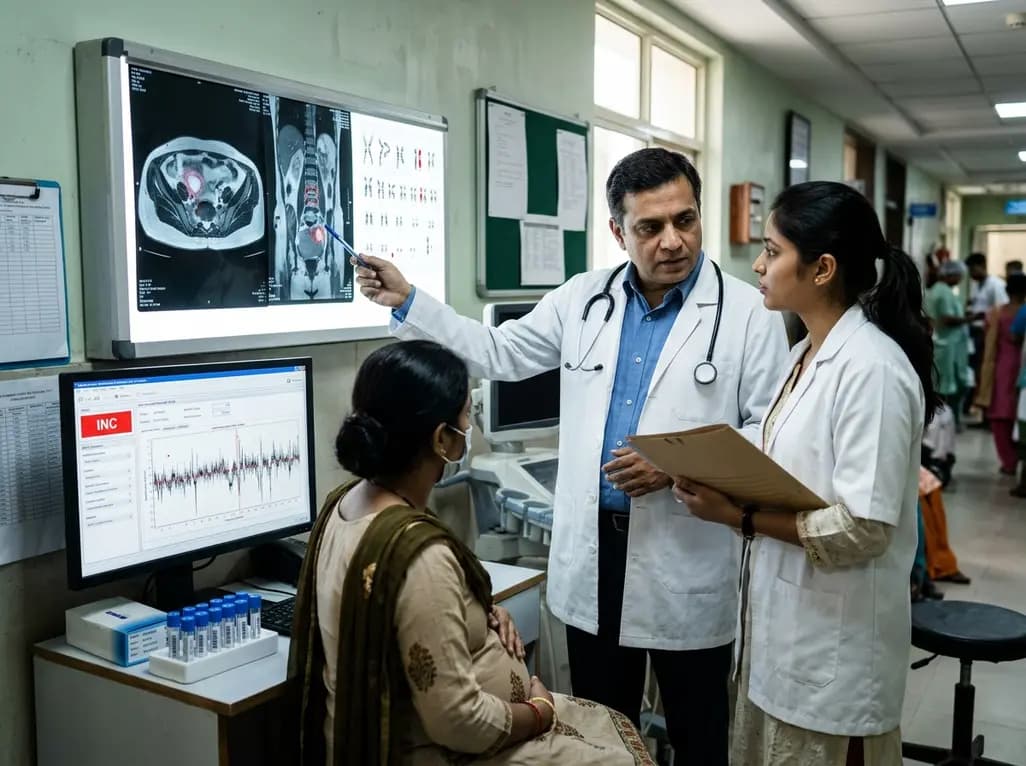
Occult maternal malignancy accounts for 3.82% of persistent unreportable NIPT results with genomic noise. Multiple chromosomal aberrations, notably on chromosome 18, warrant thorough oncological evaluation and whole-body MRI to ensure timely maternal diagnosis while preserving fetal care.
Today
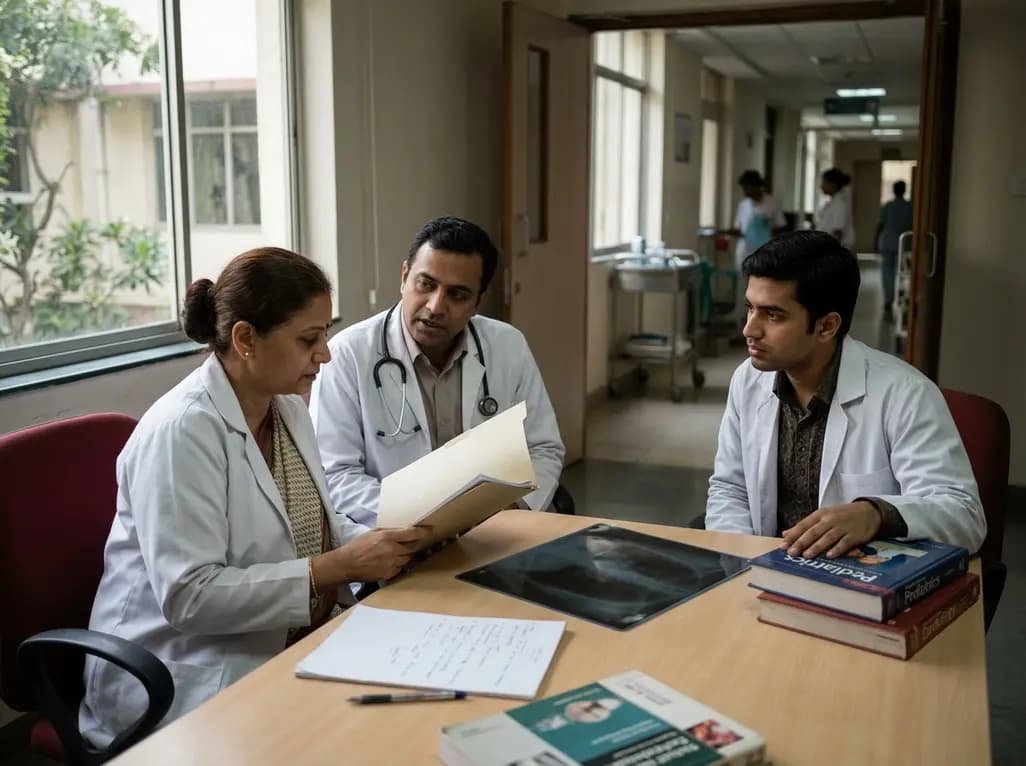
This article reviews the forensic and clinical complexities of acute myocarditis arising on left ventricular hypertrophy in children, highlighting early diagnostic red flags and multidisciplinary postmortem autopsy protocols.
Today

This comparative study evaluates posterior labral tears with and without glenohumeral instability, highlighting distinct demographic patterns, MRI underestimation in stable shoulders, and successful arthroscopic repair outcomes.
Yesterday

A clinical study demonstrates that early intervention with tocilizumab, either as monotherapy or bridged with corticosteroids, achieves significant proptosis reduction and resolves active inflammation in treatment-naive thyroid eye disease.
Yesterday
