.webp&w=384&q=75)

Loading, please wait...
Loading, please wait...
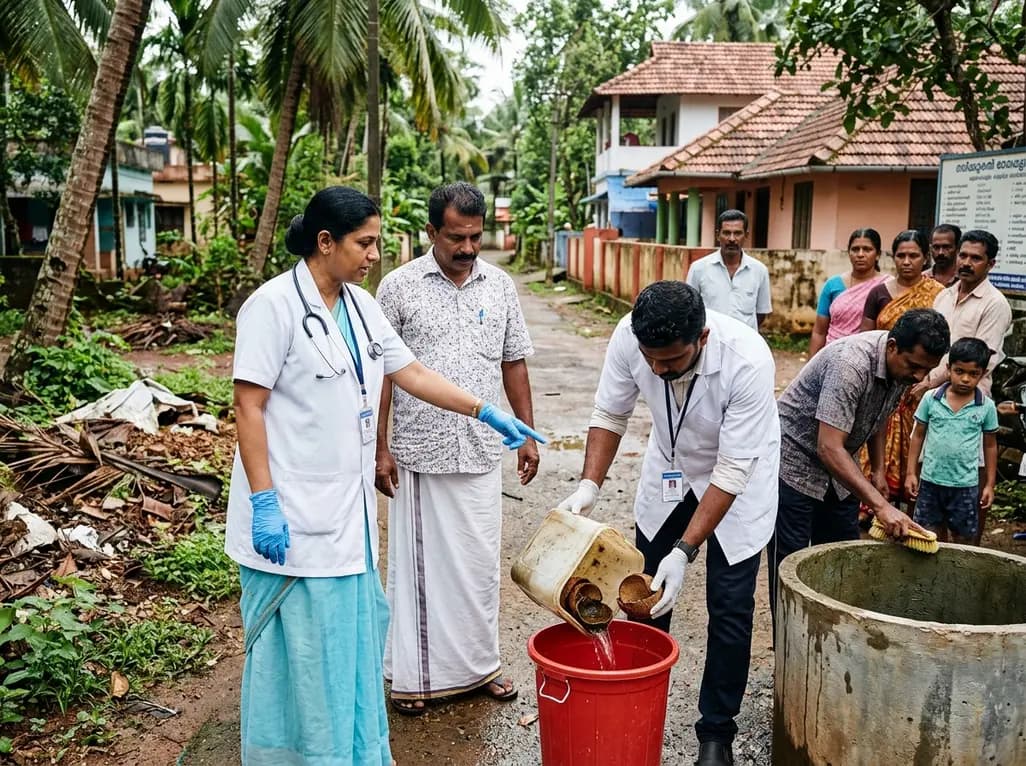
Recent epidemiological shifts in southern India highlight the urgent necessity for robust communicable disease prevention. Intermittent rainfall and humidity often accelerate vector proliferation across both urban and rural settlements. Consequently, the Kerala government has launched intensive public health directives to counter escalating arboviral transmissions. Furthermore, by uniting administrative leadership and medical professionals, the state aims to protect vulnerable populations effectively. Therefore, healthcare providers across all tiers must recognize these strategic interventions to streamline clinical outcomes and community wellness.
To establish effective governance, the health administration has formed district coordination committees under the direct oversight of District Collectors. Therefore, administrative leaders can allocate municipal resources swiftly to contain local disease clusters. Furthermore, ward-level committees bridge the gap between administrative officials and community members. These grassroots bodies integrate elected panchayat members, municipal councillors, resident associations, and field health workers. Consequently, field surveillance teams can identify high-risk domestic clusters before widespread community transmission occurs. Health authorities actively evaluate sanitation deficits that promote vector proliferation in densely populated wards. Additionally, public health officers coordinate routine interdepartmental meetings with local self-government authorities to monitor high-risk zones. This operational hierarchy facilitates seamless communication between civic administrators and frontline healthcare workers. As a result, epidemiological tracking remains accurate and prompt during sudden monsoon surges. District Medical Officers and programme managers review daily field activities to preserve operational momentum. Moreover, rapid response teams resolve localized waste accumulation and drain blockages without regulatory delays. Ultimately, this multi-layered administrative framework ensures that localized containment efforts receive immediate logistical reinforcement. Hence, community healthcare workers obtain essential vector surveillance supplies in a timely manner.
A core pillar of communicable disease prevention involves targeted entomological management and strict vector source reduction. Intermittent seasonal rains frequently create stagnant water reservoirs in artificial containers, tree hollows, and residential terraces. Because Aedes mosquitoes exploit these freshwater collections, health authorities have instituted an intensive Dry Day schedule. Specifically, educational institutions observe Dry Day on Fridays to eliminate indoor and outdoor breeding habitats. Similarly, commercial offices and government workplaces clear potential water stagnation points on Saturdays. Families then conduct dedicated source reduction within their homes and domestic gardens on Sundays. In addition, field workers inspect refrigeration drip trays, decorative plant pots, and ornamental vases. Public health teams distribute biological larvicides and introduce larvivorous fish in open wells or perennial ponds. However, environmental sanitation requires sustained civic participation rather than sporadic clean-up drives. Health educators visit neighborhoods to demonstrate proper container cleaning techniques to local residents. Consequently, community members develop lasting habits that suppress larval density over prolonged periods. Through these coordinated civic routines, vector populations decline significantly across residential pockets. Furthermore, local sanitation workers apply chemical larvicides to inaccessible construction sites and storm drains. Thus, integrated vector control interrupts the mosquito reproductive cycle at every critical life stage.
Primary clinical access remains crucial during seasonal surges of acute febrile illnesses. Therefore, the Health Department has directed the expansion and decentralization of localized fever clinics. These specialized outpatient units evaluate symptomatic patients and screen for severe viral infections promptly. In addition, existing clinics in high-incidence zones will receive supplemental medical personnel and essential laboratory diagnostic supplies. Healthcare professionals utilize standardized triage protocols to distinguish self-limiting viral fevers from complicated vector-borne diseases. For instance, staff members assess vital parameters, fluid balance, and critical warning signs during initial clinical consultations. Furthermore, authorities plan to launch new temporary fever stations in rural and underserved localities. By decentralizing diagnostic triage, health services prevent emergency departments at secondary and tertiary hospitals from becoming overwhelmed. State health leadership regularly convenes meetings with medical superintendents to evaluate inpatient bed capacities and drug inventories. Consequently, primary treatment centers maintain adequate supplies of intravenous fluids, antipyretics, and blood collection vials. Moreover, rapid diagnostic kits allow clinicians to identify dengue NS1 antigen within hours of symptom onset. Thus, timely triage accelerates patient stabilization before severe vascular leakage or profound shock develops. Ultimately, well-resourced fever clinics establish an effective clinical buffer against overwhelming seasonal epidemics.
Differentiating acute arboviral infections requires thorough clinical acumen and systematic laboratory evaluation. Dengue virus infection typically presents with high-grade pyrexia, retro-orbital pain, severe myalgia, and transient maculopapular rash. However, clinicians must vigilantly monitor patients for the critical phase, which begins as defervescence occurs. During this phase, plasma leakage can cause hemoconcentration, ascites, pleural effusion, and hypovolemic shock. Therefore, physicians should order daily complete blood counts to track hematocrit levels and progressive thrombocytopenia. In contrast, chikungunya virus causes intense, debilitating polyarthralgia that predominantly affects small peripheral joints. While chikungunya rarely triggers plasma leakage, severe joint stiffness can persist for months after the acute viremic phase resolves. Additionally, coinfections can arise in areas where Aedes mosquitoes transmit both pathogens simultaneously. Clinicians must advise patients against using non-steroidal anti-inflammatory drugs or aspirin because these agents heighten bleeding risks. Instead, paracetamol remains the preferred antipyretic for symptomatic temperature reduction. Early diagnostic testing with IgM serology or molecular PCR testing clarifies ambiguous clinical presentations. Consequently, precise diagnosis guides appropriate clinical observation and protects patients from preventable complications. Furthermore, clinicians must provide comprehensive counseling on red flag indicators like persistent vomiting and mucosal bleeding. In doing so, physicians empower families to seek urgent medical intervention if clinical deterioration occurs.
Effective public health responses depend on proactive planning rather than retrospective emergency reactions. Consequently, the state health framework organizes vector control operations according to a structured epidemic calendar. This calendar aligns preventive interventions with historical transmission peaks and anticipated meteorological shifts. Because monsoon precipitation triggers predictable entomological spikes, municipal teams initiate pre-monsoon larvicidal treatments well in advance. Moreover, the Health Department collaborates closely with the Local Self-Government Department to coordinate urban drainage and solid waste collection. Discarded plastic containers, discarded automobile tires, and uncollected coconut shells represent hazardous micro-environments for larval development. Therefore, municipal sanitation drives systematically remove environmental debris from public parks and roadside ditches. High-level advisory committees, including academic researchers and infectious disease specialists, review regional surveillance data weekly. Furthermore, medical colleges provide technical guidance on evolving antimicrobial resistance patterns and emerging viral serotypes. Meanwhile, public awareness campaigns disseminate educational materials through radio, regional television, and digital platforms. Thus, institutional collaboration fosters a cohesive defensive barrier against widespread arboviral outbreaks. When administrative bodies and healthcare systems unite, communities achieve long-term resilience against vector-borne pathogens. Additionally, dedicated surveillance officers continuously track atypical pathogen clusters to avert secondary outbreaks. Ultimately, structured multi-sectoral convergence converts public health policies into sustainable, lifesaving community practices.
Q1: Why has the state implemented designated Dry Days across different sectors?
The structured schedule coordinates source reduction across educational institutions, commercial establishments, and residential homes. Staggering these interventions on Fridays for schools, Saturdays for offices, and Sundays for homes ensures comprehensive coverage across the state. Consequently, this systematic routine prevents vector breeding in neglected water vessels. Therefore, it directly disrupts the reproductive cycle of Aedes mosquitoes, which breed primarily in artificial domestic containers holding stagnant rainwater.
Q2: What clinical indicators require urgent hospital admission in suspected dengue cases?
Physicians must hospitalize patients presenting with warning signs that signal impending plasma leakage or vascular collapse. These critical indicators include severe abdominal pain, persistent vomiting, mucosal bleeding, clinical fluid accumulation, and marked lethargy or restlessness. Furthermore, laboratory evidence of a rapid rise in hematocrit concurrent with a sharp decrease in platelet count indicates plasma extravasation. Therefore, clinicians must initiate aggressive intravenous fluid monitoring to prevent hypovolemic shock.
Q3: How do specialized fever clinics improve public health outcomes during monsoon surges?
Fever clinics function as decentralized outpatient triage stations that evaluate symptomatic patients within their local neighborhoods. By conducting rapid diagnostic evaluations and early clinical risk stratification, these facilities identify severe infections promptly. In addition, they provide immediate supportive therapy, hydration instructions, and close outpatient monitoring for mild cases. Consequently, these specialized centers alleviate patient congestion at secondary and tertiary hospital emergency departments, ensuring that intensive care beds remain accessible for critically ill patients.
Disclaimer: This content is for informational and educational purposes only. It does not constitute medical advice or replace professional judgment. Refer to the latest local and national guidelines for clinical practice.
References

Read summarized clinical updates, watch expert medical content, and earn CME certifications right from your smartphone.
Open your smartphone camera to scan and install.





To curb the transmission of dengue and chikungunya following intermittent rains, the Kerala government has mobilized collector-led coordination committees, enhanced fever clinics, and instituted structured Dry Day source reduction campaigns across educational institutions, workplaces, and local communities.
Today
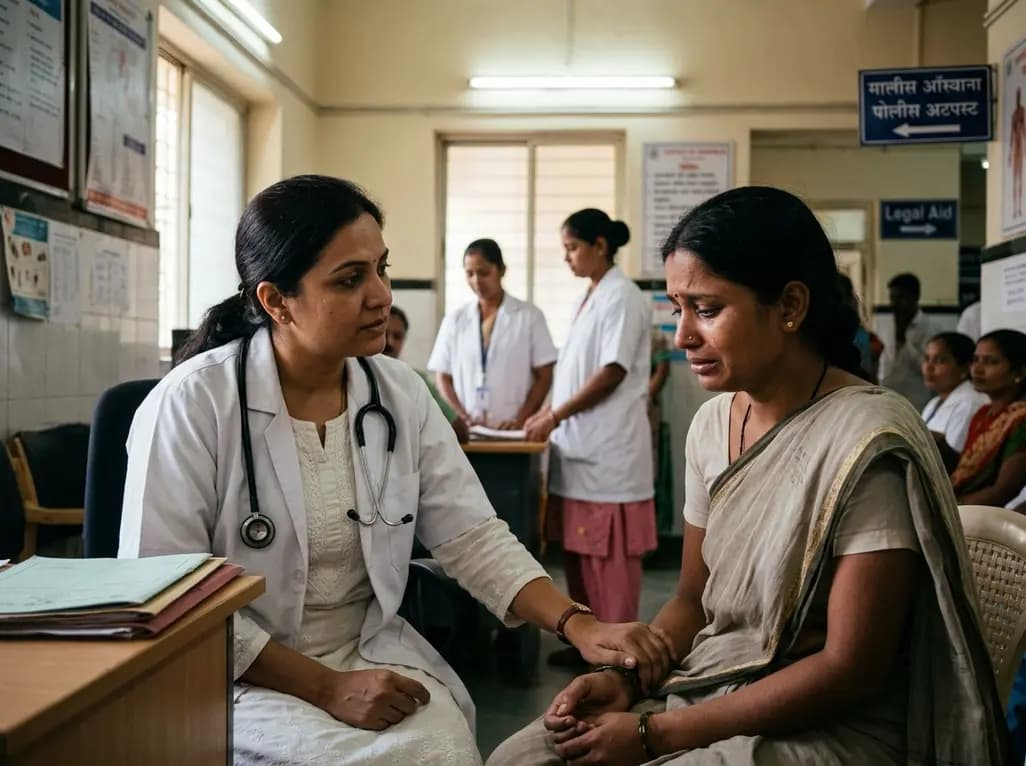
A recent qualitative study evaluates institutional gaps across health, police, and justice sectors in supporting survivors of intimate partner violence. Healthcare providers must bridge procedural fragmentation with empathetic, trauma-informed care and cross-sector coordination to safeguard vulnerable patients.
Today
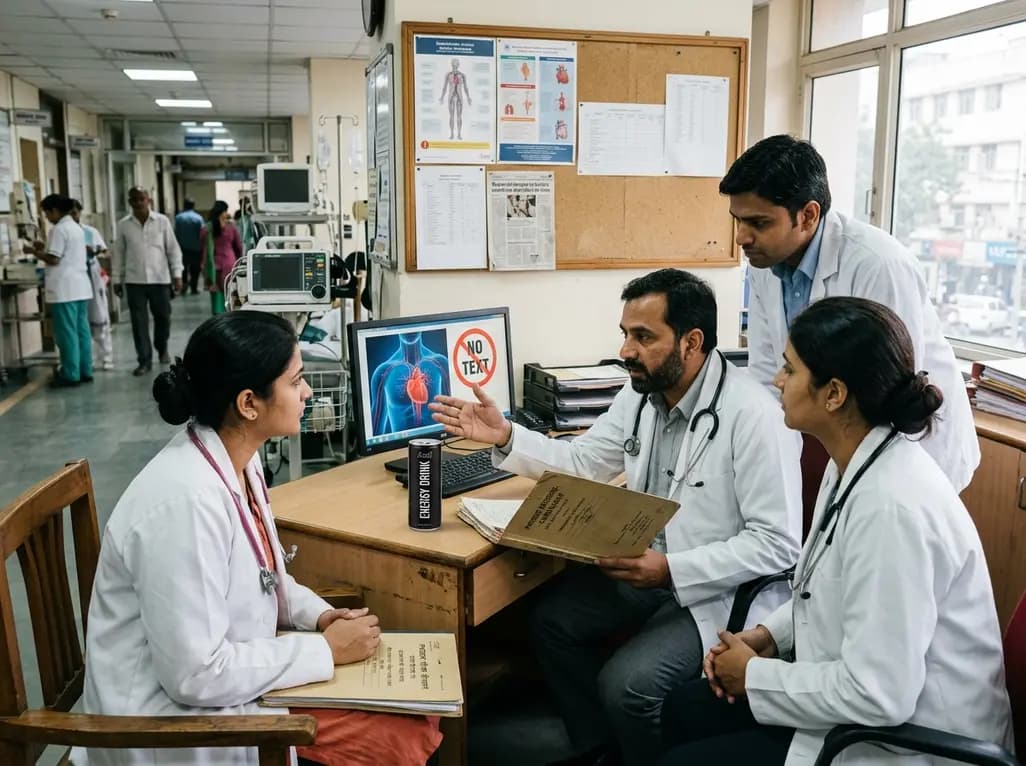
The Delhi High Court recently quashed an FSSAI order requiring beverage manufacturers to remove the term 'energy' from product labels without due process. This development brings renewed clinical focus to beverage terminology, consumer safety limits, cardiovascular strain, and youth dietary habits across India.
Today
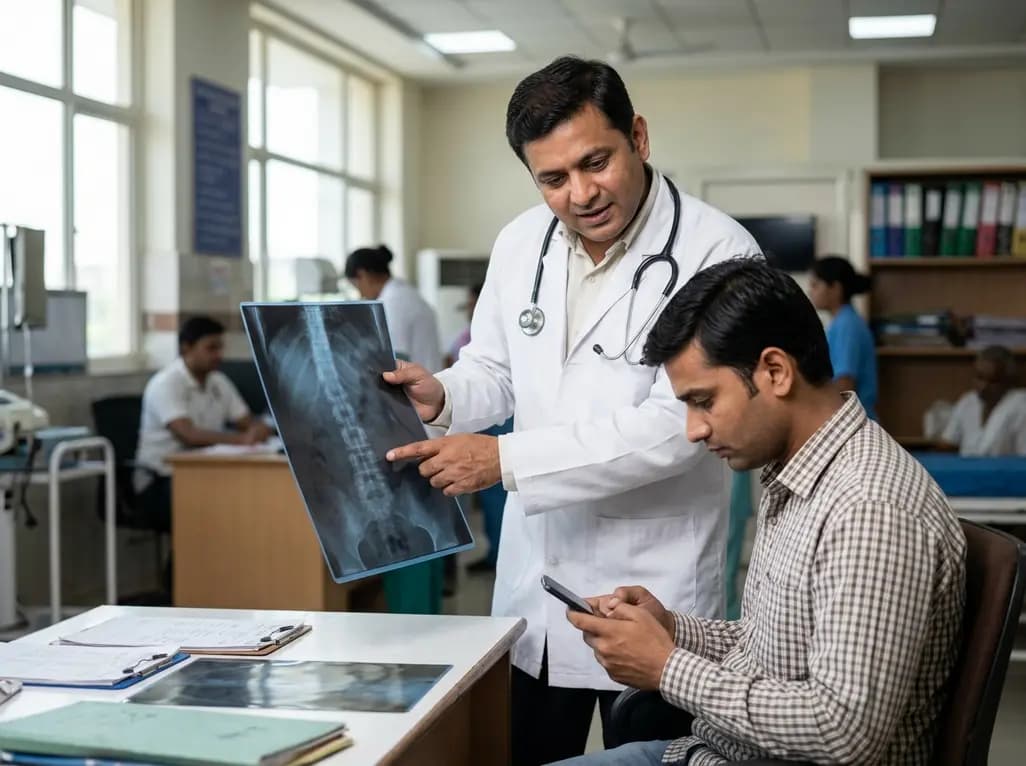
A cross-sectional study reveals a strong positive correlation between problematic internet use and kinesiophobia in adults aged 18-45 with non-specific low back pain, highlighting how digital overuse reinforces movement fear and complicates musculoskeletal recovery.
Today
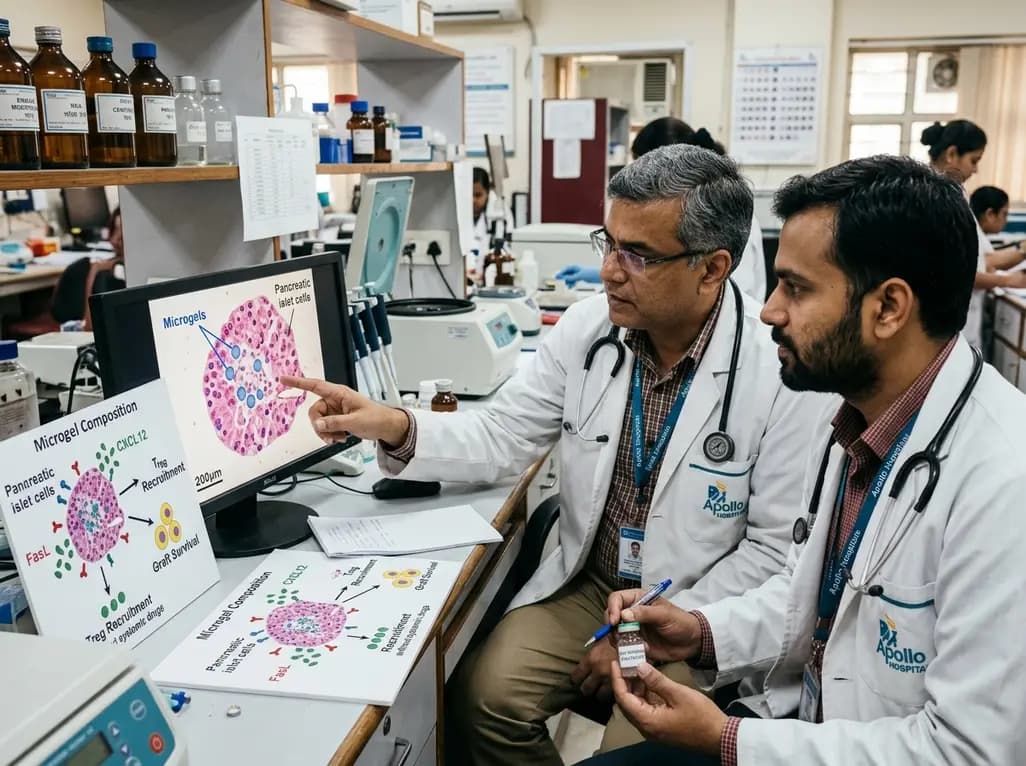
A novel microgel platform presenting FasL and protease-resistant CXCL12 enables sustained allogeneic islet survival and glycemic control without systemic immunosuppression, enhancing local Treg recruitment and graft revascularization.
Today
