

Loading, please wait...
Loading, please wait...

The audit highlights a direct correlation between rising subsidies and budget cuts in social sectors. Specifically, the state reduced funds for nutrition programs and assistance to local bodies. Furthermore, rural development projects through gram panchayats saw decreased financial support. These cuts occurred because the state prioritized five major guarantee schemes. These programs, including 'Shakti' and 'Gruha Lakshmi', required an expenditure of Rs 52,525 crore. This amount represents roughly 20 percent of the state's total revenue receipts. Therefore, the mismatch between high expenditure and stable revenue growth created a fiscal strain.
The CAG warns that implementing these schemes without rationalization may harm future growth. Currently, revenue expenditure grows faster than revenue receipts. While revenue grew by 10.63 percent, expenditure surged by 14.99 percent. Consequently, the state relied heavily on market borrowings to bridge the gap. The fiscal deficit rose to Rs 85,030 crore in 2024-25. Additionally, increased borrowing leads to higher debt servicing obligations. This financial cycle might crowd out essential capital expenditure for infrastructure. Ultimately, the report suggests a need for better targeting of financial assistance.
Q1: Which specific areas faced budget cuts according to the CAG report?
The report states that the government reduced funds for nutrition, assistance to local bodies, urban development authorities, and rural development programs in gram panchayats.
Q2: How much did the Karnataka government spend on the five guarantee schemes?
The state spent approximately Rs 52,525 crore on these schemes in the 2024-25 fiscal year, which accounted for 27 percent of its own revenue.
Disclaimer: This content is for informational and educational purposes only. It does not constitute medical advice or replace professional judgment. Refer to the latest local and national guidelines for clinical practice.
References

Read summarized clinical updates, watch expert medical content, and earn CME certifications right from your smartphone.
Open your smartphone camera to scan and install.





The CAG report reveals Karnataka cut nutrition and rural development funds to finance guarantee schemes, leading to a rising fiscal deficit and debt risks....
6 months ago
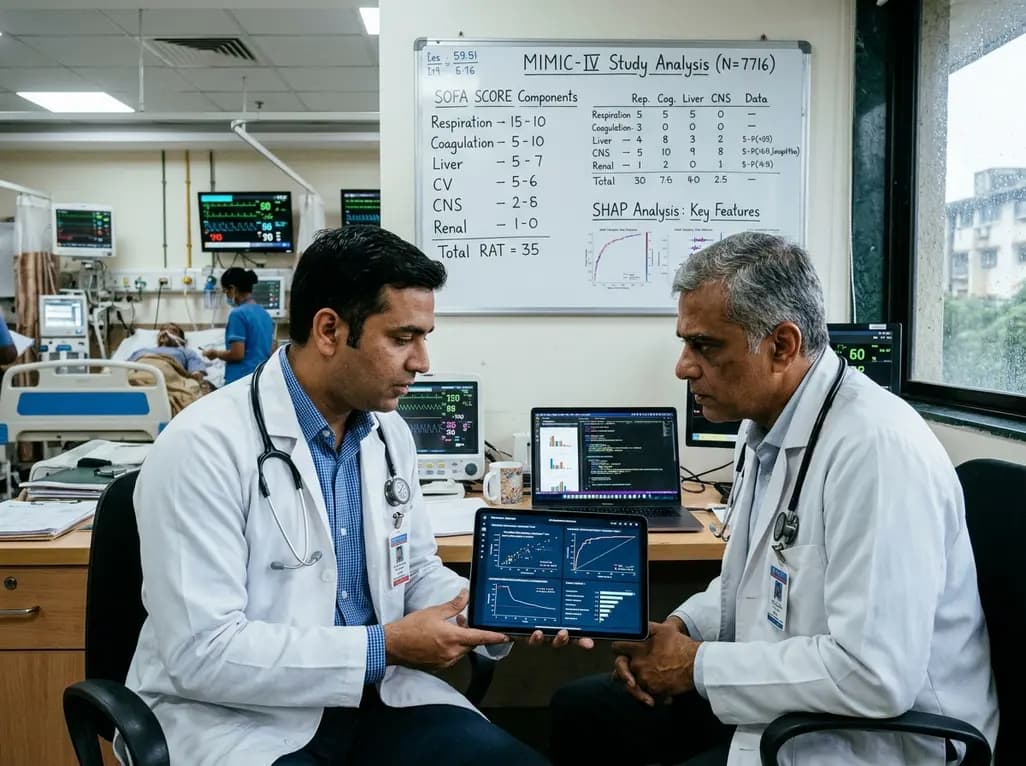
A retrospective cohort study of 7,716 ICU patients from the MIMIC-IV database demonstrates that Gradient Boosting Decision Trees significantly outperform traditional SOFA scores in predicting in-hospital mortality among patients with sepsis and diabetes, with SHAP analysis providing clinical interpretability.
Today
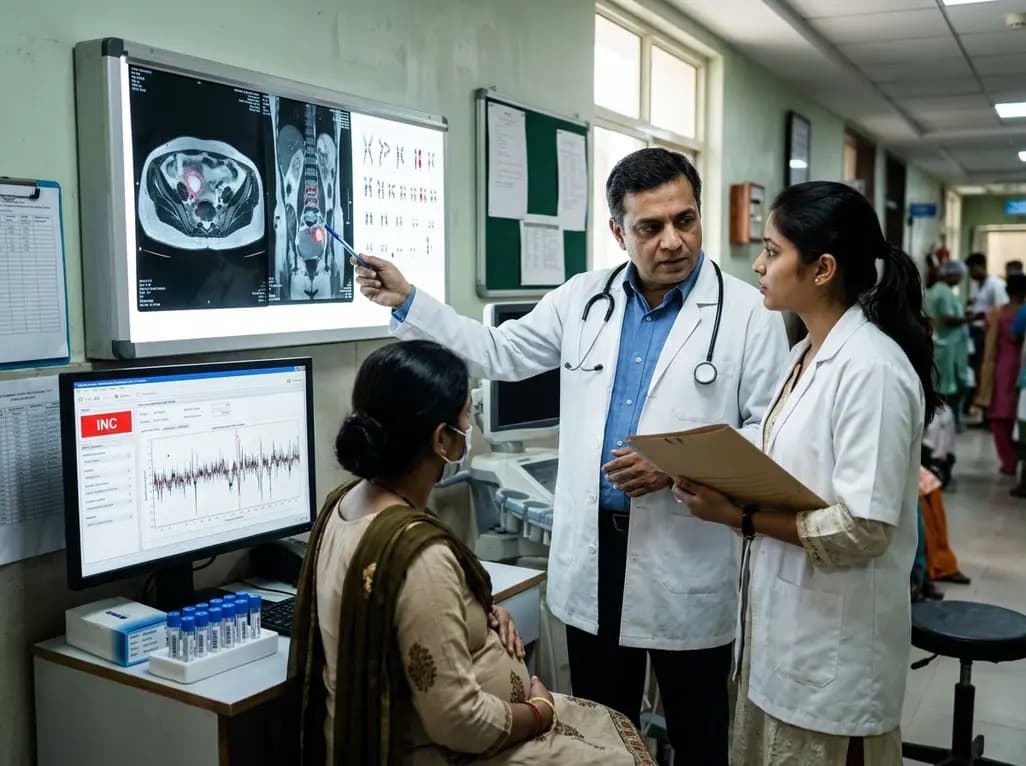
Occult maternal malignancy accounts for 3.82% of persistent unreportable NIPT results with genomic noise. Multiple chromosomal aberrations, notably on chromosome 18, warrant thorough oncological evaluation and whole-body MRI to ensure timely maternal diagnosis while preserving fetal care.
Today
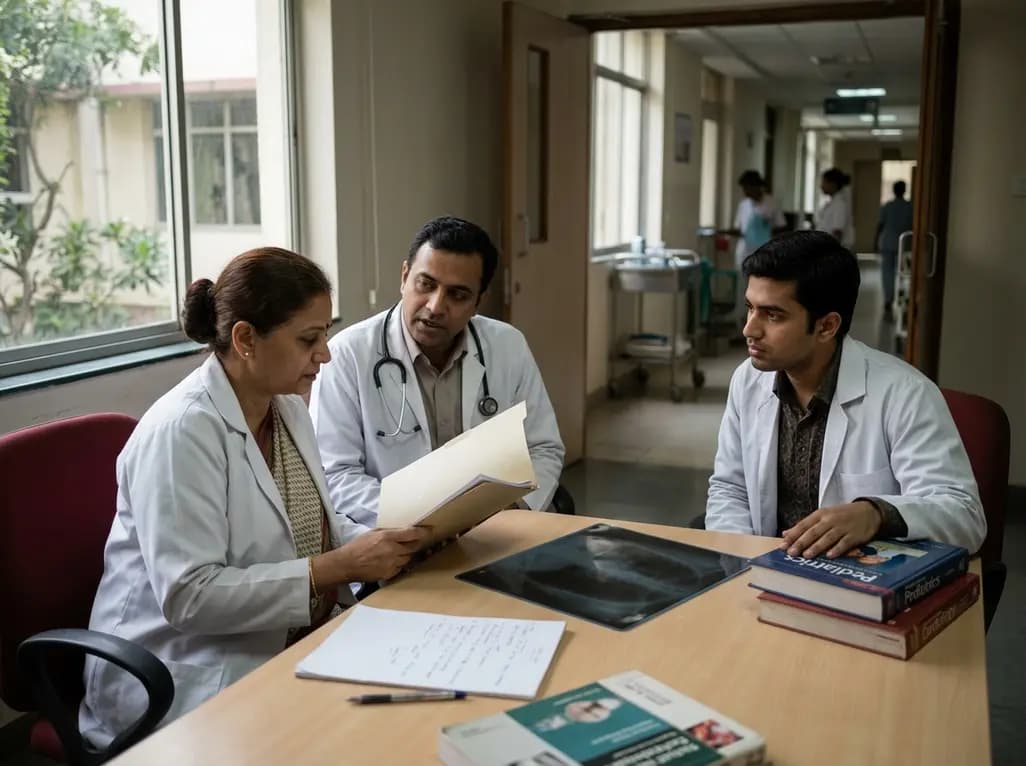
This article reviews the forensic and clinical complexities of acute myocarditis arising on left ventricular hypertrophy in children, highlighting early diagnostic red flags and multidisciplinary postmortem autopsy protocols.
Today
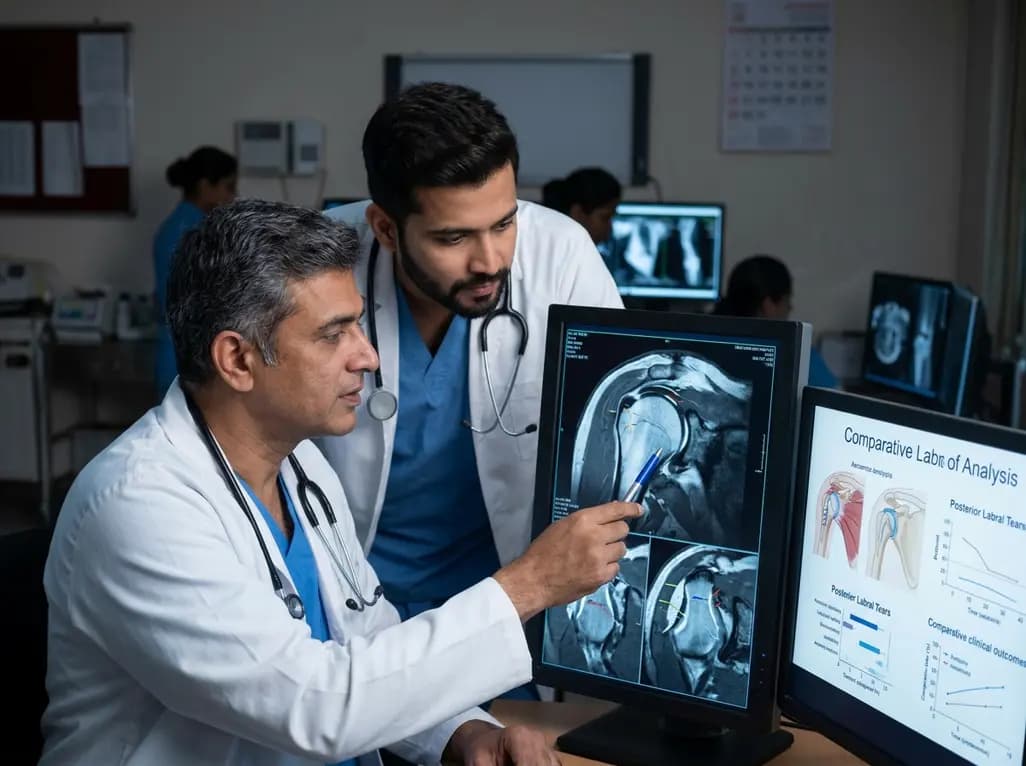
This comparative study evaluates posterior labral tears with and without glenohumeral instability, highlighting distinct demographic patterns, MRI underestimation in stable shoulders, and successful arthroscopic repair outcomes.
Yesterday
A clinical study demonstrates that early intervention with tocilizumab, either as monotherapy or bridged with corticosteroids, achieves significant proptosis reduction and resolves active inflammation in treatment-naive thyroid eye disease.
Yesterday
