.webp&w=384&q=75)

Loading, please wait...
Loading, please wait...
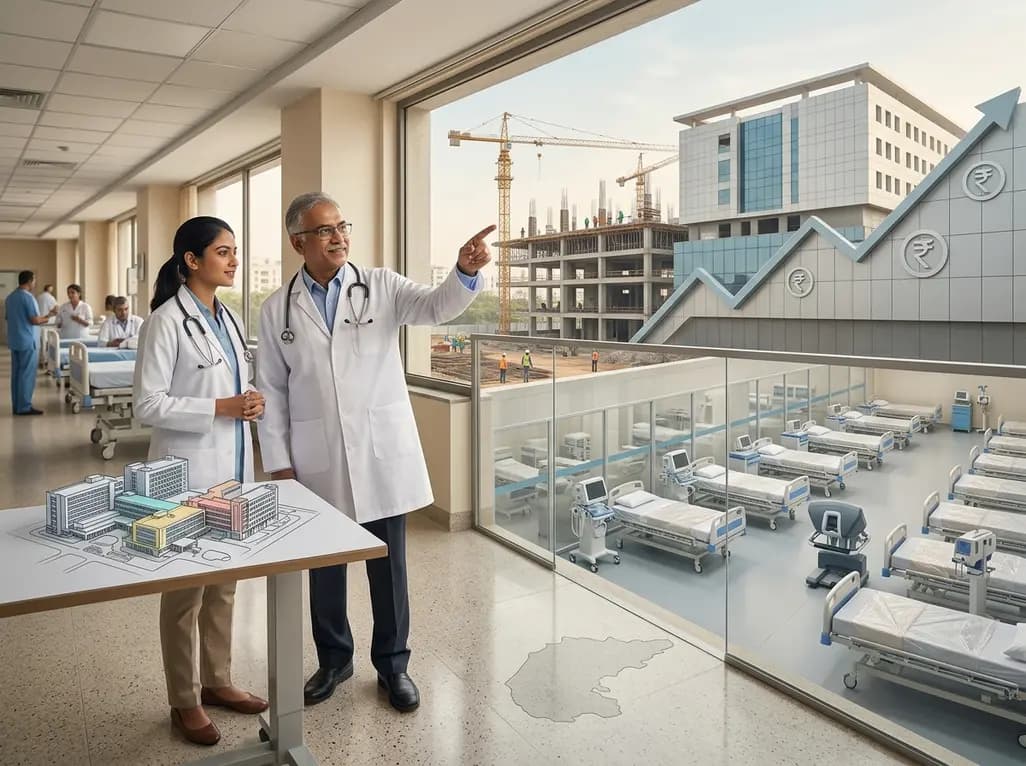
The healthcare landscape in southern India is witnessing a monumental transformation following a massive announcement from one of the region's largest medical networks. Aster DM Quality Care has formally unveiled plans to execute a strategic Karnataka healthcare investment worth ₹1,315 crore. This capital deployment aims to significantly fortify state infrastructure, expand bed capacity, and upgrade advanced medical technologies. Consequently, the initiative will broaden patient access to specialized tertiary and quaternary healthcare services across rapidly growing urban centers like Bengaluru.
The strategic framework behind this major Karnataka healthcare investment centers on addressing the surging demand for specialized medical services. Presently, urbanization and shifting demographic profiles in Karnataka have amplified the need for high-tier medical infrastructure. The investment model focuses on establishing state-of-the-art hospitals alongside expanding operational capacities within established medical campuses. Furthermore, the organization aims to bridge critical gaps in specialized clinical care, including oncology, cardiology, organ transplantation, and complex surgical procedures.
Executive leadership highlighted that this long-term financial commitment reflects deep confidence in the economic and developmental ecosystem of Karnataka. By partnering closely with state administrative authorities, the healthcare group seeks to promote clinical research, elevate medical education, and enhance overall public health metrics. Consequently, the capital injection will create thousands of direct and indirect employment opportunities for healthcare professionals, including specialized clinicians, nursing staff, allied health workers, and administrative personnel. Therefore, this comprehensive expansion effort directly aligns with regional goals to establish Karnataka as a leading global destination for medical value travel and advanced healthcare excellence.
Central to the expansion blueprint is the strategic addition of over 1,360 hospital beds across Bengaluru. Currently, Aster DM Quality Care operates four major hospitals in Karnataka, providing 1,329 operational beds. The new capital outlay will virtually double this operational footprint through three major capital construction projects. Specifically, the group is constructing a brand-new 550-bed multi-specialty hospital in Yeshwantpur to serve the dense residential and industrial sectors of north-western Bengaluru.
Additionally, the plan includes a new 460-bed tertiary facility in Sarjapur, catering to the burgeoning technology corridors in eastern Bengaluru. To complement these greenfield projects, the organization is undertaking a major brownfield expansion at its flagship Aster CMI Hospital, which will add 350 specialized beds. These strategic additions will significantly relieve clinical pressure on existing regional emergency departments and intensive care units. Moreover, the distributed geographical model ensures that advanced critical care services become readily accessible to diverse patient populations without necessitating long urban travel times during medical emergencies.
This aggressive infrastructure expansion comes shortly after the milestone integration of Aster DM Healthcare with Quality Care India Limited. Completed in early July, the strategic merger consolidated four prominent healthcare brands under a unified corporate structure: Aster DM, Care Hospitals, Evercare, and Kimshealth. Consequently, the merged entity, operating as Aster DM Quality Care, has emerged as one of the largest integrated private healthcare providers in India.
The combined entity boasts an extensive operational network comprising 39 hospitals spanning 28 cities, with a total bed capacity exceeding 10,600 beds. This consolidated scale unlocks substantial synergies, optimizing supply chain economics, capital allocation, and clinical procurement. Furthermore, the merger creates an unprecedented platform for cross-institutional clinical knowledge sharing, collaborative research, and standardized quality benchmarks. Clinicians across the combined network benefit from pooled medical expertise and shared digital health technologies. Ultimately, these organizational efficiencies enable the group to reinvest capital dynamically into regional high-growth corridors like Karnataka, driving continuous facility upgrades and technology integration.
The planned capital outlay prioritizes the deployment of cutting-edge clinical technologies to support complex tertiary and quaternary medical interventions. Modern hospital facilities require advanced infrastructure, including robotic surgical systems, modern linear accelerators for radiotherapy, digital cath labs, and specialized pediatric intensive care units. Consequently, the new hospital projects in Yeshwantpur and Sarjapur will incorporate state-of-the-art diagnostic imaging suites, digital operating theaters, and automated laboratory systems.
Moreover, expanding Aster CMI Hospital allows for dedicated sub-specialty centers of excellence in organ transplantation, neurosciences, and advanced cardiac care. The clinical architecture of these new wings emphasizes infection control, patient ergonomics, and energy-efficient building standards. Furthermore, integrating comprehensive digital health records and AI-assisted clinical decision tools will streamline diagnostic workflows and improve patient safety parameters. Therefore, medical teams will possess the tools necessary to deliver precise, evidence-based treatments for highly complex clinical cases, establishing new quality benchmarks within the Indian private healthcare delivery sector.
The strategic alignment between private health networks and governmental authorities remains essential for sustainable healthcare development. The official announcement followed high-level discussions between Dr. Azad Moopen, Founder and Executive Chairman of Aster DM Quality Care, and Karnataka state leaders, including Deputy Chief Minister D.K. Shivakumar. During these interactions, leadership reaffirmed their commitment to supporting public health priorities and strengthening regional healthcare resilience.
Collaborative frameworks between private health systems and state governments facilitate broader public access to specialized care through scheme empanelment and community health initiatives. Furthermore, expanding clinical infrastructure in Karnataka supports local medical education by providing training environments for postgraduate medical residents, clinical fellows, and nursing trainees. As private investments fortify regional capacity, Karnataka consolidates its position as a major healthcare hub in South Asia. Consequently, sustained investments of this scale foster economic resilience, attract clinical talent, and ensure high-quality healthcare services remain available to meet evolving community health demands.
Q1: What are the key details of Aster DM Quality Care's expansion investment in Karnataka?
Aster DM Quality Care is investing ₹1,315 crore to expand its healthcare infrastructure across Karnataka. The capital outlay funds three major hospital construction projects in Bengaluru, adding over 1,360 beds to its current operational base of 1,329 beds. Specifically, this expansion includes two greenfield facilities in Yeshwantpur and Sarjapur, along with a significant capacity addition at Aster CMI Hospital, enhancing regional access to tertiary care.
Q2: How does the merger between Aster DM Healthcare and Quality Care India Limited affect hospital operations?
The merger unified four prominent healthcare brands—Aster DM, Care Hospitals, Evercare, and Kimshealth—creating an expansive network of 39 hospitals and over 10,600 beds across 28 cities. This scale improves operational efficiency, clinical governance, and supply chain logistics. Consequently, the merged entity can mobilize substantial capital to expand facility infrastructure, introduce advanced medical technologies, and enhance clinical services across regional hubs like Karnataka.
Q3: Which specific Bengaluru locations will benefit from the new hospital bed capacity?
The expansion targets three strategic areas in Bengaluru to improve geographical access to advanced medical services. The project incorporates a new 550-bed hospital in Yeshwantpur, a new 460-bed facility in Sarjapur, and a 350-bed brownfield expansion at Aster CMI Hospital. Together, these facilities will provide comprehensive tertiary and quaternary services, relieving patient overload at existing regional facilities and improving emergency care response times.
Disclaimer: This content is for informational and educational purposes only. It does not constitute medical advice or replace professional judgment. Refer to the latest local and national guidelines for clinical practice.
References

Read summarized clinical updates, watch expert medical content, and earn CME certifications right from your smartphone.
Open your smartphone camera to scan and install.





Aster DM Quality Care is accelerating clinical expansion in Karnataka through a major capital deployment. The plan features new facilities in Yeshwantpur and Sarjapur alongside capacity expansion at Aster CMI Hospital, adding over 1,300 beds to enhance tertiary and quaternary care access across Bengaluru.
Today
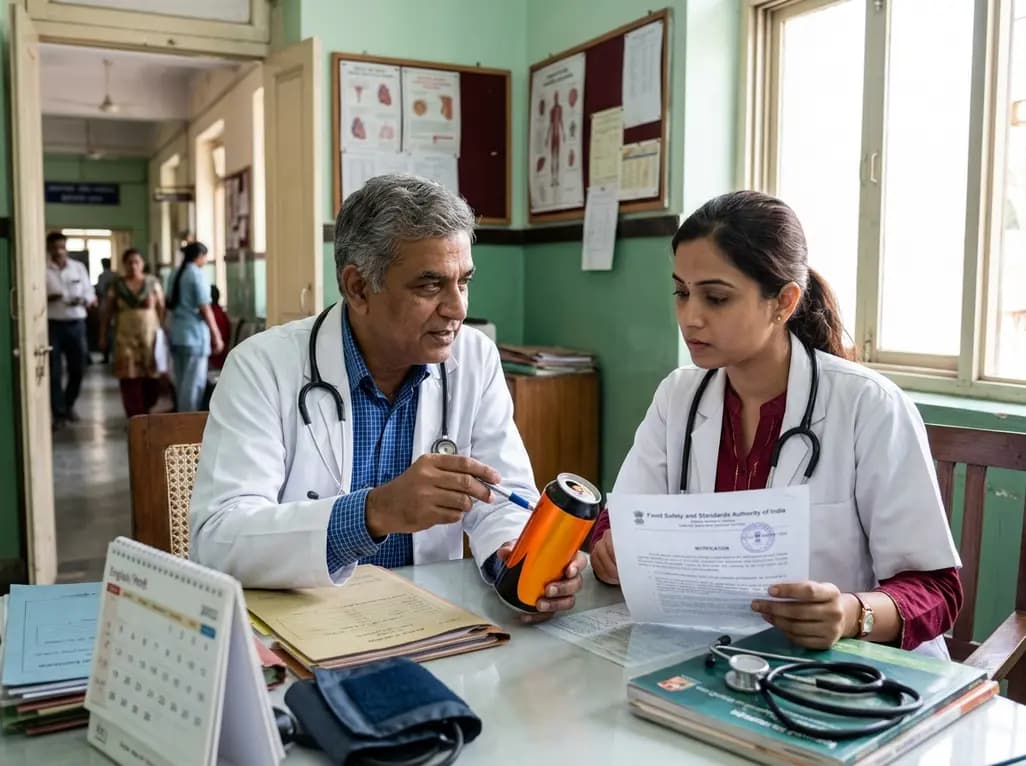
The Food Safety and Standards Authority of India (FSSAI) has rejected industry appeals and directed beverage manufacturers to remove the term 'energy drink' and unapproved therapeutic claims within 90 days. This regulation aims to curb misbranding and ensure clear labeling across commercial food products.
Today
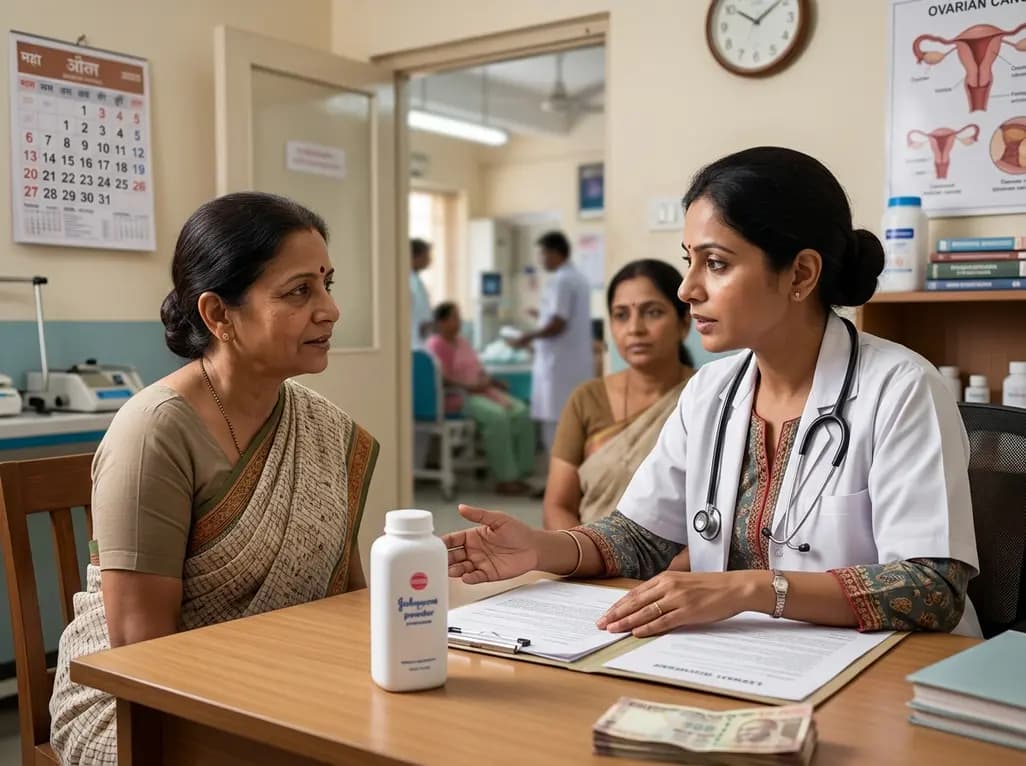
Johnson & Johnson announced a $5.5 billion settlement to resolve nearly 69,000 lawsuits alleging its talc-based baby powder caused ovarian cancer. This comprehensive deal covers 99.75% of active claims. Read about the legal strategy, scientific evidence on talc exposure, and clinical counseling for patients.
Today
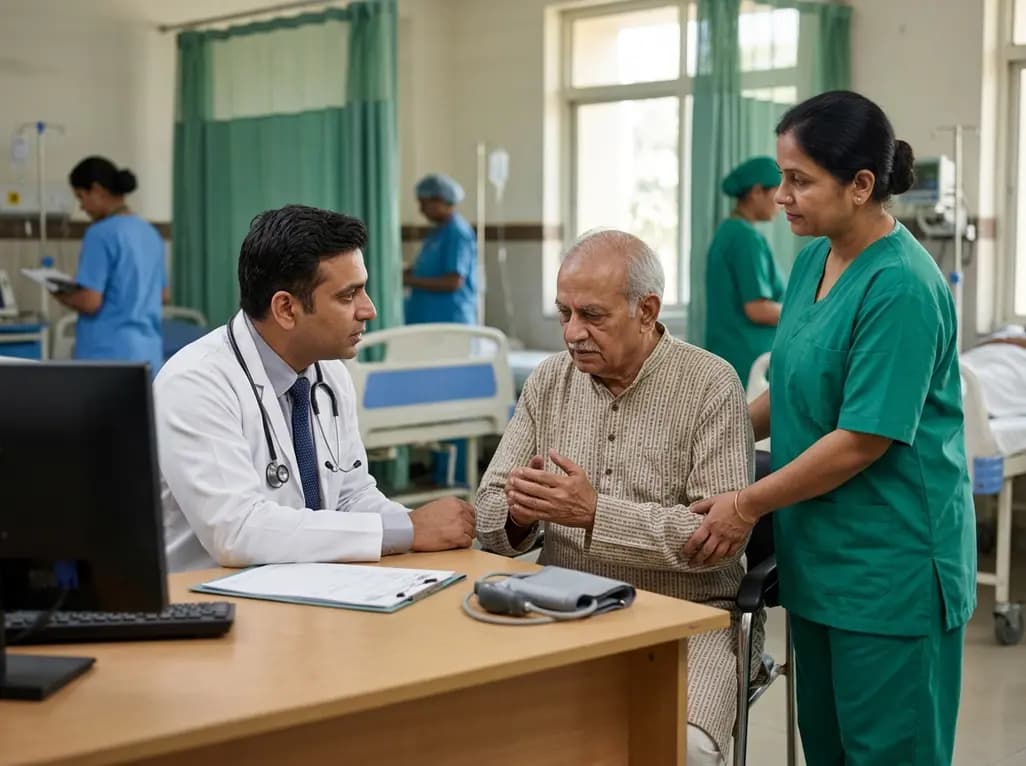
A cross-sectional study evaluates post-intensive care syndrome in cardiac patients 2-4 weeks post-ICU discharge, highlighting cognitive, psychological, and functional impairments and the need for structured multidisciplinary rehabilitation.
4 days back
Anterior cruciate ligament reconstruction failure lacks uniform definition. A narrative review proposes an integrative framework incorporating objective and subjective instability, persistent pain, restricted motion, graft rupture, and secondary meniscal injury to standardize clinical reporting.
3 days back
A UK Biobank study of 471,540 participants reveals that metabolic syndrome increases incident gastric cancer risk by 36% (HR=1.36). A positive trend was observed with accumulating metabolic components, with waist circumference showing the strongest association, highlighting modifiable risk targets.
4 days back
