.webp&w=384&q=75)

Loading, please wait...
Loading, please wait...
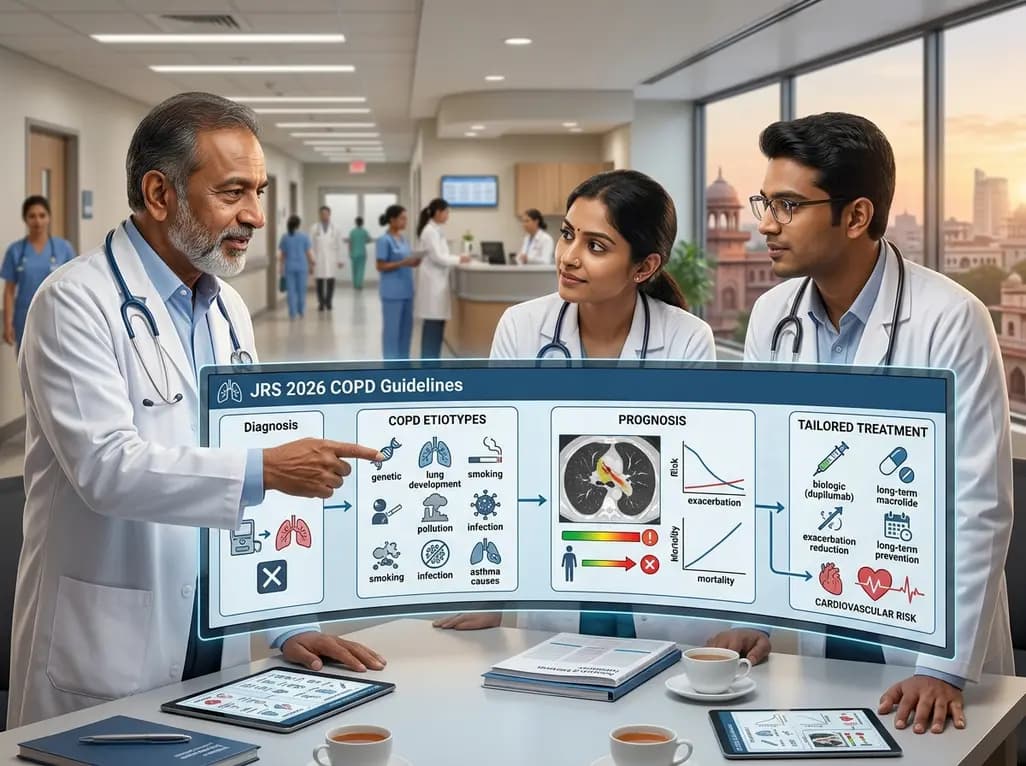
The Japanese Respiratory Society recently unveiled the JRS COPD Management Guidelines 7th edition in 2026, marking a significant advancement in the strategic approach to chronic obstructive pulmonary disease. Since COPD remains a leading cause of global morbidity, these updates reflect a refined understanding of the disease's pathophysiology and management. In Japan, the prevalence of this condition is estimated at 8.6% among adults over 40. However, a staggering gap exists in diagnosis, as less than 10% of those affected actually receive a formal identification of their illness. This specific guideline serves as a bridge between high-level evidence and practical clinical application. It incorporates the latest global standards, such as the GOLD 2023 framework, while maintaining a strong focus on the unique phenotypic characteristics observed in the Japanese population. For healthcare providers, understanding these nuances provides a broader perspective on personalized medicine. The guidelines emphasize that management should not merely target airflow limitation but must address the systemic nature of the disease. By integrating cellular senescence and CT-based imaging into prognosis, the JRS offers a forward-looking roadmap. This summary delves into the core updates, including new clinical questions and pharmacological interventions like biologics.
One of the most profound shifts in the 7th edition is the formal adoption of the GOLD 2023 etiotype classification. Consequently, clinicians now categorize COPD based on its developmental roots, such as genetic factors, abnormal lung development, or environmental exposures. This move recognizes that the smoking-centric view of COPD is no longer sufficient. Furthermore, the JRS guidelines differentiate themselves from international standards by leveraging the high accessibility of CT scans in Japanese clinical practice. Specifically, the guideline proposes a classification based on imaging findings, dividing patients into emphysematous and non-emphysematous types. While the former focuses on low attenuation areas indicating tissue destruction, the latter highlights peripheral airway disease. Additionally, the guidelines emphasize that CT-detected mucus plugging serves as an independent prognostic factor. Notably, patients with visible mucus plugs often face a higher risk of mortality and rapid lung function decline. Therefore, the committee suggests that imaging plays a vital role in early diagnosis and risk stratification. By identifying these structural changes before significant obstructive impairment appears on spirometry, doctors can initiate preventive measures earlier. This integration of morphology and function represents a holistic leap in respiratory care, ensuring that treatment plans align with the specific anatomical damage present in each individual patient.
The 7th edition introduces cellular senescence as a fundamental disease mechanism, shifting the focus toward the biological aging of lung tissue. Consequently, the JRS COPD Management Guidelines highlight how accelerated senescence contributes to persistent inflammation and impaired repair processes. This conceptual advance suggests that future therapies might target these pathways to slow disease progression. Meanwhile, the clinical recognition of mucus plugging has gained significant traction. Specifically, researchers have identified that mucus plugs in the medium-to-large airways are not merely symptoms but active drivers of poor outcomes. Therefore, the guidelines recommend proactive assessment of airway clearance. Furthermore, managing these plugs involves a combination of pharmacological bronchodilation and physical therapy. Similarly, the presence of these plugs often correlates with type 2 inflammation, which necessitates a different therapeutic approach. In addition, the guidelines discuss how cellular aging interacts with environmental stressors to exacerbate lung damage. Because senescence is a systemic process, it also explains the high prevalence of comorbidities in elderly patients. By addressing these underlying mechanisms, the JRS aims to move beyond symptomatic relief toward a more comprehensive disease-modifying strategy. This approach is particularly relevant for the aging Japanese population, where geriatric considerations are paramount. Consequently, clinicians must evaluate patients through both a biological and a physiological lens to ensure optimal long-term outcomes.
Japanese COPD patients often present with unique characteristics that differ from Western populations, such as a leaner body composition and lower exacerbation rates. Consequently, the guidelines tailor management strategies to address these specific traits. For instance, the high prevalence of asthma-COPD overlap (ACO) in Japan requires clinicians to be vigilant for eosinophilic inflammation. Specifically, the JRS recommends using inhaled corticosteroids (ICS) more frequently in these patients compared to those with pure emphysematous COPD. Furthermore, the guideline highlights that lean patients may experience faster skeletal muscle loss, which significantly impacts exercise tolerance. Therefore, nutritional support and pulmonary rehabilitation are elevated as critical components of the stable-phase management plan. Moreover, the 7th edition provides a clear diagnostic algorithm for ACO, integrating clinical history, blood eosinophil counts, and imaging findings. Because ACO patients typically face a higher burden of symptoms and more frequent exacerbations, a multidimensional evaluation is essential. Additionally, the guidelines suggest that the lower baseline exacerbation rate in Japan might be linked to different environmental exposures or genetic factors. Nevertheless, when exacerbations do occur, they are managed aggressively to prevent further lung function loss. This population-specific approach ensures that the recommendations are practical and effective within the Japanese healthcare context. Consequently, physicians can provide more personalized care that acknowledges the intersection of asthma and chronic airway obstruction.
Managing exacerbations has evolved into a more comprehensive process that prioritizes cardiovascular health alongside respiratory stability. Specifically, the JRS guidelines recognize that even a single moderate exacerbation significantly increases the risk of acute cardiac events, such as arrhythmias or myocardial infarction. Consequently, cardiovascular risk management is now a core goal during and after an acute respiratory event. Furthermore, the guidelines introduce seven new clinical questions addressing the nuances of exacerbation care. These include the use of long-term macrolide antibiotics for prevention and the role of bronchoscopic lung volume reduction for severe cases. Additionally, the guidelines maintain a conservative stance on the Rome proposal for exacerbation classification. While acknowledging its utility, the JRS decided to retain conventional severity assessments to ensure continuity in clinical practice. Moreover, the pharmacological toolkit has expanded with the inclusion of dupilumab. Specifically, this biologic is now recommended for patients exhibiting type 2 inflammation who suffer from frequent exacerbations despite optimal inhaler therapy. This addition marks a significant milestone in the move toward precision medicine for COPD. Furthermore, the guidelines emphasize the importance of early intervention, noting that rapid treatment of symptoms can prevent hospitalizations. By focusing on both the lungs and the heart, the JRS ensures that clinicians address the primary causes of mortality in this patient group. Therefore, a multidisciplinary approach involving cardiology and pulmonology is increasingly encouraged.
The 7th edition of the JRS guidelines provides a sophisticated yet practical framework for the modern management of COPD. By incorporating etiotypes, imaging biomarkers, and biologics, it offers a robust defense against disease progression. Furthermore, the focus on Japanese-specific phenotypes ensures that the recommendations are relevant to the local clinical reality. Specifically, the elevation of cardiovascular risk as a management goal reflects a deeper understanding of the systemic implications of COPD. Consequently, clinicians should use these guidelines to refine their diagnostic and therapeutic strategies. Meanwhile, the inclusion of cellular senescence and mucus plugging as key factors opens new avenues for research and personalized care. Additionally, the evidence-based grading using the Minds/GRADE framework provides doctors with the confidence to make informed decisions. As the prevalence of COPD continues to pose a challenge, these guidelines serve as a vital tool for both specialists and general practitioners. Therefore, adopting these strategies will likely lead to better patient outcomes, reduced mortality, and a lower burden on the healthcare system. Ultimately, the JRS 2026 update represents a pivotal moment in respiratory medicine, aligning global innovation with regional expertise.
The JRS guidelines recommend the use of dupilumab specifically for patients who experience frequent exacerbations despite being on optimal maintenance therapy. This biologic therapy is targeted toward individuals who show clear evidence of type 2 inflammation, often identified through elevated blood eosinophil counts. By inhibiting the IL-4 and IL-13 pathways, dupilumab can significantly reduce the rate of severe respiratory events and improve overall lung function in this specific patient subset.
The 7th edition identifies CT-detected mucus plugging as an independent predictor of high mortality and accelerated FEV1 decline. Research indicates that persistent mucus plugs in the medium-sized airways lead to chronic inflammation and localized tissue damage. Therefore, the guidelines encourage clinicians to use chest CT scans not just for emphysema screening but also to identify these structural airway obstructions. Identifying these plugs early allows for more aggressive airway clearance strategies and personalized treatment planning.
While both reports share a focus on etiotypes and early diagnosis, the JRS guidelines place a much heavier emphasis on CT-based imaging classifications, such as emphysematous versus non-emphysematous types. Additionally, the JRS did not fully adopt the Rome proposal for exacerbation severity, preferring to stick with conventional clinical classifications familiar to Japanese practitioners. The JRS also highlights unique population traits, such as lower body mass and a higher prevalence of asthma-COPD overlap, which influences local recommendations.
Disclaimer: This content is for informational and educational purposes only. It does not constitute medical advice or establish a doctor-patient relationship. Always seek the advice of a qualified healthcare provider for any medical condition or treatment. Refer to the latest local and national guidelines for clinical practice.
References
Sugiura H et al. The JRS guideline for the management of chronic obstructive pulmonary disease 7th edition 2026. Respir Investig. 2026 Jul 14. doi: undefined. PMID: 42447589.
Global Initiative for Chronic Obstructive Lung Disease. Global Strategy for the Diagnosis, Management, and Prevention of Chronic Obstructive Pulmonary Disease (2026 Report).
Muro S, et al. Summary of the Japanese Respiratory Society guidelines for the diagnosis and treatment of asthma and chronic obstructive pulmonary disease overlap 2023. Respir Investig. 2026 Mar;64(2):101360.
",
Read summarized clinical updates, watch expert medical content, and earn CME certifications right from your smartphone.
Open your smartphone camera to scan and install.





The 7th edition of the JRS Guidelines for COPD management introduces GOLD 2023 etiotypes, mucus plugging as a prognostic factor, and biologics like dupilumab. Tailored to Japanese patient phenotypes, it offers insights into cardiovascular risk and long-term macrolide use for exacerbation prevention.
3 months ago
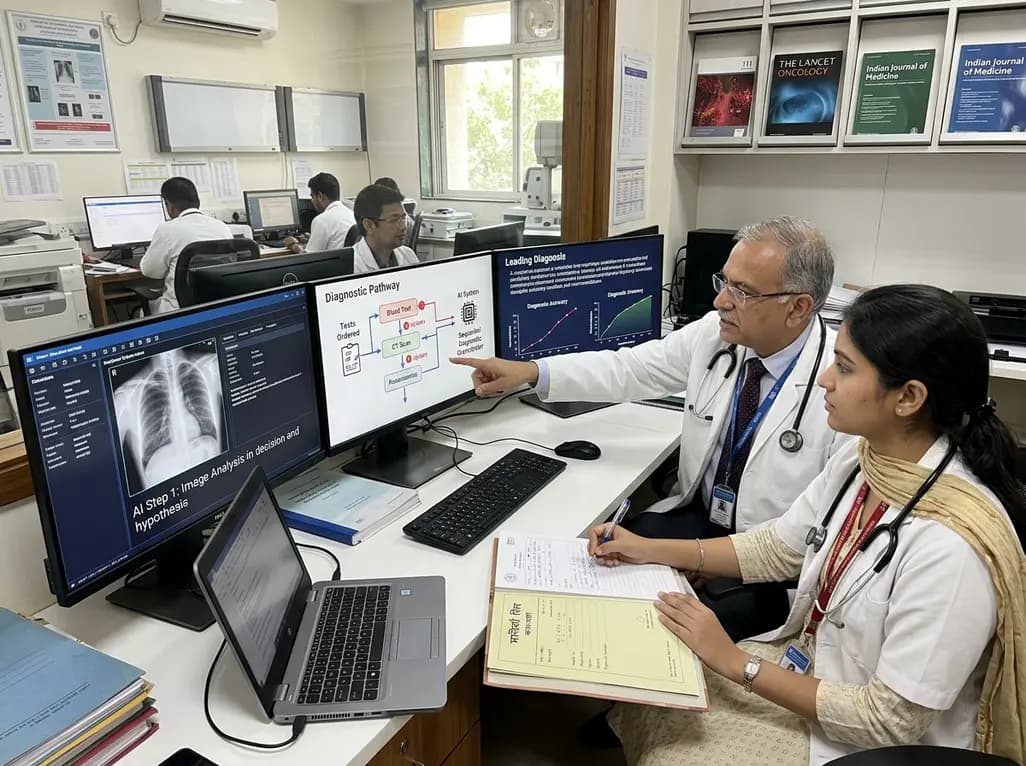
A breakthrough peer-reviewed study demonstrates that a sequential AI diagnosis system can mirror real-world clinical reasoning. By ordering stepwise tests and updating hypotheses dynamically, this multi-agent orchestrator achieved superior diagnostic accuracy while reducing investigative costs.
Today

A prenatal case highlights severe glutaric acidemia type II presenting as bilateral hyperechoic cystic kidneys at 18 weeks. Whole-exome sequencing revealed a novel homozygous ETFDH frameshift variant, demonstrating the power of rapid genetic testing in fetal renal anomalies.
Today

Review how tailored exercise programs benefit frail older patients with heart failure. Explore pathophysiological mechanisms, individualized training prescriptions, and strategies to overcome adherence barriers in clinical practice.
Yesterday

This comparative study evaluates posterior labral tears with and without glenohumeral instability, highlighting distinct demographic patterns, MRI underestimation in stable shoulders, and successful arthroscopic repair outcomes.
Yesterday

A clinical study demonstrates that early intervention with tocilizumab, either as monotherapy or bridged with corticosteroids, achieves significant proptosis reduction and resolves active inflammation in treatment-naive thyroid eye disease.
Yesterday
