.webp&w=384&q=75)

Loading, please wait...
Loading, please wait...

Chronic non-healing ulcers remain one of the most debilitating complications encountered in metabolic medicine and surgical care. Effective diabetic wound healing requires addressing a severely compromised physiological microenvironment characterized by chronic inflammation, persistent oxidative stress, impaired cellular proliferation, and poor re-epithelialization. A critical bottleneck in resolving these chronic lesions is the profound deficit in coordinated neurovascular network formation. Without functional nerve fibers and microvascular networks, tissue repair stalls indefinitely, leading to persistent ulceration, secondary bacterial infections, and elevated amputation risks. Recent advances in biomaterial engineering provide transformative solutions to overcome these cellular and molecular barriers.
The pathophysiology of diabetic ulcers involves hyperglycemia-induced vascular dysfunction, sensory peripheral neuropathy, and an unabated accumulation of reactive oxygen species. Consequently, local fibroblasts, keratinocytes, and endothelial progenitor cells experience accelerated cellular senescence, mitochondrial collapse, and apoptotic cell death. Furthermore, heavy wound exudate macerates surrounding healthy skin and disrupts the delicate extracellular matrix scaffold necessary for cellular migration. Conventional dressings often manage surface moisture or provide basic antimicrobial barriers, yet they fail to orchestrate the complex biochemical signaling required for neurogenesis and angiogenesis. Achieving successful diabetic wound healing demands innovative biomaterials capable of actively remodeling the hostile biochemical microenvironment while simultaneously delivering targeted regenerative cues.
To address these multifaceted pathological hurdles, bioengineers have designed an advanced multifunctional Janus-structured scaffold termed PCTP. This biomimetic dressing integrates electrospun chitosan fibers on one side with coaxial electrospun poly(lactic-co-glycolic acid) and polycaprolactone fibers on the opposite face. The structural core incorporates tannic acid-copper nanosheets functionalized with parathyroid hormone-related protein-2. Therefore, this specialized core-shell configuration protects vulnerable therapeutic peptides from rapid enzymatic degradation while facilitating sustained, controlled release kinetics. Moreover, the asymmetric Janus architecture rationally regulates exudate transport by drawing excessive inflammatory fluid away from the wound bed while preserving the moist interfacial microenvironment essential for rapid cellular mobility.
Excessive reactive oxygen species in diabetic ulcers degrade native extracellular matrix components and damage cellular organelles. The incorporation of tannic acid-copper nanosheets within the PCTP scaffold confers robust, broad-spectrum free radical scavenging capacity. As a result, this catalytic antioxidant activity attenuates oxidative stress, restores mitochondrial membrane potential, and effectively delays premature cellular senescence. Concurrently, the inherent antimicrobial properties of chitosan, reinforced by the release of therapeutic copper ions, provide potent bactericidal efficacy against common wound pathogens. Hence, by suppressing microbial colonization and neutralizing damaging reactive species, the scaffold converts a non-healing inflammatory state into a regenerative tissue bed.
Re-establishing simultaneous angiogenesis and neurogenesis is paramount for complete structural and functional tissue restoration. Within the PCTP matrix, parathyroid hormone-related protein-2 and biofunctional copper ions act synergistically to upregulate angiogenic growth factors, mobilizing endothelial cells to organize into mature capillary networks. Simultaneously, the scaffold provides physical guidance cues and biochemical stimuli that encourage neurite outgrowth and peripheral nerve fiber regeneration. In experimental diabetic models, application of this multifunctional membrane significantly increased blood vessel density, enhanced aligned collagen deposition, accelerated epidermal re-epithelialization, and reduced local pro-inflammatory cytokine expression, ultimately achieving comprehensive structural and functional skin recovery.
The emergence of multifunctional Janus electrospun membranes marks a pivotal transition toward bioactive, intelligent wound care systems. For clinicians managing complicated diabetic foot ulcers, scaffolds that synchronously address exudate control, microbial invasion, oxidative stress, and neurovascular deficits represent a major therapeutic leap. Although these preclinical findings demonstrate exceptional tissue regeneration, future clinical trials must establish long-term safety, optimal application protocols, and cost-effectiveness in diverse patient cohorts. Incorporating such multifunctional scaffolds into comprehensive wound management algorithms holds immense potential to reduce healing times, lower hospital admissions, and substantially decrease limb amputation rates worldwide.
A Janus membrane is an asymmetric biomaterial scaffold featuring two distinct surfaces with opposing functional properties. In wound management, one side typically absorbs excessive exudate and prevents external bacterial penetration, while the opposite side maintains a moist interfacial microenvironment and delivers therapeutic biomolecules directly into the healing tissue bed.
Blood vessels supply oxygen, nutrients, and immune cells required for cellular proliferation, while functional nerve fibers release essential neuropeptides that regulate local vascular tone, cellular metabolism, and tissue repair. Simultaneous neurovascular regeneration restores both structural perfusion and functional neurotrophic support necessary for durable, long-term ulcer closure.
The scaffold integrates tannic acid-copper nanosheets that possess potent antioxidant and radical scavenging properties. By rapidly neutralizing reactive oxygen species, the membrane protects mitochondrial integrity, prevents cellular senescence in fibroblasts and endothelial cells, and shifts the chronic, highly inflamed diabetic microenvironment toward an active regenerative phase.
Disclaimer: This content is for informational and educational purposes only and is intended for healthcare professionals. It does not constitute medical advice or substitute for professional clinical judgment. Refer to the latest local and national guidelines for clinical practice.
References
1. Li Z et al. Multifunctional Janus Membrane Promotes Neurovascular Network Regeneration for Diabetic Wound Healing. Adv Healthc Mater. 2026 Aug 16. doi: 10.1002/adhm.71588. PMID: 42604447.
2. Armstrong DG, Boulton AJM, Bus SA. Diabetic Foot Ulcers and Their Recurrence. N Engl J Med. 2017;376(24):2367-2375.
3. Veves A, Falanga V, Armstrong DG, Sabolinski ML. Graftskin, a Human Skin Equivalent, Is Effective in the Management of Noninfected Neuropathic Diabetic Foot Ulcers. Diabetes Care. 2001;24(2):290-295.

Read summarized clinical updates, watch expert medical content, and earn CME certifications right from your smartphone.
Open your smartphone camera to scan and install.





Researchers have engineered a multifunctional Janus electrospun scaffold (PCTP) that drives concurrent neurovascular regeneration, mitigates oxidative stress, and regulates exudate to accelerate diabetic wound healing.
last month

A retrospective clinical analysis reveals that hemodialysis-associated cognitive dysfunction arises from synergistic pathological mechanisms, including severe chronic anemia, worsening renal clearance, abnormal regional brain iron deposition, and an imbalance between neuroinflammatory and neurotrophic factors.
Today

A multiparametric MRI approach combining quantitative T2 shading, apparent diffusion coefficient (ADC) measurements, and morphological signs provides superior diagnostic accuracy over subjective evaluation to differentiate ovarian endometriomas from benign hemorrhagic cysts.
Today
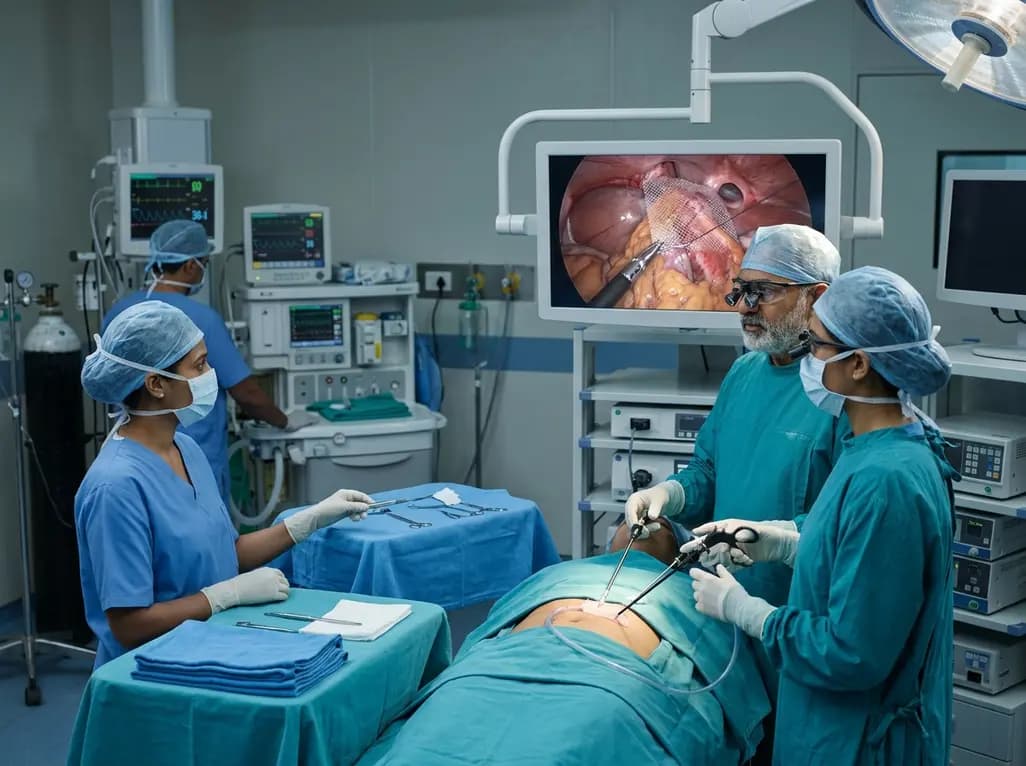
Discover a novel laparoscopic approach for iatrogenic diaphragmatic hernia repair following pedicled omentoplasty. This modified Sugarbaker technique integrates dorsal pedicle lateralization and round ligament reinforcement to secure the diaphragmatic defect while preserving vital omental vascularity.
Today

Evaluating Hill-Sachs lesion size and the distance to dislocation is critical in recurrent shoulder instability. As bone loss concepts shift from binary on-track classifications to continuous risk assessment, clinicians must identify when isolated Bankart repair is insufficient and supplementary procedures are needed.
Today
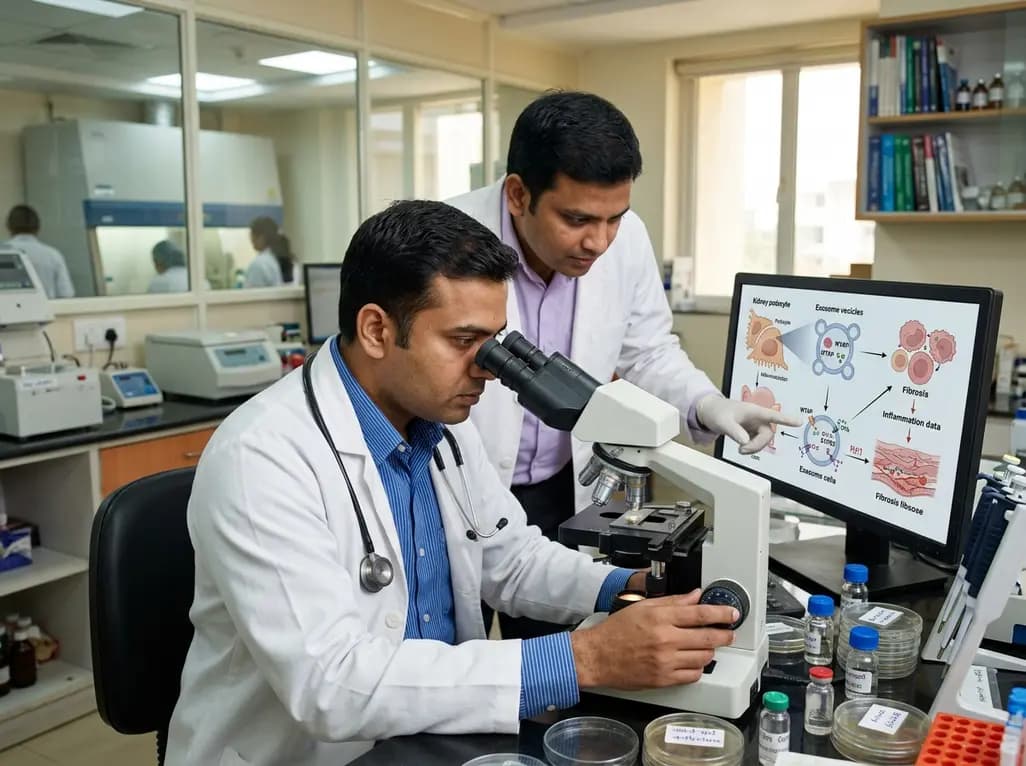
New research reveals that M1 macrophage-derived exosomes aggravate diabetic nephropathy by transferring WTAP to stabilize S1PR2 mRNA. Silencing WTAP in these vesicles attenuates endothelial injury and renal fibrosis, pointing toward innovative nanomedicine therapies.
Today
