

Loading, please wait...
Loading, please wait...

Sexual minority men (SMM) often face unique stressors that impact their mental health and behavioral choices. A recent study highlights the prevalence of intimate partner violence in SMM and its correlation with substance use. Specifically, researchers investigated how social phobia and generalized anxiety serve as pathways from victimization to marijuana use. This study included 160 participants recruited through networking applications. Consequently, the results confirm that higher levels of violence associate with increased anxiety and higher rates of marijuana consumption.
The research emphasizes that IPV among sexual minority men is frequent and multifaceted. Furthermore, the study identified that generalized anxiety partially mediates the relationship between victimization and cannabis use. This suggests that men may use marijuana as a disengagement coping strategy to manage overwhelming distress. Additionally, the high experience rate of IPV specific to this demographic underscores the need for culturally sensitive clinical approaches. Moreover, clinicians in India should recognize these patterns, as local data indicates a significant burden of psychosocial challenges among MSM in urban centers.
Therefore, understanding these links is crucial for developing effective interventions. Future research must continue to explore tailored strategies that mitigate the impact of intimate partner violence in SMM. By addressing the root causes of anxiety, healthcare providers can better support patients in reducing harmful coping behaviors. In conclusion, early screening and integrated mental health support remain essential for this vulnerable population.
IPV in sexual minority men is strongly linked to increased levels of social phobia and generalized anxiety. These mental health challenges often arise from the intersection of partner-inflicted stress and broader minority stress.
Marijuana is frequently utilized as a disengagement coping strategy. Victims may use it to temporarily alleviate the symptoms of generalized anxiety and social phobia caused by their experiences of violence.
Providers should implement tailored interventions that address both the trauma of IPV and co-occurring anxiety. Screening for substance use and providing culturally competent mental health care are vital steps in improving patient outcomes.
Disclaimer: This content is for informational and educational purposes only. It does not constitute medical advice or a professional relationship. Refer to the latest local and national guidelines for clinical practice.
References
Yoon Y et al. The Relationship Between Intimate Partner Violence, Anxiety, and Marijuana Use Among Sexual Minority Men. J Interpers Violence. 2026 Apr 12. doi: 10.1177/08862605261436926. PMID: 41967002.
Kumar, S. et al. (2020). Psychosocial health and its associated factors among Men who have sex with Men in India: A cross-sectional study. Journal of Family Medicine and Primary Care.
Hong, C. (2025). The Associations Between Intimate Partner Violence and Mental Health Outcomes Among Sexual Minority Men: A Systematic Review and Meta-Analysis. Trauma, Violence, & Abuse.

Read summarized clinical updates, watch expert medical content, and earn CME certifications right from your smartphone.
Open your smartphone camera to scan and install.





This study identifies how intimate partner violence in SMM leads to marijuana use through anxiety, highlighting the need for tailored clinical interventions...
6 months ago
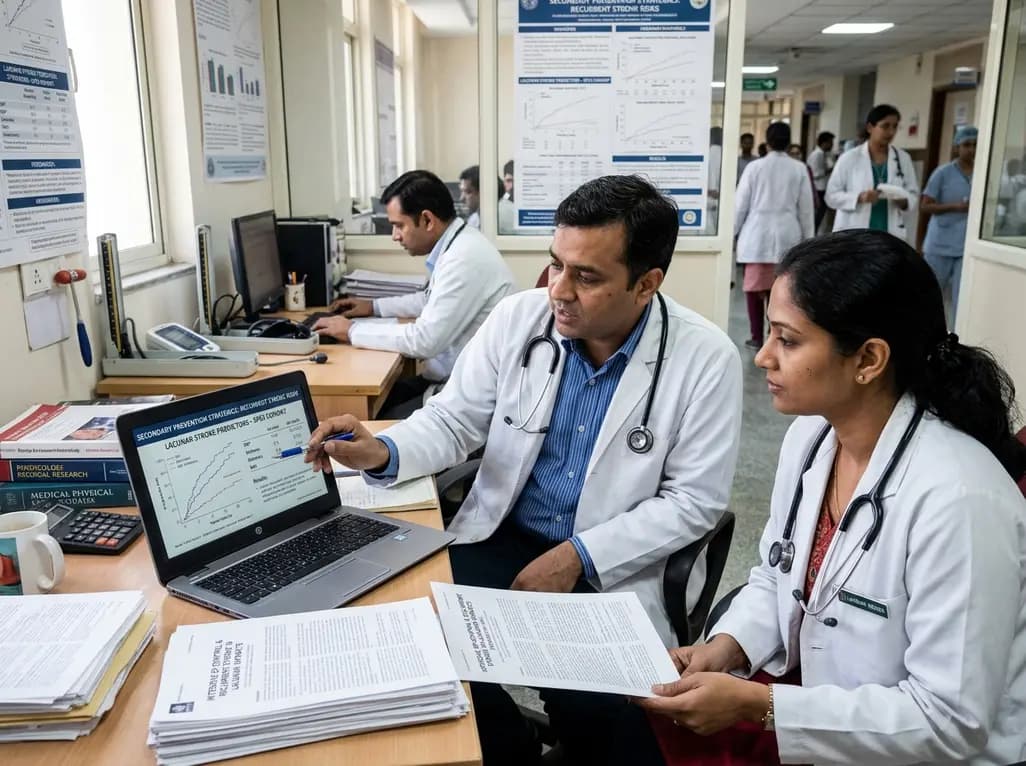
Explore vital recurrent stroke predictors in lacunar stroke patients managed with intensive blood pressure lowering. This analysis examines trial findings from SPS3 to uncover residual vascular risks, metabolic factors, and targeted secondary prevention strategies for high-risk neurological patients.
Today
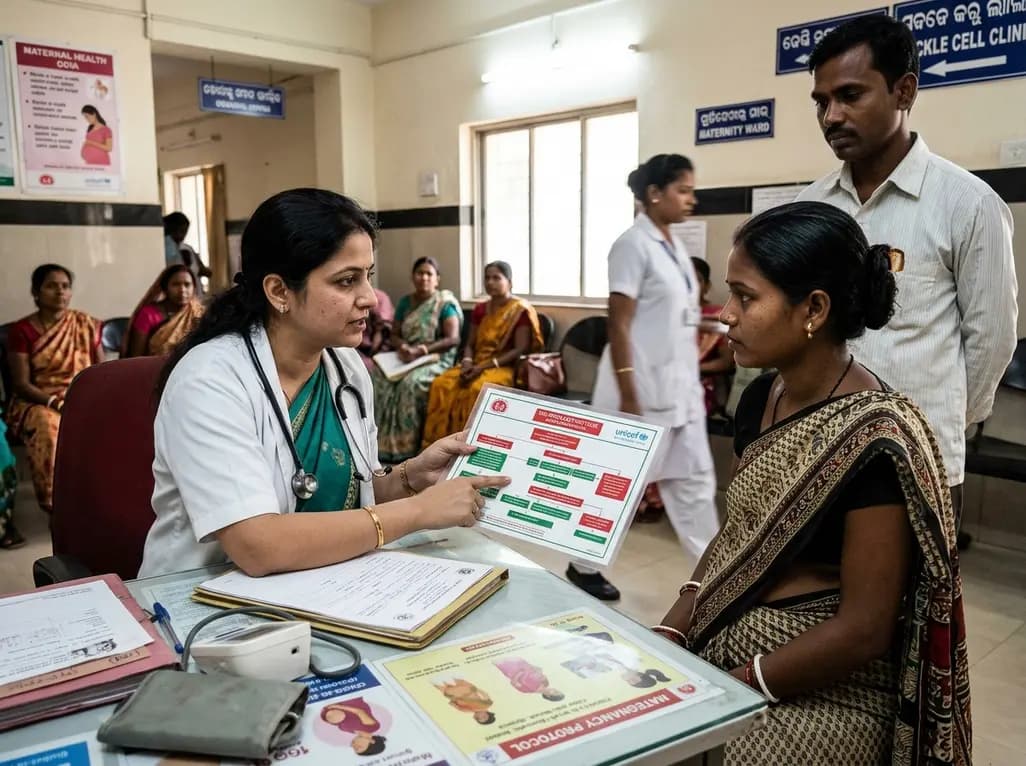
Odisha has established India's first state-level clinical protocol specifically tailored for pregnant women with sickle cell disease. Developed with NHM and UNICEF, the framework provides structured antenatal screening, crisis mitigation, standardized referral pathways, and specialized interdisciplinary care.
Today
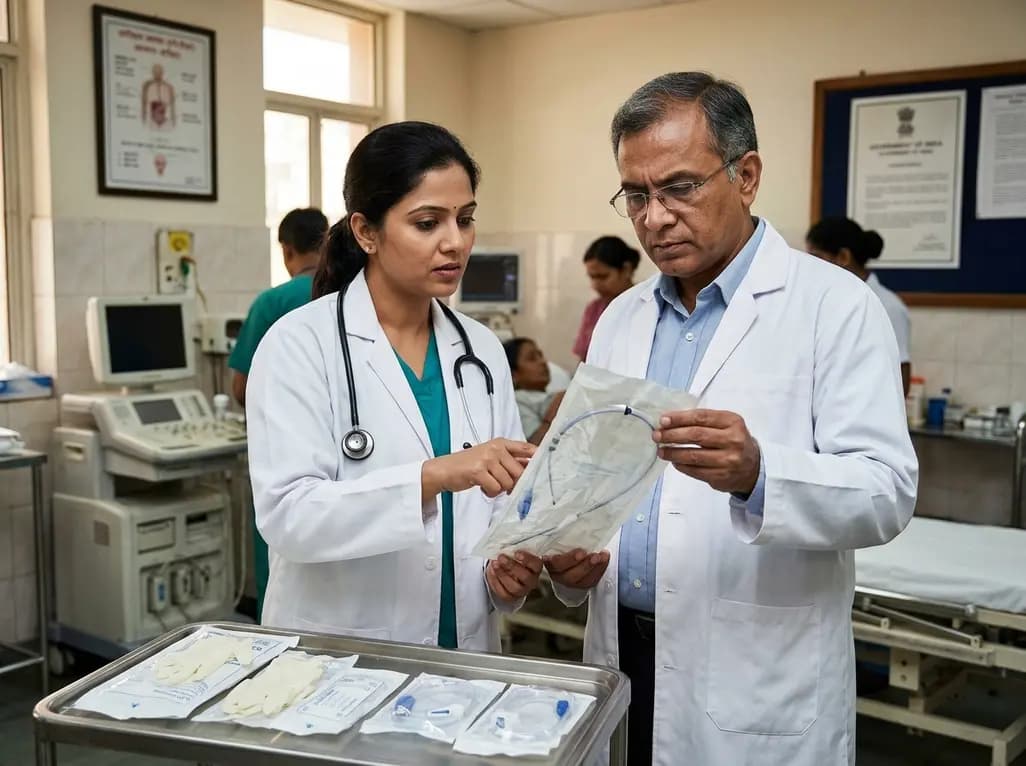
The Directorate General of Health Services directs Indian states to halt the hazardous reuse and reprocessing of single-use medical devices. Discover regulatory implications under the Drugs and Cosmetics Act, critical infection risks, legal liabilities, and operational changes required across clinical specialties.
Today

Mitochondria-targeted nanoparticles self-assembled from EGCG and L-glutamic acid effectively restore mitochondrial homeostasis, suppress synovial inflammation, and attenuate chondrocyte senescence in osteoarthritis, offering a promising disease-modifying nanotherapy.
Today
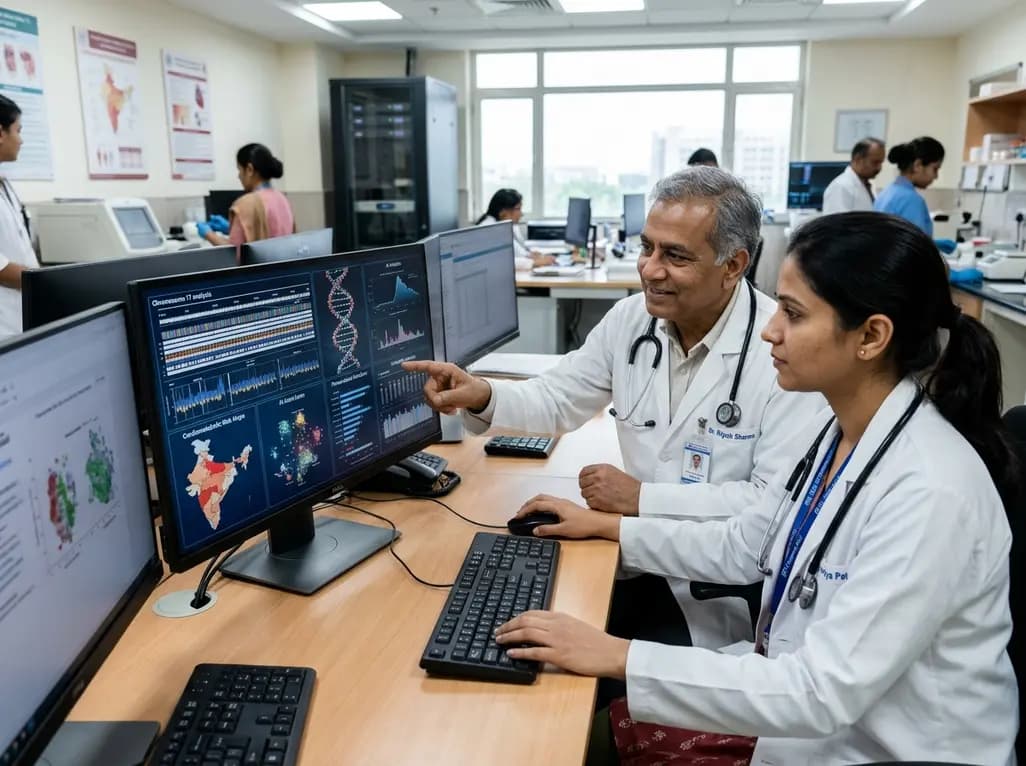
India is advancing preventive healthcare by integrating genomics, artificial intelligence, and quantum technologies. With the SANGAM programme sequencing one million Indian genomes, clinicians can unlock personalized therapies, detect cardiometabolic risks early, and curb the burden of diabetes and heart disease.
Today
