.webp&w=384&q=75)

Loading, please wait...
Loading, please wait...

Evaluating children with sudden muscular jerks presents diagnostic dilemmas for pediatricians and neurologists. A structured evaluation of pediatric myoclonic epilepsies is vital to distinguish self-limiting conditions from progressive encephalopathies and optimize therapy.
Pediatric myoclonic seizures encompass an exceptionally broad electroclinical spectrum. For example, presentations range from benign myoclonic epilepsy in infancy to catastrophic conditions like progressive myoclonus epilepsy and developmental and epileptic encephalopathies. Furthermore, disorders such as epilepsy with myoclonic absences and Rasmussen syndrome can initially manifest with isolated jerks. Because clinical features overlap considerably, clinicians cannot rely solely on seizure semiology to establish an accurate prognosis. In infants, myoclonic jerks frequently coexist with subtle tonic, atonic, or atypical absence seizures. Moreover, interictal electroencephalographic (EEG) findings vary widely, demonstrating generalized polyspike-wave complexes, focal discharges, or diffuse slowing. Recently, a 13-year cohort study of 41 pediatric patients highlighted this profound diagnostic heterogeneity. The investigators identified diverse syndromic entities, including unclassified nonsyndromic myoclonic epilepsy and progressive degenerative disorders. Consequently, differentiating isolated benign seizures from early manifestations of metabolic or genetic decay remains challenging. Therefore, clinicians must pair comprehensive neurophysiological assessments with systematic etiological tracking to guide appropriate clinical decision-making from the first clinical encounter.
Historically, diagnostic protocols mandated extensive, untargeted workups to exclude secondary causes and neurometabolic emergencies. These conventional investigations routinely included brain magnetic resonance imaging (MRI), lumbar punctures, and comprehensive metabolic screenings. However, contemporary data demonstrate that untargeted testing yields remarkably little diagnostic value in this patient population. In the cohort study, 32 of 41 children (78%) underwent untargeted investigations to rule out progressive myoclonus epilepsy. Surprisingly, these extensive workups established a definitive diagnosis in only two patients, and both cases relied exclusively on genetic testing. Routine biochemical panels, organic acid screens, and neuroimaging studies rarely identified an underlying etiology when ordered without specific clinical indications. Although neuroimaging frequently revealed nonspecific cortical atrophy or delayed myelination, these findings did not alter treatment pathways. In addition, invasive lumbar punctures and biopsies caused procedural distress without improving clinical outcomes. Consequently, performing untargeted tests indiscriminately consumes valuable healthcare resources and delays targeted management. While clinicians must promptly investigate suspected acute inborn errors of metabolism, routine blanket testing offers poor diagnostic yield. Therefore, modern clinical workflows must minimize unselective biochemical investigations in favor of more precise diagnostic modalities.
Unlike broad metabolic testing, modern genomic technologies offer superior diagnostic efficacy for children with myoclonic seizures. In the published cohort, genetic analysis accounted for all initial etiological diagnoses and established an underlying cause in 22% of patients by final follow-up. Furthermore, next-generation sequencing platforms, such as multigene epilepsy panels and whole-exome sequencing, systematically identify monogenic causes of developmental encephalopathies. Pathogenic variants in ion channel genes, neurotransmitter receptors, and synaptic vesicle proteins frequently explain both seizure semiology and co-occurring developmental deficits. For instance, diagnosing SCN1A, KCNC1, or progressive myoclonus epilepsy gene mutations directly confirms the diagnosis without requiring invasive tissue biopsies. Moreover, early genetic confirmation ends the prolonged diagnostic odyssey that families typically experience. Identifying specific mutations also enables precise genetic counseling regarding inheritance patterns and recurrence risks in future siblings. Although genetic sequencing requires specialized laboratory infrastructure, it significantly lowers cumulative healthcare expenses by preventing unnecessary investigations. Consequently, leading epileptologists recommend positioning next-generation genetic sequencing as a first-line diagnostic investigation. Except for urgent clinical scenarios requiring rapid metabolic stabilization, a genetics-first strategy provides the most rational, cost-effective approach for pediatric epileptic myoclonus.
Early identification of reliable clinical indicators assists clinicians in predicting therapeutic responses and long-term functional status. Importantly, baseline neurodevelopment serves as the single strongest prognostic indicator in children with myoclonic epilepsies. In the retrospective cohort study, developmental delay or regression at initial presentation was significantly associated with unfavorable neurological outcomes. Furthermore, developmentally delayed children required a significantly higher total number of antiseizure medications during long-term follow-up. These vulnerable patients rarely achieved complete seizure control, remaining refractory despite complex medication regimens. In addition, physical examination findings provide valuable prognostic context. Notably, every patient with an abnormal head circumference, such as microcephaly, experienced an unfavorable neurological outcome. Similarly, children born of consanguineous unions consistently exhibited poorer neurological trajectories, reflecting a higher burden of recessive neurodegenerative mutations. Although consanguinity and head circumference abnormalities did not attain independent statistical significance in this small cohort, their clinical relevance remains substantial. Consequently, clinicians must assess cognitive development and head circumference carefully during baseline examinations. Identifying developmental compromise enables pediatricians to set realistic treatment goals and arrange early allied health interventions, including physical, occupational, and speech therapy.
Achieving a specific etiological diagnosis substantially refines therapeutic strategies in pediatric myoclonic epilepsy. Traditionally, clinicians selected antiseizure medications empirically, choosing broad-spectrum agents such as valproic acid, levetiracetam, and clobazam. Simultaneously, physicians avoided sodium channel blockers like phenytoin and carbamazepine because these drugs routinely aggravate myoclonic jerks. However, modern precision medicine now guides targeted therapy based on molecular defects. For example, diagnosing glucose transporter-1 (GLUT1) deficiency prompts early initiation of the ketogenic diet, which directly restores cerebral metabolism. Similarly, identifying neuronal ceroid lipofuscinosis type 2 allows prompt administration of cerliponase alfa to arrest neurological decline. Conversely, discovering specific ion channel mutations prevents the administration of contraindicated compounds that exacerbate encephalopathy. In resource-conscious healthcare settings, establishing a genetics-first approach also prevents wasteful diagnostic spending. When a child presents without acute metabolic distress, clinicians should order comprehensive gene panels rather than repetitive neuroimaging or extensive biochemical batteries. Early genetic stratification minimizes polypharmacy, accelerates symptom control, and preserves neurodevelopmental potential. Ultimately, transitioning from empirical drug trials to precision management represents the optimal standard of care for pediatric myoclonic disorders.
Genetic testing provides a significantly higher diagnostic yield than untargeted metabolic and laboratory screenings. Molecular sequencing directly identifies underlying pathogenic variants, bypassing invasive, low-yield biopsies or repeated blood tests. Furthermore, early genetic identification directs targeted precision therapies, clarifies recurrence risks for families, and prevents expensive, prolonged diagnostic delays in pediatric patients.
Initial developmental delay or cognitive regression strongly correlates with poor neurological outcomes, drug resistance, and persistent polypharmacy. Additionally, clinical indicators such as microcephaly, macrocephaly, or parental consanguinity consistently associate with unfavorable functional trajectories. Children displaying these high-risk features rarely achieve complete seizure freedom and require early, multidisciplinary rehabilitative support to preserve function.
Clinicians should generally avoid traditional sodium channel blockers, including carbamazepine, oxcarbazepine, phenytoin, and vigabatrin, in children with myoclonic seizures. These medications frequently paradoxically aggravate myoclonic jerks and worsen generalized spike-wave discharges. Instead, broad-spectrum agents such as valproate, levetiracetam, clobazam, or topiramate serve as preferred initial therapies until specific genetic etiologies are confirmed.
Disclaimer: This content is for informational and educational purposes only... Refer to the latest local and national guidelines for clinical practice.
References
Brulé S et al. Assessing the diagnostic performance of investigations in pediatric myoclonic epilepsies: A retrospective cohort study. Epilepsia. 2025 Jul. doi: 10.1111/epi.18383. PMID: 40152936.
Windaswara R, Rochim YN. A Systematic Review of Diagnostic Approaches for Pediatric Epilepsy: An Evidence-Based Framework from Clinical Assessment to Precision Medicine. Int J Med Sci Health Res. 2025;15(5):52-65.
American Academy of Pediatrics. Genetic Testing for Pediatric Epilepsy: Clinical Indications and Diagnostic Yield. Pediatrics. 2025;156(2):e20250123.

Read summarized clinical updates, watch expert medical content, and earn CME certifications right from your smartphone.
Open your smartphone camera to scan and install.





A retrospective cohort study demonstrates that untargeted investigations offer limited diagnostic yield in pediatric myoclonic epilepsies. In contrast, early genetic testing successfully identifies etiology, optimizes antiseizure management, and predicts long-term neurological outcomes.
Today

An Australian cohort of 34,449 adults in an unsubsidized tirzepatide digital weight loss service showed that peer-referred patients achieved significantly higher 6-month adherence (48% vs 42%) and greater weight loss (16.16% vs 14.06%) than matched non-referred peers, highlighting social support in obesity care.
Today
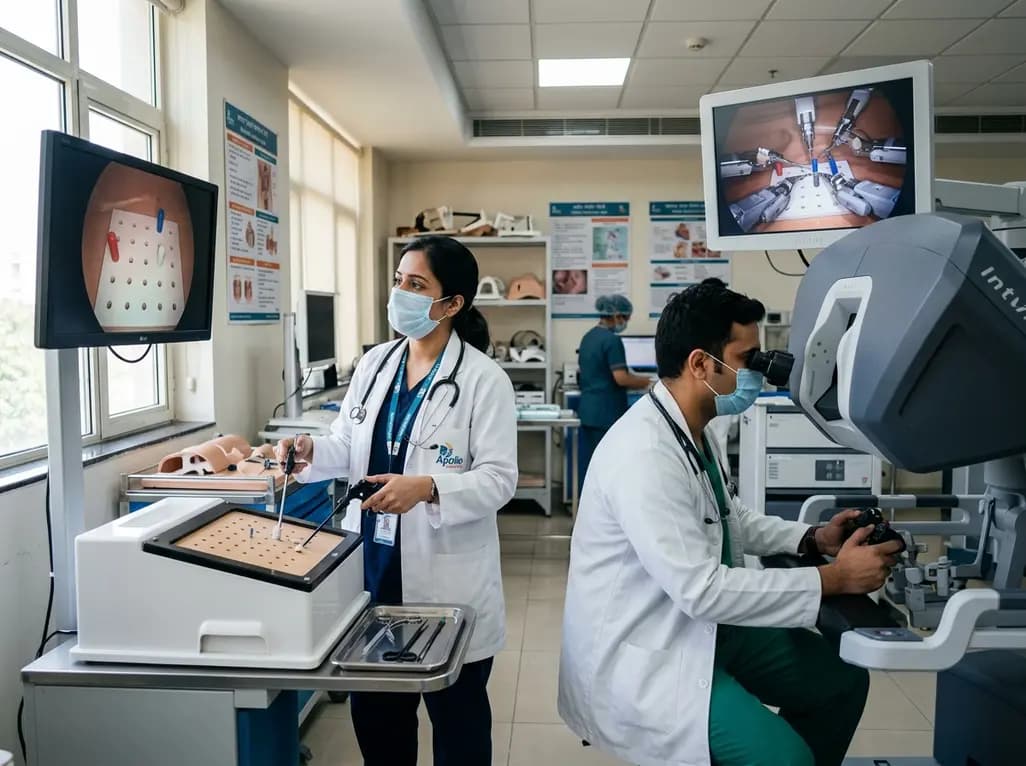
A randomized crossover study demonstrates that conventional and robotic laparoscopy require distinct neuropsychological and psychomotor skills. While trainees master conventional laparoscopy faster, robotic proficiency demands individualized, adaptive curricula tailored to specific learner profiles.
Today
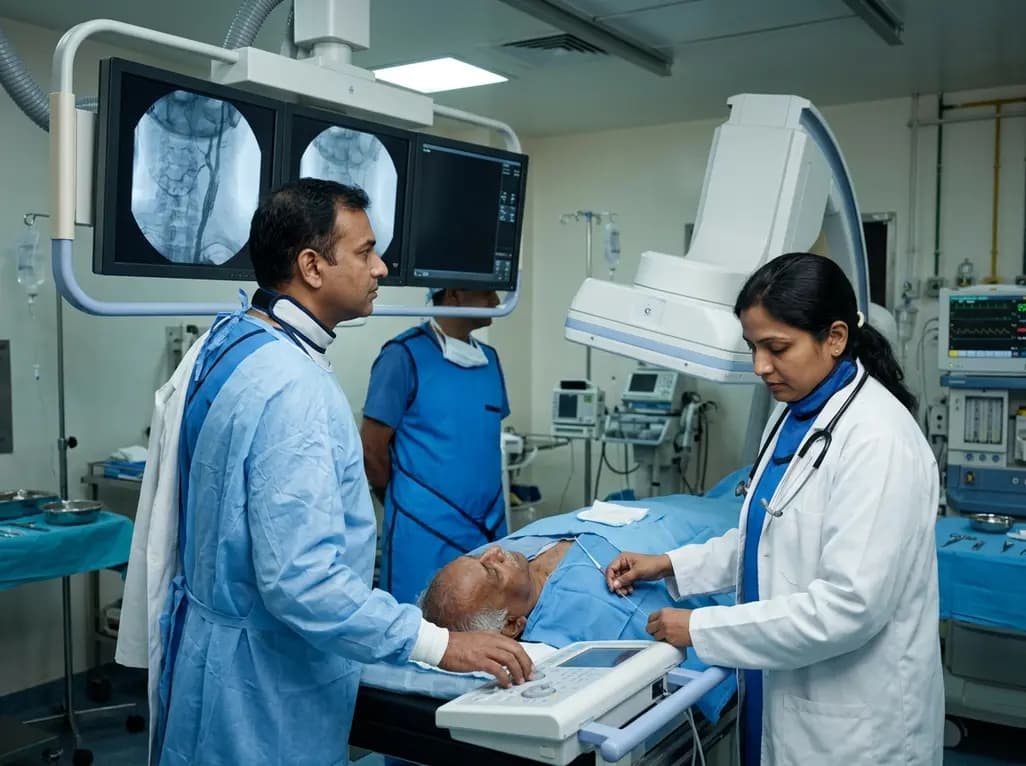
A retrospective study of 109 patients undergoing elective carotid artery stenting evaluated radiation exposure on biplane flat-panel systems. Standardized workflows and dedicated low-dose protocols provide crucial baseline data to establish neurointerventional diagnostic reference levels and optimize patient safety.
Today

A scoping review of 51 studies reveals that spinal manual therapy on the lumbo-pelvic area is commonly used for isolated lower extremity pain, predominantly knee conditions. While thrust manipulation is frequent, reporting deficits highlight the need for standardized technique descriptions to guide practice.
Today

The Supreme Court has reserved its judgment on FSSAI's proposed front-of-pack nutritional warning labels for packaged foods. With debates over compliance timelines, added versus total sugars, and ultra-processed food definitions, this landmark decision carries profound public health implications for India.
Today
